





Dark Wood Tribal Weapon
These dark wood tribal weapon items are functional artefacts and implements carrying deep cultural histories, offering collectors authentic expressions of indigenous craftsmanship.
Dark Wood Tribal Weapon
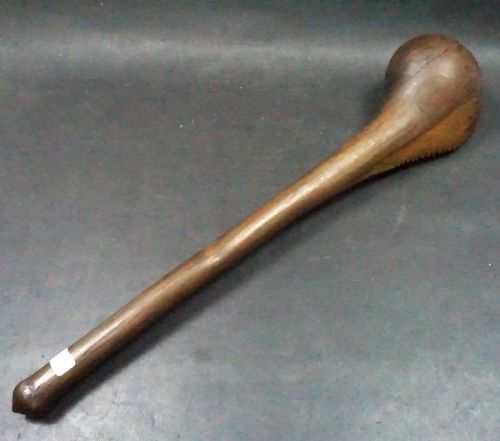
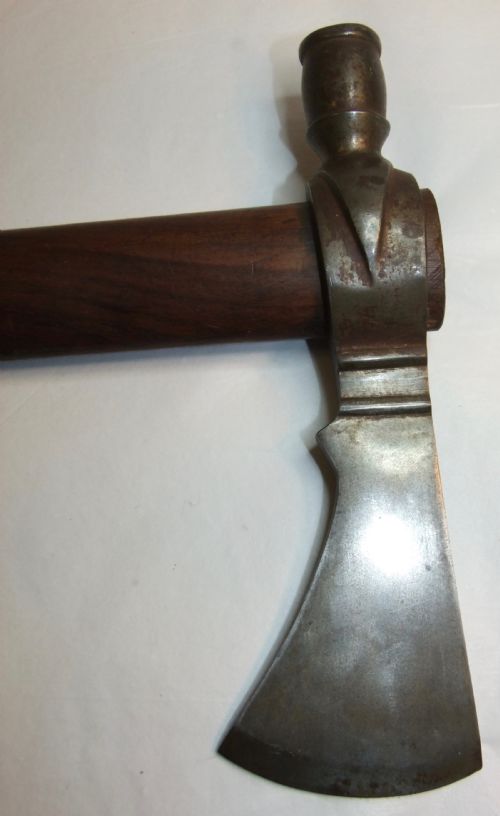
A dark wood tribal weapon represents functional objects and cultural artefacts originating from diverse global regions such as Africa, Oceania, and Indigenous Australia. When exploring this selection, buyers encounter traditional forms including throwing clubs, ceremonial axes, war clubs, spears, and woomeras.
The objects appearing on this page span the nineteenth century and the year nineteen hundred, encompassing regional styles like Zulu, Southern African tribal, Oceanic tribal art, and Australian Aboriginal. These pieces reflect specific utilitarian and ceremonial traditions tied to their respective cultures.
Most examples rely on dense indigenous hardwood bodies shaped for practical combat, hunting, or ritual use. Collectors find variations ranging from simple throwing clubs to ornamented ceremonial axes and firearms stocked in timber.
How they were made
Maker communities shaped these items primarily from native hardwoods, selecting dense timber timbers capable of withstanding heavy impact and practical use. Artisans relied on hand tools to carve, smooth, and balance the wood into effective fighting and throwing implements.
Many items incorporate complementary materials such as forged iron, steel, brass, and plant fibre bindings to secure metal heads or reinforce wooden shafts. Matchlock and flintlock mechanisms on relevant pieces demonstrate traditional metalworking techniques integrated with wooden stocks.
Some clubs multitask so thoroughly they double as conversation starters about how prehistoric problem-solving involved a very solid piece of wood.
What varies in quality
Quality in these artefacts rests upon the integrity of the material, the preservation of original surfaces, and the clarity of regional form. Pieces showing untouched patination and purposeful construction reflect higher standard maker execution.
The precision of traditional carving and the stability of combined elements, such as fitted metal heads or plant fibre bindings, distinguish standard utilitarian items from finer examples of indigenous craftsmanship.
The Dark Wood Tribal Weapon Glossary
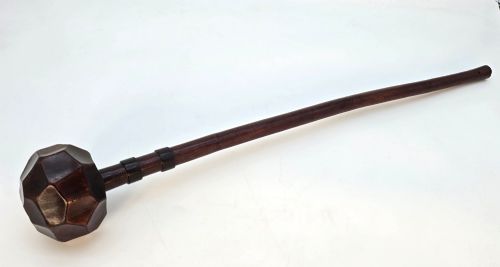
- Knobkerrie
- A traditional Southern African wooden club featuring a heavy ball or knob at the striking end. This form served as both a hunting implement and a close-quarters weapon.
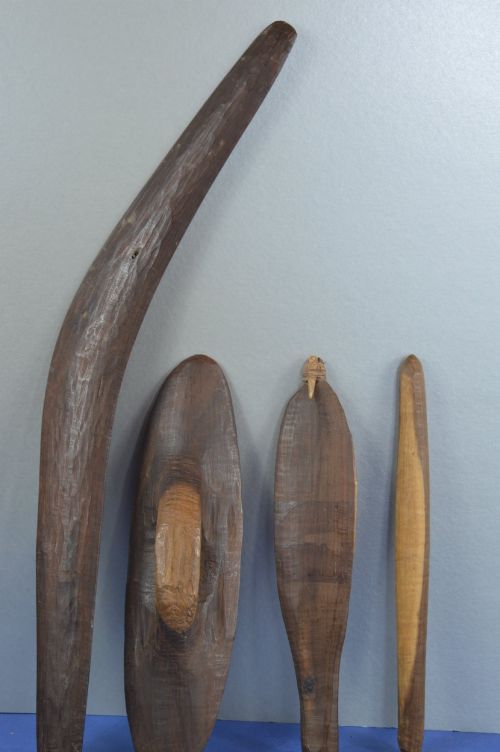
- Woomera
- An Australian Aboriginal spear-thrower that acts as an extension of the arm to increase the velocity and range of a thrown spear. These items often double as carrying vessels or fire-starting tools.
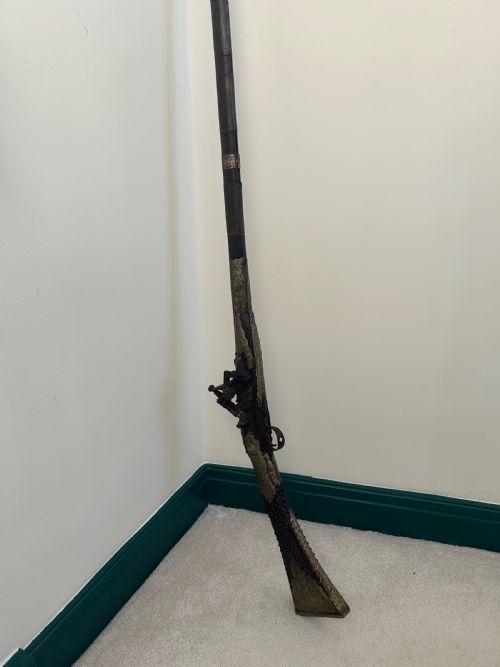
- Jezail
- A type of muzzle-loading flintlock or matchlock firearm used across the Middle East, South Asia, and North Africa. They are characterised by distinctive curved wooden stocks.
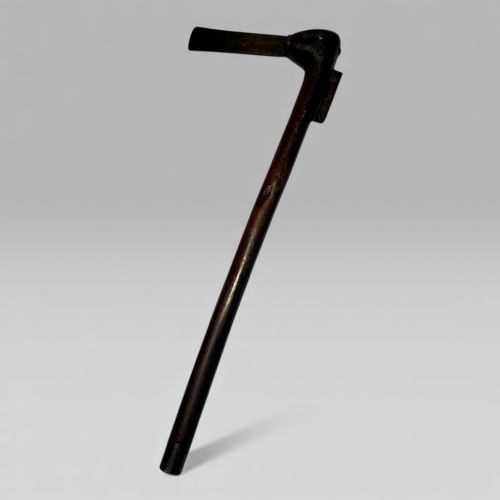
- Pipe Tomahawk
- A North American implement combining a smoking pipe bowl with a hatchet blade. These objects held both practical utility and diplomatic or ceremonial significance.
Dark Wood Tribal Weapon: Frequently Asked Questions
What materials make up a dark wood tribal weapon?
These artefacts consist primarily of dense native hardwoods selected for durability and weight. Many examples also integrate forged iron, steel, brass components, and plant fibre bindings.
Makers combined these elements using traditional carving and metalworking techniques suited to the specific cultural region of origin.
How do I identify a nineteenth century piece?
Nineteenth century examples display hand-carved tool marks, natural wear patterns, and period-appropriate metallurgy on fitted components. Material patination and construction methods offer reliable indicators of age.
Comparing the specific form and regional style against documented indigenous artefacts helps verify the chronological period.
Were these items used for combat?
Many objects in this category served practical roles in warfare, hunting, and tribal defence. Examples include throwing clubs, war clubs, spears, and fighting axes designed for direct physical engagement.
Other pieces fulfilled purely ceremonial or status functions within their societies, despite sharing similar physical forms.
How should I care for wooden tribal artefacts?
Maintain stable indoor humidity levels and avoid direct sunlight to prevent the timber from drying out or splitting. Keep original surfaces clean without applying modern varnishes or oils that alter the patina.
Secure heavier items safely to protect both the wooden shafts and any integrated metal or fibre attachments.