


19th Century Tile
A 19th century tile brings rich colour and hand-painted detail into modern rooms, offering durable ceramic art that anchors a room with historic character.
19th Century Tile
When searching for a 19th century tile, collectors encounter diverse forms ranging from individual decorative wall plaques to architectural elements and functional surfaces.
The selections span English Victorian works, French designs, Dutch Delft examples, and Persian glazed pottery, reflecting global output during the period.
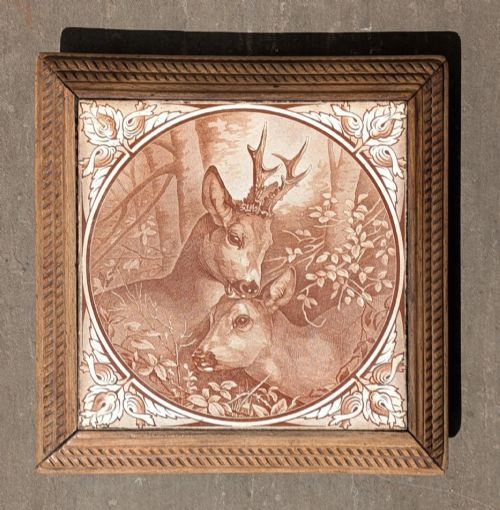
Many specimens arrive mounted in wooden frames, integrated into furniture such as occasional tables and jardinieres, or grouped in framed sets for display.
Materials and construction
Maker workshops utilised ceramic, glazed earthenware, porcelain, and terracotta, shaping them into flat slabs or moulded architectural roof ornaments.
Surface decoration involved hand-painting, transfer printing, and lithographic techniques under lustrous glaze finishes that preserved pigment vibrancy over generations.
A whimsical dog and monkey sharing space on a dated tile bring an unexpected smile from the nineteenth century.
Assessing quality
Visual distinction rests upon the clarity of the painted or printed motif, whether depicting flora, fauna, or figurative scenes.
Integrity of the glaze and the preservation of the original body ceramic separate standard utility items from premier artistic examples.
Minton·Minton and Hollins·George Cartlidge·C. Ravier·KPM
The 19th Century Tile Glossary
- Delft
- Glazed earthenware originating from the Netherlands, typically decorated in blue and white pigments.
- Earthenware
- Porous pottery fired at lower temperatures, requiring a vitreous glaze to achieve water resistance.
- Faience
- European tin-glazed earthenware decorated with opaque colours over a white background glaze.
- Pietra dura
- Inlaid work utilising polished cut stones such as marble to create pictorial designs.
- Glaze
- A glassy coating fused to ceramic bodies through high-temperature kiln firing for protection and sheen.
19th Century Tile: Frequently Asked Questions
How were these tiles used originally?
Makers produced these ceramics for architectural installation in fireplaces, walls, and tabletops, as well as standalone decorative panels.
Over time, many of these elements found new purpose mounted in custom wooden frames or integrated into portable furnishings.
How do I clean a glazed tile?
Dusting gently with a dry or slightly damp cloth preserves the historic glaze without introducing moisture to vulnerable edges.
Harsh chemical detergents and abrasive scrubbers damage the fragile historic surfaces and must be avoided entirely.
Are framed tiles secure for hanging?
Securing structural mounts to the supporting wooden frame rather than the ceramic body ensures safe wall display.
Checking that the backing and brackets match the weight of the piece prevents accidental slips.
How do I distinguish English Victorian examples?
British pieces often incorporate aesthetic movement motifs, botanical studies, or maker stamps from prominent potteries.
Stylistic markers align closely with the Arts and Crafts philosophy popular during the late Victorian era.
Can I identify Persian tiles?
Persian examples from this era frequently display vibrant turquoise glazes, bird motifs, or Qajar figurative paintings.
The underlying ceramic body and pigment characteristics distinguish them from European earthenware.