


19th Century Teacup Trio
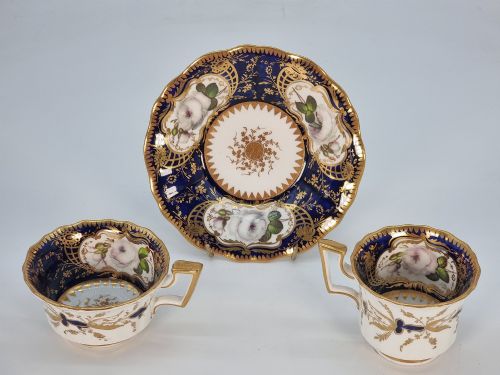
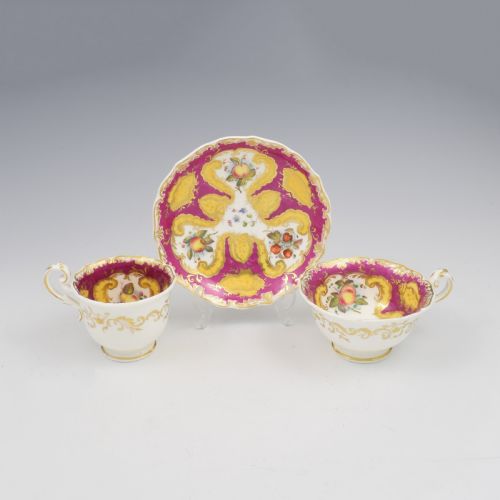
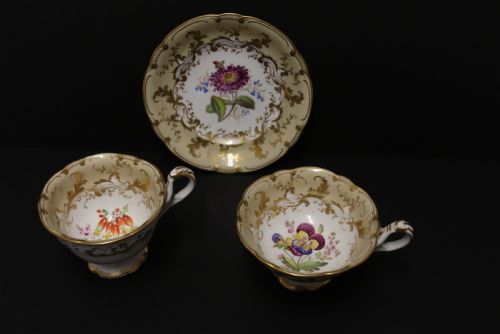
These 19th century teacup trio sets bring Regency and Victorian elegance to the table, offering collectors matching cups, coffee cups, and saucers.
19th Century Teacup Trio
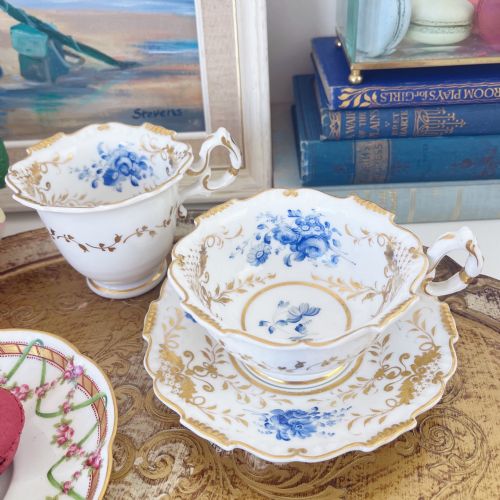
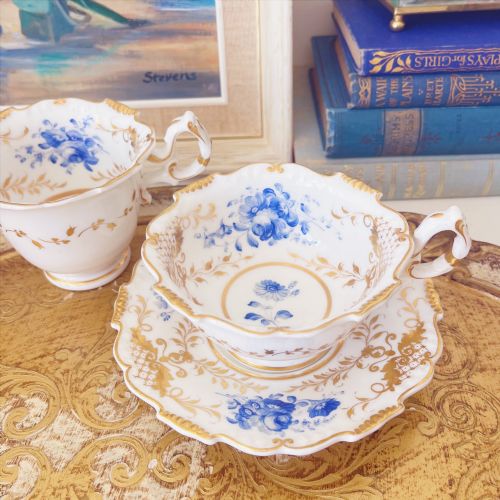
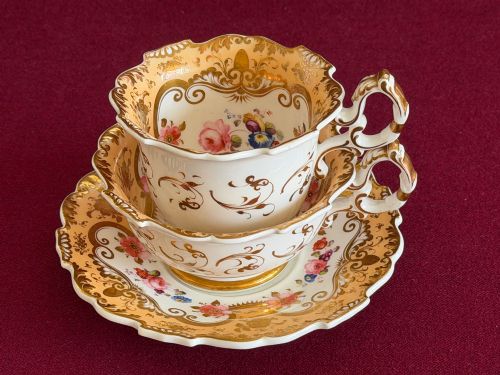
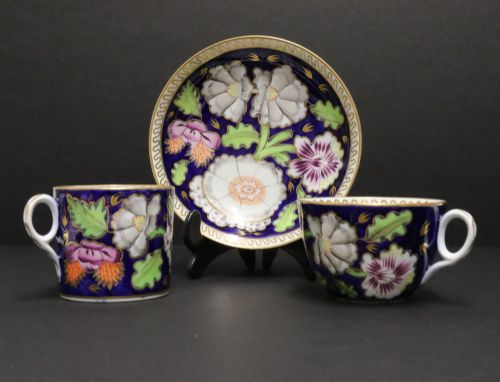
A 19th century teacup trio consists of a matching teacup, coffee cup, and saucer, designed to serve both hot beverages during formal gatherings. These matched sets represent the pinnacle of British porcelain production from the Regency and Victorian eras.
Buyers browsing this selection will most frequently encounter fine porcelain and bone china sets originating from notable English factories. The forms range from cabinet trios intended for display to robust tea and coffee service components.
The periods represented stretch across the 19th century, featuring distinct stylistic shifts from the refined elegance of Regency designs to later Victorian motifs. Each piece reflects the domestic rituals and social standing of the households that originally commissioned them.
Materials and production methods
Makers utilised porcelain and bone china as the primary body materials, shaping them into specialised forms for tea and coffee consumption. These ceramic bases provided a durable yet delicate canvas for intricate decoration.
Artisans applied handpainted details, enamel glazes, and rich gold leaf gilding to embellish the surface of each cup and saucer. The combination of painted enamel and raised gilding defines the decorative vocabulary of the period.
Listings feature porcelain and bone china items spanning the Regency and Victorian styles, decorated with gold leaf, enamel glaze, and handpainted motifs.
Distinctions in quality
The refinement of the porcelain paste and the precision of the handpainted decoration set the finer pieces apart from standard factory output. Superior examples display meticulous brushwork and balanced potting.
The application and preservation of gold gilding and enamel glaze dictate the overall visual impact and finish of a set. Well-preserved gilding without excessive rubbing elevates the desirability of any cabinet trio.
H and R Daniel·Newhall·Coalport·Derby·Davenport·Minton·Spode
The 19th Century Teacup Trio Glossary
- Trio
- A matched set comprising a teacup, a coffee cup, and a saucer. This combination allowed Victorian and Regency hosts to serve different hot drinks from a coordinated service.
- Bone china
- A type of soft-paste porcelain containing bone ash, developed in England to create a strong, translucent ceramic body. It forms the base of many fine 19th-century sets.
- Gilding
- The application of gold leaf or gold paint to ceramic surfaces for decorative effect. It outlines rims, handles, and painted scenes.
- Enamel glaze
- A vitreous composition fused to the ceramic body through firing, providing smooth, colourful surface decoration. It protects the handpainted details underneath.
19th Century Teacup Trio: Frequently Asked Questions
What is a 19th century teacup trio?
A 19th century teacup trio is a matching breakfast or tea set consisting of a teacup, a coffee cup, and a saucer. These three pieces were produced together in porcelain or bone china to allow a host to serve multiple hot drinks in a unified style.
Such sets became popular during the Regency period and continued into the Victorian era. They are prized today for their coordinated handpainted patterns and delicate manufacture.
How were teacup trios used?
These sets were utilised in polite society for morning tea or formal afternoon gatherings. The inclusion of both a teacup and a taller coffee cup accommodated different beverage preferences during formal hospitality.
Many of the finer examples served as cabinet pieces, displayed in parlours to demonstrate the host's refined taste and financial standing. They bridge the gap between functional tableware and decorative art.
How do I care for antique porcelain?
Antique porcelain requires gentle hand washing in warm water with mild soap, avoiding dishwashers and harsh abrasive sponges. The delicate enamel glazes and gold gilding can easily wear away if subjected to harsh cleaning methods.
Store the pieces securely on stable surfaces, keeping cups unstacked or protected with soft dividers to prevent rim chipping. Proper handling ensures the fragile ceramic bodies survive for future generations.
How can I tell Regency from Victorian pieces?
Regency teacups often feature classical shapes, crisp white porcelain bodies, and restrained floral or geometric handpainted motifs. The forms tend to draw inspiration from ancient Greek and Roman ceramics.
Victorian pieces frequently display bolder colours, heavier gilding, and more exuberant floral or pictorial compositions. Examining the specific shape and style helps assign a piece to its correct decade within the nineteenth century.