




19th Century Tea Urn
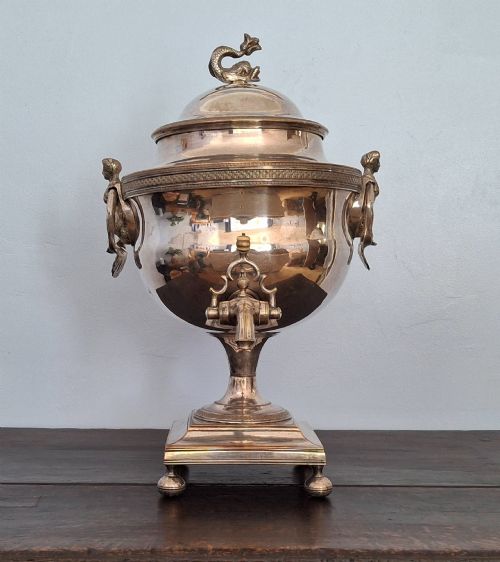
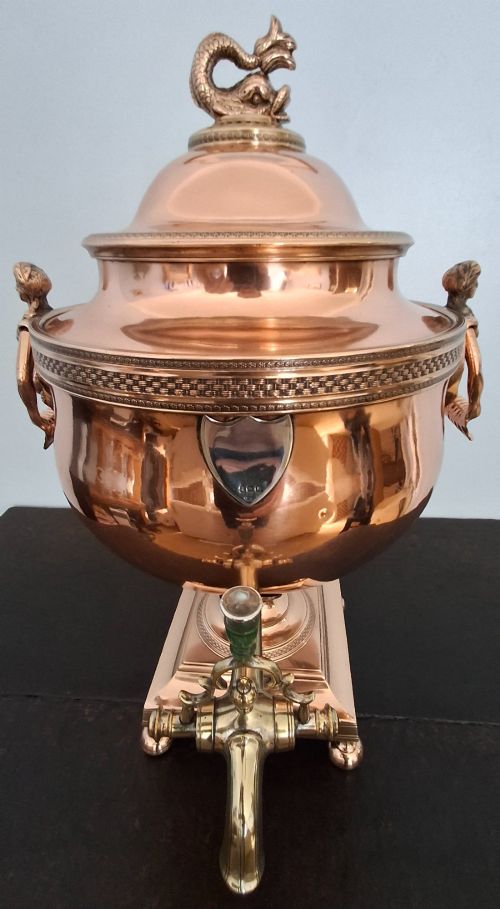
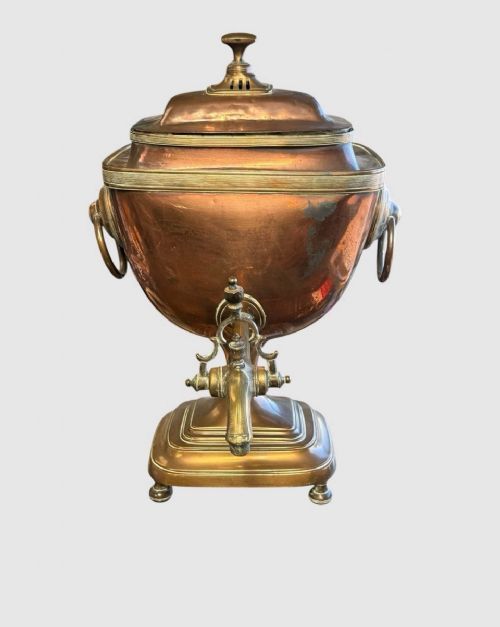
These nineteenth century tea urn vessels and samovars offer grand decorative presence and historical charm for any period interior.
19th Century Tea Urn
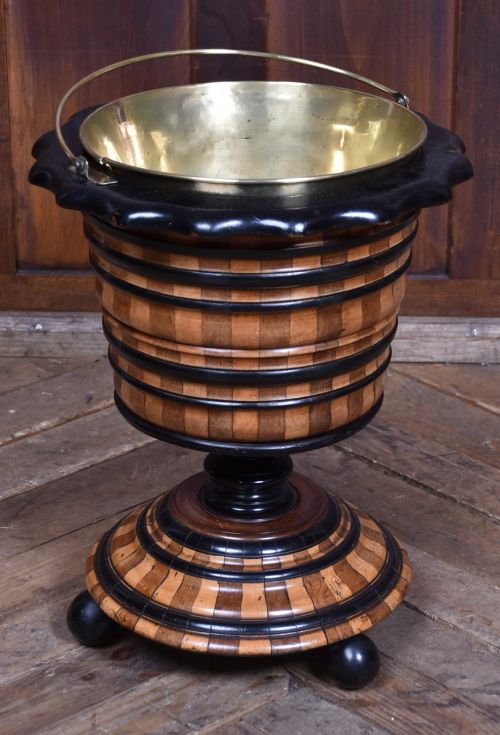
A nineteenth century tea urn serves as a prominent vessel designed for heating and dispensing water during formal social gatherings. The selection centres primarily on Victorian copper and brass samovars alongside earlier Regency bronzed copper examples and Dutch teestoofs.
Beyond standard samovars, the inventory includes related accessories such as spirit kettles on stands, coffee biggins, and occasional furniture pieces like mahogany or satinwood kettle stands. These items reflect the elaborate hospitality rituals of the period.
Most pieces date from the Victorian era, though earlier Regency designs and Dutch variations appear regularly. Buyers encounter diverse forms ranging from vase shaped silver plated vessels to robust copper containers fitted with brass taps.
Materials and construction
Construction involved skilled metalworking techniques such as hand beating, riveting, and casting handles, spigots, and feet from brass or bone. Wooden elements frequently incorporated detailed painting, cane work, or bone inlay to complement the metallic bodies.
19th Century Tea Urn Retail Price Guide 2026
Typical asking prices for 19th century tea urn among the pieces listed under this phrase on Sellingantiques today, from the lower quarter to the upper quarter. They describe what is for sale here now, not the wider market.
Judging quality in these vessels
Superior examples display crisp casting detail on handles and tap handles, alongside balanced proportions and substantial metal weight. Lesser pieces show simplified mounts, thinner gauge metals, or replacement spigots that disturb the original silhouette.
The integration of secondary materials like bone, ebonised wood, or intricate wooden stands elevates a piece from a utilitarian container to a high status decorative object. Maker attribution, such as work by Paul Storr or Risler and Carré Paris, further separates exceptional items from standard production.
Paul Storr·Risler and Carré Paris
The 19th Century Tea Urn Glossary
- Teestoof
- A traditional Dutch foot warmer or small stove designed to hold hot embers beneath a ceramic or metal liner. These items kept tea pots warm during cold weather.
- Spirit kettle
- A portable kettle mounted on a metal stand above a small alcohol burner. These allowed hosts to maintain boiling water continuously at the tea table.
- Coffee biggin
- A tall coffee pot fitted with an internal fabric or metal strainer basket for brewing. They often appeared on dedicated silver stands during the nineteenth century.
- Bronzed copper
- Copper treated with a chemical finish to simulate a darker bronze patina. This treatment was favoured during the Regency period for formal decorative vessels.
19th Century Tea Urn: Frequently Asked Questions
How do I clean a copper samovar?
Maintenance requires gentle cleaning with appropriate metal polishes to preserve the historical patina without stripping the surface metal. Avoid harsh abrasives that can damage engraved details or soldered joints.
Regular dusting and occasional application of protective wax help maintain the appearance of both the metal body and any attached wooden stands.
Can I still use these urns for tea?
Most antique metal urns and samovars serve primarily as decorative display pieces rather than functional kitchen appliances. Over time, internal linings and seals degrade.
Using them for heating water is generally discouraged unless a professional restoration specialist has certified the internal plumbing and taps as safe.
What is the difference between an urn and a samovar?
A standard tea urn typically holds pre-heated water dispensed via a front tap for hospitality use. A samovar traditionally incorporates an internal heating chimney or pipe.
Both terms often overlap in nineteenth century descriptions, but the presence of internal heating elements usually distinguishes a true samovar.
Where were these pieces placed in a home?
These vessels occupied prominent positions on side tables, tea tables, or dedicated kettle stands within drawing rooms and dining parlours. They acted as centrepieces for formal afternoon hospitality.
Companion furniture like mahogany or satinwood stands supported the heavier metal containers during service.