


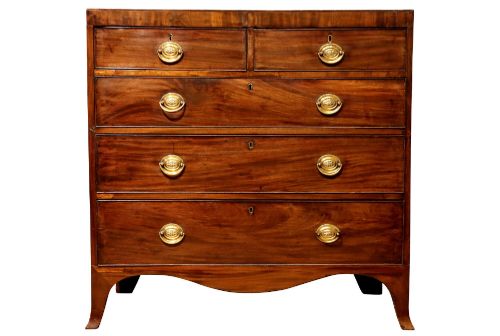
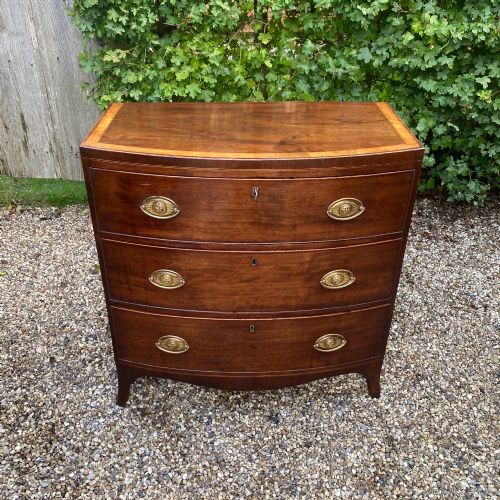
19th Century Tallboy Drawers
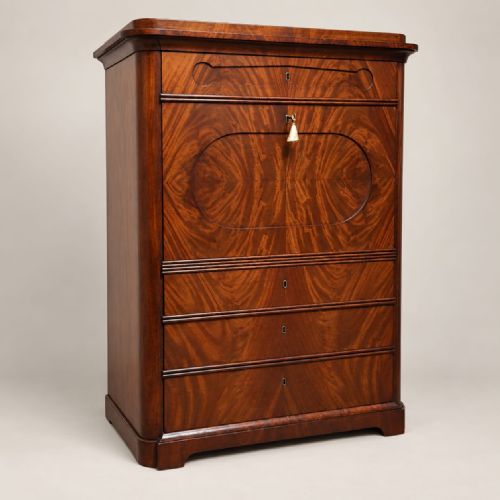
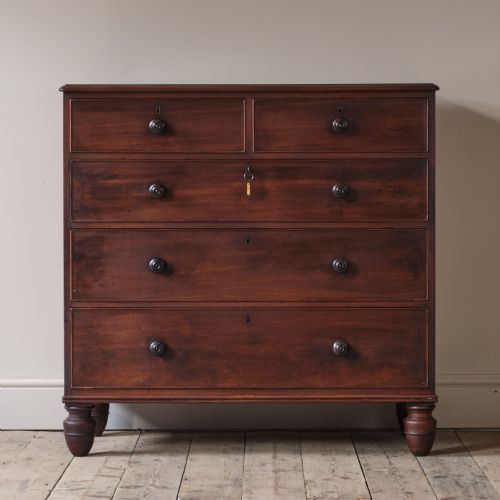
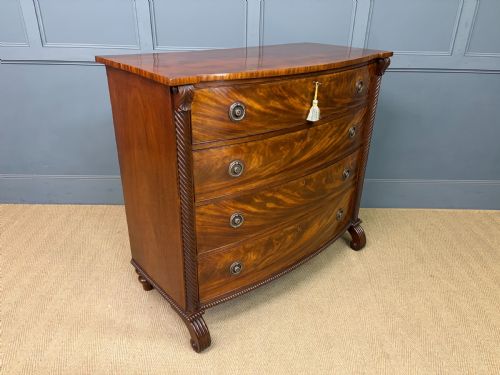
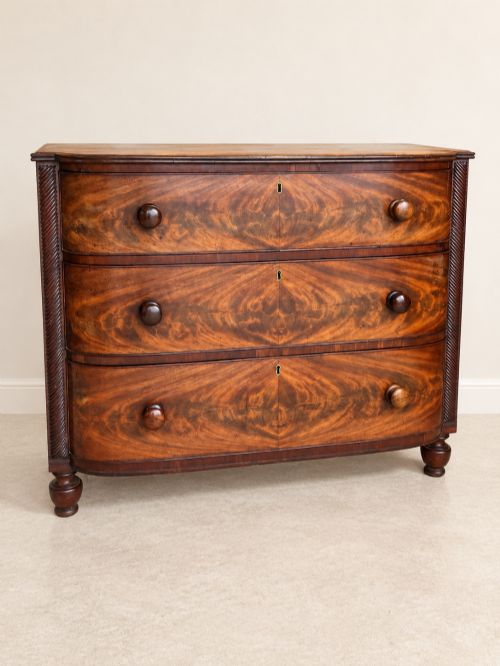
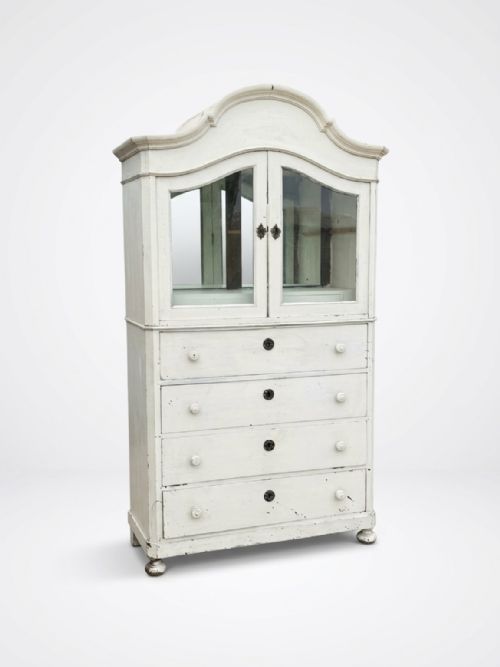
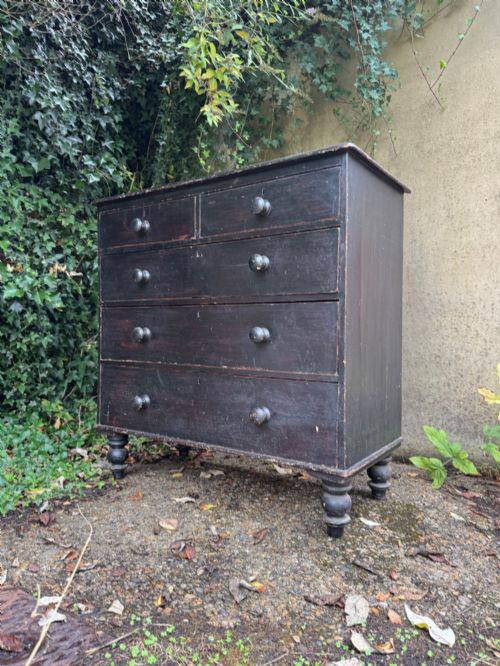
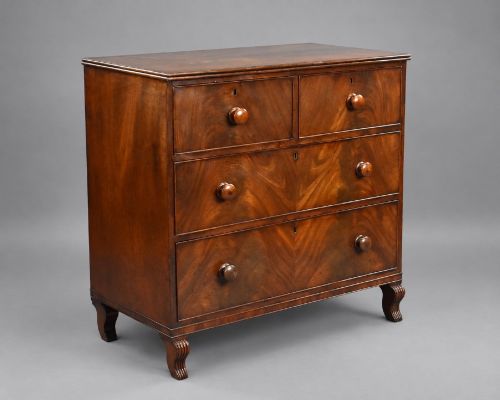
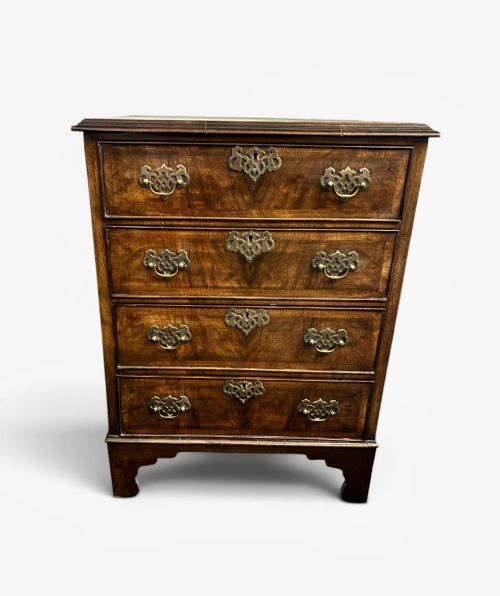
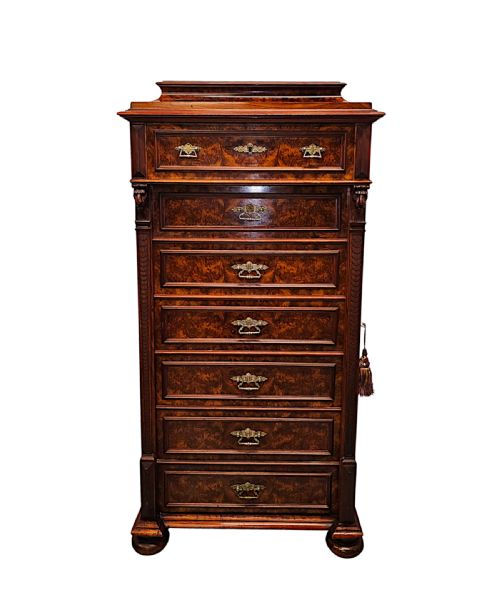
These 19th century tallboy drawers bring vertical storage and rich timber grains to a room, offering substantial capacity without taking up excessive floor space.
19th Century Tallboy Drawers
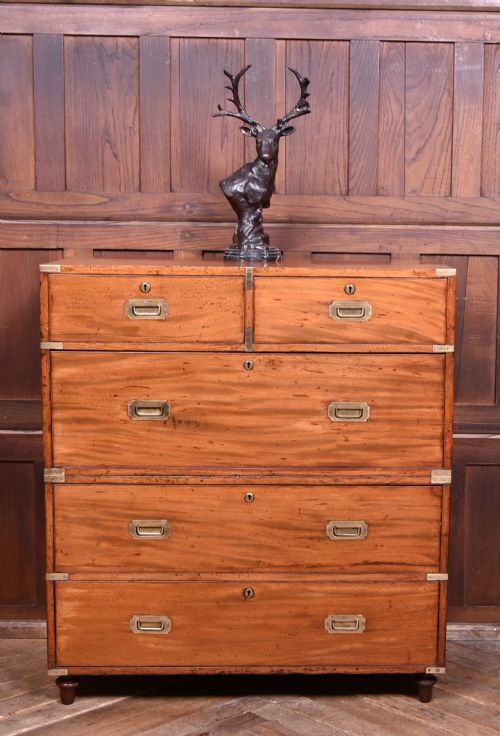
When you search for 19th century tallboy drawers, you encounter tall chests, Wellington chests, linen presses and seminal upright cabinets spanning the Georgian, Regency and Victorian eras. These pieces provide stacked drawer storage that rises higher than a standard chest, often combining smaller top drawers with deeper lower tiers.
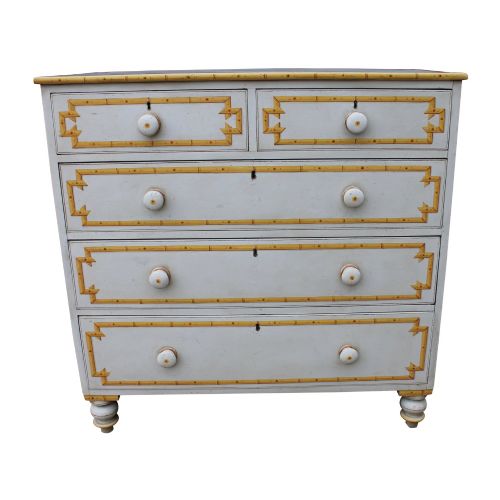
The versions most frequently met on this page are mahogany and pine chests from the Victorian and Regency periods, alongside specialised forms like Wellington chests and linen presses. Many pieces exhibit regional variations, such as Scottish Scotch chests or Swedish country cabinets, bringing distinct proportions and timber selections to domestic interiors.
Materials and construction methods
Cabinet makers constructed these upright pieces primarily from solid mahogany, pine and oak, frequently applying flame mahogany veneer, satinwood or burr walnut to drawer fronts and primary surfaces. Timber selection dictated the visual weight of the furniture, ranging from dark figured hardwoods to scrubbed or painted pine country pieces.
Joinery techniques relied on dovetailed drawer construction and tongue and groove paneling, ensuring structural rigidity across tall carcasses. Brass hardware, bone escutcheons and specialised locking mechanisms, particularly on Wellington chests, were integrated to secure valuables and linens.
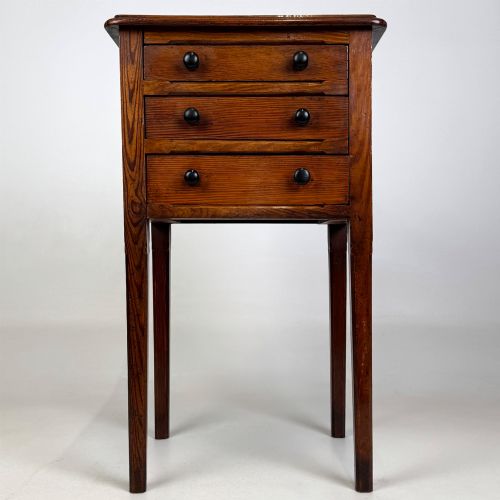
Miniature apprentice pieces appear alongside massive linen presses, proving that tall storage came in all scales.
What distinguishes the finest examples
Quality reveals itself in the choice of timber veneer and the precision of the cabinet work, particularly in how book-matched flame mahogany or burr walnut wraps continuously across the drawer fronts. Finer pieces demonstrate careful attention to internal secondary woods, drawer linings and the subtlety of edge mouldings.
Proportion and restrained decoration separate standard utility furniture from exceptional cabinet work, where details like faux bamboo turning, satinwood stringing or candle sconce mounts are executed with balance. The integrity of the original hardware and the smooth operation of deep, multi-tiered drawers indicate superior workshop origin.
T G Seddon·Gillows·Maison Krieger
The 19th Century Tallboy Drawers Glossary
- Tallboy
- A tall chest of drawers, often constructed in two sections with a smaller set of drawers stacked atop a larger base chest.
- Wellington Chest
- A tall, narrow chest featuring a hinged locking stile on one side that secures all the drawers simultaneously.
- Linen Press
- A tall cabinet enclosing sliding trays or shelves in the upper section, positioned above a base of wider drawers.
- Bow Front
- A convex curved cabinet front that projects outward in the centre, popular during the Regency and Georgian periods.
- Satinwood
- A lustrous, fine-grained yellowish timber utilised for banding, stringing and decorative inlay work on elite case pieces.
19th Century Tallboy Drawers: Frequently Asked Questions
How do I date a tallboy?
Dating relies on identifying timber choices, construction methods like hand-cut dovetails, and stylistic markers such as Regency bow fronts or Victorian pine carcasses.
Comparing hardware styles and secondary woods inside the drawers provides further confirmation of the period of manufacture.
Where were tallboys placed?
These upright pieces served primarily in bedrooms and dressing rooms to store linens, clothing, and personal accessories.
Their vertical footprint allowed households to maximise storage capacity without sacrificing floor space in smaller chambers.
What is a Wellington chest?
A Wellington chest is a narrow, tall drawer unit distinguished by a hinged locking bar down one side that holds the drawers shut.
This locking mechanism was designed to secure private papers and valuables safely within a compact footprint.
How do I maintain wood surfaces?
Keep these timber cabinets away from direct sunlight and abrupt changes in temperature to prevent the veneers from drying out or splitting.
Applying a traditional beeswax polish periodically helps nourish the mahogany, walnut, or pine surfaces and preserves the natural lustre.