


Vintage Specimen Chest
A vintage specimen chest gathers small, precise drawers for natural history, pharmacy, and domestic use.
Vintage Specimen Chest
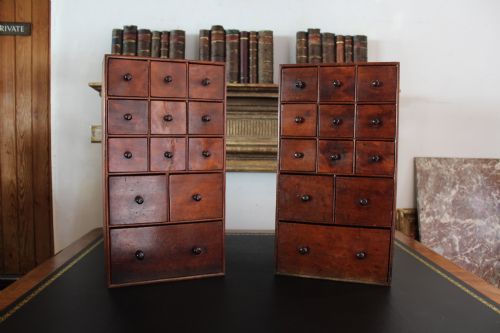
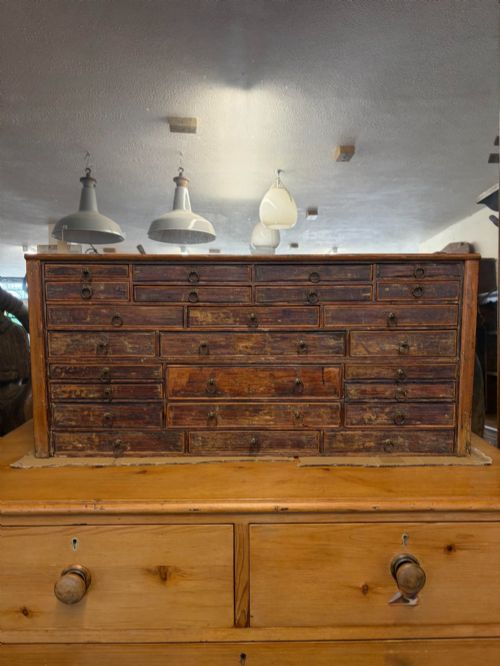
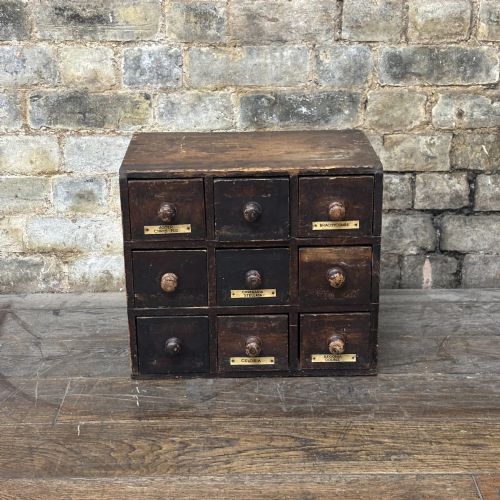
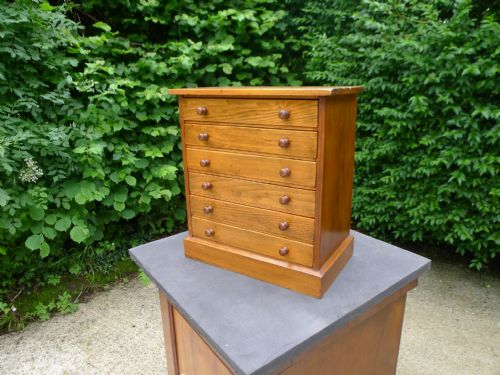
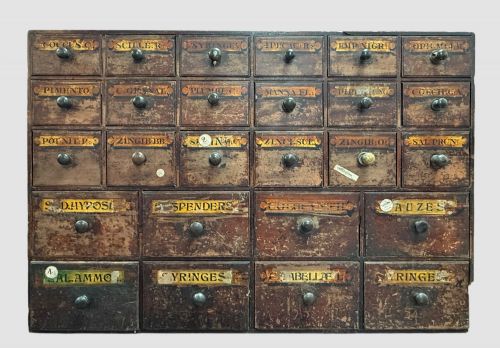
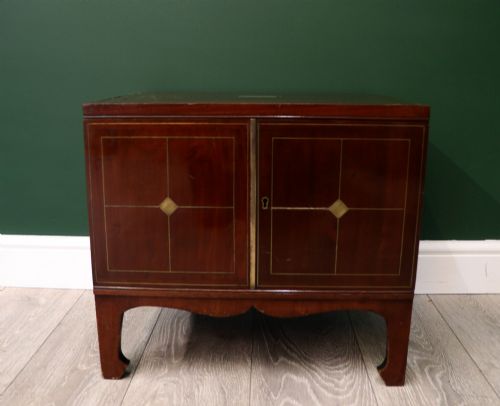
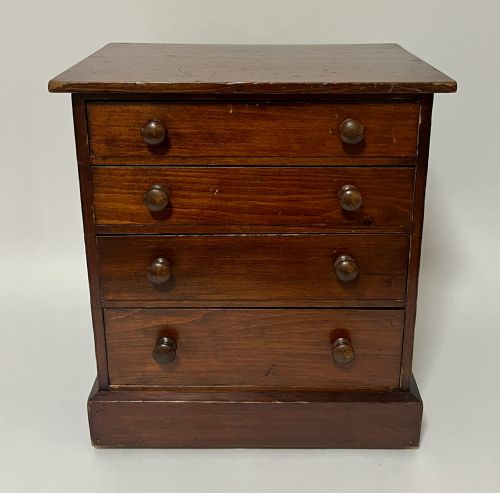
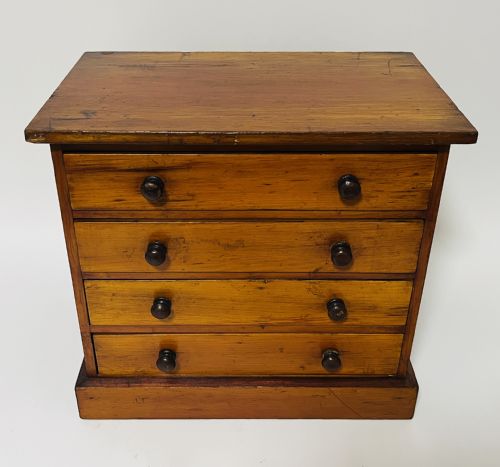
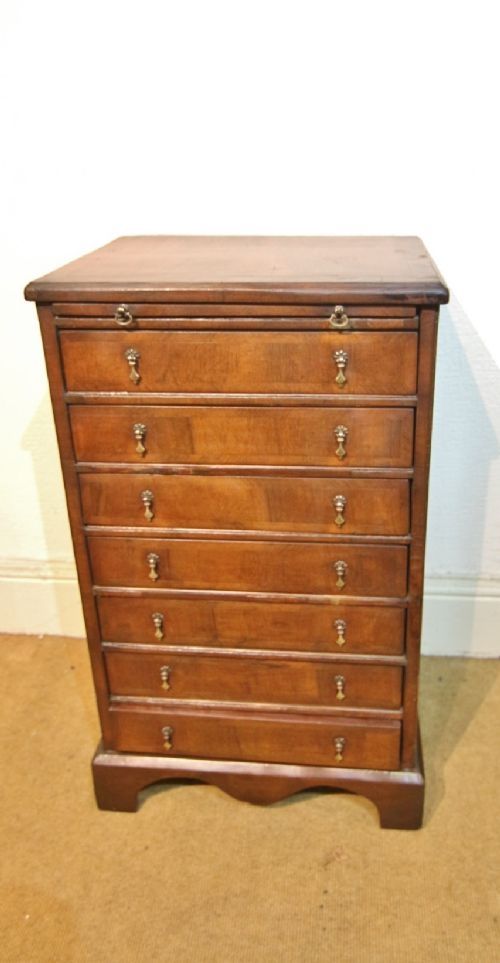
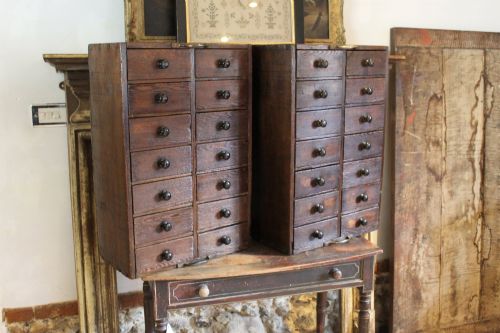
A vintage specimen chest serves to house botanical, geological, or medical items in numerous shallow drawers. Buyers searching this phrase encounter multi-drawer banks, tabletop cabinets, and miniature chests from the Georgian, Victorian, and Edwardian eras.
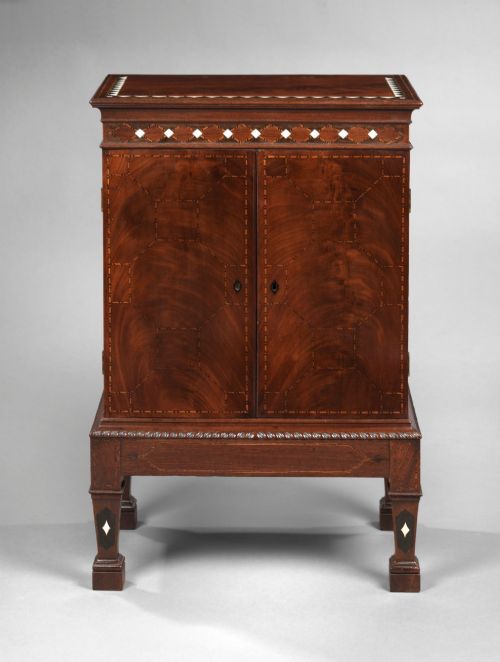
The format varies from utilitarian apothecary units and dentist cabinets to finely polished mahogany collector cabinets. Many examples originate from workshops and makers specialising in scientific or domestic storage.
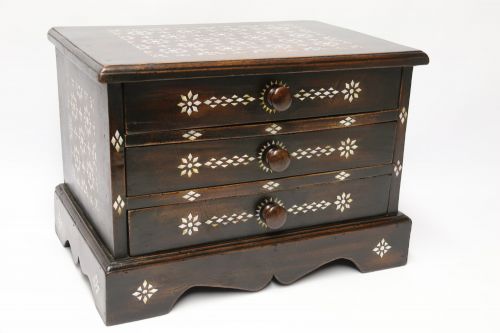
Regional and stylistic diversity appears through Anglo-Indian hardwoods, teak variants, and Arts and Crafts pine pieces. These cabinets function effectively as storage for small collections or statement furniture in a study.
How they were made
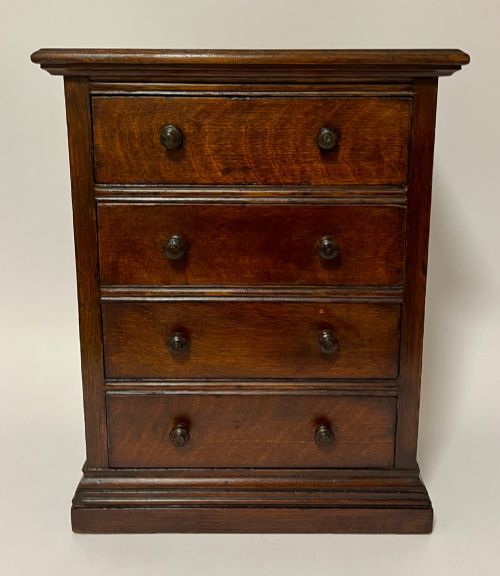
Cabinet makers utilised dense timbers such as mahogany, oak, walnut, and teak alongside deal and pine carcases. Brass hardware, including flush campaign handles and escutcheons, frequently secures the exterior.
Joinery techniques focus on multi-drawer banks with precise runners to support heavy loads of glass slides, seeds, or minerals. Interiors often feature stained finishes, satinwood accents, or exposed hardwood grains.
Some specimen chests preserve microscopic traces of Victorian pollen and seeds wedged firmly in the corners of ancient drawer bases.
What varies in quality
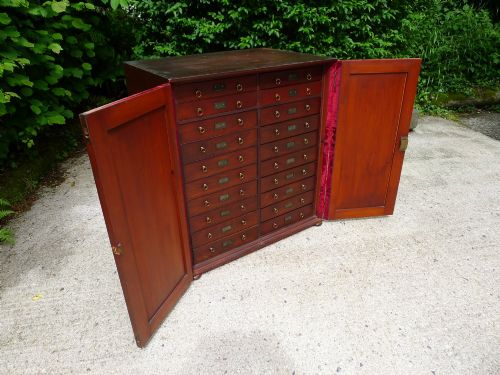
The distinction between standard utility storage and high-end cabinets lies in timber selection and drawer density. Solid mahogany and burr walnut constructions with numerous uniform drawers represent the upper tier of execution.
Maker attribution and specialised function elevate certain pieces, such as microscope slide cabinets or signed institutional banks. Subtle details like brass inlay, fitted keys, and sound structural joinery distinguish superior workshops.
Luxmore's of Ilfracombe·Brady of Edmonton·D Napier & Sons·Charles William Schofield
The Vintage Specimen Chest Glossary
- Apothecary chest
- A multi-drawer cabinet originally designed to hold medicinal herbs, pills, and apothecary jars. These units often feature numerous small compartments.
- Collectors cabinet
- A specialised piece of furniture built with shallow drawers to store natural history specimens, coins, or geological samples. They frequently include locking doors.
- Wellington chest
- A tall, narrow chest of drawers secured by a hinged locking stile on one side. This design originated in the 19th century for secure document or specimen storage.
- Campaign style
- Furniture constructed for portability, characterised by recessed brass handles and reinforced corners. These pieces were built for travel during the 19th century.
- Deal
- A term used in historical joinery for softwoods such as pine or fir. It appears frequently in the construction of utilitarian chests and drawer banks.
Vintage Specimen Chest: Frequently Asked Questions
What fits inside a specimen chest?
These cabinets suit the storage of small items like geological samples, seeds, microscope slides, and stationery. The shallow drawers protect delicate contents while keeping them sorted.
Collectors utilise the numerous drawers to organise distinct categories of objects. The compartments prevent items from shifting during handling.
How do I date an antique cabinet?
Dating relies on timber choices, construction methods, and hardware styles associated with Georgian, Victorian, or Edwardian periods. Secondary woods and drawer dovetails offer further clues.
Maker stamps or labels on the carcase can confirm the workshop origin. Stylistic markers such as brass inlay or panel configuration help narrow the decade of production.
Where were multi drawer cabinets used?
Original locations included pharmacies, dentists' surgeries, botanical shops, and private studies. Institutions and tradesmen relied on them for daily organisation.
Many units transitioned from commercial workrooms into domestic settings as collectors' display furniture. Their robust build ensured survival across multiple generations.
Are these cabinets secure?
Many examples feature locking doors or locking side stiles designed to protect contents. Original keys occasionally accompany the piece.
The secure mechanisms originally safeguarded valuable specimens, medicinal compounds, or delicate slides. This made them suitable for private studies and laboratories.