
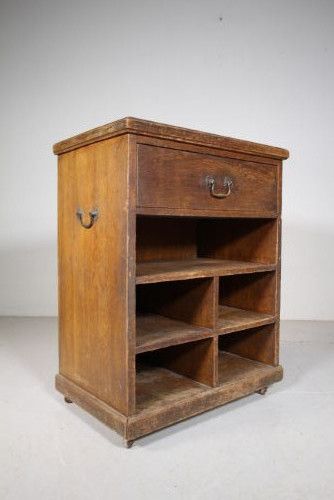
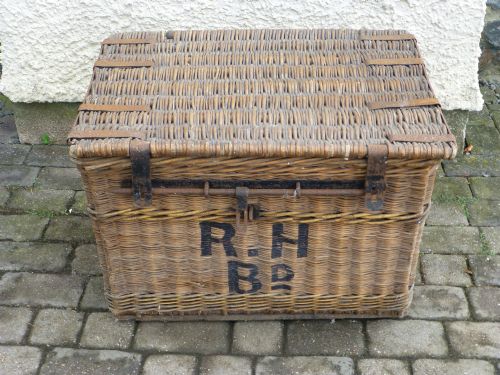
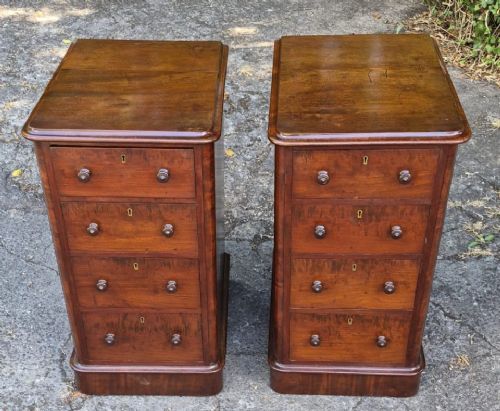
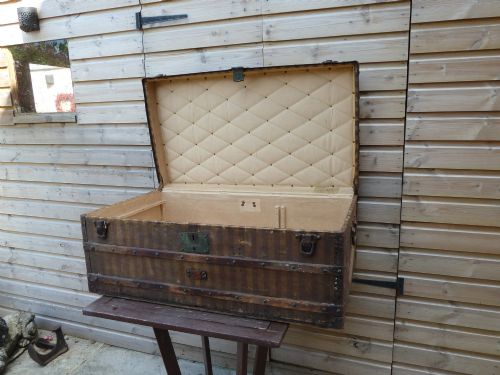
19th Century Table Chest
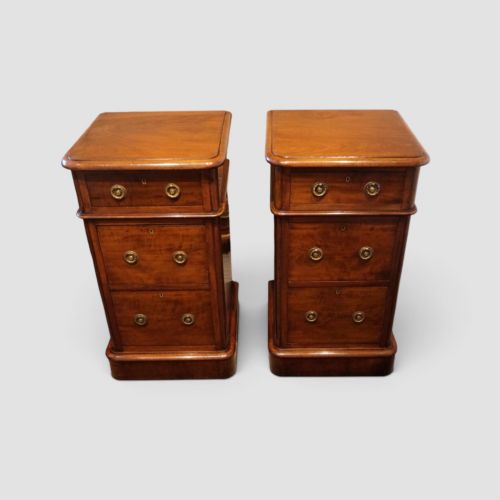
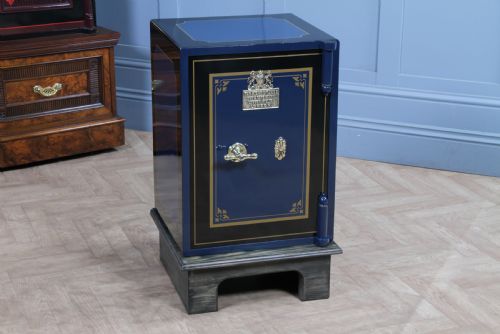
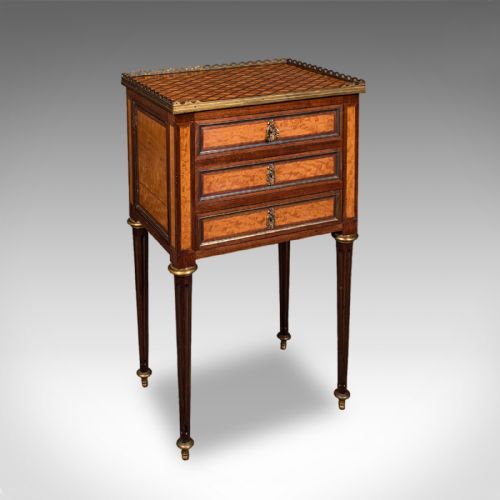
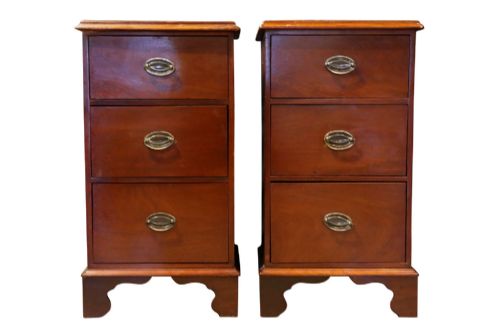
A 19th century table chest brings compact, organised storage and rich timber grain to a surface, offering period craftsmanship suited to intimate spaces.
19th Century Table Chest
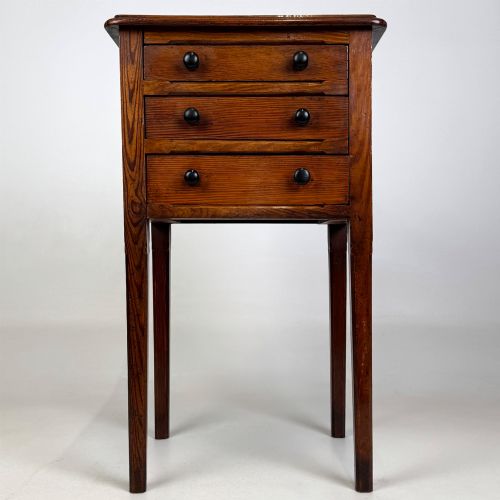
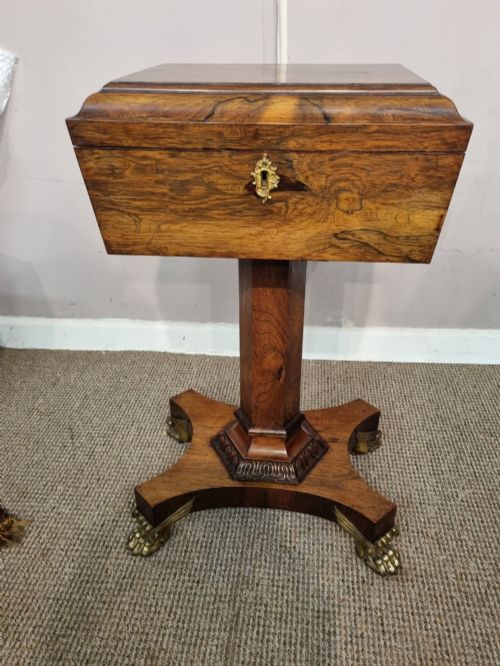
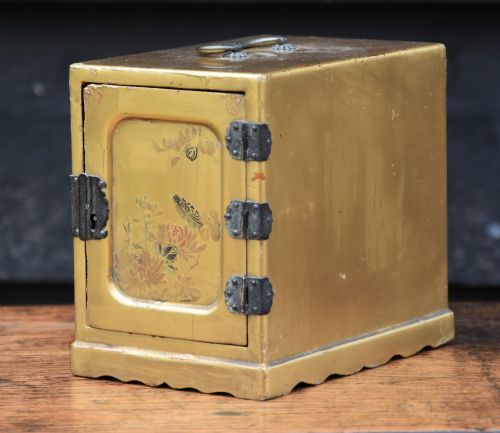
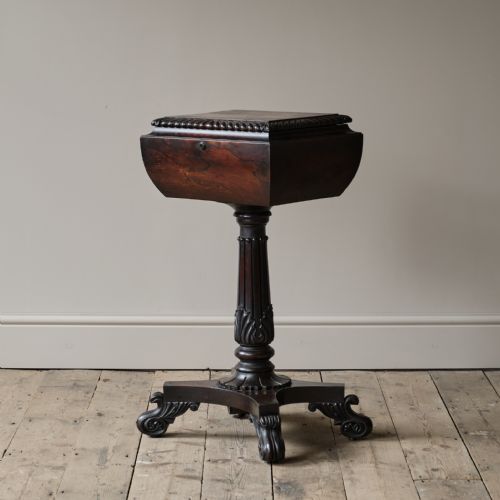
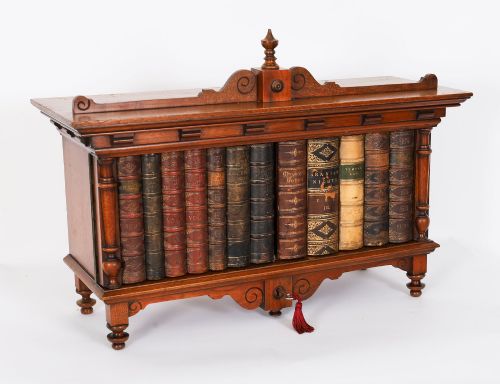
A 19th century table chest encompasses small-scale storage pieces designed to sit on top of furniture rather than stand directly on the floor. These compact items include miniature chests of drawers, table-top collectors' cabinets, and specialised boxes such as teapoys.
The pieces emerge from the 19th century and Victorian periods, often taking the form of scaled-down drawers or lidded compartments fashioned for personal valuables, specimens, or tea. Their small stature made them portable or suited for dressing tables and sideboards.
Makers utilised various domestic and exotic timbers during this era, yielding rich grain patterns across different regional styles. Buyers encounter both British mahogany and walnut examples alongside continental variations.
How they were made
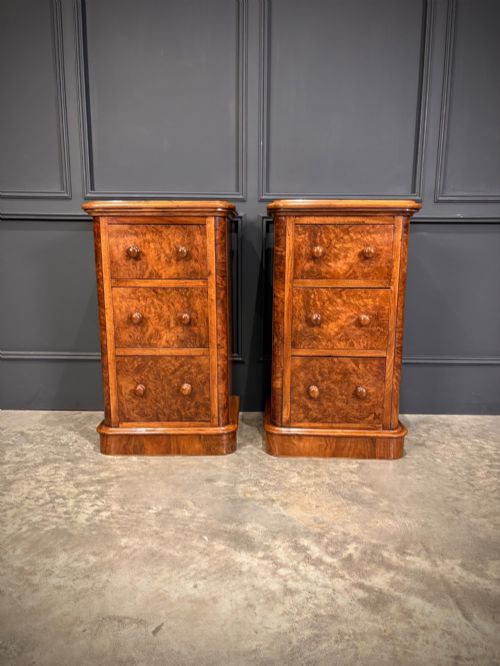
Craftsmen built these chests using solid hardwoods like mahogany, walnut, and pine, frequently applying decorative veneers such as burr walnut or kingwood to visible surfaces. Joints were hand-cut with dovetails on drawer construction, ensuring durability for daily use.
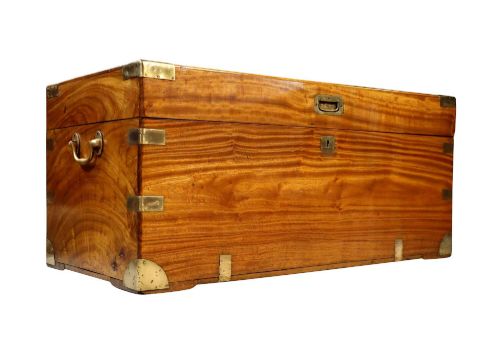
Metal fittings played a practical and decorative role, with brass handles, campaign-style corner brackets, and ormolu mounts securing the edges and corners. Interiors often featured compartments lined with velvet or silk for delicate contents.
Listings feature woods including mahogany, walnut, burr walnut, camphor wood, and pine, alongside brass hardware and marble tops.
What varies in quality
Quality rests in the precision of the timber selection and the integrity of the secondary woods used for drawer linings and carcases. Finer examples display symmetrical veneer matching and tight, hand-cut joinery that resists shifting over time.
The refinement of hardware and internal fittings distinguishes standard pieces from superior examples. Original working locks, finely cast brass mounts, and intact interior partitions elevate a piece.
E. Kahn
The 19th Century Table Chest Glossary
- Teapoy
- A small box or chest mounted on a stand, originally designed to hold different varieties of loose tea leaves. They often feature internal lidded canisters and mixing bowls.
- Collectors Cabinet
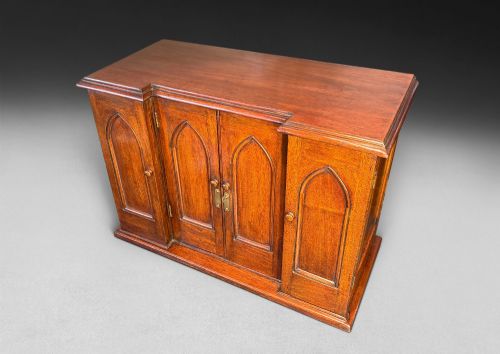
- A small piece of furniture fitted with multiple shallow drawers designed for storing natural history specimens, coins, or jewellery. These frequently feature locking panel doors.
- Camphor Wood
- An aromatic timber frequently utilised in 19th century campaign furniture and chests due to its insect-repellent properties. It displays a distinct grain and characteristic scent.
- Burr Walnut
- A highly decorative wood veneer harvested from the warted growths on walnut trees. It yields intricate, swirling patterns prized by 19th century cabinet makers.
- Ormolu
- Gilded bronze mounts cast and chased to ornament the corners, feet, and key escutcheons of fine furniture. It was heavily favoured in French revival pieces.
19th Century Table Chest: Frequently Asked Questions
What were table chests used for originally?
These small chests served multiple domestic purposes, acting as secure receptacles for letters, jewellery, tea, or natural history specimens. Their compact size kept precious items organised and close at hand in a drawing room or study.
Over time, owners repurposed them as decorative surface pieces or specialised storage for modern collections. Their versatility ensured they remained practical across changing interior fashions.
How do I care for a walnut or mahogany chest?
Protect the timber by placing the chest away from direct heat sources and strong sunlight, which can dry out and fade the polish. Dust regularly with a soft, dry cloth rather than using silicone-based sprays.
Feed the wood periodically with a traditional wax to maintain the moisture and lustre of the grain. This preserves the surface without building up excessive residue.
Are campaign style chests different from standard ones?
Campaign chests and table boxes feature inset brass handles, reinforced corners, and flush hardware designed for easy transport by travellers or military officers. Their construction prioritises durability and space-saving portability.
Standard domestic pieces rely on projecting brass pulls and more delicate decorative mouldings that would snag during travel. The presence of recessed hardware immediately identifies the campaign origin.
How can I tell a Victorian piece from a Regency one?
Regency pieces generally date from the early part of the century, displaying cleaner classical lines, rosewood or straight-grained mahogany, and restrained brass ornament. Their proportions often reflect Georgian architectural influences.
Victorian pieces from the mid to late 19th century frequently embrace heavier proportions, darker walnut timbers, and more exuberant revival decoration. Regional variations and specific wood types help narrow down the decade of manufacture.