


Desktop Collector Drawer Unit
A desktop collector drawer unit organises small treasures and specimens close to hand, offering neat timber compartments designed for the serious enthusiast or orderly desk.
Desktop Collector Drawer Unit
A desktop collector drawer unit brings together compact storage forms including miniature furniture, small storage cabinets, collector chests, filing cabinets, and specimen cabinets designed for tabletop use. These pieces surface across the Victorian and Edwardian eras, alongside pieces from 1900, 1910, 1920, 1930, and the nineteenth century.
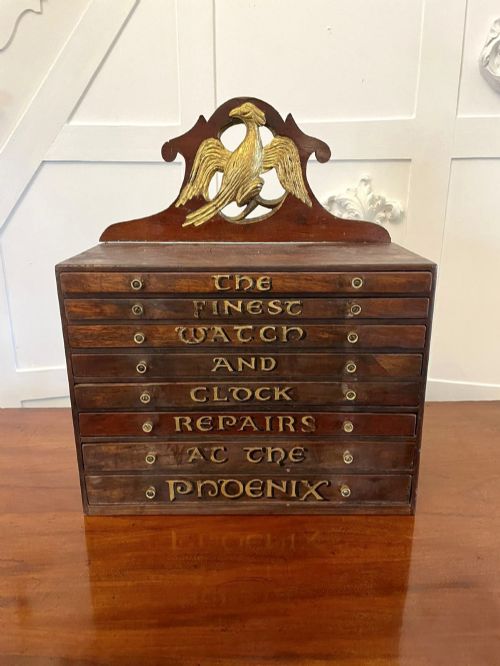
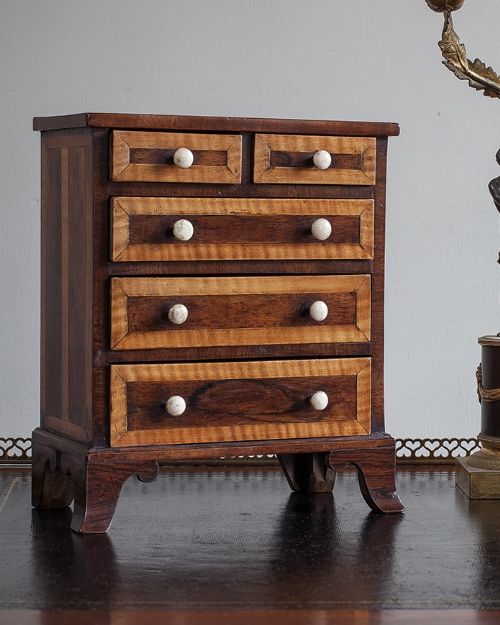
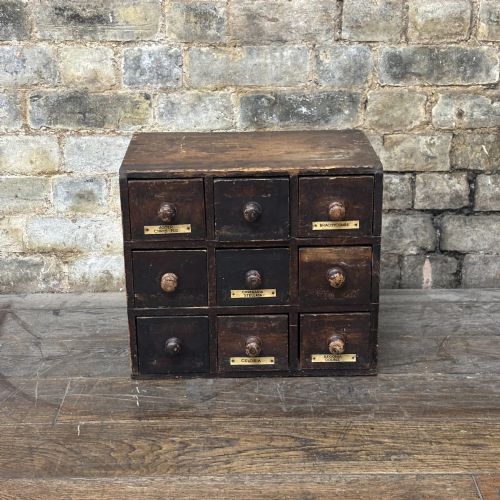
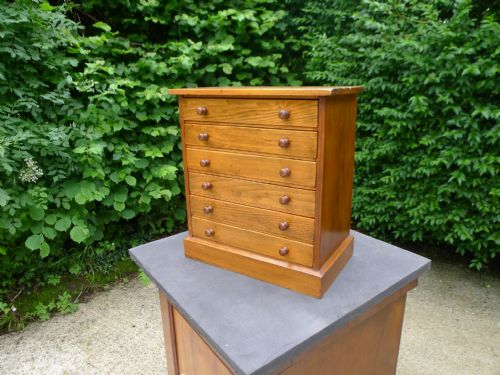
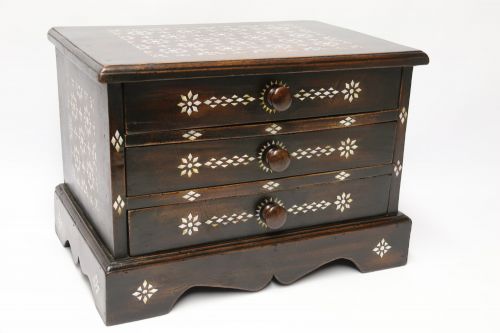
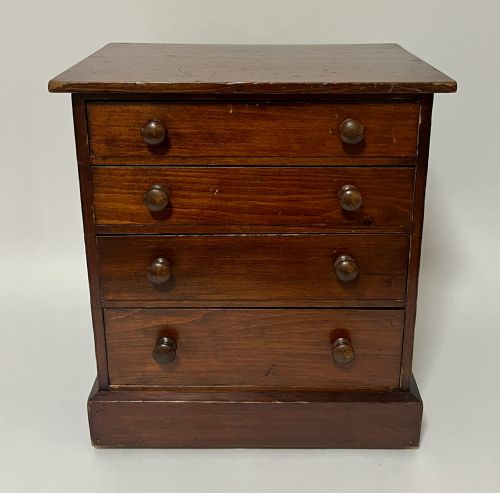
Buyers will encounter varied utilitarian and decorative formats, from modest trade seed chests and watchmaker workstations to six-drawer satin walnut cabinets and inlaid hardwood Anglo-Indian designs. Smaller apprentice chests, trinket storage boxes, and walnut table cabinets represent typical smaller forms found on the surface.
Originating largely from English workshops alongside Anglo-Indian traditions, these tabletop pieces serve practical sorting functions while displaying period timber character. The selection reflects working furniture adapted for domestic studies, shops, and specialised trades.
Materials and construction methods
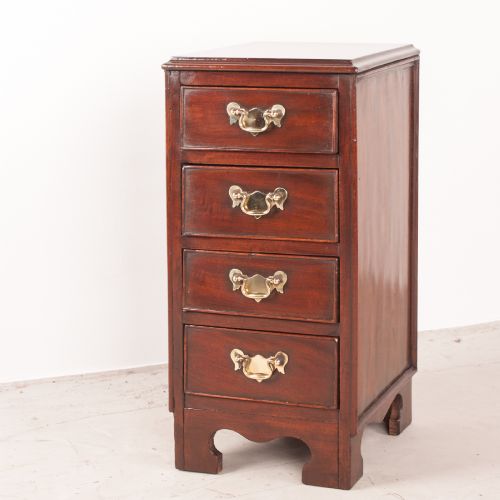
Cabinet makers utilised a range of domestic and exotic timbers such as mahogany, oak, walnut, satin walnut, pine, deal, and hardwood. These woods were chosen for stability and finished with brass hardware including drawer pulls and campaign handles.
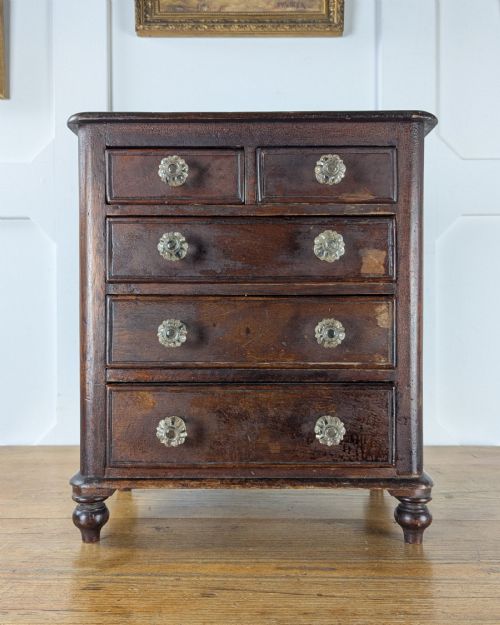
Construction techniques involve traditional joinery suited to miniature and tabletop scales, frequently featuring turned feet, flush panel sides, and occasionally decorative inlays. Surfaces range from stained pine and deal to polished high-grain hardwoods suited to display.
The inventory spans the Victorian and Edwardian periods, alongside pieces dated to 1900, 1910, 1920, and 1930.
Distinctions in craftsmanship and finish
Quality rests in the choice of timber and the precision of the drawer fit, where dense hardwoods like walnut or figured mahogany command greater attention than utilitarian stained deal or pine. Superior examples display tighter dovetailing, well-matched wood grains, and intact original brass fittings rather than modern replacements.
The sophistication of the internal configuration also separates functional trade boxes from refined collector furniture, as seen in specialised watchmaker interiors, glass-fronted specimen displays, or intricate Anglo-Indian inlay work.
The Desktop Collector Drawer Unit Glossary
- Specimen cabinet
- A specialised housing unit with shallow drawers built for storing natural history items, coins, or geological samples. They protect delicate contents from dust and light.
- Anglo-Indian
- Descriptive of items made in India under British colonial rule, often combining traditional British furniture forms with local exotic timbers and intricate decorative inlays.
- Deal
- A general historical term for fir or pine timber used extensively in utilitarian cabinet making. It provides a pale, workable surface for secondary furniture components.
- Watchmaker's cabinet
- A specialised small-scale work chest fitted with numerous micro-drawers for holding delicate watch components and miniature tools. These units prioritise secure, compartmentalised sorting.
Desktop Collector Drawer Unit: Frequently Asked Questions
What were small collector cabinets originally used for?
These cabinets housed orderly collections of natural history specimens, coins, stamps, or seeds, keeping delicate items sorted and protected in a compact format.
Craftsmen and merchants also utilised them on desktops for trade samples, watch parts, and personal trinkets requiring secure compartmentalisation.
How do I date a Victorian specimen chest?
Dating relies on observing construction markers such as hand-cut dovetails, timber choices like solid mahogany or walnut, and period-specific brass hardware.
Victorian pieces frequently feature turned wooden feet, robust secondary pine linings, and distinct patination acquired through decades of handling.
Where should I place a table cabinet at home?
A desktop drawer unit sits comfortably on top of writing desks, sideboards, or console tables where its proportions remain visible and balanced.
Positioning them away from direct sunlight and strong heat sources protects historical timber finishes and prevents the wood from warping.
How do I maintain antique wood drawers?
Maintenance involves dusting with a soft dry cloth and occasionally feeding dry timber with appropriate wax polish to preserve the finish.
Avoid using modern liquid cleaners or harsh chemical sprays, which can strip historic patination and damage softer woods like deal or pine.