





19th Century Swedish Box
A 19th century Swedish box brings rustic utility and vibrant folk art colour to a modern interior through centuries-old craftsmanship.
19th Century Swedish Box
A 19th century swedish box encompasses various utilitarian and decorative containers shaped by Scandinavian country traditions. Buyers encounter everything from small table snuff boxes and salt boxes to larger marriage chests, strong boxes, and dome top coffers.
The most common examples on this page are hand painted pine storage boxes and strong boxes dating across the 1800s. These pieces often display regional folk art motifs or Gustavian influences adapted for everyday domestic life.
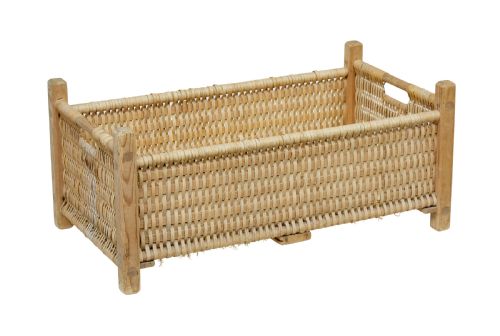
Beyond standard boxes, the selection extends to related forms such as dough bins, log baskets, mule trunks, and specialised bride tina boxes. Each object reflects the practical storage needs of historical Swedish homes.
Materials and construction
Makers relied primarily on native pine and occasionally oak, birch, or elm, shaped into sturdy joints and reinforced with wrought iron hardware. Many surfaces received applications of pigment and paint to protect the wood and provide a decorative finish.
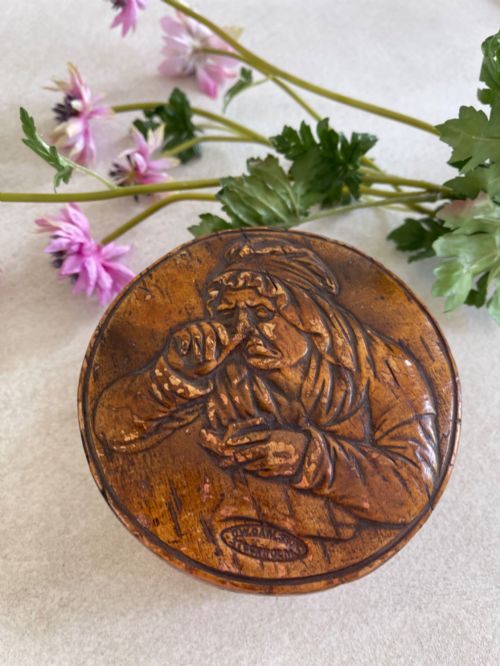
Techniques ranged from simple hand weaving for pine baskets to detailed relief carving on small birch snuffboxes. Larger storage pieces utilised solid timber planks joined securely to withstand heavy domestic use.
19th Century Swedish Box Retail Price Guide 2026
Typical asking prices for 19th century swedish box among the pieces listed under this phrase on Sellingantiques today, from the lower quarter to the upper quarter. They describe what is for sale here now, not the wider market.
Judging quality in these boxes
Quality rests heavily on the survival of original paint surfaces and the clarity of any hand painted decoration or folk art motifs. Pieces retaining their untouched historical pigments command greater attention than those with later repainting.
Structural integrity of the wooden joins, alongside the preservation of original wrought iron hinges and locks, separates finer examples from heavily altered or restored items.
The 19th Century Swedish Box Glossary
- Coffer
- A large wooden chest with a lid, traditionally used for storing valuables or textiles in the home. Many examples feature dome tops and heavy iron mounts.
- Strong box
- A robust storage container reinforced with iron straps and secure locking mechanisms for protecting important documents or currency. These items frequently display painted exterior finishes.
- Tina box
- A traditional Scandinavian bentwood or oval wooden box with overlapping sides, often given as a gift for weddings or betrothals. They typically display delicate hand painted exterior detailing.
- Snuff box
- A small pocket or tabletop container designed to hold powdered tobacco. Examples from this region often feature intricate relief carving or painted figural scenes.
- Gustavian
- A Swedish neoclassical design style originating in the late eighteenth century and influencing furnishings well into the nineteenth century. It is characterised by lighter colour palettes and restrained decorative carving.
19th Century Swedish Box: Frequently Asked Questions
What were these boxes used for?
These boxes served essential storage functions in nineteenth-century homes, holding textiles, dried goods, documents, or valuables. Smaller versions accommodated personal items like snuff or salt.
Larger variants acted as marriage chests or travel trunks for household belongings, reflecting the practical needs of rural life.
How do I care for original painted wood?
Keep painted wooden surfaces away from direct sunlight and stable temperature fluctuations to protect the historical pigments from fading or flaking. Avoid using modern chemical cleaners or polishes.
A dry microfiber cloth or soft brush gently removes dust without disturbing the fragile antique finish.
Are these pieces dated?
Certain storage chests and marriage boxes feature painted dates or inscriptions commemorating specific family events or unions. Other pieces rely on stylistic indicators and construction methods for dating.
Examination of the wood, paint layering, and ironwork helps place items within the nineteenth century.
How do I style a box at home?
These containers integrate easily into contemporary spaces as functional coffee table storage, bedside surfaces, or standalone decorative accents. Their painted folk art surfaces add texture and warmth to neutral interiors.
Larger chests function effectively at the foot of a bed for extra linens.