
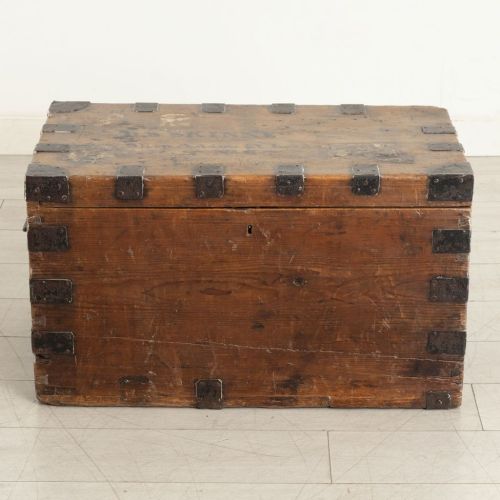
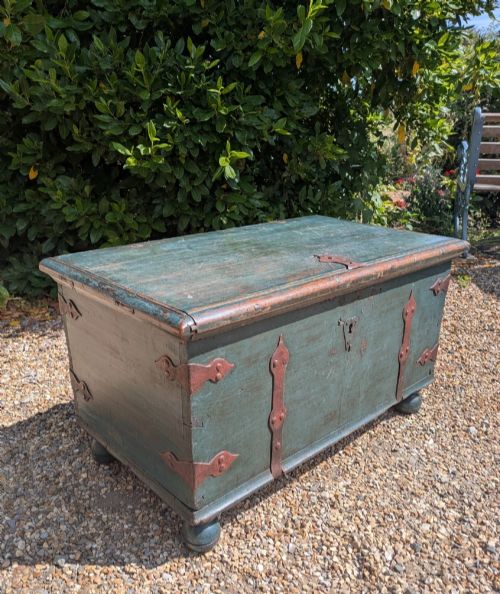
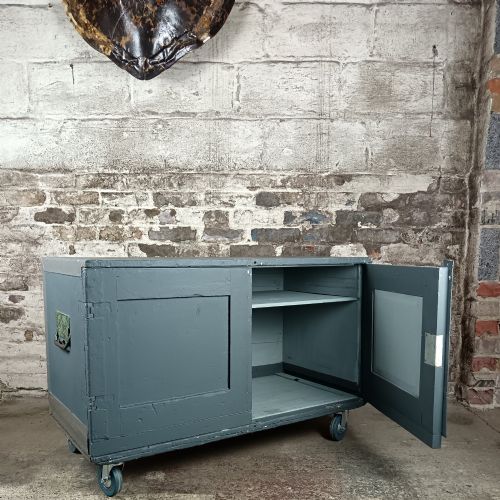
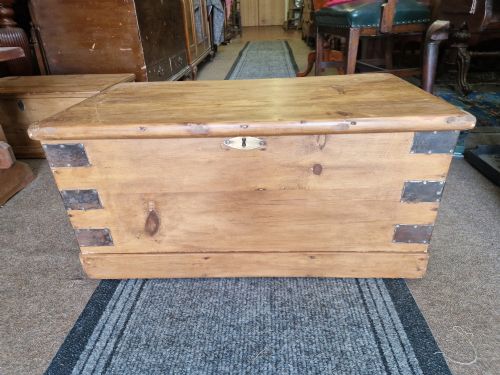
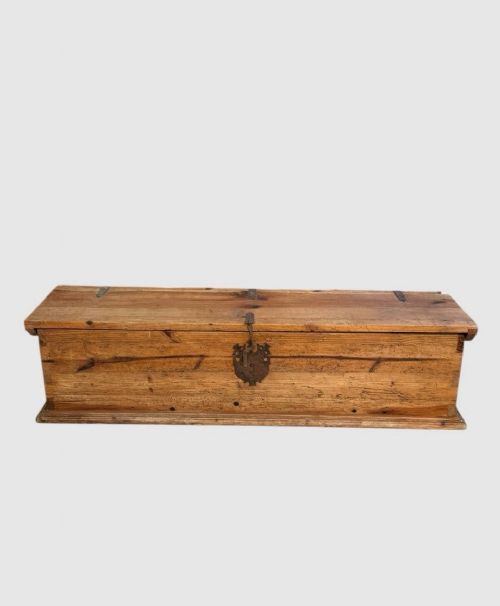
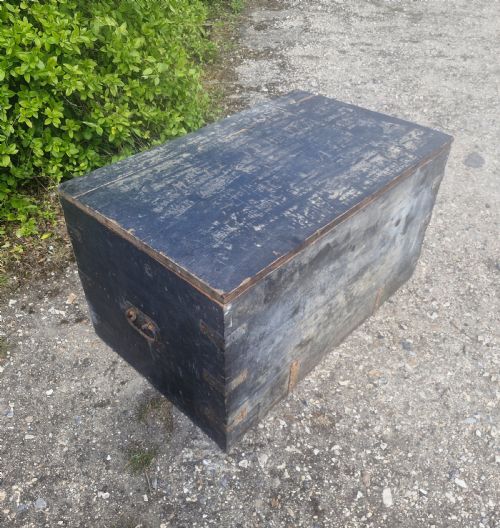

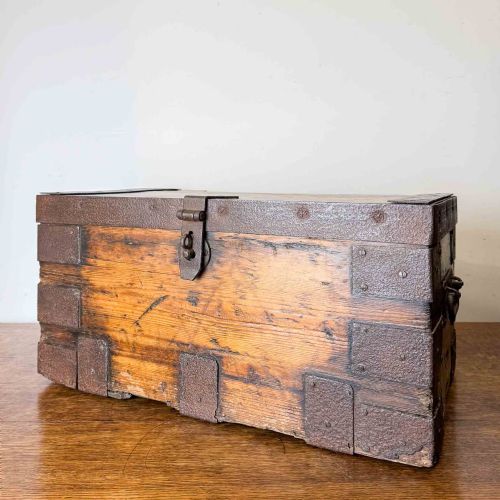


Iron Bound Pine Chest
An iron bound pine chest brings utilitarian strength and rustic character into a room, serving as a practical storage box built to endure centuries.
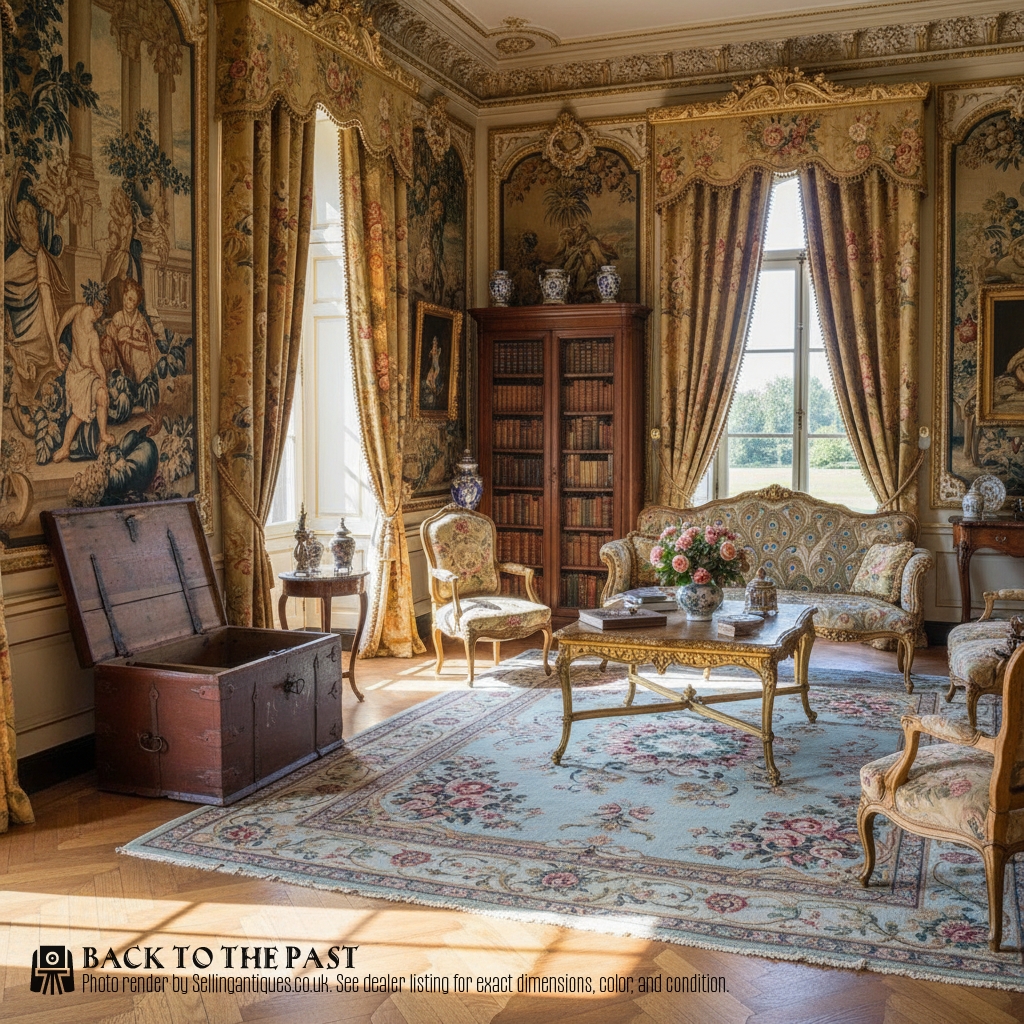
Iron Bound Pine Chest
An iron bound pine chest functions primarily as a heavy-duty receptacle for travel, blankets, or tools, emerging in forms ranging from military campaign trunks to Scandinavian marriage boxes.
The versions met most frequently on this page date from the nineteenth century, encompassing Victorian travel trunks alongside rustic painted examples from Sweden.
Builders constructed these pieces for utility, resulting in diverse configurations such as dome tops, flat-lidded storage boxes, and strongboxes reinforced with metal strapping.
Materials and Construction
Carpenters constructed the primary carcass using solid pine, occasionally incorporating elm or brass alongside the main timber body.
Blacksmiths and makers applied hand-forged iron strapwork, corner brackets, and bands to reinforce the wooden joints against heavy transport.
Surfaces frequently received layers of pigment or paint, particularly in Scandinavian folk art examples, while other trunks retained bare wood or leather elements.
Craftsmanship and Survival
Quality rests in the integrity of the original hardware and the degree of preservation in the painted or natural wood surfaces.
Pieces featuring hand-forged strapwork and robust dovetail joints demonstrate superior local craftsmanship compared to later, simpler utility boxes.
Survival of original locks, side lifting handles, and interior compartments elevates an example from a basic container to a notable artefact.
The Iron Bound Pine Chest Glossary
- Strapwork
- Metal bands fixed across the exterior of a box to reinforce the wood and protect corners during transit. Blacksmiths shaped these straps by hand on older examples.
- Strongbox
- A heavily secured chest designed for valuables or documents, typically featuring robust iron bindings and complex locking mechanisms.
- Campaign chest
- Portable furniture built in sections or durable packing cases for military officers on the move during active service.
- Folk art
- Decorative painting and carving traditions specific to regional rural communities, often seen on Scandinavian marriage boxes and storage chests.
- Dome top
- A curved lid construction designed to shed water during travel and provide extra vertical capacity inside the trunk.
Iron Bound Pine Chest: Frequently Asked Questions
How were iron bound pine chests used?
These chests served primarily for transporting personal belongings, military equipment, and household goods across land and sea. Their rugged construction protected contents from moisture and rough handling during travel.
In domestic settings, families used them as blanket boxes, tool trunks, or heavy storage repositories placed at the foot of beds or in hallways.
Where do painted pine chests originate?
A significant portion of the painted pine chests originates from Scandinavian countries like Sweden, where folk art traditions flourished on rural furniture. Local artisans decorated these boxes for weddings, betrothals, and general household storage.
English and Victorian examples tended to favour natural pine, military dark finishes, or utilitarian painted surfaces rather than elaborate folk motifs.
How do you date an antique pine chest?
Dating relies on observing construction methods, such as hand-cut dovetailing, forged iron strapwork styles, and historical documentation or inscriptions. Eighteenth-century and early nineteenth-century pieces often display hand-wrought nails and distinct regional paint decoration.
Later Victorian and late nineteenth-century trunks frequently incorporate machine-sawn timber and standardised iron fittings alongside factory-made hinges and working lever locks.
Can I use an antique chest as a coffee table?
Many people repurpose flat-topped pine trunks as coffee tables because their sturdy proportions and weathered surfaces suit rustic or country interiors. The interior storage space also provides a practical place to hide living room clutter.
When using a trunk this way, ensure the lid remains stable and consider placing a protective glass top if the historic painted finish requires shielding from daily use.
What is the difference between a trunk and a strongbox?
A trunk generally provided general storage or travel utility for clothing and textiles, featuring lighter wood and basic metal reinforcements. It was built for movement rather than absolute security.
A strongbox utilised thicker timber walls, extensive iron strapwork, and specialised locking systems to safeguard money, legal documents, or precious items against theft and fire.