
19th Century Staffordshire Ceramics
These 19th century staffordshire ceramics bring the robust charm of English potteries into your home through expressive figures and functional vessels.
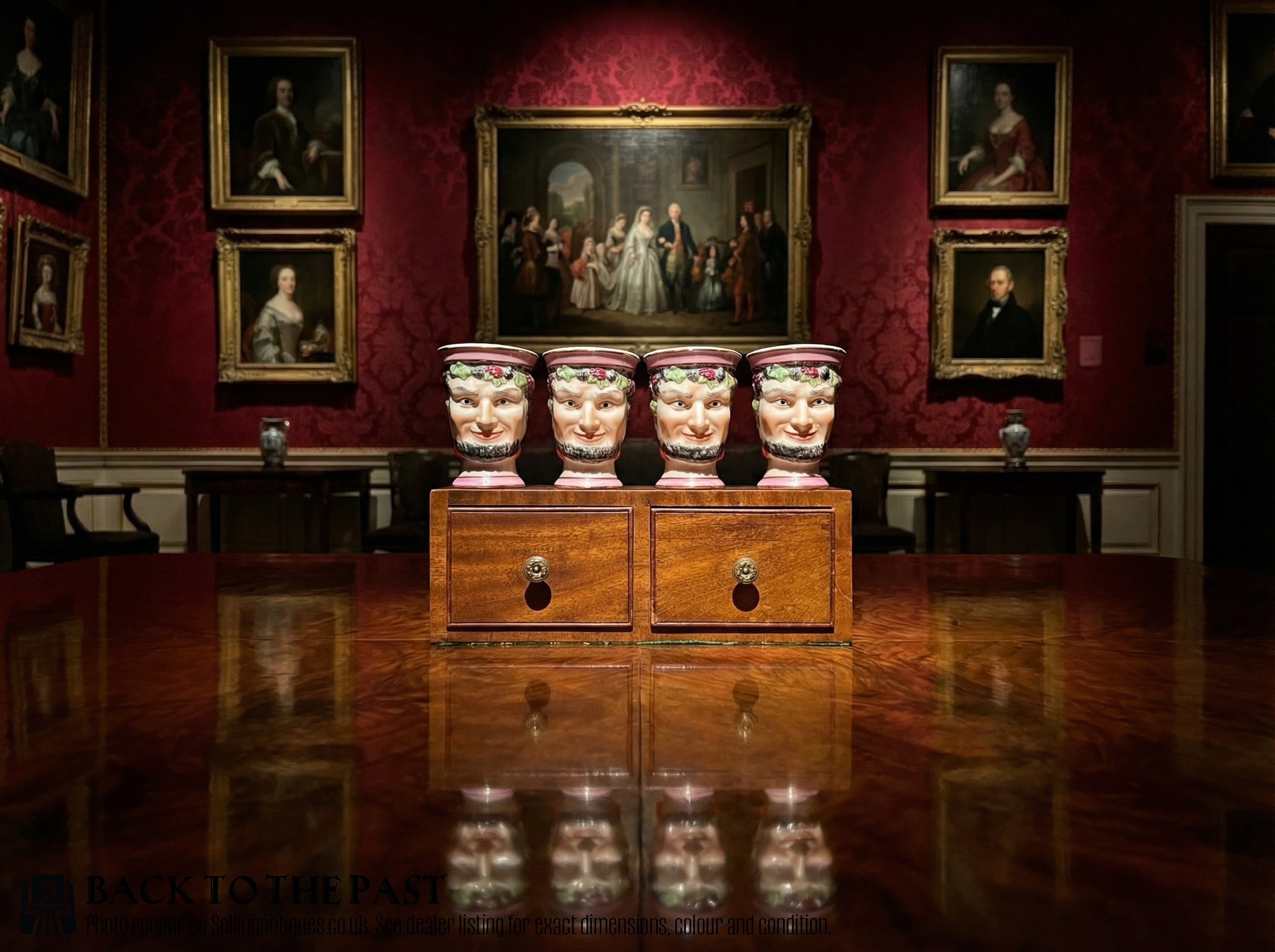
19th Century Staffordshire Ceramics
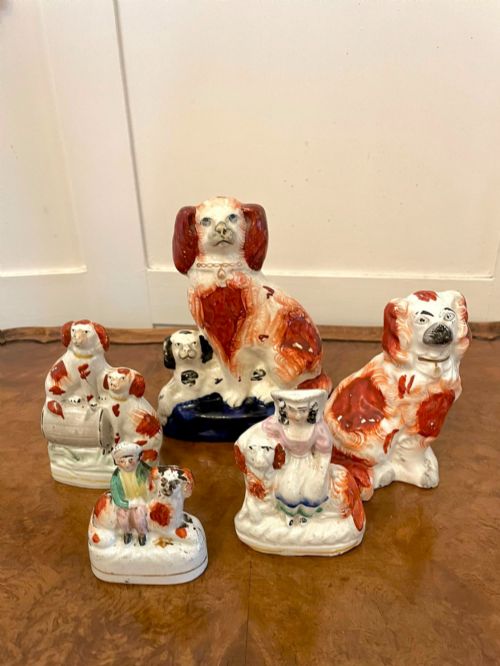
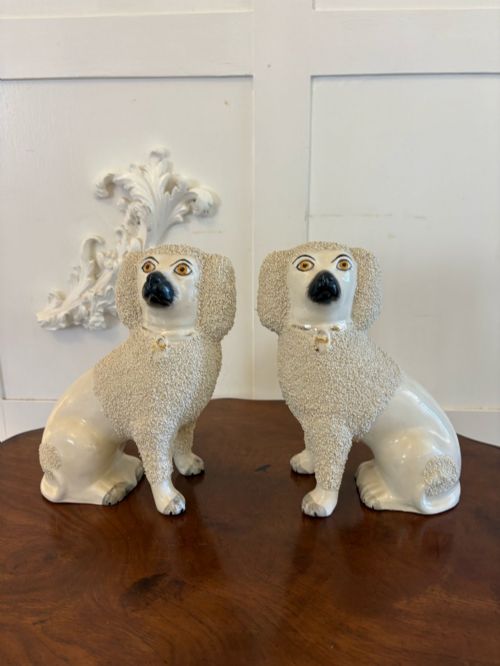
When you search for 19th century staffordshire ceramics, you encounter a diverse range of objects originating from the Staffordshire potteries spanning the Georgian, Regency, and Victorian eras. These items encompass decorative earthenware and porcelain pieces designed both for domestic use and mantelpiece display.
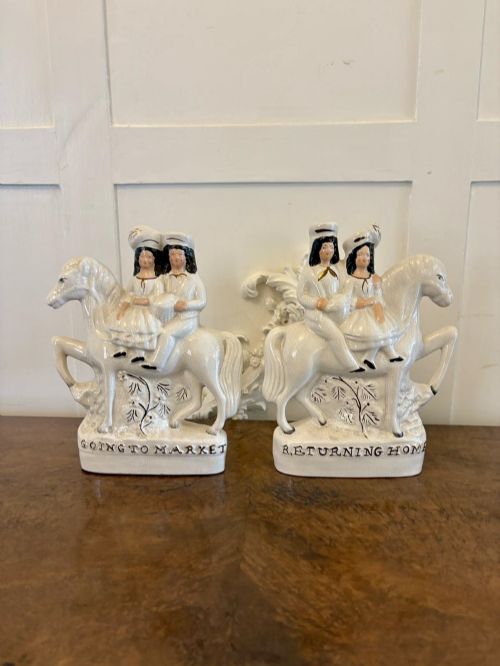
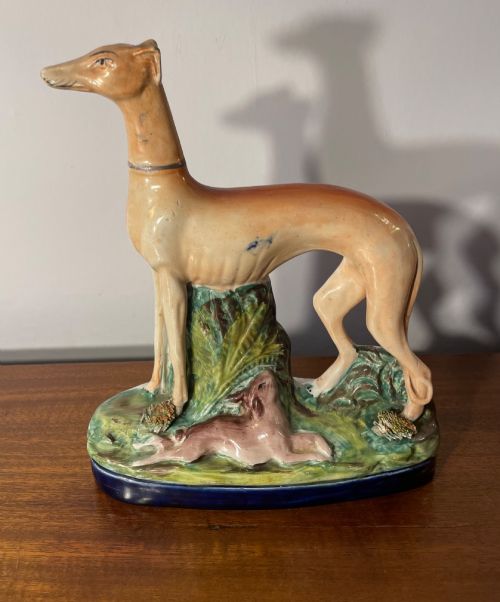
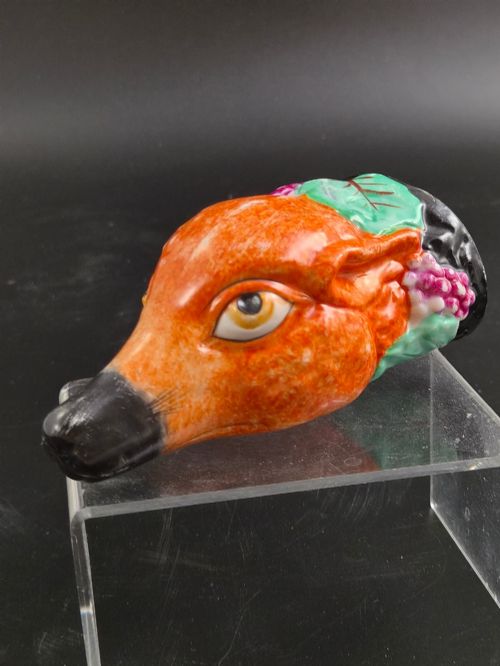
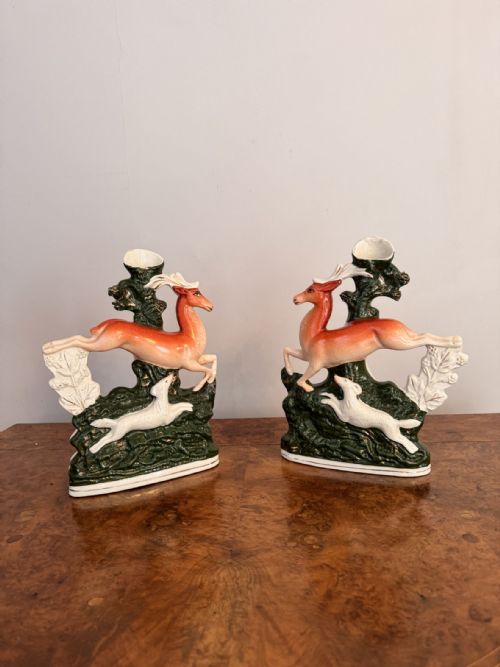
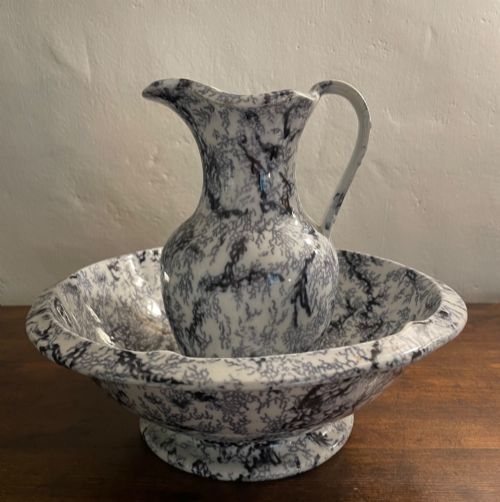
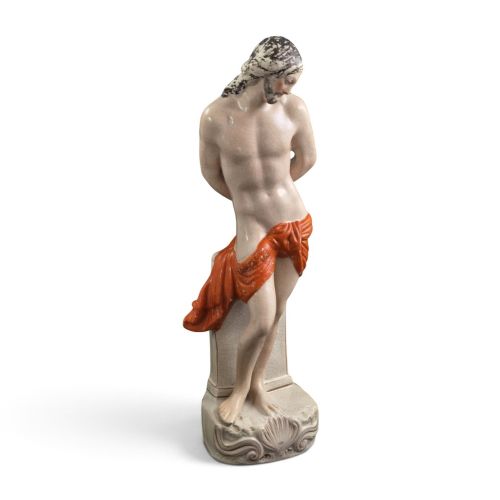
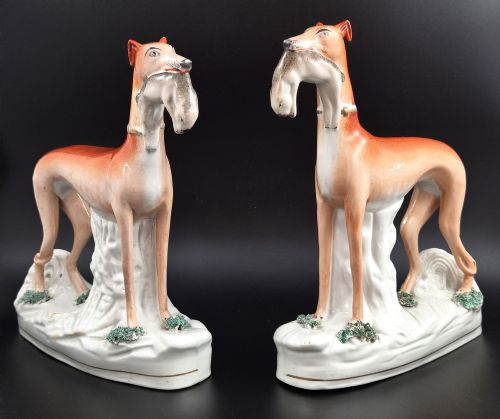
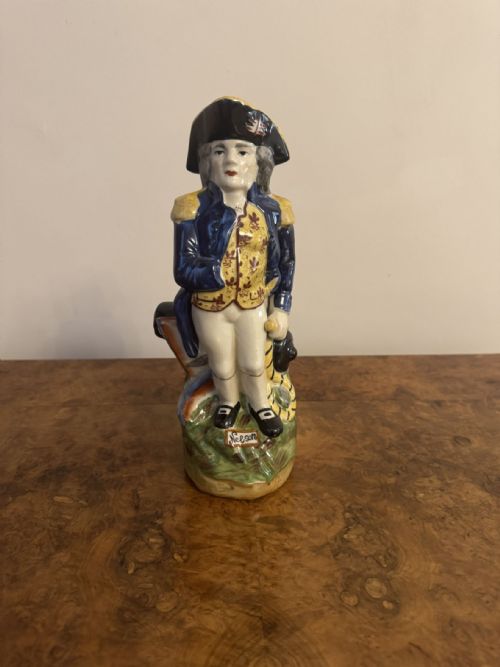
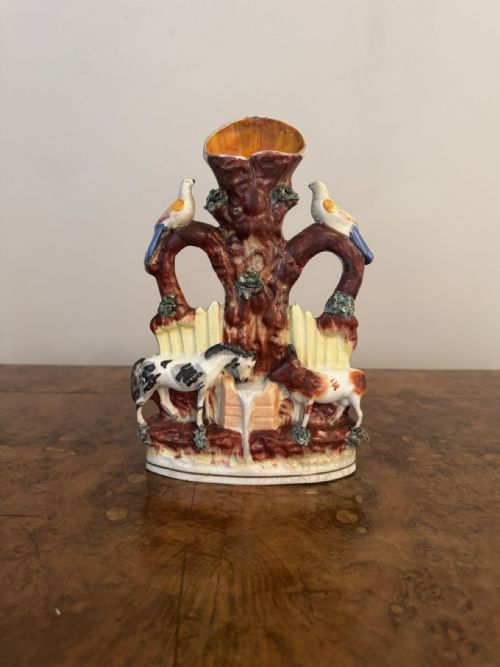
The selections on this page are most commonly represented by decorative figurines, spill vases, and utilitarian jugs and pitchers. Animal subjects such as dogs, lions, deer, and sheep appear frequently alongside portrait figures and transfer-printed tableware.
The objects bridge domestic utility and folk art expression, reflecting the tastes and events of the nineteenth century through modelled clay and glaze. Buyers seek these pieces for their historical character and the distinct regional craftsmanship they embody.
How They Were Made
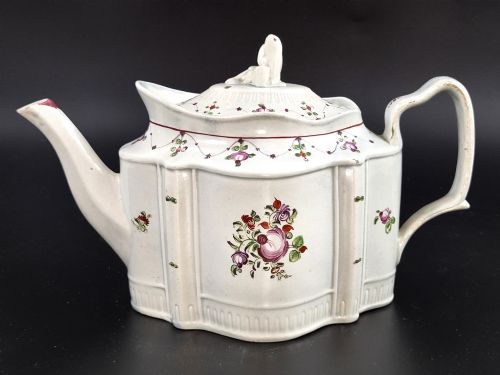
Potters utilised earthenware, pearlware, and creamware as the primary bodies for shaping these objects, often applying lead glaze to seal the porous clay. Porcelain and Pratt-ware also appear among the refined examples produced in the period.
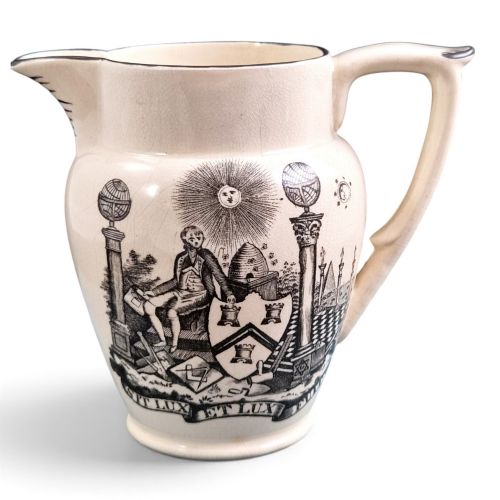
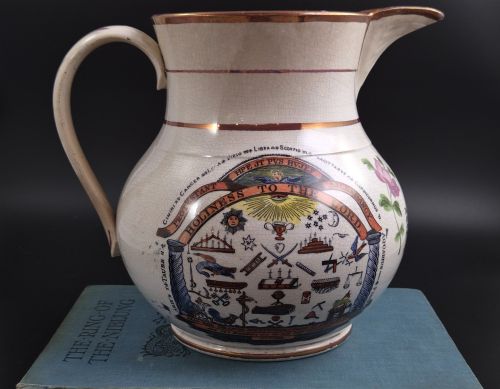
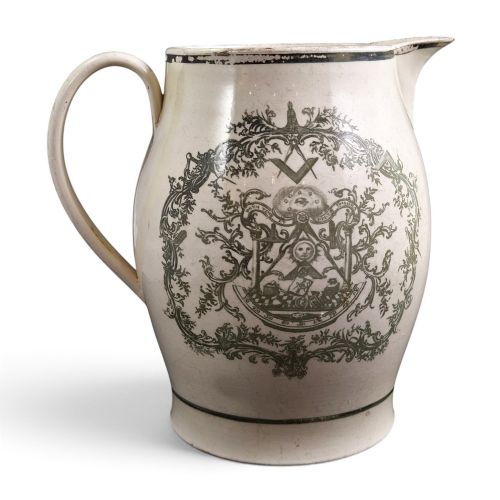
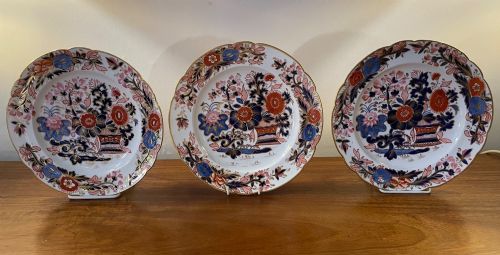
Decoration relied heavily on black and blue transfer printing, hand-applied enamel colours, and polychrome palettes to bring surface detail to life. Relief moulding and copper lustre finishes further enhanced the texture and visual depth of jugs, platters, and figures.
Listings feature earthenware, pearlware, and porcelain bodies decorated with transfer printing, enamel paints, and copper lustre.
What Varies in Quality
The precision and clarity of transfer printing or the vibrancy of hand-painted enamel decoration dictate the visual success of tableware and jugs. Depth of glaze application and the preservation of original hand-painted colours also influence the overall character of the piece.
John Bevington
The 19th Century Staffordshire Ceramics Glossary
- Pearlware
- A refined earthenware developed in the late eighteenth century featuring a subtle bluish glaze that pooled in recesses to mimic Chinese porcelain.
- Creamware
- A fine light-coloured earthenware perfected in Staffordshire with a warm yellowish lead glaze.
- Transfer Print
- A decorative technique where an engraved metal plate transfers a design onto paper and then onto the ceramic surface before firing.
- Spill Vase
- A hollow ceramic figure incorporating a small cylindrical holder designed to store wooden spill vestas for lighting fires and candles.
- Flatback
- A Staffordshire figure modelled with a finished front and a flat, unpainted back intended to stand directly against a wall or mantelpiece.
19th Century Staffordshire Ceramics: Frequently Asked Questions
What are Staffordshire flatback figures?
Staffordshire flatback figures are ceramic sculptures designed with detailed fronts and flat unpainted backs meant for placement against mantelpiece walls.
Potters created these pieces to decorate Victorian homes, depicting historical events, literary characters, and domestic animals.
How do I identify a transfer-printed jug?
Transfer-printed jugs display intricate repeating patterns or pictorial scenes applied through inked paper rather than painted by hand.
This technique allowed potteries to produce consistent decorative designs efficiently across creamware and earthenware bodies during the nineteenth century.
How were spill vases used?
Spill vases combined ornamental figurine sculpture with a functional receptacle meant to hold thin wooden splints.
Households used these wooden spills to transfer flames from a fireplace to candles or lamps before the invention of safety matches.