


19th Century Specimen Cabinet
A 19th century specimen cabinet houses natural history collections and small curiosities, bringing orderly charm and historical depth to any room.
19th Century Specimen Cabinet
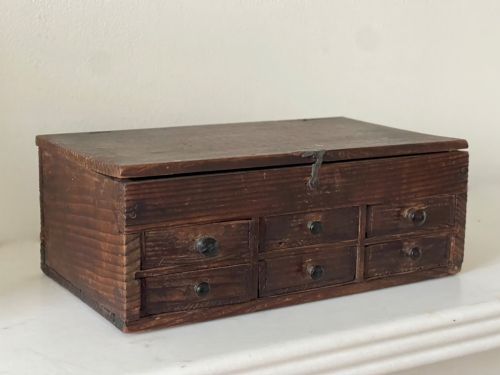
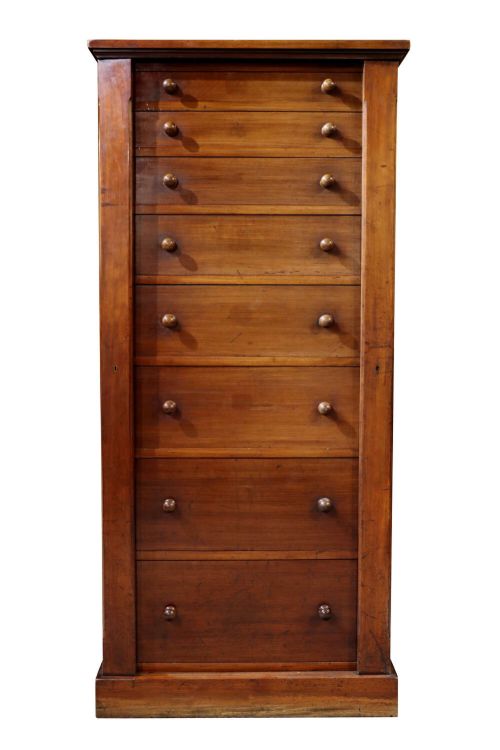
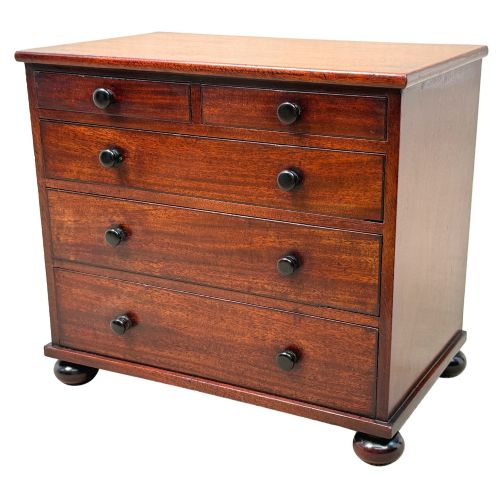
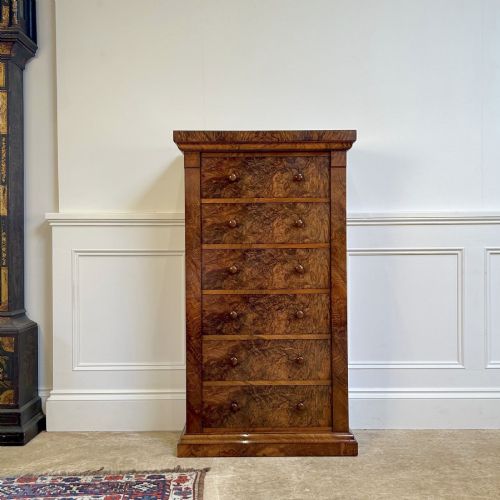
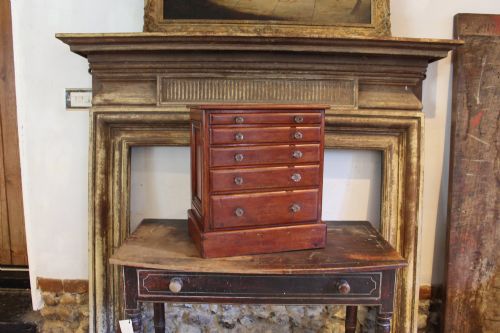
A 19th century specimen cabinet is a dedicated piece of furniture designed to store and display natural history collections, scientific items, and small curiosities. When searching for this phrase, buyers encounter various forms including table-top units, multi-drawer chests, and Wellington chests intended for organised storage.
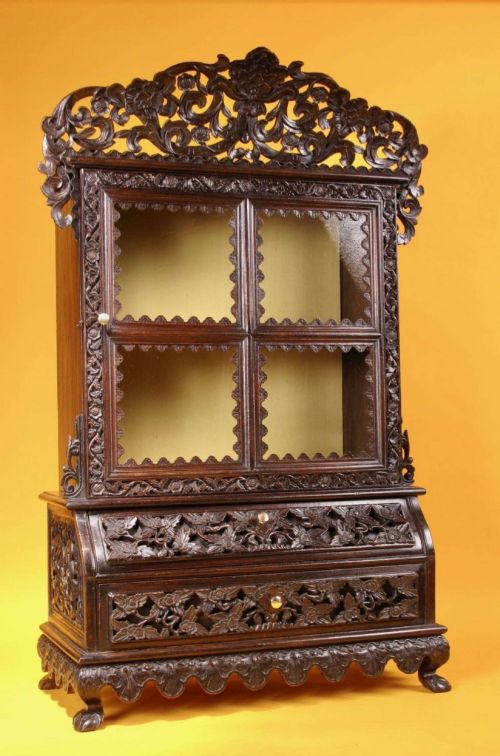
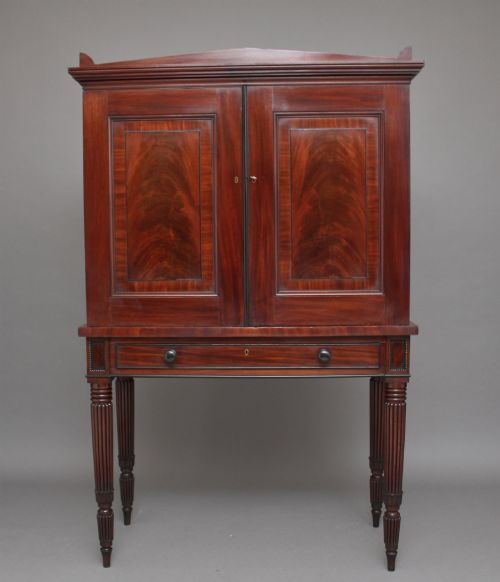
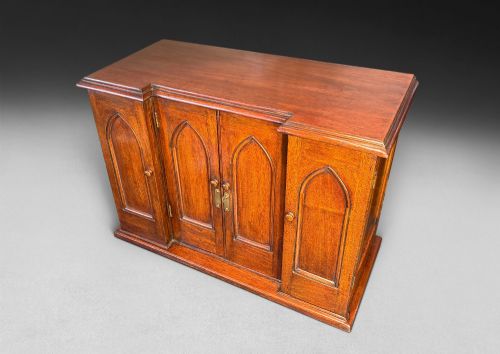
The pieces available span the nineteenth century and into the early twentieth century, encompassing Victorian and Regency styles alongside Gothic Revival and colonial influences. Many examples originate from contexts of natural history, medical storage, and apothecary use, reflecting the period's passion for collecting and classification.
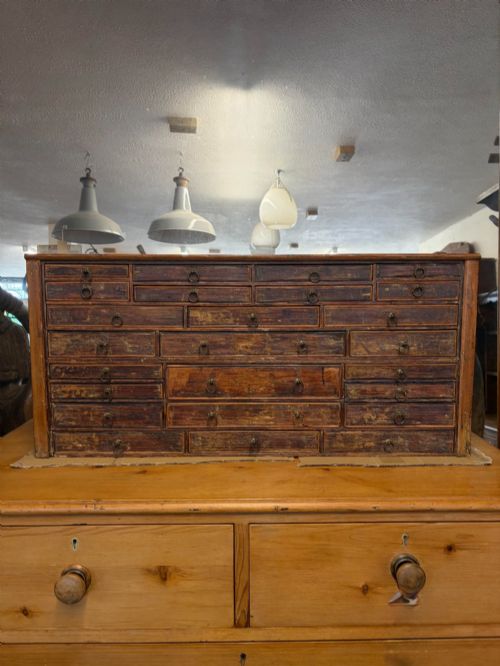
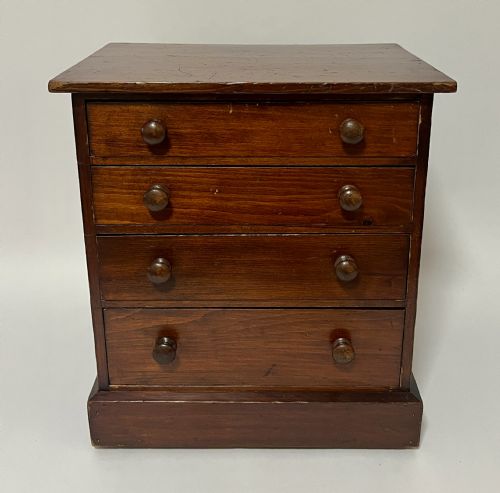
Buyers are most likely to meet mahogany and walnut pieces alongside oak, pine, and teak variations, often fitted with numerous shallow drawers. These cabinets range from small miniature apprentice pieces and desktop cases to substantial multi-drawer banks built for serious naturalists.
How they were made
Cabinet makers utilised dense hardwoods such as mahogany, walnut, and burr walnut, alongside durable softwoods like oak, pine, and deal for internal framework and drawer construction. These timbers were selected for their stability and capacity to withstand the weight of numerous small drawers without warping.
Construction techniques focused on precision joining to ensure tight drawer tolerances, protecting delicate contents from dust and environmental changes. Glass doors, brass hardware, and specialised internal divisions were integrated to facilitate the clear viewing and safe handling of specimens.
Finishing methods involved polishing and staining the timber to highlight natural grain patterns, with some pieces incorporating satin birch or fruitwood details. The exterior joinery often mirrored prevailing architectural styles, ranging from plain functional utility to elaborate Gothic panels.
19th Century Specimen Cabinet Retail Price Guide 2026
Typical asking prices for 19th century specimen cabinet among the pieces listed under this phrase on Sellingantiques today, from the lower quarter to the upper quarter. They describe what is for sale here now, not the wider market.
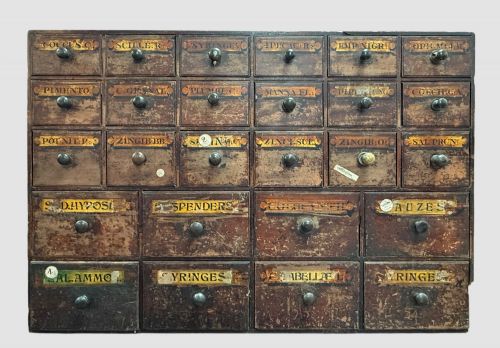
Current listings feature mahogany, walnut, oak, and pine cabinets, with configurations ranging from simple table-top cases to banks of twenty-five drawers.
What varies in quality
The standard of timber selection and cabinet work separates standard utility storage from exceptional examples. Finer pieces employ figured woods like burr walnut and solid mahogany with meticulous grain matching across multiple drawer fronts.
Originality of hardware and internal fittings dictates the standing of a piece. Cabinets retaining their original brass handles, locks, and fitted interior trays hold greater integrity than those altered or restored with replacement components.
The complexity and scale of the drawer configuration influence the desirability of the cabinet. Multi-drawer banks with seamless operation and specific provenance demonstrate superior craftsmanship compared to simpler, mass-produced storage.
Gillows·William Norrie·James Gardner·Luxmore's of Ilfracombe
The 19th Century Specimen Cabinet Glossary
- Wellington chest
- A tall, slender chest of drawers featuring a hinged locking stile on one vertical edge that secures all drawers simultaneously. This design originated in the nineteenth century and provided secure storage for papers or specimens.
- Apothecary chest
- A set of small drawers used originally by chemists and pharmacists to store medicinal herbs, powders, and ingredients. These sturdy wooden banks often feature numerous label holders or small compartments.
- Table-top cabinet
- A compact piece of furniture designed to sit upon a desk, table, or sideboard rather than rest on the floor. These portable units typically house collections of coins, minerals, or microscope slides.
- Specimen wood
- Furniture constructed from a variety of different decorative timbers, often showcasing contrasting colours and grains from specific geographic regions. Cabinet makers used these woods to display technical skill and botanical variety.
- Standish
- A desk accessory or small cabinet equipped to hold writing materials, inkwells, and sometimes small collection items. These items combined functional stationery storage with display space for curiosities.
19th Century Specimen Cabinet: Frequently Asked Questions
What did people store in these cabinets?
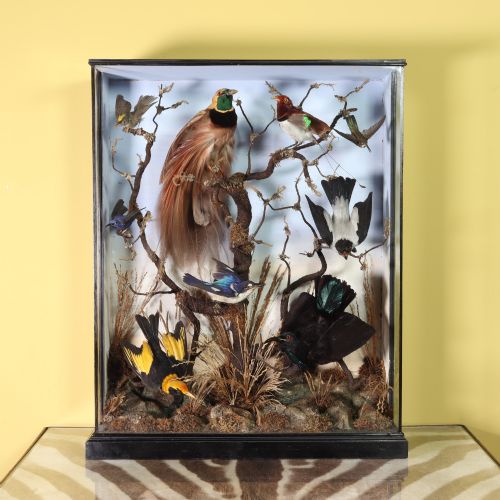
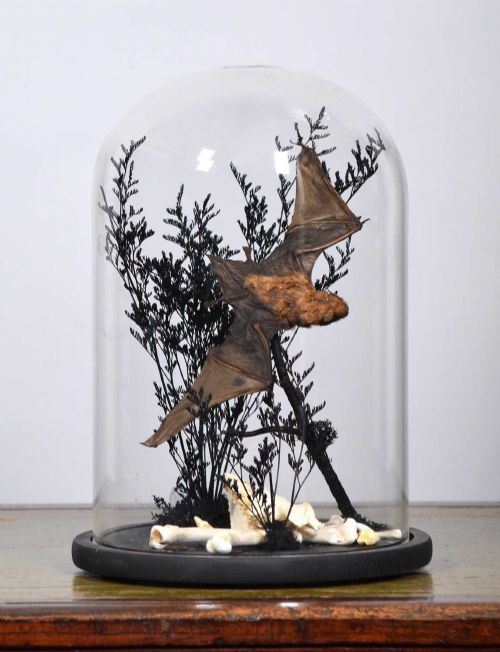
Owners stored diverse natural history specimens, including geological samples, shells, coral, botanical pressings, and taxidermy items. They were also used by medical practitioners and apothecaries to house remedies, microscope slides, and anatomical instruments.
The large number of shallow drawers allowed collectors to categorise and protect delicate items from light and dust. This method kept comprehensive reference collections organised for study and display.
How do I identify a Victorian specimen cabinet?
Victorian examples typically feature dense timbers like mahogany, walnut, or oak, constructed with numerous small, precisely fitted drawers. They often incorporate brass pulls, glass viewing panels, or locking stiles characteristic of the period's storage furniture.
Stylistic markers range from plain utilitarian workshop pieces to ornate Gothic Revival or Victorian Natural History designs. Construction details such as dovetail joints and secondary woods help confirm the nineteenth-century origin.
Where should I place a table cabinet?
Table cabinets suit study rooms, libraries, or living spaces where their compact proportions can rest securely on a sturdy desk or sideboard. Placing them away from direct sunlight protects both the wooden exterior and any light-sensitive contents stored inside.
Ensure the surface is level so the numerous shallow drawers open smoothly without binding. Room humidity should remain stable to prevent timber expansion that can affect drawer operation.
Are these cabinets suitable for modern collections?
These cabinets provide practical storage for modern collectors of small items such as minerals, fossils, coins, or stamps. The original drawer divisions and shallow depths protect delicate objects while offering clear organisation.
Using historical storage units connects modern collecting habits with nineteenth-century scientific traditions. The traditional craftsmanship ensures the furniture remains functional for contemporary display.