




19th Century Snap Table
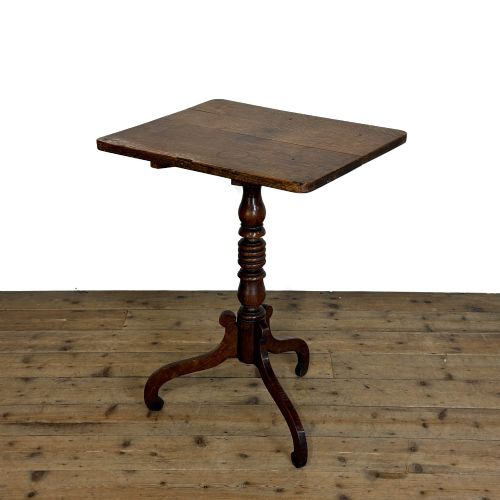
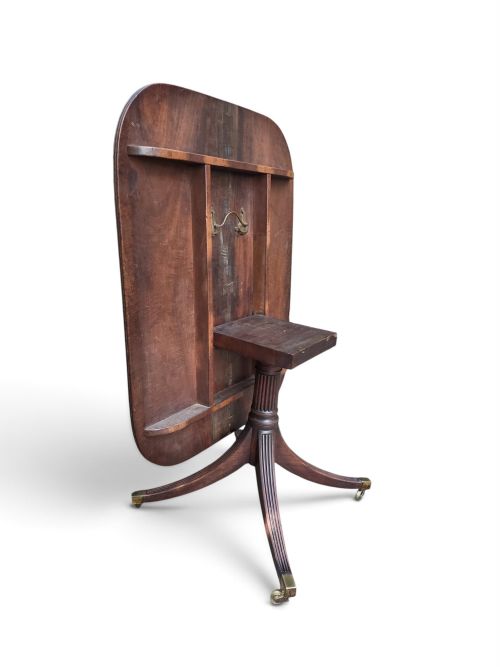
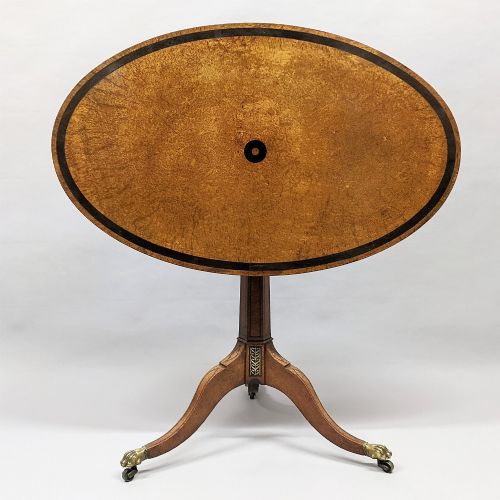
A 19th century snap table folds flat against a wall when not in use, offering clever space-saving engineering combined with rich timber grain.
19th Century Snap Table
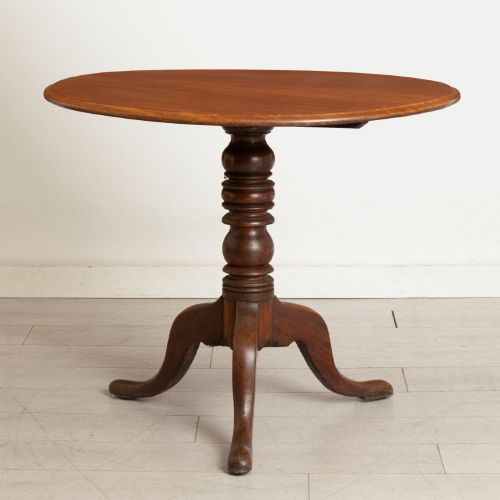
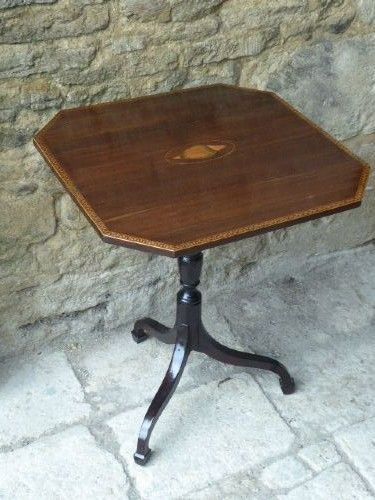
A 19th century snap table combines a hinged top with a stable tripod or pedestal base, designed to tilt vertically for storage or room clearance. Buyers seeking this phrase encounter versatile circular forms serving variously as occasional, breakfast, tea, supper, or loo tables.
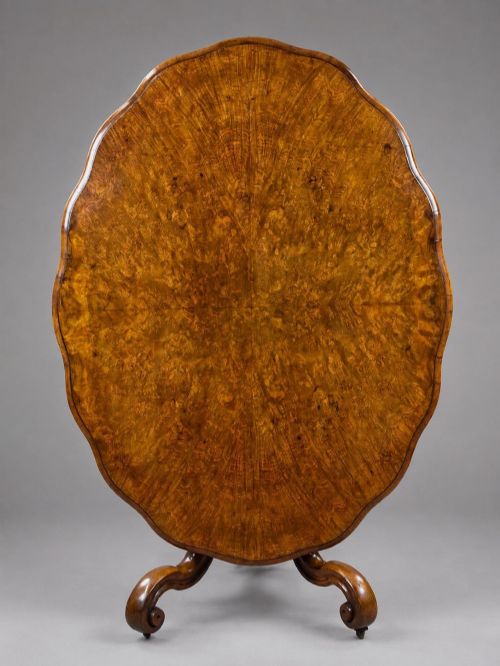
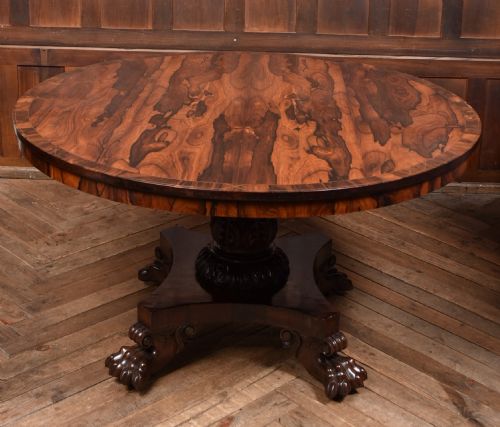
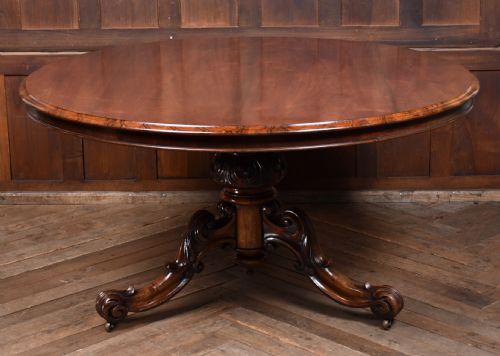
The selection ranges from compact wine tables to large dining and centre pieces spanning the Regency, Victorian, and William IV eras. Mahogany and rosewood examples dominate the listings, alongside walnut, burr walnut, birch, and occasional exotic woods.
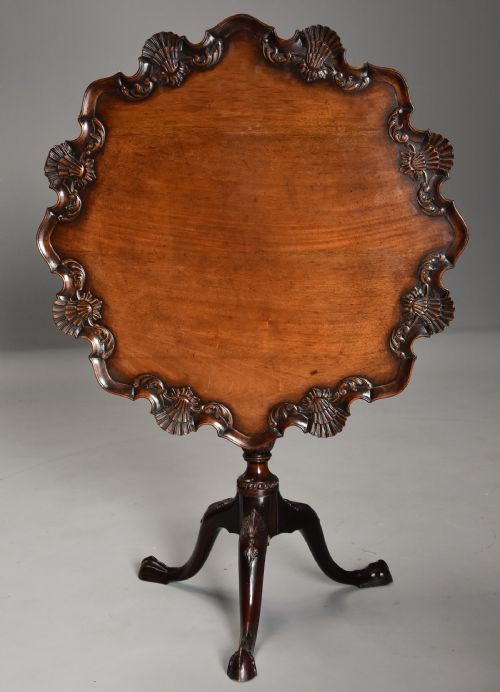
Makers and craftsmen applied diverse aesthetic influences, producing plain timber surfaces as well as elaborate marquetry inlay, pie crust edges, and painted or japanned finishes.
How they were made
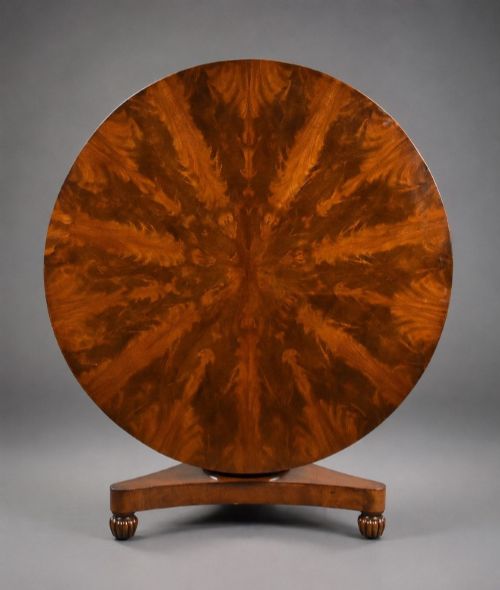
Cabinet makers built these tables using solid timbers and decorative veneers such as flame mahogany and burr walnut laid over secondary woods. The tilting mechanism relies on a brass or iron catch and block assembly fitted beneath the circular top to lock it securely in the horizontal position.
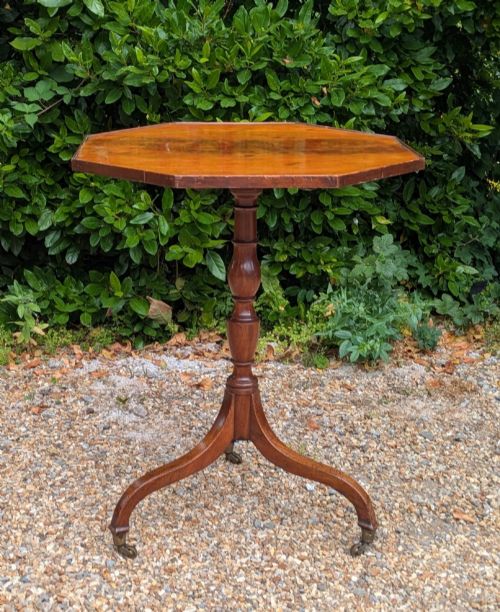
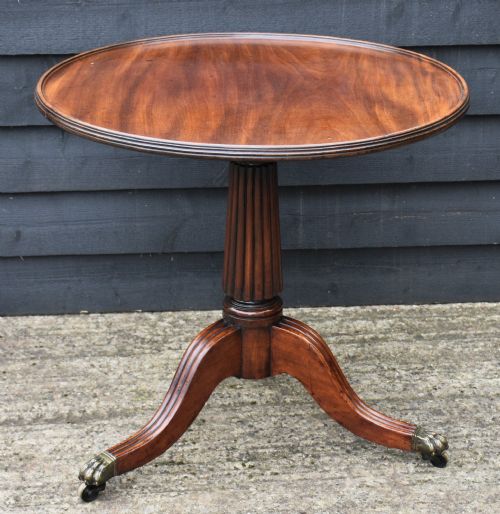
Tripod bases feature turned pedestals flowing into three curved legs, while larger pedestal tables utilise heavy platform or pillar supports. Surface decoration includes hand-carved pie crust borders, marquetry inlay, mother of pearl accents, and painted or japanned finishes.
Some tables include revolving tops, letting guests spin the board to reach the tea caddy without stretching.
What varies in quality
The choice of timber and veneer grading distinguishes standard production from exceptional pieces, with finely figured flame mahogany, burr walnut, and amboyna commanding attention. The precision of the tilting mechanism and the stability of the catch dictate mechanical success.
Carved details such as pie crust edges, moulded tripod legs, and inlaid marquetry display the artisan's skill level. Proportions between the top diameter and the supporting pillar dictate the visual balance of the finished table.
The 19th Century Snap Table Glossary
- Snap-top
- A table top fitted with a spring catch or wooden pin mechanism allowing it to tilt into a vertical position. This design enabled tables to be pushed against walls to save floor space.
- Tilt-top
- An alternative term for a snap table where the surface pivots on a central block. It shares the same space-saving function as the snap-top format.
- Pie crust edge
- A raised, decorative rim carved into a serpentine or scalloped outline resembling pastry crust. This feature appears on higher-end circular table tops.
- Tripod base
- A support structure consisting of three legs radiating from a central turned column. It provides stable floor contact on uneven historic floorboards.
- Loo table
- A large Victorian centre table designed for card games like loo. These tables frequently feature tilt-top actions on heavy pillar bases.
- Japanned
- European imitation of East Asian lacquerwork achieved through painted and varnished finishes. This technique decorates specific occasional tables in the period.
19th Century Snap Table: Frequently Asked Questions
How do you operate the tilt mechanism?
A small brass catch or wooden peg beneath the top releases the mechanism, allowing the surface to pivot upward on its birdcage or block pivot.
Dropping the top back down engages the latch automatically to hold the surface flat for use.
Where were these tables used in the home?
Smaller versions served as wine, lamp, or occasional tables positioned beside seating in parlours and drawing rooms.
Larger breakfast, tea, and loo tables stood in dining rooms or centres of reception spaces before being tipped and moved aside.
How can I tell a Regency table from a Victorian one?
Regency tables often display cleaner architectural lines, brass paw feet, and rich mahogany or rosewood surfaces dating around 1800 to 1830.
Victorian examples frequently utilise burr walnut, heavier carved pedestal bases, and elaborate marquetry reflecting mid to late 19th-century tastes.
Can I use a tilt table for daily dining?
Dining and breakfast variants offer sturdy surfaces suitable for daily meals and gatherings when locked in the horizontal position.
Smaller wine and occasional formats suit light items but lack the broad footprint needed for heavy daily service.