
19th Century Silver Set
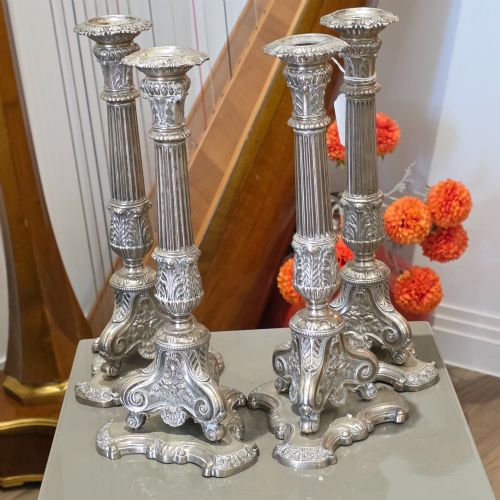
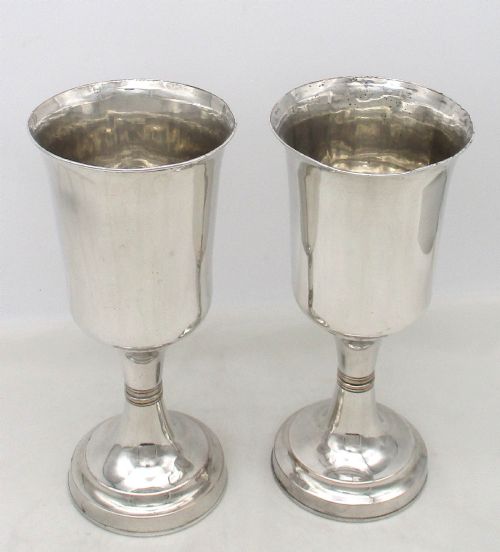
A 19th century silver set brings together period craftsmanship and coordinated utility, offering a glimpse into historic dining, writing, and dressing rituals.
How they were made
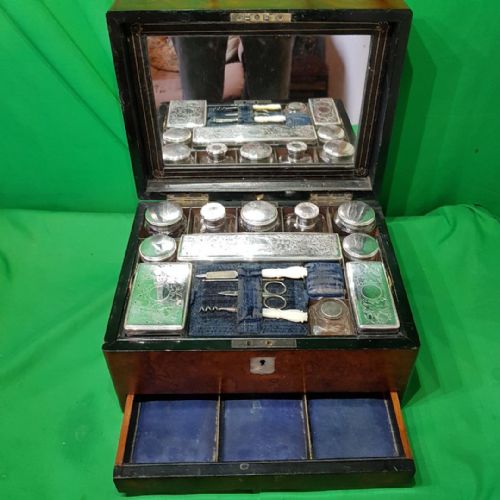
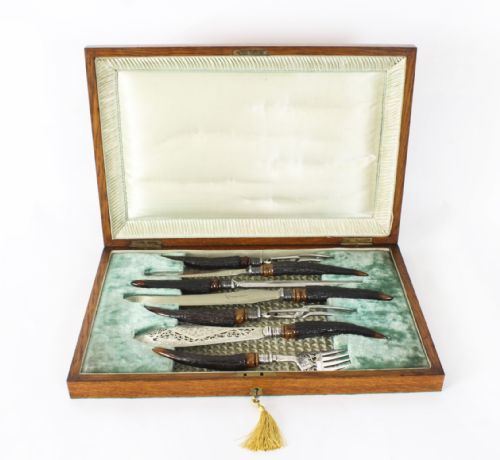
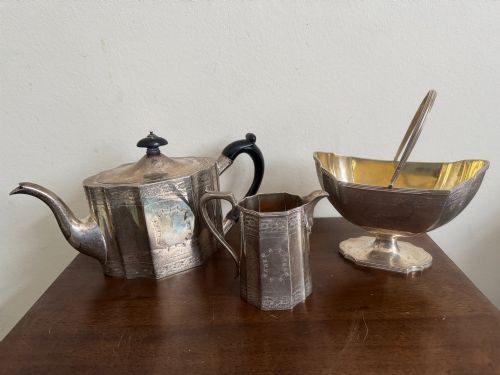
Makers utilised sterling silver and silver plate over copper, often known as Old Sheffield Plate, shaping metal through hammering, casting, and piercing. Surfaces received intricate engraving, chasing, and repoussé work to create relief patterns, while handles incorporated materials such as stag antler, ivory, and ebony.
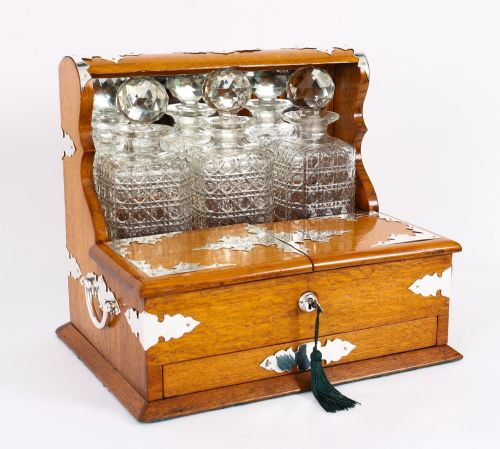
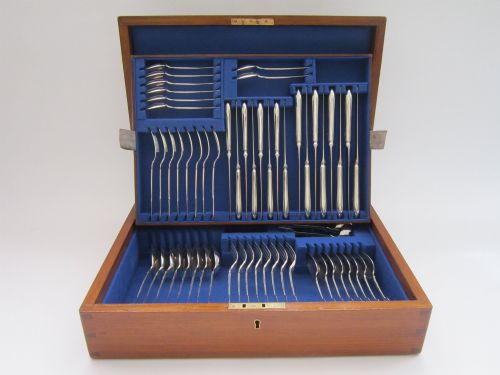
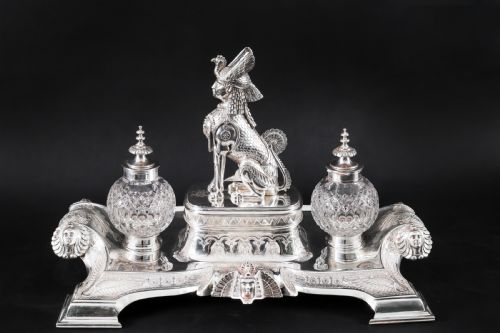
Fitted boxes and cases relied on cabinet-making traditions, employing hardwoods like blonde oak and mahogany alongside decorative veneers like satinwood and burr walnut. Glass components, including decanters, inkwells, and condiment bottles, were frequently hand-blown and cut, then fitted with custom silver mounts or collars.
What varies in quality
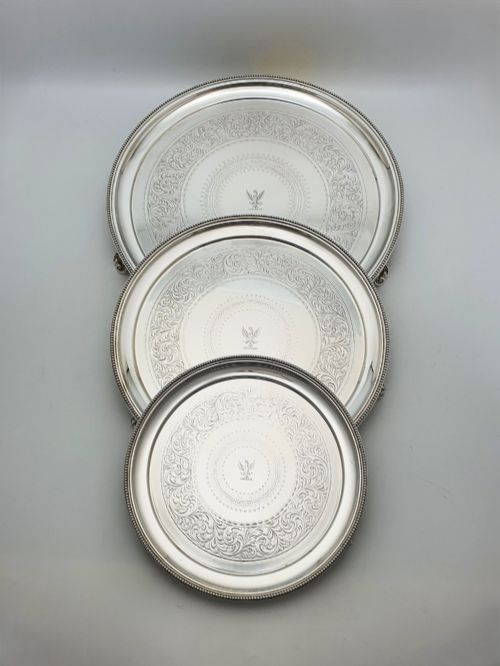
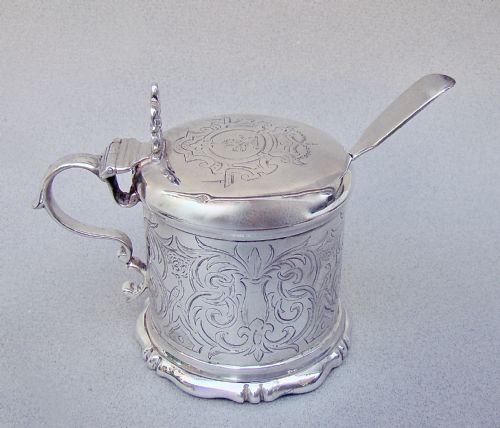
The distinction between standard utility items and masterwork sets lies in the depth and precision of the decorative hand-work. Crisp chasing, sharp hallmarks, and well-defined engraving indicate superior craftsmanship from prominent silversmiths, whereas softer details suggest mass production.
The integrity of the fitted case or housing often mirrors the quality of its contents. Substantial hardwood carcasses with original velvet linings, functional locks, and complete internal tools command greater appreciation than replacement elements or degraded wooden frames.
Nineteenth-century social standards demanded specialised silver for almost every dining event, leading to distinct sets just for mustard, salt, and asparagus.
Gillows Of Lancaster·Wilkinson & Co·Charles And George Fox·Elkington·Mappin Brothers·Paul Storr·Joseph Craddock·Benjamin Smith·Robert Garrard·Rupert Favell
The 19th Century Silver Set Glossary
- Sterling silver
- A silver alloy containing 92.5 percent pure silver and 7.5 percent other metals, usually copper, ensuring durability for tableware and flatware. British pieces typically feature the lion passant hallmark.
- Silver plate
- A base metal, such as copper or nickel brass, coated with a thin layer of pure silver. Techniques evolved across the century from fusing sheet silver to copper to electroplating.
- Old Sheffield Plated
- An early method of fusing a thin sheet of sterling silver to a thicker copper ingot before rolling them together into sheets. Edges often reveal a thin line of exposed copper.
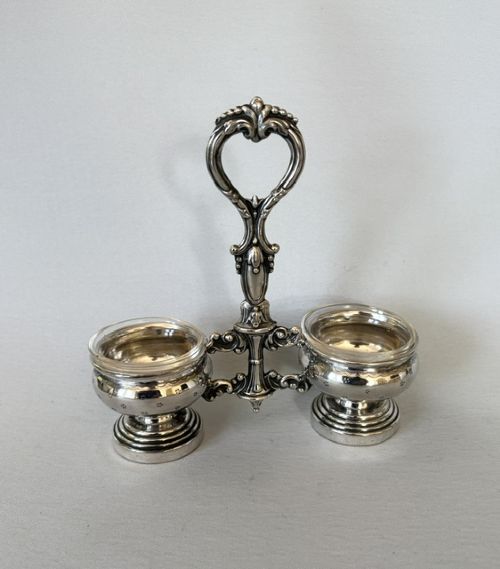
- Cruet set
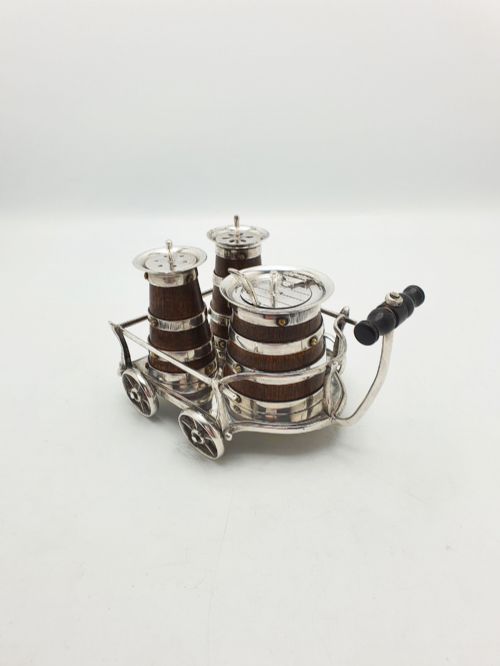
- A matched grouping of small bottles, jars, or castors designed to hold condiments, vinegar, and oil at the dining table. They sit within a dedicated silver or silver-plated frame.
- Chatelaine
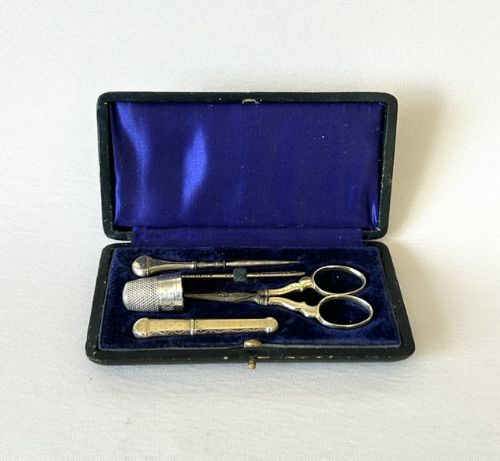
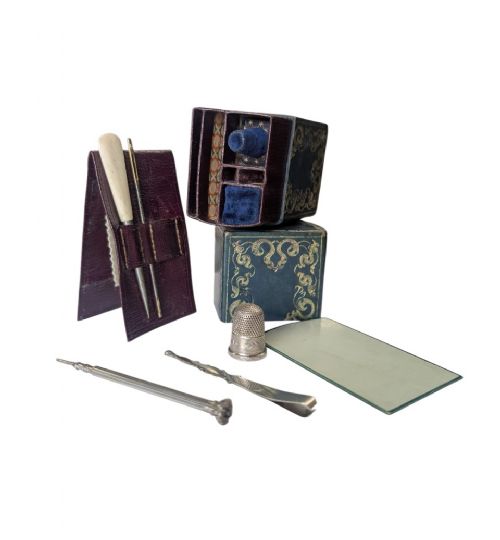
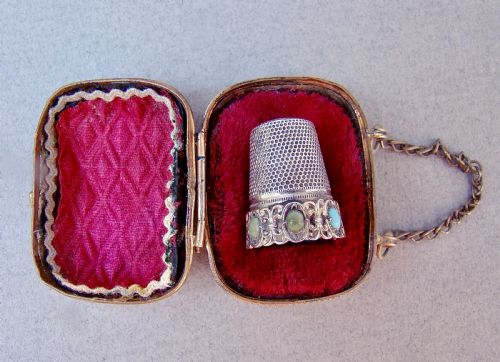
- A decorative belt hook worn with a series of suspended chains carrying functional household tools like scissors, thimbles, and vinaigrettes. They served as practical accessories for Victorian mistresses of the household.
19th Century Silver Set: Frequently Asked Questions
How do I care for a silver set?
Keep silver sets in stable environments away from direct sunlight and high humidity, which accelerate tarnishing. Use a soft cloth and specialised polish sparingly to preserve raised details and engraving.
For sets with wooden boxes or velvet linings, maintain dry conditions to protect the internal materials. Regular, gentle dusting prevents the accumulation of abrasive particles on delicate surfaces.
Are these sets complete with original pieces?
Many nineteenth-century groupings survive with their original fitted components, such as matching decanters, stoppers, or cutlery counts. Some items represent assembled or matched sets gathered during their period of use.
Checking fitted interiors and internal mounts helps determine whether the contents share a unified origin. Hallmarks and maker marks across individual items provide clear evidence of original association.
How do I identify the date of a silver set?
British sterling silver relies on official assay office hallmarks, including date letters that pinpoint the exact year of production. Additional duty marks and maker stamps narrow down the manufacturing window.
Silver-plated items and continental pieces without standard British marks require stylistic analysis. Form, decorative motifs like Egyptian Revival or Rococo revival, and construction methods guide the dating process.