


19th Century Silver Flatware
19th century silver flatware encompasses sturdy table services and decorative serving pieces that bring period character to the modern dining table.
19th Century Silver Flatware
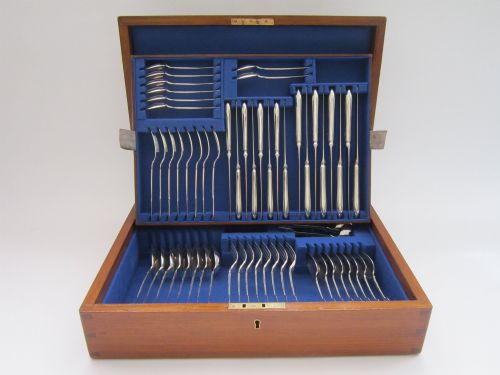
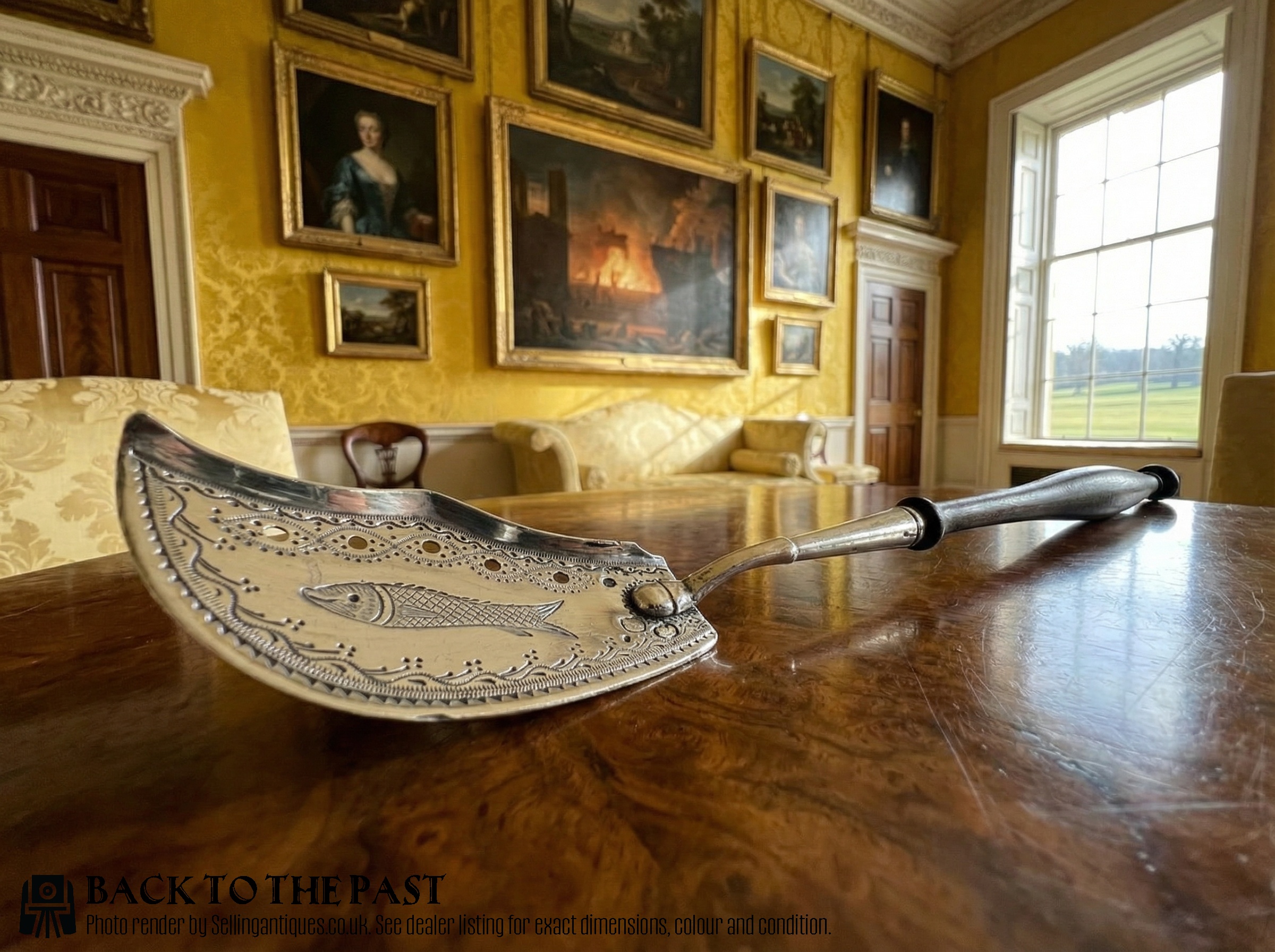
When searching for 19th century silver flatware, buyers encounter a diverse range of cutlery and serving utensils spanning the Georgian, Victorian, and William IV periods. These pieces include everything from complete dining services for multiple persons to specialised implements such as marrow scoops, grape scissors, and sauce ladles.
The most common items on this page are forks, spoons, and knives executed in sterling or solid silver, often featuring traditional fiddle or queen's patterns. Alongside standard tableware, the selection frequently incorporates regional variations including Russian niello and enamel work, French server designs, and Indian colonial pieces.
Originating from British, European, and wider international workshops, these utensils reflect the shifting domestic habits and dining customs of the 1800s. Whether searching for a matched set for eight or a single provincial teaspoon from Exeter, collectors find items shaped by specific historical assay offices and silversmithing traditions.
Materials and construction methods
The primary material across these listings is sterling or solid silver, frequently complemented by secondary components such as steel for knife blades, natural horn for handles, and occasional silver-gilt finishes. Workshops also utilised mahogany boxes and felt linings to protect fitted sets during the period.
Silversmiths employed traditional forging, casting, and hand-beating techniques to shape the metal, applying detailed decoration through engraving, chasing, or cloisonné enamel work. Handles in specific items combine silver mounts with organic materials like horn or wood, demonstrating varied assembly methods suited to everyday dining or specialised serving.
19th Century Silver Flatware Retail Price Guide 2026
Typical asking prices for 19th century silver flatware among the pieces listed under this phrase on Sellingantiques today, from the lower quarter to the upper quarter. They describe what is for sale here now, not the wider market.
Regional styles span British Victorian and Georgian items alongside continental European pieces, including Russian enamelwork and French sardine servers.
Factors that define the grade
The distinction between standard utility items and finer examples rests upon the crispness of the hand-chased detail, the weight and gauge of the solid silver, and the preservation of original hallmarks. Pieces produced by well-documented makers or provincial assay offices often exhibit superior finishing and more deliberate attention to design execution.
Condition plays a significant role, particularly the retention of original gilding, the integrity of enamel work, and the absence of excessive wear to bowl edges and tines from historical use. Complete sets housed in their original fitted boxes maintain a higher level of historical context than assembled or partial groups.
Edward Power·Jonathan Hayne·Charles Reily and George Storer·Mary Chawner·George Unite·Vasily Agafonov·Henry Holland·Henri Soufflot
The 19th Century Silver Flatware Glossary
- Sterling silver
- A silver alloy containing 92.5 percent pure silver and 7.5 percent other metals, usually copper, chosen for durability in tableware. This standard is frequently denoted by traditional hallmarks on British items.
- Hallmark
- An official stamp applied by an assay office indicating the purity of the metal, the year of manufacture, and the maker's mark. These stamps provide verifiable historical provenance for 19th-century pieces.
- Fiddle pattern
- A popular 19th-century cutlery handle design featuring a slender stem that broadens near the end into a shape resembling a fiddle. It remains one of the most recognisable traditional flatware styles.
- Niello
- A black metallic alloy used as an inlay on engraved silver, creating dark contrasting designs. This technique appears notably on Russian pieces from the period.
- Cloisonné enamel
- A decorative technique where enamel paste is applied within compartments defined by thin metal strips soldered to the silver base. It creates vibrant, multicolored patterns on spoons and servers.
19th Century Silver Flatware: Frequently Asked Questions
How do I care for silver flatware?
Wash silver flatware gently by hand in warm soapy water immediately after use, avoiding harsh detergents or abrasive sponges. Dry them thoroughly with a soft cloth to prevent water spots and tarnishing.
Store the pieces in anti-tarnish rolls, lined drawers, or their original fitted wooden boxes away from direct sunlight. Occasional gentle polishing with a dedicated silver cloth maintains the finish without wearing away the underlying metal or hallmarks.
Can I use antique flatware every day?
Many people enjoy using 19th-century silver flatware for daily dining, provided the pieces are handled with reasonable care. Solid silver spoons and forks are robust enough for regular meals, though older knives with separate steel blades require careful hand washing rather than soaking.
Delicate items featuring enamel work, hollow handles, or organic materials like horn are better reserved for special occasions. Assessing the weight and construction of each utensil helps determine its suitability for modern routines.
What is a marrow scoop?
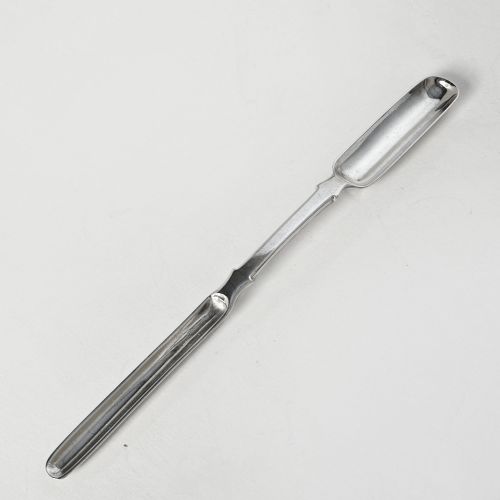
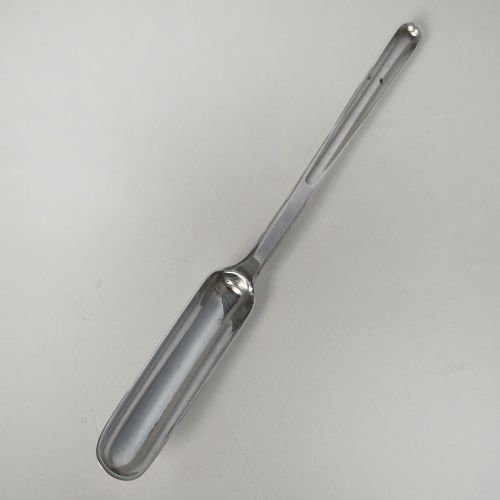
A marrow scoop is a specialised elongated utensil with a small trough at one end and a larger one at the other, designed during the 18th and 19th centuries for extracting bone marrow from joints. They were standard additions to formal dining tables when marrow dishes formed a regular part of the meal.
Today, these slender silver implements are collected as interesting examples of period dining culture and serve nicely as unusual serving pieces for small items.
How do I identify a Victorian piece?
Victorian silver flatware can be identified through official hallmarks stamped directly onto the metal, which include sovereign duty marks, date letters, and assay office symbols corresponding to the reign from 1837 to 1901. Stylistic cues such as heavy cast decoration, queen's pattern handles, and specific maker's stamps also point to this era.
Checking the specific assay office symbols helps narrow down the exact decade and provincial town of manufacture, confirming the piece's place within the 19th century.