


19th Century Ship Art
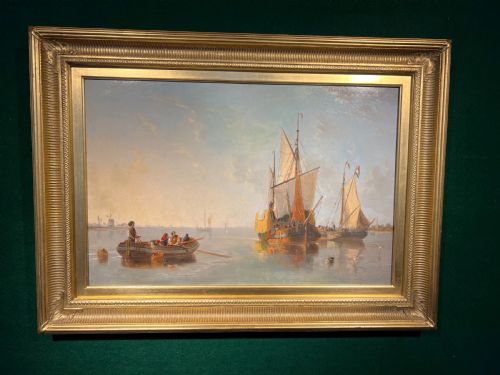
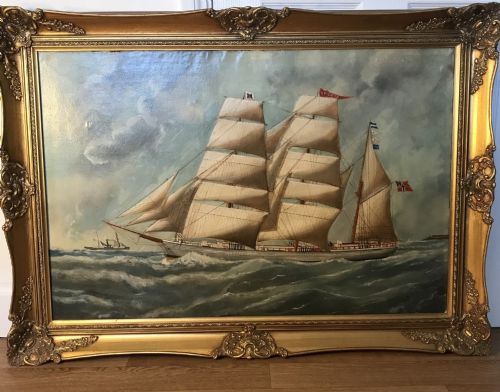
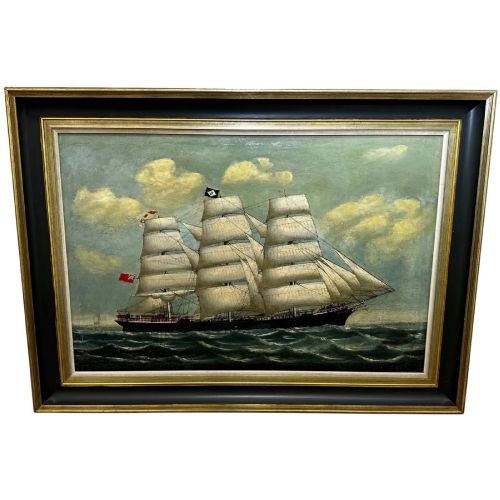
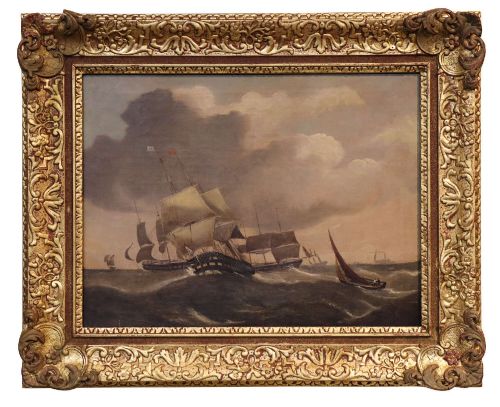
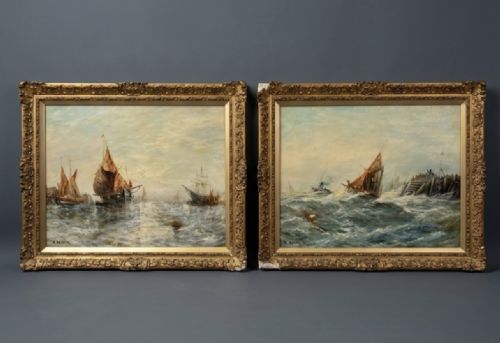
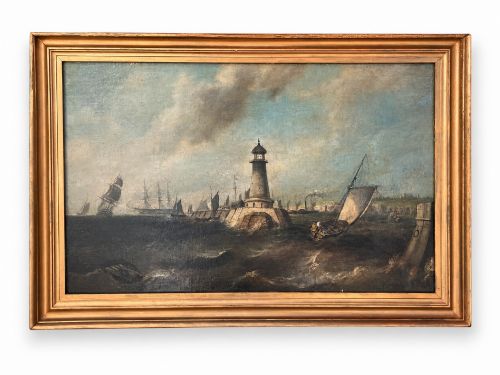
19th century ship art records the age of sail through detailed oil paintings, delicate watercolours, and dimensional dioramas.
19th Century Ship Art
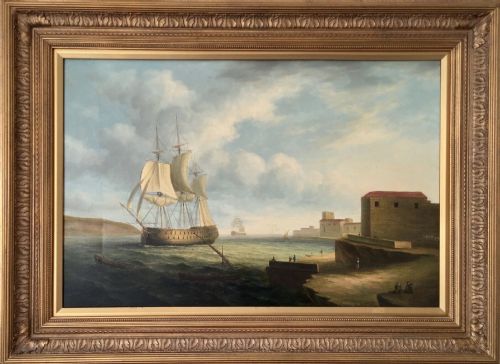
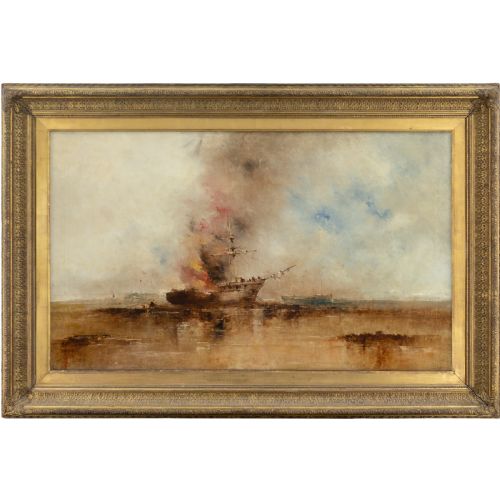
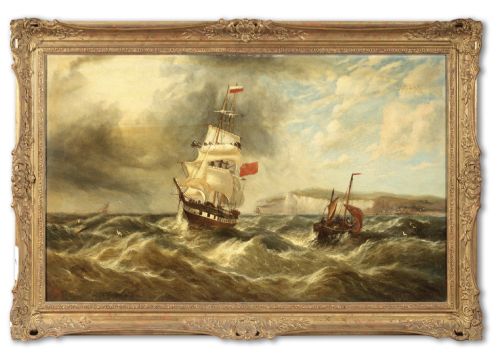
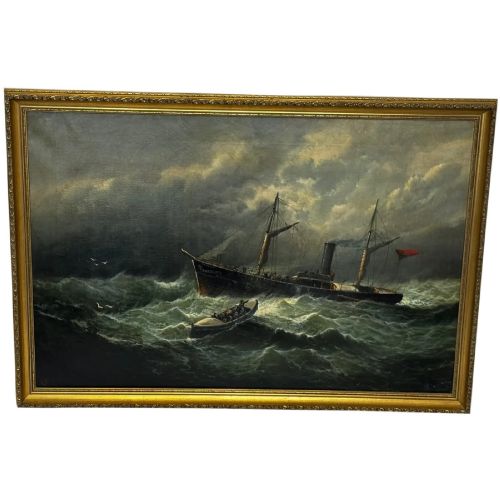
When you examine 19th century ship art, you encounter oil paintings, watercolours, engravings, and maritime dioramas that document commercial shipping, naval vessels, and coastal scenes. These works capture specific vessels, historical events, and dramatic maritime rescues across changing weather and heavy seas.
The pieces appearing on this page span the Victorian era, drawing on regional British, European, and Chinese Export traditions. You meet works executed on canvas, panel, board, and paper, alongside three-dimensional models housed in glazed boxes.
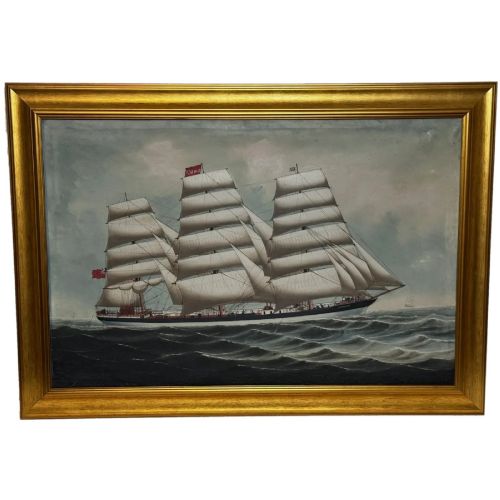
Subject matter ranges from named clippers and barques navigating distant harbours to anonymous fishing boats operating off familiar coasts. Works vary from highly finished studio paintings by named marine artists to direct maritime folk art and pierhead portraits.
Materials and construction
Makers applied oil paint or watercolour to canvas, paper, wood panel, and card, frequently enclosing finished works within gilt frames or wooden box cases. Pigments rendered atmospheric coastal light, churning water, and detailed rigging upon textile and paper supports.
Dimensional dioramas incorporated carved wood, textiles, and painted backdrops arranged inside glazed wooden frames to simulate depth and movement at sea. Model ships utilised carved components and miniature cordage, sometimes assembled within glass bottles.
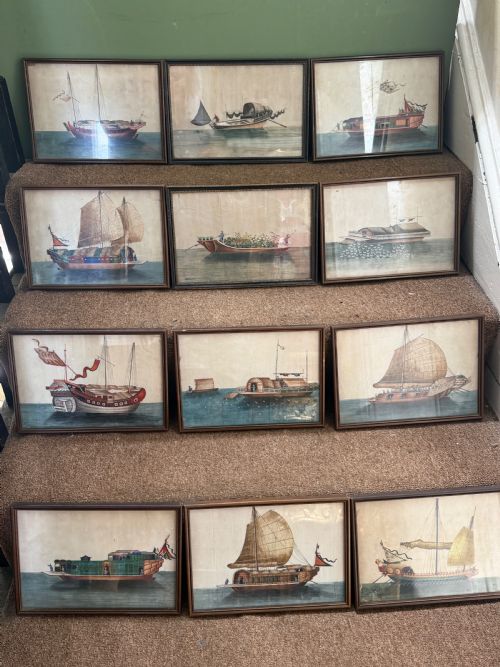
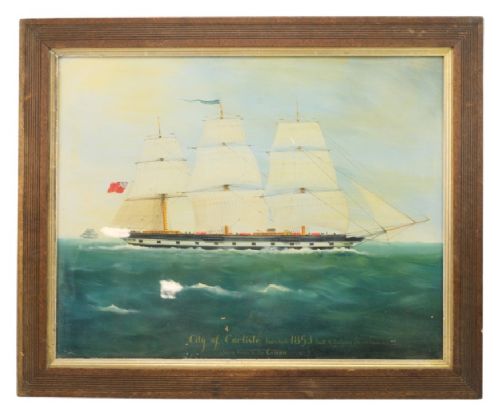
The selection includes formal oil portraits of named clippers, Chinese export gouaches of junks, and cased folk art dioramas.
Distinctions in quality
Quality rests upon the artist's grasp of maritime architecture, rigging accuracy, and spatial depth within the composition. Master hands handle turbulent water, shifting light, and vessel proportions with convincing weight and movement.
Condition and originality dictate standing, particularly in painted surfaces retaining their original pigment and uncompromised canvas or panel supports. Cased dioramas and framed works hold greater presence when their interior elements and protective surrounds remain intact.
James Hardy·William McAlpine·Reginald Arthur Borstel·John Rose Miles·William Broome·Bernard Benedict Hemy·TB Hardy·John Wilson Carmichael·Lai Fong·Nicholas Condy·Richard B Spencer·Abraham Hulk I·William Frederick Settle·Charles William Wyllie·Charles William Adderton·Thomas Bush Hardy·Ernest Dade·Charles Sim Mottram
The 19th Century Ship Art Glossary
- Barque
- A sailing vessel with three or more masts, having fore-and-aft sails on the mizzenmast and square sails on the other masts. This rig appeared frequently in commercial fleets during the period.
- Diorama
- A three-dimensional scene featuring carved and painted models set against a painted background inside a glazed case. These pieces combined sculpture with maritime painting.
- Gouache
- An opaque watercolour paint that produced dense, matte surfaces well suited to crisp details on paper. Artists utilised this medium for bright coastal and shipping views.
- Pierhead painting
- A specialised portrait of a specific ship commissioned by its master or owner upon entering port. These works recorded vessel specifications accurately for commercial pride.
- Seascape
- A work of art depicting the sea, coastal views, and marine vessels in various weather conditions. This genre encompasses both calm harbour scenes and dramatic storm narratives.
19th Century Ship Art: Frequently Asked Questions
What subjects appear in nineteenth century marine art?
These works depict named merchant clippers, warships, naval engagements, and local fishing vessels operating in coastal waters or open seas. Scenes range from calm harbour approaches to dramatic shipwrecks and rescues.
Artists recorded specific historical events, such as troop transports heading to the Crimea, alongside everyday commercial shipping in busy ports like London and Dublin.
How do oil paintings differ from watercolours here?
Oil paintings on canvas or panel provided durable, rich surfaces capable of rendering deep shadows and luminous skies over heavy seas. They hung in shipowners' offices and domestic parlours as substantial statements.
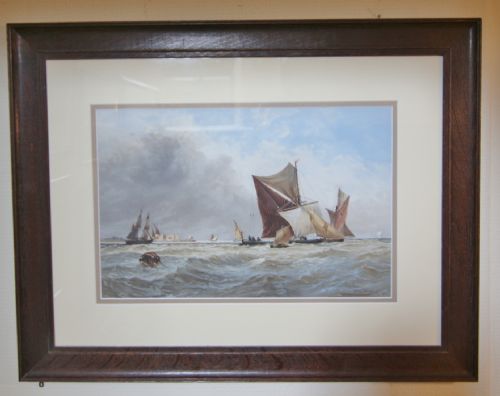
Watercolours on paper offered immediate, expressive execution, capturing coastal light and atmospheric weather with transparent washes and fine ink details.
What is a maritime diorama?
A maritime diorama is a cased, three-dimensional model of a sailing ship set against a painted background to create perspective. Makers built these using carved wood, wire, and textiles.
Enclosed behind glass in wooden frames, they protected delicate rigging while giving the illusion of a vessel moving through actual waves.
Who bought these maritime paintings originally?
Shipowners, sea captains, and merchants commissioned pierhead portraits and vessel scenes to document commercial fleets and personal maritime careers. These works served as tangible proof of enterprise and navigation.
Collectors and urban residents also purchased coastal views and shipping scenes to bring the romance and commerce of the sea into their homes.
How should I care for antique ship art?
Keep framed paintings and works on paper away from direct sunlight and excessive humidity to protect pigments and paper supports. Stable indoor temperatures prevent warping in wooden panels and frames.
Cased dioramas require gentle exterior dusting of the glass, leaving the delicate interior models undisturbed within their sealed environments.