
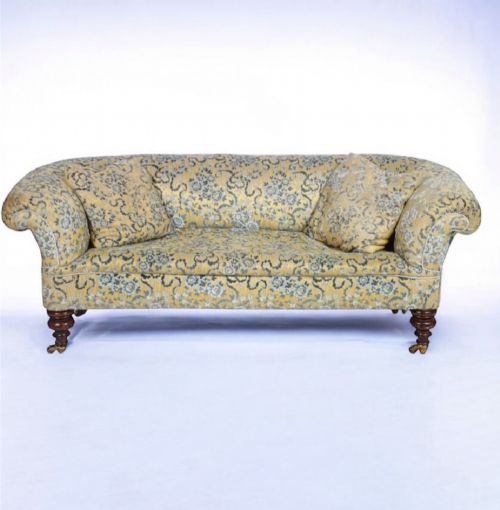
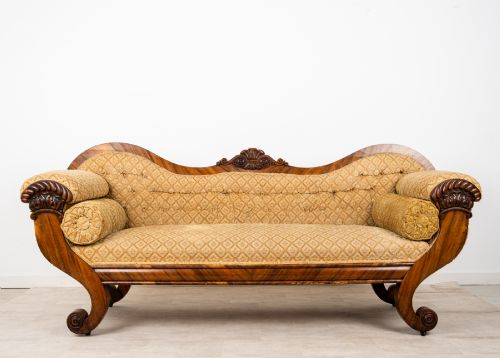
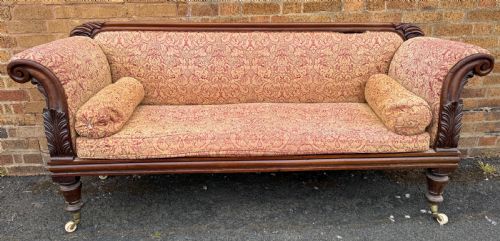
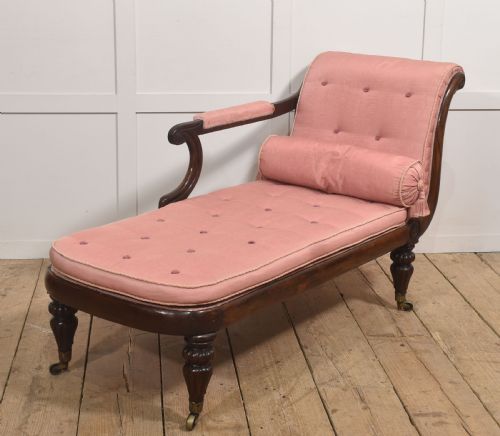
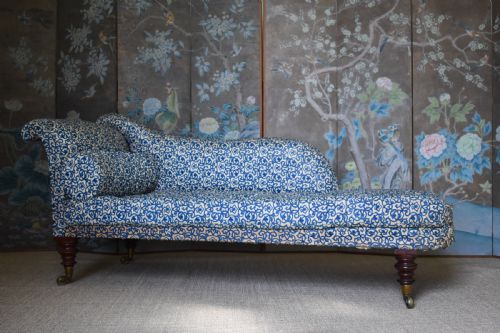


19th Century Scroll Sofa
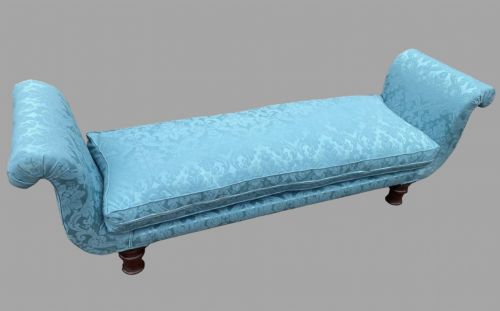
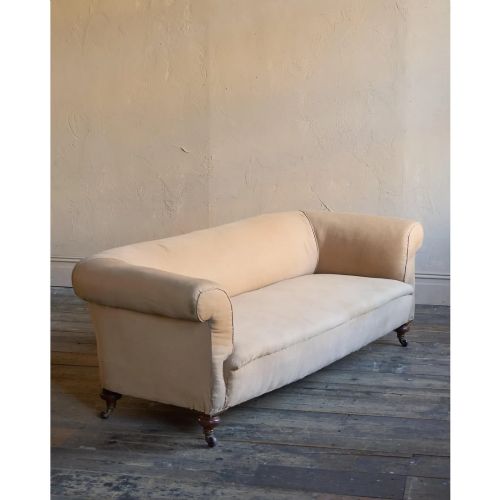
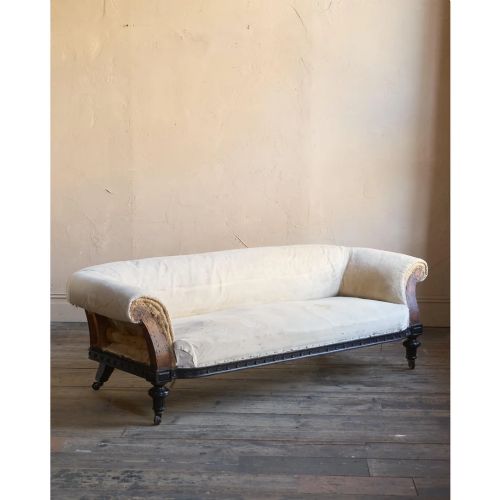
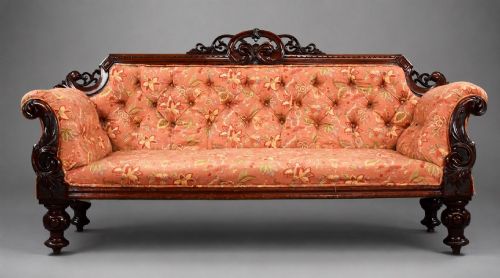
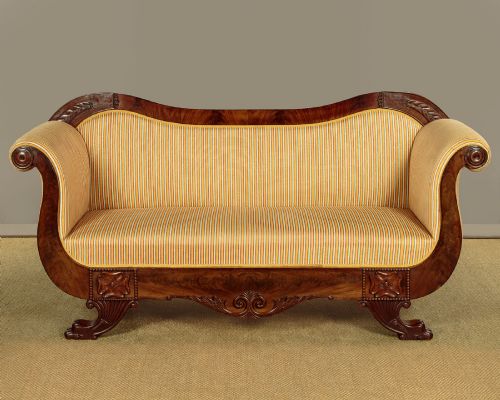
A 19th century scroll sofa brings architectural grace and sweeping wooden curves to a room, offering deep comfort for reclining.
How they were made
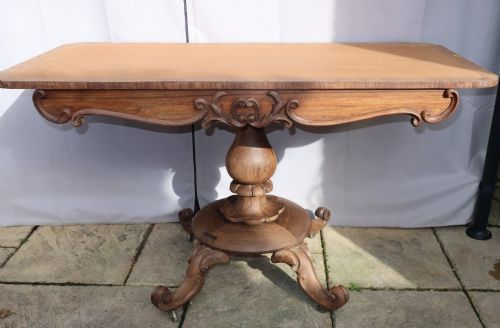
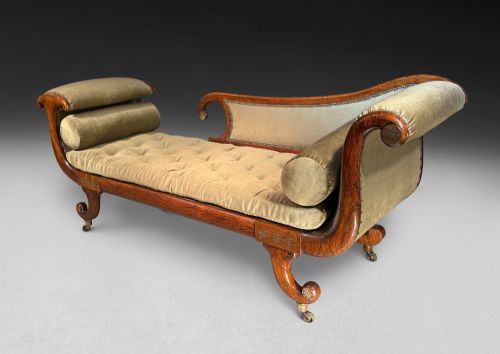
Cabinetmakers constructed the foundational frames from dense hardwoods such as mahogany, rosewood, and walnut, often utilising simulated finishes or brass inlay. Show frames required precise carving by hand to shape the characteristic scroll arms and flowing structural lines.
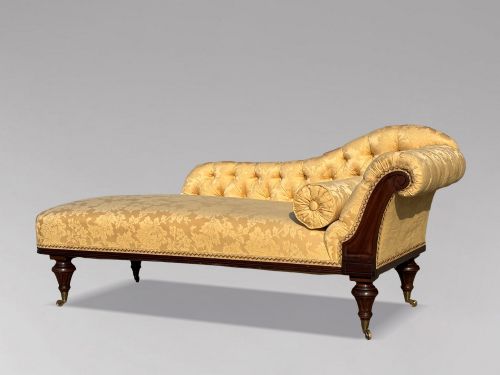
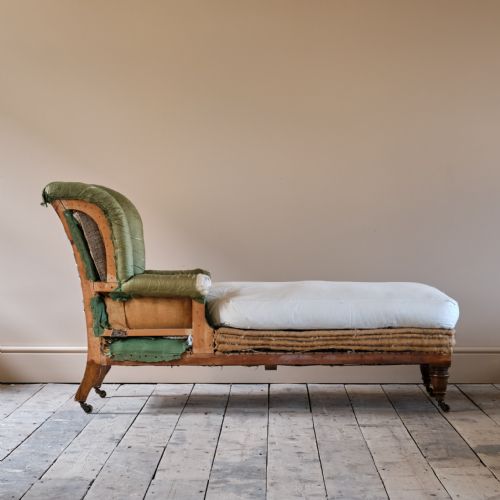
Internal upholstery systems relied on traditional stuffing materials secured over hessian foundations. Surface fabrics ranged from plush velvet and patterned upholstery cloth to traditional green silk.
What varies in quality
Quality rests primarily in the crispness of the timber carving and the architectural balance of the scroll ends. Superior frames exhibit deeply figured veneers or solid timbers that have retained their structural integrity over generations.
The distinction between ordinary and exceptional pieces also lies in the fidelity of the period style, from restrained Regency lines to elaborate Victorian ornamentation. Original surface patination and untouched frame construction elevate a piece considerably.
Several sofas hide their structural history beneath centuries of silk and velvet, waiting quietly for a second act.
Holland And Sons·Howard And Sons·Thomas Hope·Gillows
The 19th Century Scroll Sofa Glossary
- Scroll end
- A sweeping, curved wooden terminal that defines the arm or back of a seat. This classical feature references ancient Grecian and Roman furniture designs.
- Chaise longue
- An elongated upholstered chair designed for reclining, combining a sofa with a chair. They frequently appear with a single raised scroll end.
- Show frame
- A wooden structural skeleton left exposed around the upholstered elements. Cabinetmakers lavished carved detail on these visible sections.
- Simulated rosewood
- A painted or stained wood finish designed to imitate the rich grain of genuine rosewood. Craftsmen used this technique during the Regency period.
- Lit bateau
- A French bed or daybed form featuring high, curving head and footboards resembling a boat. These pieces often double as sophisticated day seating.
19th Century Scroll Sofa: Frequently Asked Questions
How do I identify a Regency scroll sofa?
Regency examples often display classical restraint, incorporating brass inlay, simulated rosewood finishes, and precise lyre or scroll shapes.
Cabinetmakers working in this period drew heavily on archaeological discoveries, resulting in clean lines and balanced proportions.
Where should I place a chaise longue?
These pieces suit large living spaces, dressing rooms, or studies where they can sit away from walls to show off their carved backs.
Their elongated form makes them ideal for reading or resting while maintaining an open sightline across the room.
What is a country house sofa?
Country house pieces are generous, comfortable seating forms built for relaxed domestic interiors rather than formal formal reception rooms.
They usually prioritize deep cushioning and durable upholstery over strict adherence to classical revival styles.
How do I care for rosewood frames?
Keep antique rosewood out of direct sunlight and away from heat sources to prevent the timber and veneers from drying out.
Apply a minimal amount of appropriate furniture wax occasionally to maintain the natural lustre of the polished wood.