
Victorian Carved Mahogany Sofa
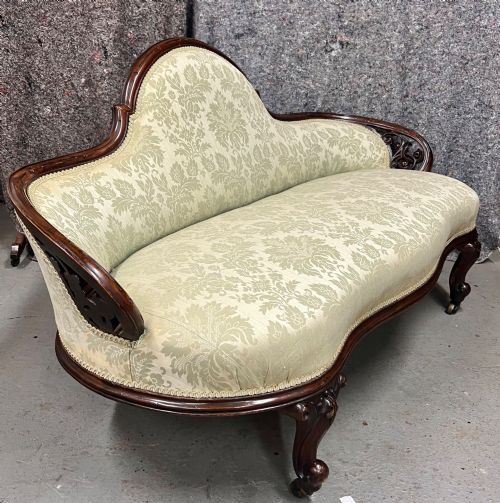
A victorian carved mahogany sofa brings rich timber frames and heavy period upholstery together for a traditional seating centrepiece.
Victorian Carved Mahogany Sofa
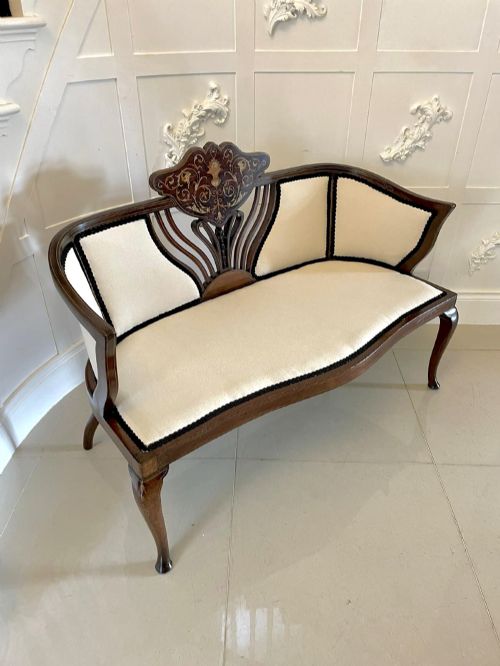
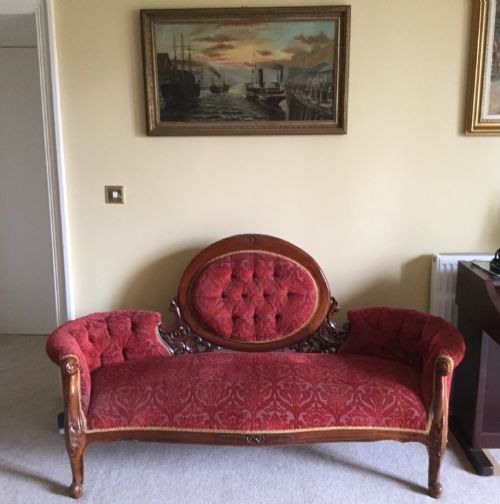
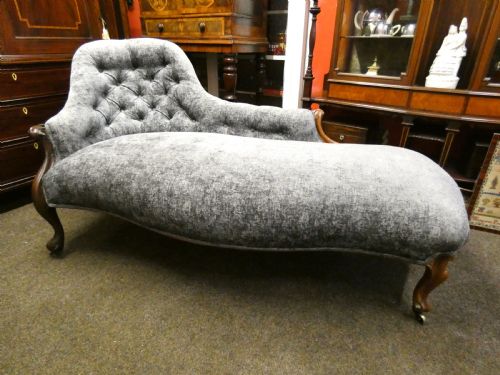
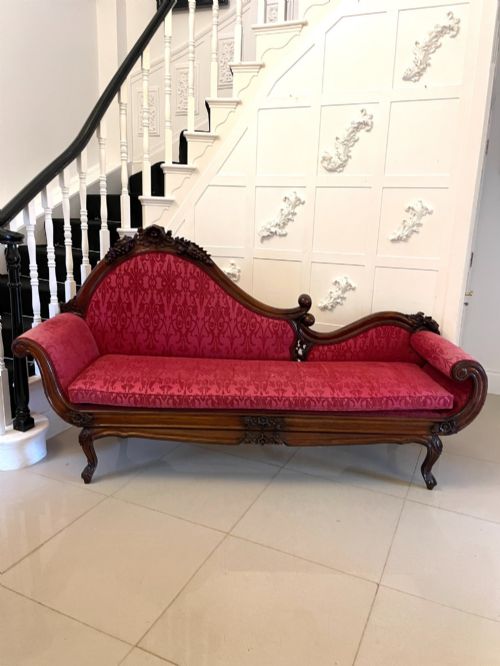
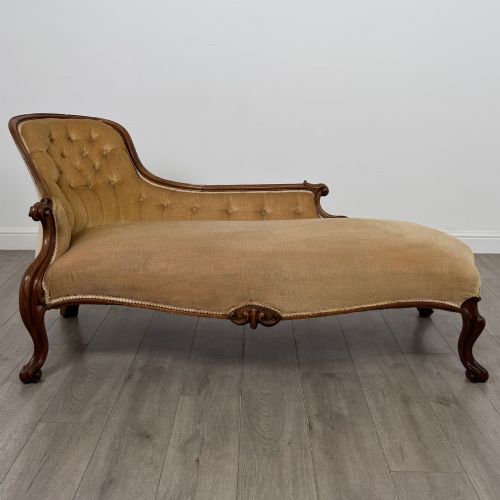
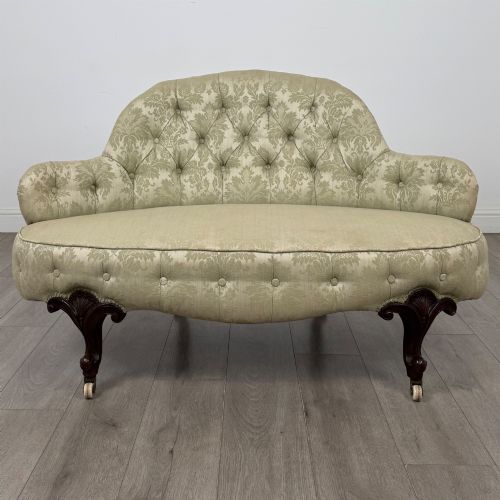
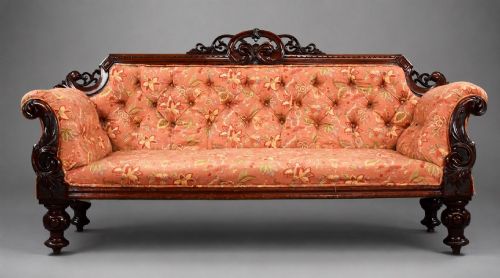
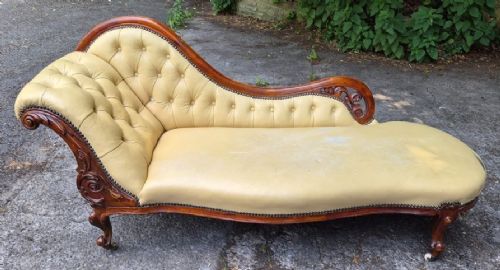
A victorian carved mahogany sofa encompasses several distinct seating forms from the nineteenth century, including double-ended couches, scroll-arm settees, and chaise longues. These pieces reflect the varied stylistic revivals of the period, drawing on Chippendale, Regency, and Rococo influences alongside straightforward Victorian joinery.
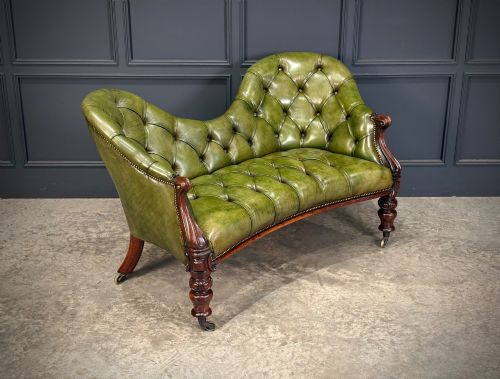
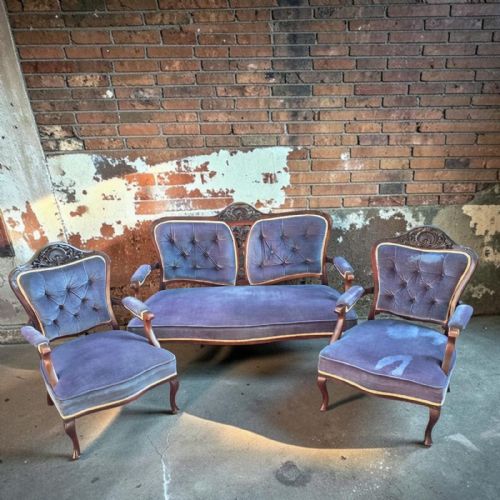
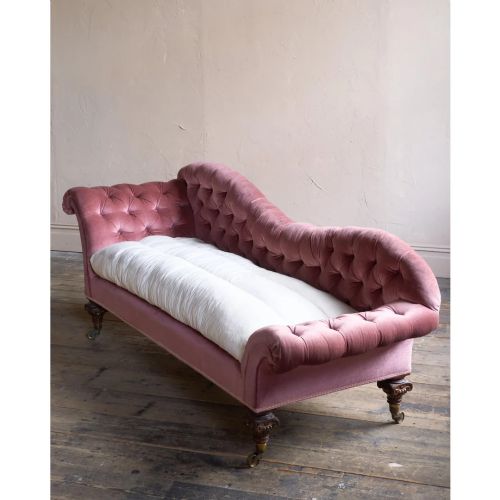
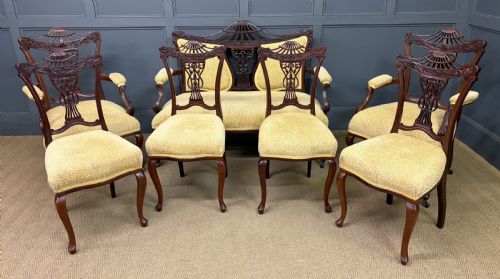
The version most commonly met on this page is the carved mahogany framed sofa or chaise longue, often upholstered in deep buttoned leather, velvet, or damask. These items range from compact two-seater settees to larger double spoon-back designs intended for formal reception rooms.
Makers and workshops of the era employed dense tropical timber to create substantial frames supporting sprung seats and elaborate scrollwork. The survival of these pieces demonstrates the robust domestic carpentry typical of nineteenth-century British cabinet making.
How these pieces were constructed
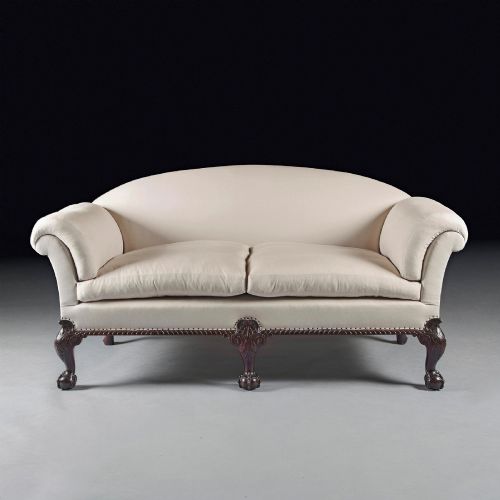
The structural framework relies on solid mahogany, sometimes enhanced by flame mahogany veneers and marquetry details. Cabinet makers shaped the dense timber into carved scroll arms, ionic columns, and ball and claw feet.
Upholstery techniques combined traditional coil springing with horsehair stuffing, held in place by heavy woven fabrics, damask, velvet, or buttoned leather. Show-wood frames were left exposed around the padded sections to display the grain and carved ornamentation.
Listings demonstrate that nineteenth-century seating combines mahogany frames with brass castors, damask, leather, and velvet upholstery fabrics.
What distinguishes the finer examples
The depth and crispness of the timber carving set superior frames apart from plainer commercial production. Hand-carved scrollwork and detailed mouldings require skilled labour that elevates the status of an individual couch.
The integration of the show-wood frame with the upholstered portions dictates the overall balance of the piece. Superior sofas maintain structural integrity beneath heavy brocade or leather, using substantial timber scantlings rather than thin veneered shells.
Howard and Sons·Butlers of Dublin
The Victorian Carved Mahogany Sofa Glossary
- Double-ended sofa
- A couch featuring symmetrical scroll ends of equal height at both sides. This balanced form allows a user to recline comfortably facing either direction.
- Settee
- A medium-sized upholstered seat with a back and arms, designed for two or more people. The term is frequently used interchangeably with sofa in nineteenth-century inventory records.
- Show-wood
- The exposed polished wooden framework of an upholstered seat. It allows the grain and carved details of the mahogany to remain visible around the fabric.
- Spoon-back
- A padded chair or sofa back hollowed out in the shape of a spoon. This ergonomic Victorian form provides curved support for the sitter's spine.
Victorian Carved Mahogany Sofa: Frequently Asked Questions
How do I identify a Victorian sofa?
Look for dense mahogany frames combined with nineteenth-century upholstery styles like deep buttoning or horsehair stuffing. The presence of revival motifs such as Chippendale scrolls or Rococo curves points directly to the period.
Check for construction methods typical of the era, including hand-cut joinery and heavy timber scantlings beneath the fabric. The overall silhouette generally follows Victorian domestic comfort trends rather than eighteenth-century lightness.
Where were these sofas placed?
Nineteenth-century sofas and settees belonged in principal entertaining spaces like drawing rooms, libraries, and formal reception parlours. They provided structured seating for guests during social calls.
Chaise longues were frequently positioned near windows or fireplaces for afternoon resting. Smaller settees often stood against panelled walls or served as companion pieces within larger salon suites.
How do I care for mahogany frames?
Maintain polished mahogany surfaces by dusting them regularly with a dry lint-free cloth. Avoid placing the timber in direct sunlight or near heat sources to prevent the wood from drying out.
Feed the polished finish periodically with traditional beeswax rather than modern silicone sprays. This preserves the depth of the grain and protects the nineteenth-century surface.