


19th Century Safe
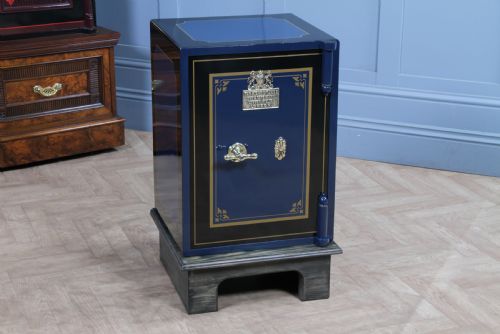
A 19th century safe offers robust security and historic metalwork, serving as both a functional strongbox and a striking interior focal point.
19th Century Safe
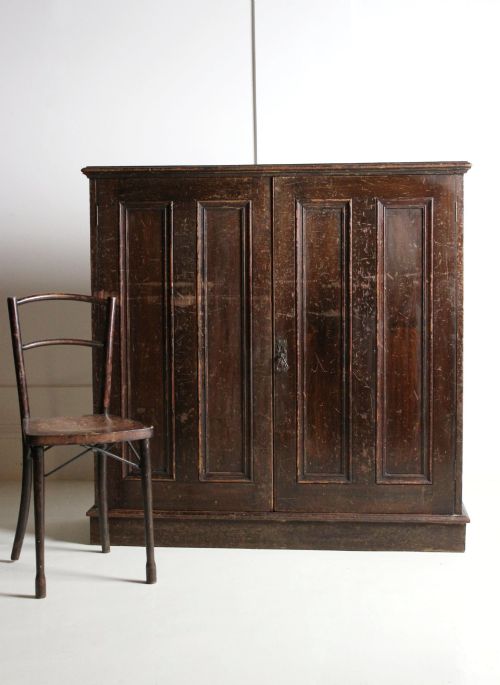
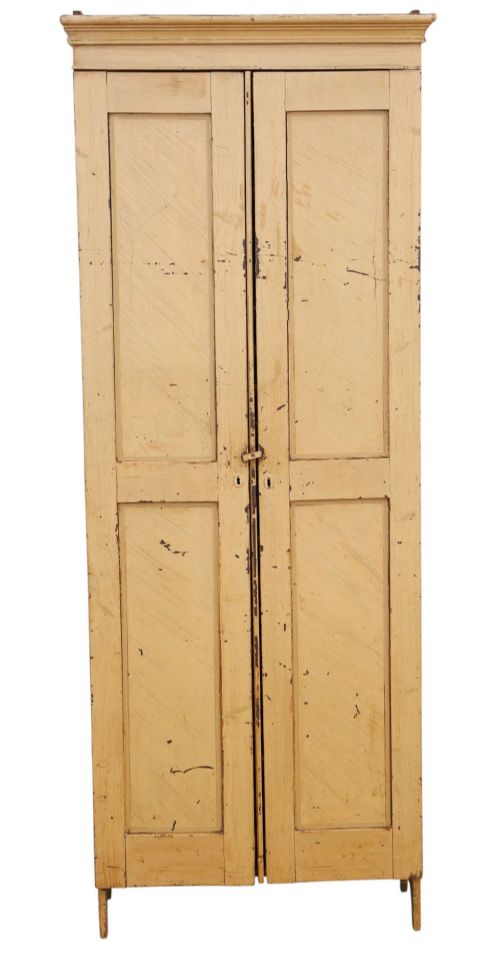
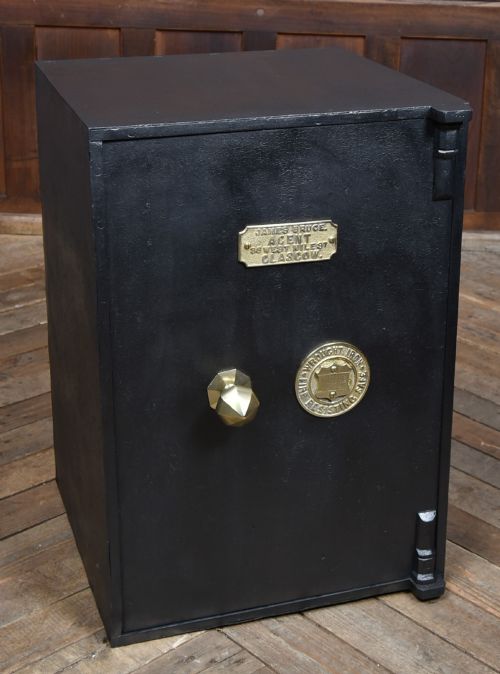
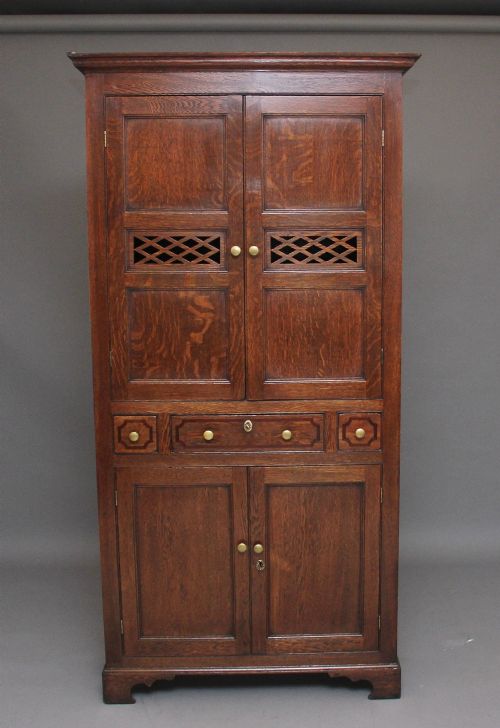
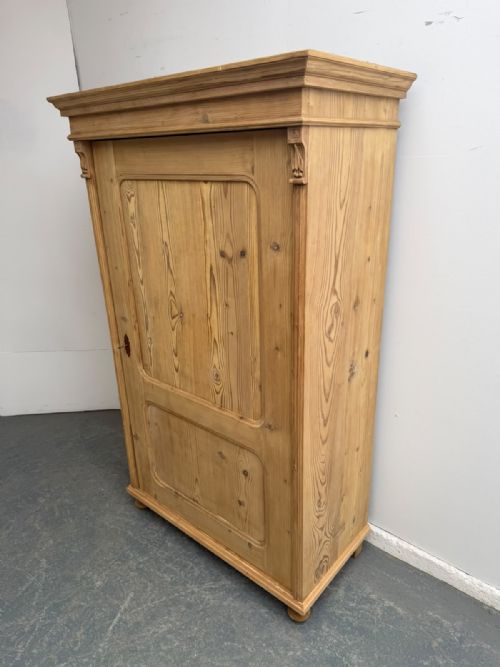
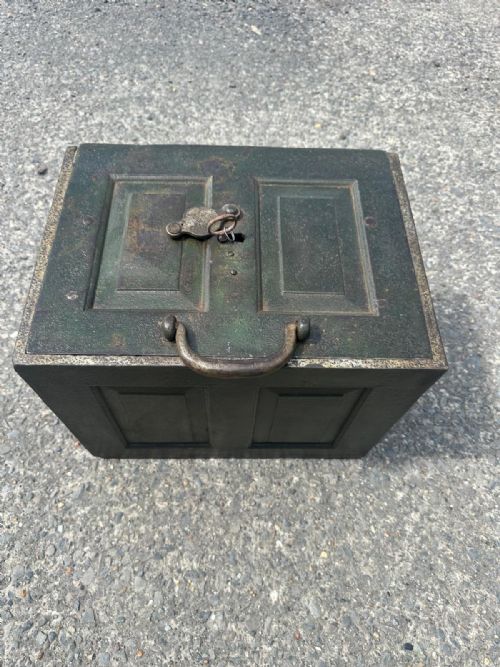
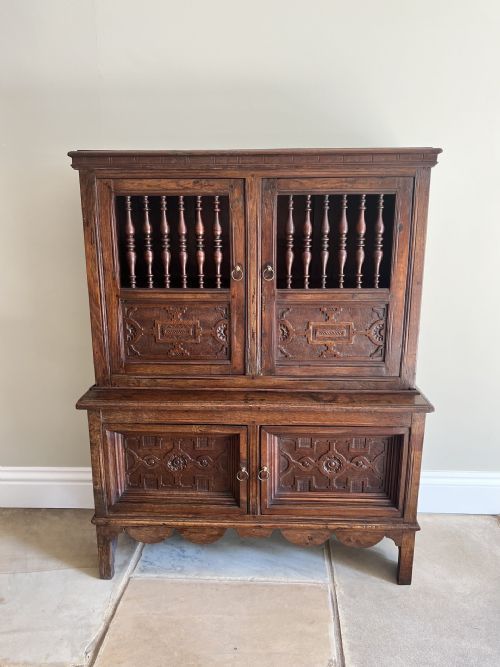
A 19th century safe encompasses heavy iron strongboxes, cast iron lock boxes, and wooden food cupboards designed for secure storage or food preservation. Buyers searching for a 19th century safe typically encounter utilitarian iron containers alongside domestic pine and oak food safes, many complete with original keys and working locks.
The materials span sturdy cast iron, polished steel, and painted wood, often originating from British workshops or French provincial kitchens. These pieces reflect the varied domestic and commercial security needs of the Victorian era, ranging from small table-top strongboxes to large banker's cabinets.
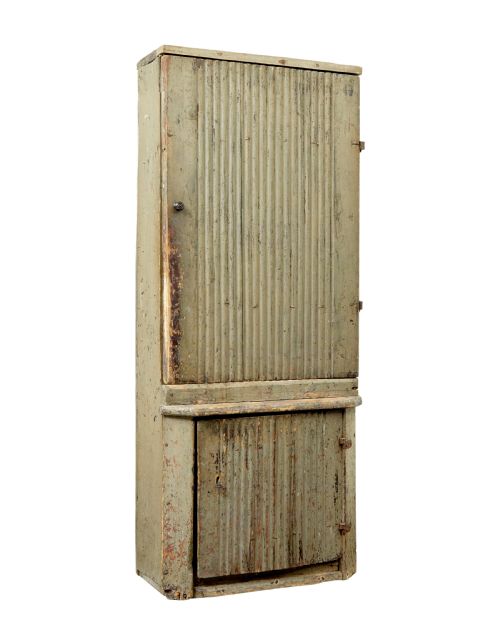
Examples frequently integrate regional craftsmanship, such as Scottish ironwork, French panetières, or Scandinavian painted pine. Each variation provides distinct storage capabilities suited to modern interiors requiring characterful period furniture.
How they were made
Constructed primarily from heavy iron, cast iron, and solid woods such as oak and pine, these pieces utilise durable joinery and metal plating. Makers combined forged iron plates with robust internal locking mechanisms to achieve fire-resistant and tamper-proof storage.
Surface treatments vary from original paint finishes and black lacquer to exposed polished steel and waxed wood. Structural integrity relied on heavy-duty hinges, multi-dial combinations, and intricate brass or cast iron lock boxes.
Listings feature oak, pine, cast iron, and painted wood across Victorian, French provincial, and Scandinavian folk art styles.
What varies in quality
The distinction between standard utility boxes and top-tier examples lies in the complexity of the locking mechanisms and the survival of original decorative elements. Pieces featuring signed maker's plates, multi-dial combinations, and untouched original paint finishes command greater interest from collectors.
Quality also shows in the weight and thickness of the cast iron, the precision of the internal mechanism, and the preservation of original keys. Well-maintained ironwork without modern replacement parts represents the upper tier of surviving examples.
James Bruce Glasgow·Tanns Defiance London·Elkington·Milners of Liverpool·Samuel Withers
The 19th Century Safe Glossary
- Strongbox
- A heavily reinforced metal or wooden chest designed to secure valuables against theft or fire. These often feature complex internal locking levers.
- Panetière
- A traditional French cabinet or bread safe featuring spindle or pierced panels for ventilation. They were traditionally used to store bread away from pests.
- Cast iron
- An iron-carbon alloy poured into moulds to create heavy, rigid structural components. It formed the primary body material for Victorian fire-resistant safes.
19th Century Safe: Frequently Asked Questions
How do I secure a 19th century safe?
Most of these pieces utilise heavy iron doors secured by original key-operated locks or early combination dials. Consulting a specialist locksmith helps preserve historical mechanisms while ensuring modern functional security.
Heavier models require professional placement due to their substantial cast iron construction and weight.
Were these used for money or food?
The term covers both commercial iron security boxes meant for currency and domestic pine food safes designed for ventilation. Iron models protected valuables, while wooden variants with mesh panels kept provisions safe in kitchens.
Distinguishing between the two depends on the presence of fire-resistant iron plating versus wooden shelving.
Can I keep a safe in a living room?
Their striking industrial aesthetic and painted wood finishes make them suitable as statement coffee tables or side cabinets. Placing them in main rooms highlights the patinated metalwork and historical character.
Floor strength should be assessed beforehand due to the considerable weight of solid cast iron models.
How do I identify the original finish?
Original painted surfaces show natural wear, craquelure, and patination accumulated over generations of use. Examining the interior surfaces often reveals untouched layers beneath later decorative updates.
Preserving these original coatings maintains the historical integrity and visual depth of the piece.