



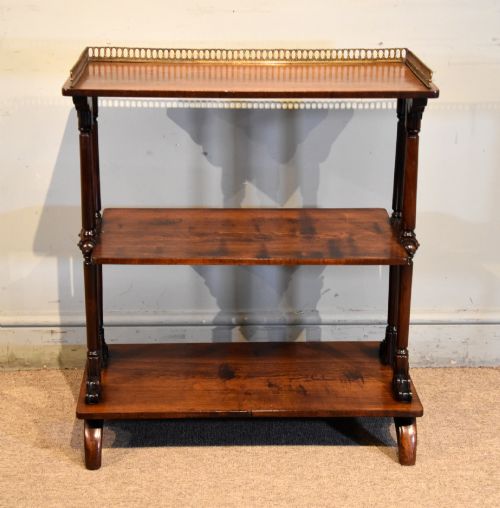
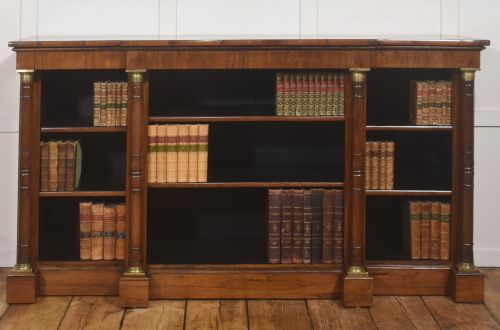
19th Century Rosewood Furniture
These pieces of 19th century rosewood furniture bring deep grain, rich colour and formal presence to a room.

19th Century Rosewood Furniture
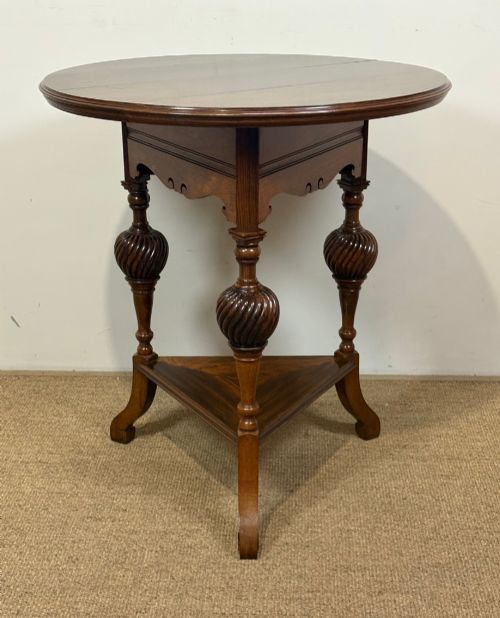
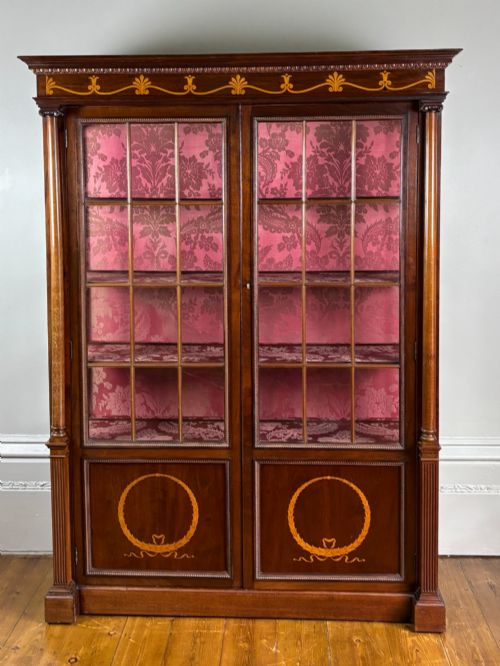
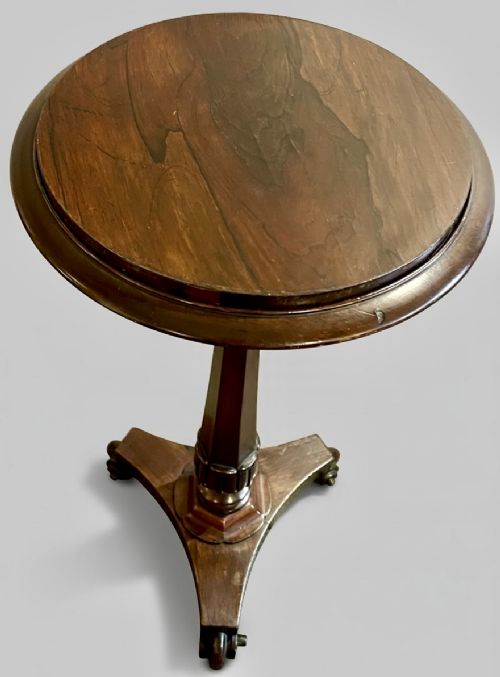
When you search for 19th century rosewood furniture, you encounter a varied collection of seating, tables, cabinets and storage pieces spanning the Regency, William IV and Victorian periods. The selection runs from practical bookcases and chests of drawers to decorative items such as teapoys, Canterbury stands and étagères.
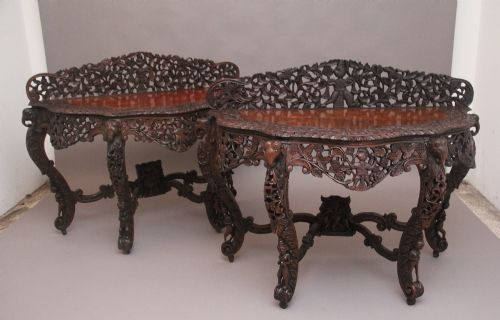
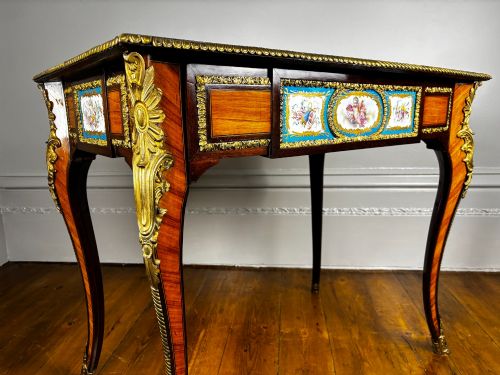
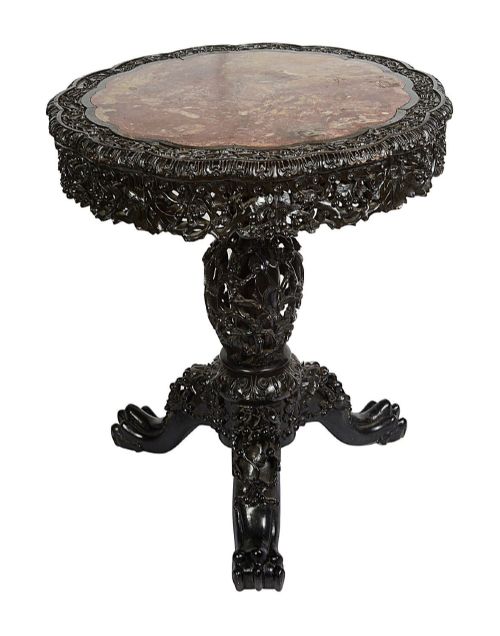
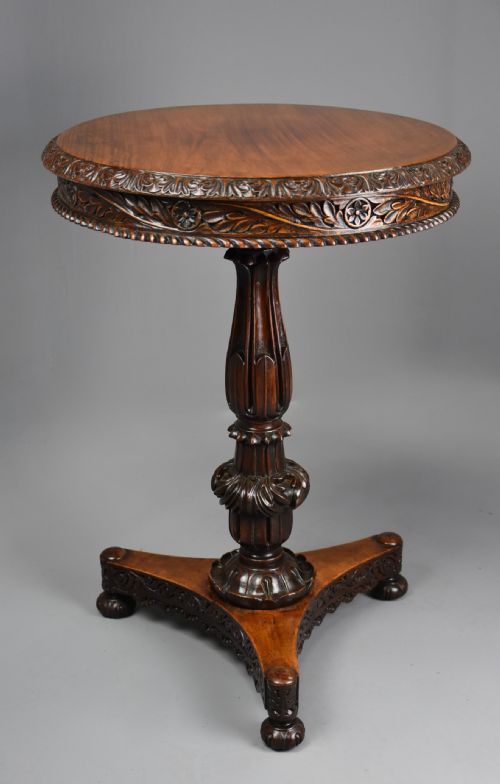
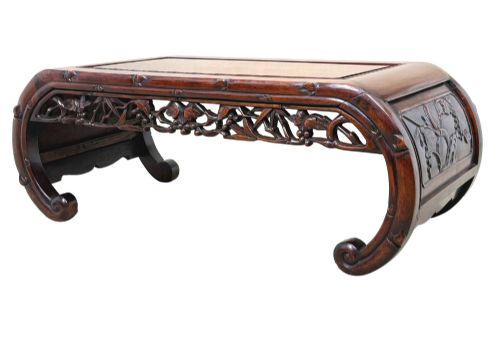
The objects originate from diverse workshops and regions, encompassing domestic British cabinet making alongside Anglo-Indian carved pieces, Chinese low tables and stands, and French items. Side tables and centre tables appear frequently alongside chiffoniers and open bookcases, reflecting the domestic needs of nineteenth-century interiors.
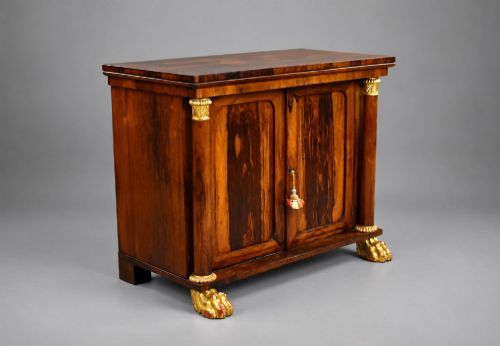
Stylistic variation is wide, taking in the clean lines of the Regency era, heavier Victorian proportions, Gothic Revival panelling, and intricate brass inlay from Hoshiarpur. Pieces range from formal dining and card tables to specialised items like filing cabinets and Wellington chests.
Materials and construction
Surface decoration frequently includes inlay in satinwood, bone or brass, alongside deep hand-carving seen on Anglo-Indian and Chinese items. Fabric upholstery appears on chairs, stools and sofas, while marble and glass top certain specialist tables and cabinets.
19th Century Rosewood Furniture Retail Price Guide 2026
Typical asking prices for 19th century rosewood furniture among the pieces listed under this phrase on Sellingantiques today, from the lower quarter to the upper quarter. They describe what is for sale here now, not the wider market.
Nineteenth-century tea lovers relied on locked teapoys to keep precious tea leaves safe from light-fingered servants.
Distinguishing quality
The standard of timber selection and veneer matching defines the visual impact of a piece, with continuous grain patterns and rich natural figuring setting apart superior examples. Finer items display crisp, deep hand-carving and precise brass inlay rather than mechanical execution or plain surfaces.
Structural integrity and the retention of original elements, such as brass castors, internal fittings, adjustable shelving mechanisms and makers' labels, separate standard workshop output from exceptional cabinet work.
W A Willcocks
The 19th Century Rosewood Furniture Glossary
- Teapoy
- A small stand or table designed for holding tea caddies, typically featuring a lidded compartment enclosing canisters. These pieces gained popularity during the Regency period.
- Chiffonier
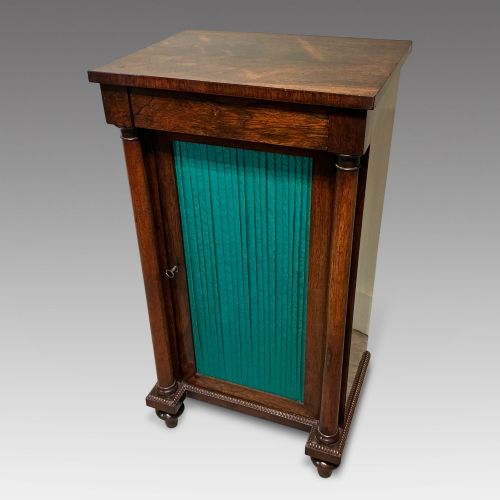
- A low sideboard or cabinet featuring doors enclosing shelves, frequently topped with a raised shelf or mirrored back. They served as functional storage in nineteenth-century dining and living rooms.
- Canterbury
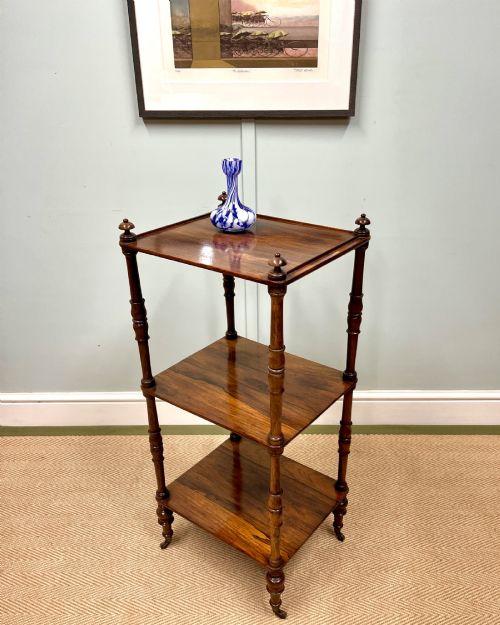
- A low stand fitted with vertical partitions, originally built to hold sheet music or folios. Later variations accommodated books and newspapers.
- Wellington chest
- A tall, narrow chest of drawers secured by a hinged locking side stile that fastens with a key. This form maximised vertical storage space in smaller rooms.
- Étagère
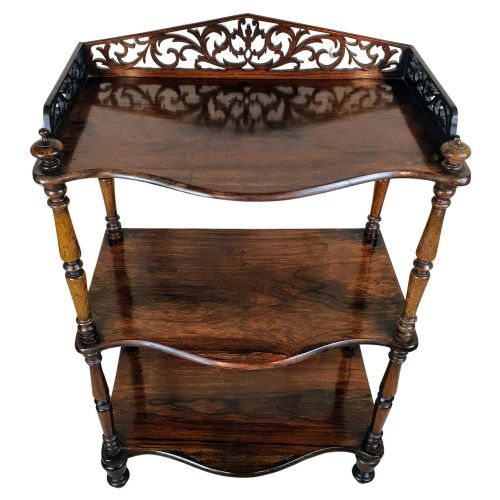
- A set of open tiered shelves used for displaying ornaments and small objects. They are light movable pieces common in Victorian interiors.
19th Century Rosewood Furniture: Frequently Asked Questions
Where should I put a rosewood centre table?
A centre table stands freely in the middle of a room, historically serving as a surface for books and lamps in large reception spaces.
Today, placing one in a drawing room or spacious hallway creates a functional focal point that displays its timber grain from every angle.
How do I care for rosewood furniture?
Keep timber pieces away from direct sunlight and steady heat sources to prevent the rosewood and its underlying veneers from drying out or splitting.
Dust regularly with a dry cloth and occasionally apply a neutral furniture wax to maintain the natural lustre of the polished surface.
What is an Anglo-Indian rosewood piece?
Anglo-Indian furniture refers to items made in India by local artisans using dense native timbers like rosewood, often combining British furniture forms with intricate indigenous carving styles.
These pieces frequently display deep floral or geometric relief work and were imported by British officers and merchants during the nineteenth century.
How do I date a rosewood chiffonier?
Examine the overall proportions and decorative motifs, noting that earlier Regency examples often feature gilt details and simpler doors, while Victorian pieces lean towards heavier carving and Gothic Revival panelling.
Internal construction methods, screw types and the presence of original brass hardware or makers' labels also help narrow down the decade of production.