


19th Century Rosewood Buffet
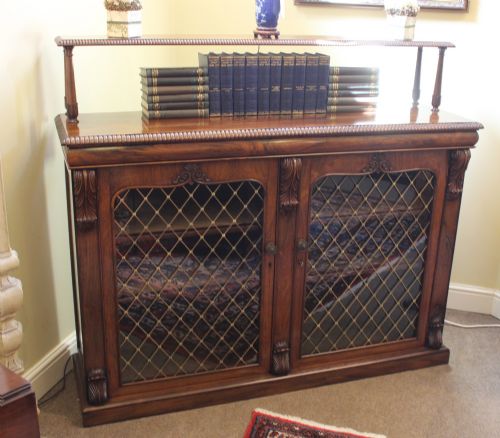
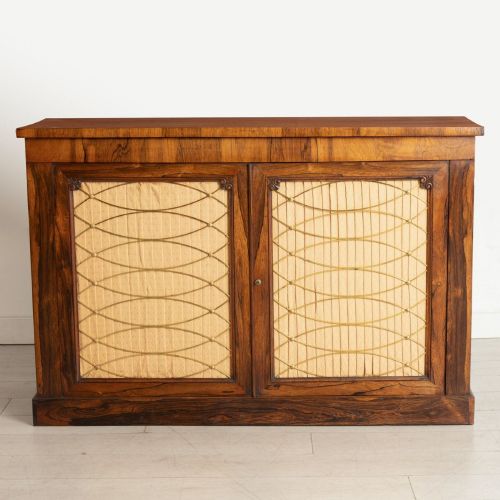
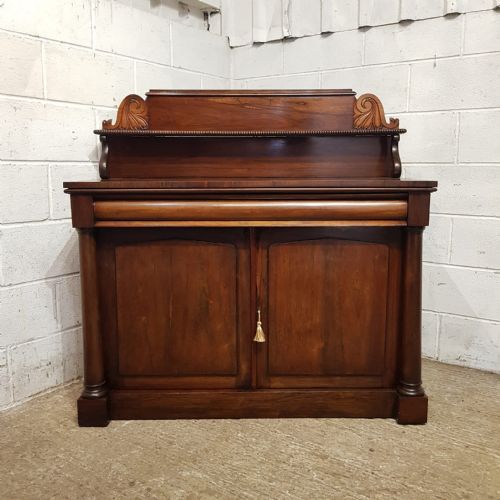
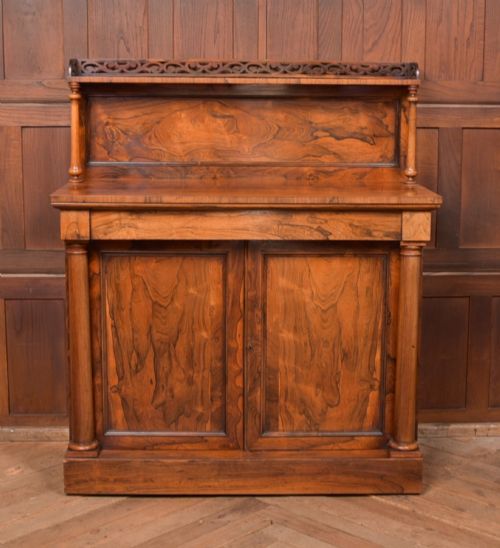
These 19th century rosewood buffet pieces are substantial side furniture items built to anchor dining rooms with dark timber and mirrored backs.
19th Century Rosewood Buffet
When you search for a 19th century rosewood buffet, you encounter a variety of low storage pieces designed for the dining room or parlour. The selections on this page span several decades of the nineteenth century, taking the form of chiffons, sideboards, cabinets, and central standing shelves.
You are most likely to meet the Victorian chiffonier or side cabinet on this page, often featuring enclosed lower cupboards and a mirrored superstructure. Pieces stretch from the crisp lines of the Regency period through William IV heavy timber work to later Victorian and Anglo-Indian interpretations.
How They Were Made
Cabinet makers utilised dense rosewood timber, frequently applied as a fine veneer over secondary woods to build substantial carcass structures. Brass details, glass door panels, and mirror glass inserts integrated into the upper sections provide reflective light.
Carved ornament and architectural mouldings define the decorative vocabulary, linking Regency restraint with bolder Victorian revival styles. Fabric linings occasionally back open shelving units and glazed display compartments.
Materials recorded across the inventory include solid and veneered rosewood, brass, fabric, and mirror glass.
What Varies in Quality
The distinction between ordinary and exceptional examples rests in the selection of the rosewood grain and the crispness of the timber carving. Cabinet work with tight joinery, original brass hardware, and intact mirror glass commands greater attention from collectors.
Proportion and architectural balance set the finer pieces apart from standard workshop production, particularly in grand breakfront sideboards and detailed chiffoniers.
Gillows·Sigmund Jaray Wien
The 19th Century Rosewood Buffet Glossary
- Chiffonier
- A low sideboard or cabinet with enclosed shelving below, frequently topped by a mirrored back or tier for display.
- Breakfront
- A piece of furniture where the central section projects forward from the flanking cabinet doors.
- Veneer
- A thin layer of figured rosewood applied over a stable secondary timber base to create a decorative exterior surface.
- Whatnot
- A set of open shelves used for displaying ornaments and books, often combined with cabinet storage in nineteenth-century rooms.
19th Century Rosewood Buffet: Frequently Asked Questions
What is a 19th century rosewood buffet used for?
These pieces served as dining room storage for china, glassware, and silver serving dishes during the nineteenth century. The upper tiers and mirrored backs also provided a display surface for decorative ceramics and ornaments.
Today, they function as practical credenzas and sideboards in sitting rooms and dining spaces, offering enclosed cupboard space alongside display areas.
How do I identify a Regency rosewood cabinet?
Regency examples typically display classical restraint, clean lines, and architectural influence drawn from ancient Greek and Roman design. They rely on dark rosewood grain patterns rather than heavy carving for their visual impact.
Later Victorian versions introduce heavier proportions, scrolling brackets, and more elaborate mirrored superstructures above the main cabinet base.
What is the difference between a chiffonier and a sideboard?
A chiffonier is generally smaller and more compact, originally intended for smaller parlours as a multi-purpose cabinet with a raised back. Sideboards are longer dining room pieces designed specifically for serving food and storing large tableware.
Both forms appear frequently in nineteenth-century rosewood, sharing enclosed lower cupboards and timber construction.
How do I care for rosewood furniture?
Rosewood benefits from stable indoor humidity and protection from direct sunlight to prevent the timber and veneer from drying out. Regular dusting with a soft, dry cloth preserves the polished surface without building up wax residues.
Avoid placing damp items or hot dishes directly on the timber top to protect the polished finish.