




19th Century Room Divider
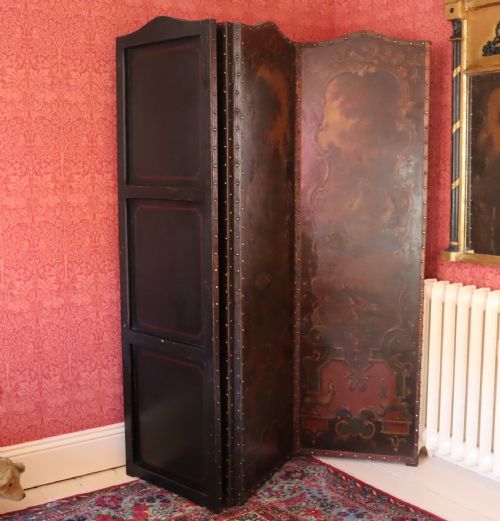
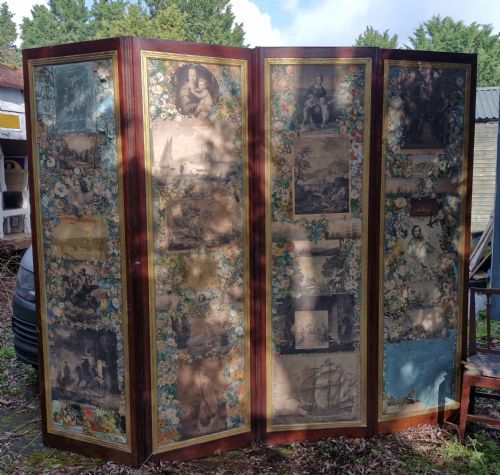
A 19th century room divider creates instant division in a large space, combining timber frames with painted leather, silk panels, or carved lacquer.
19th Century Room Divider
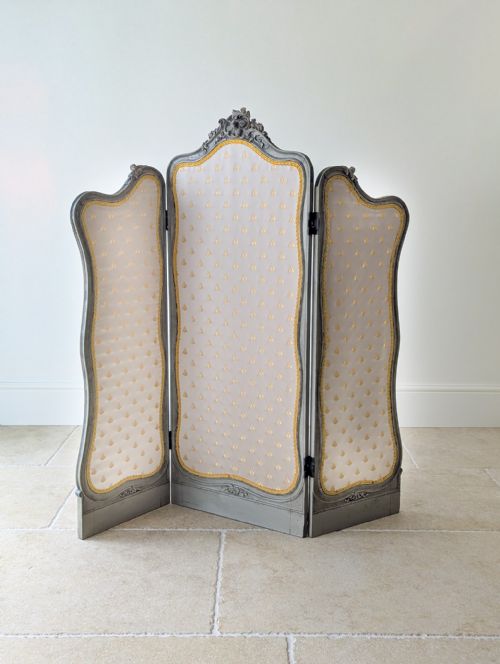
A 19th century room divider takes the form of folding screens spanning multiple panels, ranging from three-fold vanity screens to large eight-fold lacquer pieces. These items serve to partition spaces or alter the visual flow of a room using traditional hinges.
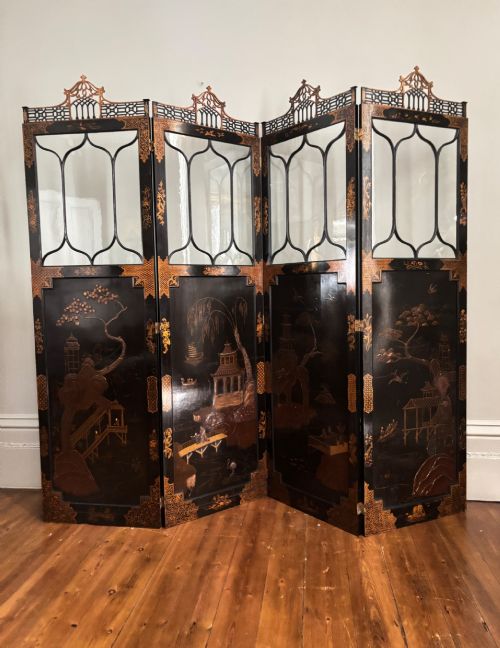
The most common versions on this page are folding screens originating from European salons and Chinese workshops. Pieces from this era frequently utilise wood, leather, glass, and fabric to achieve both decorative and functional purposes.
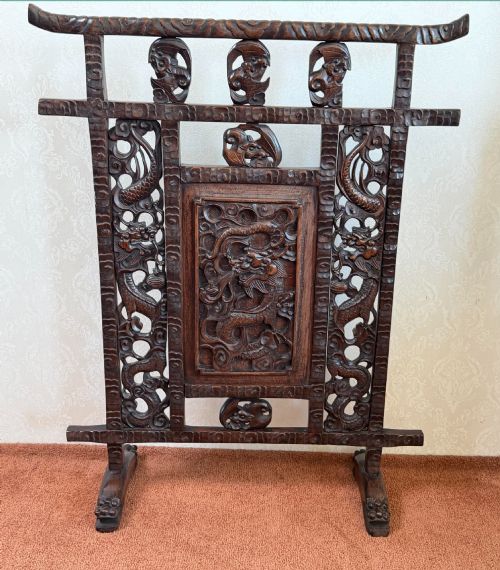
Makers of the period applied diverse stylistic influences, incorporating French Rococo Revival, Chinese Chippendale, and Chinoiserie motifs. Buyers encounter both domestic country house mahogany frames and intricate oriental lacquer panels.
Materials and construction
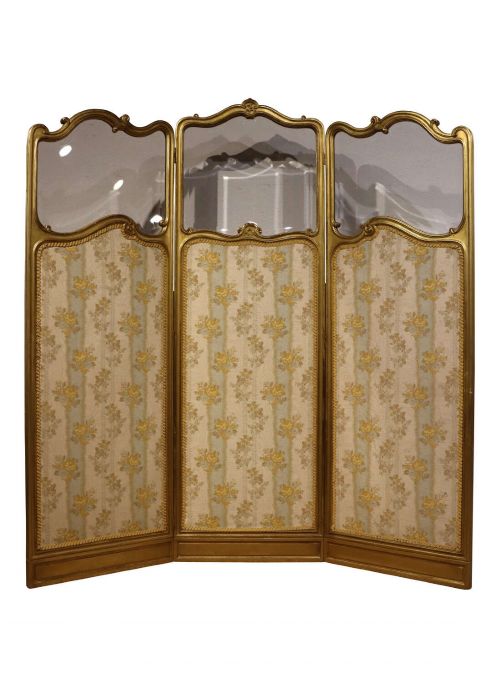
Frames rely on hardwoods, mahogany, or giltwood to provide structural stability across multiple folds. These wooden structures support heavy infills of leather, silk panels, or bevelled glass.
Surface decoration involves hand-painting, lacquer work, and tapestry weaving. Artisans applied gilt and intricate pigments directly onto leather, wood, or fabric to create elaborate narrative and floral scenes.
Assessing craftsmanship and execution
Quality rests in the depth of the carving and the precision of the hand-painting across the panels. Superior examples exhibit fine detail in the lacquer or crisp execution in the giltwood frames.
The choice of materials dictates the standing of the piece, with heavy hardwood frames and genuine bevelled glass marking out more ambitious commissions. Structural integrity in the hinges and the stability of the folding mechanism also separate standard items from finer works.
The 19th Century Room Divider Glossary
- Giltwood
- Timber that has been coated with a thin layer of gold leaf or gilt. This finish appears frequently on French and Continental frames.
- Chinoiserie
- European decorative style reflecting Chinese artistic traditions. It characterises many painted screens and lacquer panels.
- Aubusson
- Tapestry woven in the French town of the same name. These textiles frequently appear as inset panels within room dividers.
- Bevelled glass
- Glass with edges ground and polished at an angle. It is set into frames to add reflective quality and light diffusion.
19th Century Room Divider: Frequently Asked Questions
How do I use a folding screen?
These screens divide large rooms, create private dressing areas, or conceal doorways. They stand unsupported in zig-zag formations to anchor empty corners.
Position them away from direct heat sources to protect the wooden hinges and delicate painted surfaces from warping or cracking.
Are these screens heavy?
Most multi-fold screens possess substantial weight due to dense hardwoods, glass inserts, and thick leather panels. Moving larger eight-fold versions usually requires two people.
Smaller vanity screens or three-fold variants lift easily for repositioning around a bedroom or study.
How do I care for leather panels?
Painted leather surfaces require dusting with a dry, soft cloth and protection from direct sunlight. Moisture damages the painted finish and weakens the leather substrate.
Avoid commercial cleaning products and consult a specialist conservator if the leather develops cracks or flaking paint.
How do I date a divider?
Dating relies on combining stylistic evidence with construction methods, such as joinery types and hinge design. Victorian and late 19th-century pieces often display specific revival motifs like French Rococo or Chinese Chippendale.
Materials like machine-made components or certain lacquer techniques also help narrow the decade of production.