


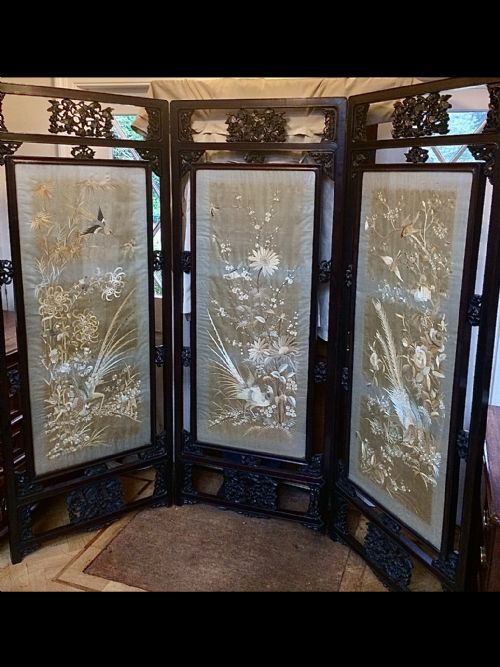


Antique Floral Folding Screen
When you want an antique floral folding screen, you are looking at decorative panels that divide space and protect rooms from drafts.
Antique Floral Folding Screen
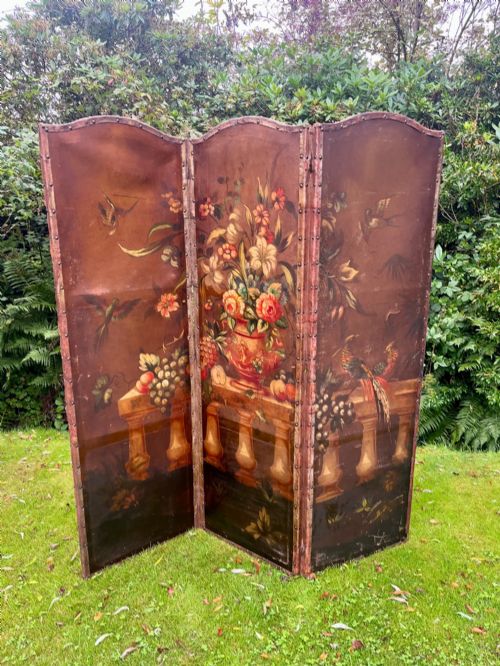
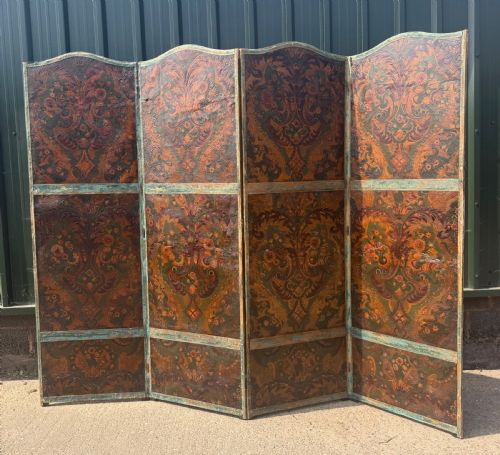
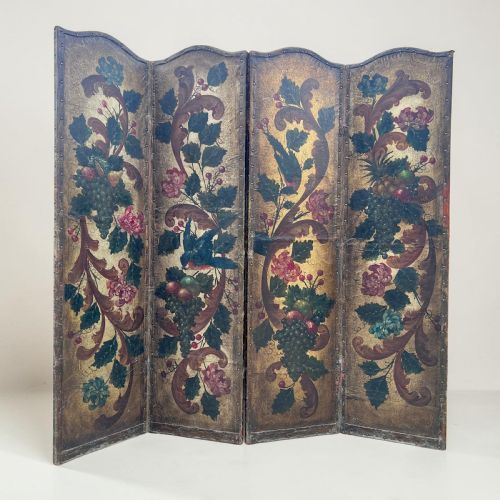
An antique floral folding screen serves as a functional room divider or a decorative backdrop, featuring botanical motifs across multiple hinged panels. These pieces appear in forms ranging from tall four-fold room dividers down to smaller table screens and firescreens.
The selection encompasses various regional styles and periods, including Victorian, Georgian, Arts and Crafts, and Chinese Qing Dynasty origins. You will frequently encounter multi-fold canvas and leather panels decorated with hand-painted floral designs.
Smaller formats such as table screens and firescreens also feature in the material, alongside larger privacy screens used as photographic props. Each variation offers a distinct way to introduce floral artistry into an interior space.
Materials and construction
The construction of these screens relies heavily on wood frames that support panels of leather, canvas, silk cotton, or metal. Makers applied oil paint directly to leather and canvas surfaces to render detailed botanical scenes.
Hinges join multiple panels together to allow the screens to fold and stand independently in a room. Artisans also incorporated hand-painted details and tapestry work to build up the rich floral decoration seen across the periods.
Current listings demonstrate materials including wood, brass, leather, oil paint, canvas, metal, silk, and paint across multiple periods.
Judging quality and execution
Quality in these pieces rests upon the precision of the hand-painting and the durability of the structural materials. Finer examples display intricate brushwork and careful handling of botanical forms across every panel.
The integrity of the hinges and the stability of the wooden frames further distinguish superior work from simpler items. The depth and execution of the painted or stitched floral details determine the standing of each individual screen.
The Antique Floral Folding Screen Glossary
- Folding screen
- A piece of furniture consisting of two or more panels connected by hinges that can be folded to span different widths. They are used to divide rooms or create private areas.
- Firescreen
- A small decorative panel placed in front of a fireplace when not in use to block excess heat or hide the grate. They often mirror the decorative style of larger room dividers.
- Table screen
- A miniature version designed to sit on a desk or table rather than stand on the floor. These compact pieces often feature delicate painting or embroidery.
- Polychrome
- Decorated in multiple colours. This term describes surfaces painted with a varied palette of pigments.
Antique Floral Folding Screen: Frequently Asked Questions
How are folding screens used in a home?
These screens function primarily as room dividers, privacy barriers, or decorative backdrops within a living space. Their hinged design allows them to be adjusted to fit different room layouts and corners.
Smaller variants like firescreens and table screens serve decorative purposes while referencing the same floral motifs found on the larger room dividers.
What materials make up these screens?
The listings show frames built from wood, often supporting panels made from leather, canvas, silk cotton, or metal. Artists applied oil paints directly onto the surfaces to create the floral designs.
Additional materials include textile tapestries and brass fittings, reflecting the diverse manufacturing practices across the different periods.
How do you distinguish Victorian screens?
Victorian examples often feature hand-painted leather or fabric panels with botanical compositions. They typically span three or four folds and incorporate heavy wooden frames.
Comparing the specific painting style and framing techniques against pieces from Georgian or later twentieth-century periods helps clarify their age.
Where were these screens made?
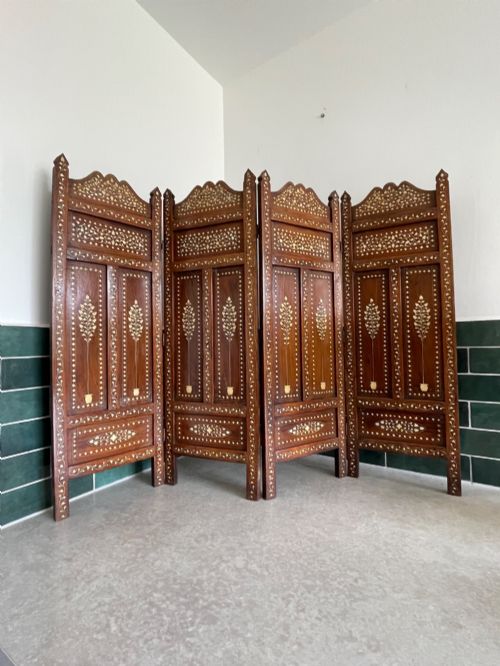
The pieces originate from various regions, including English workshops, Continental Europe, and East Asia. Styles such as Chinese Qing Dynasty work and Anglo-Indian designs appear alongside traditional country house items.
This geographic spread introduces distinct regional techniques, from intricate woodwork to specific decorative painting traditions.