


19th Century Rocker
These pieces known as a 19th century rocker bring movement and vernacular charm into a room, offering comfortable seating shaped by centuries of country craftsmanship.
19th Century Rocker
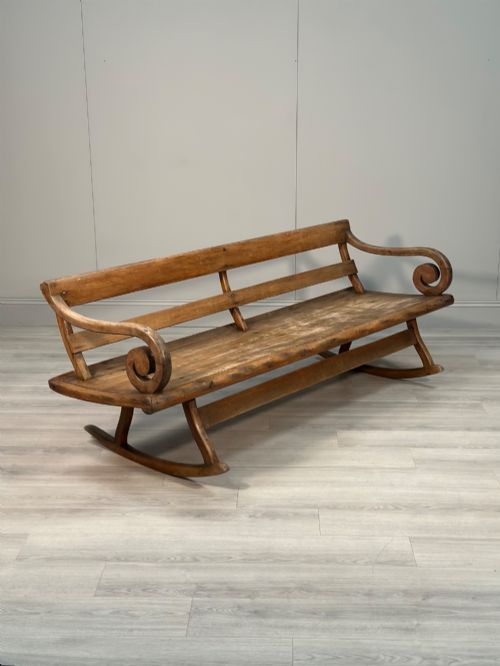
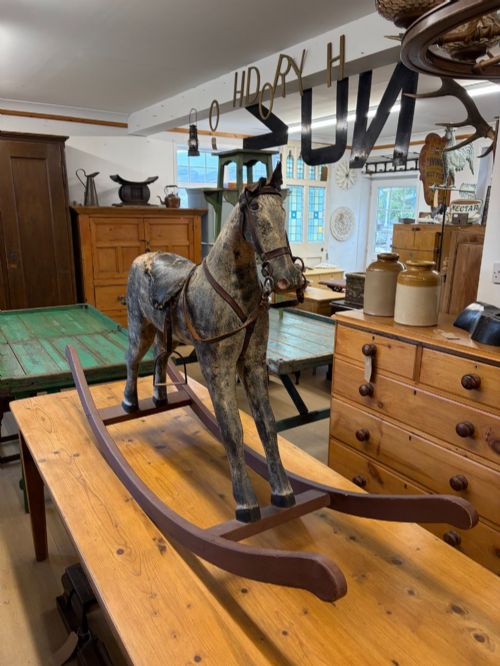
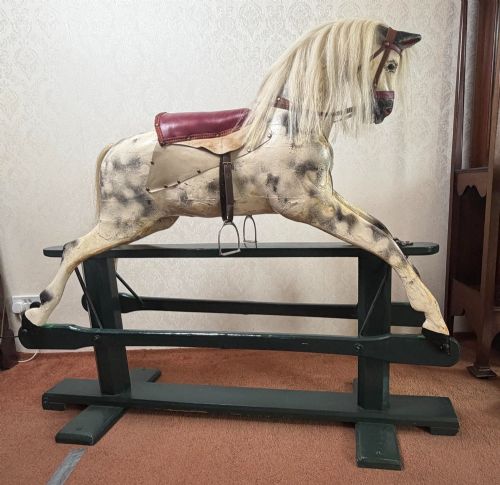
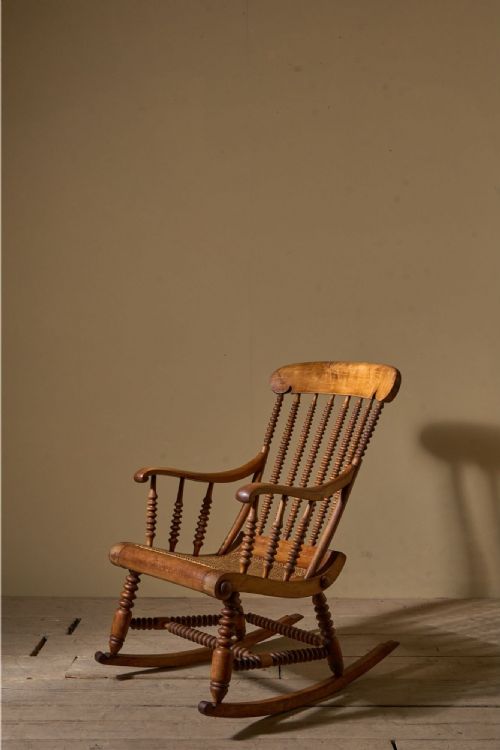
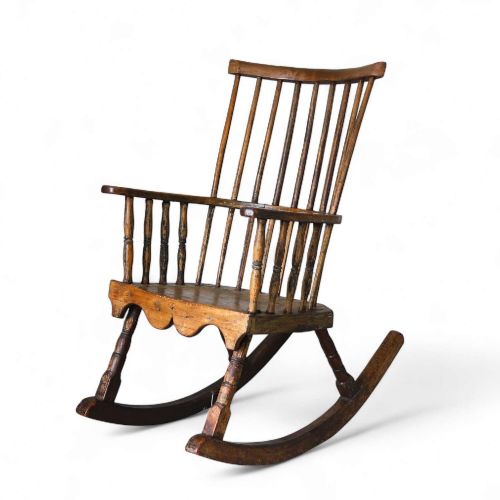
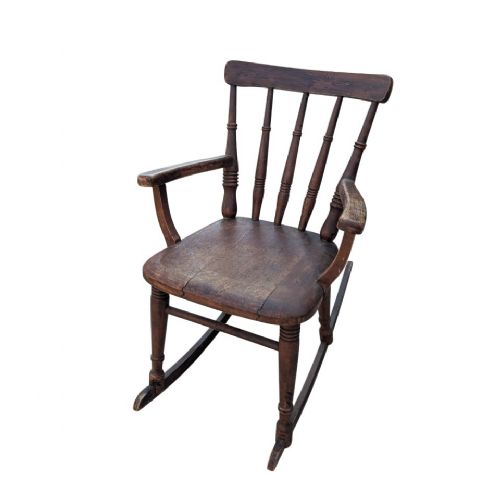
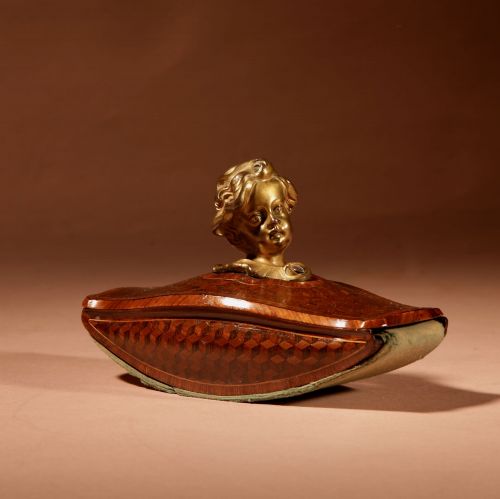
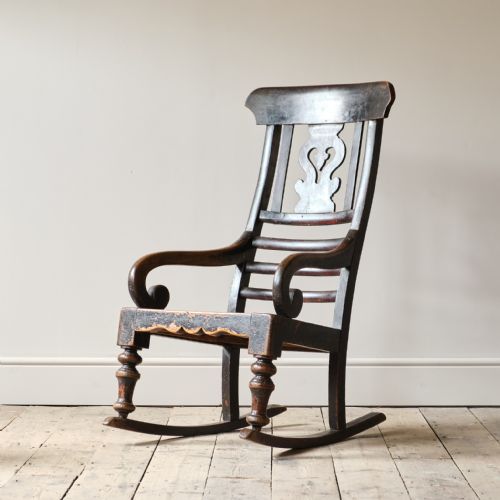
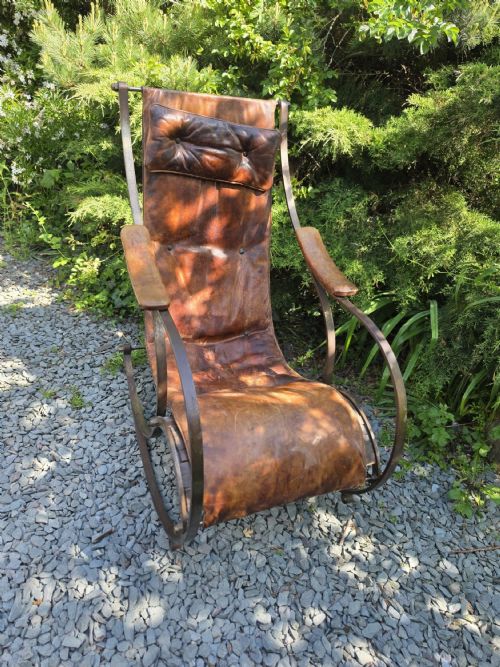
A 19th century rocker encompasses a wide array of moving seats and related children's items, with chairs forming the majority of the examples seen here. You will encounter adult armchairs alongside smaller versions intended for nurseries and children.
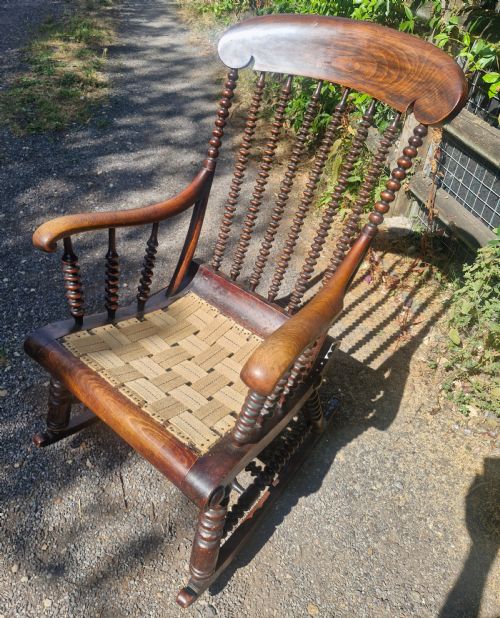
The selection ranges from rustic vernacular pieces to formal Victorian library and nursing chairs, incorporating styles such as Windsor, comb-back, ladder back, and bobbin-framed designs. Alongside chairs, the category stretches to include cradles, cribs, benches, and wooden rocking horses.
Geographic origins span English country workshops, Scandinavian and French makers, and American influences, reflecting diverse domestic traditions. These pieces served practical household roles in bedrooms, nurseries, and firesides rather than formal reception rooms.
Materials and Construction
Wood dominates the construction, with makers selecting native timbers such as oak, elm, ash, beech, fruitwood, and pine according to local availability and structural needs. Bending, turning, and joinery techniques allowed craftsmen to shape spindles, legs, and curved frames.
Seating areas often utilise woven materials like sea grass and rush, or practical surfaces of plain wood, leather, and upholstery. Some examples retain traces of original paint finishes or decorative ebonising applied to the wooden frames.
Several items combine gentle swaying motion with infant care by mounting a pine crib directly onto floor rockers.
Evaluating Quality
Quality rests upon the integrity of the timber selection and the skill involved in turning and joining the structural elements. Heavier woods like oak and yew provide greater permanence, while lighter timbers rely on precise spindle placement for stability.
The survival of original surface finishes, such as early paint or patinated leather seats, elevates an example above stripped or heavily restored counterparts. Proportion and balance in the arc of the rockers determine how smoothly the piece functions.
R W Wingfield·Caistor
The 19th Century Rocker Glossary
- Windsor
- A chair built with a solid wooden seat into which the legs and back spindles are directly inserted. This construction method provides robust support without requiring a heavy frame.
- Comb-back
- A Windsor chair variation where the top rail resembles the teeth of a comb, held by vertical spindles rising from the main arm bow.
- Bobbin turned
- A style of furniture leg or stretcher shaped on a lathe to resemble a series of wooden reels or bobbins joined end to end.
- Vernacular
- Objects made by local artisans following regional traditions rather than high-style metropolitan fashions, often showing direct solutions to functional needs.
- Spindle back
- A chair back constructed from multiple thin turned wooden rods connecting the seat to the top rail.
19th Century Rocker: Frequently Asked Questions
Where were these chairs used?
These chairs were primarily placed near fireplaces, in bedrooms, or in nurseries for soothing children.
Their gentle motion suited domestic spaces focused on rest and daily comfort.
Are child rocking chairs smaller versions?
Yes, many workshops produced scaled-down chairs specifically for nurseries, dolls, or children.
These retain the exact construction methods of adult seating but in miniature proportions.
What woods were commonly used?
Makers utilised accessible local hardwoods and softwoods including elm, ash, beech, oak, and fruitwood.
Different timbers were often combined within a single chair, such as ash for spindles and elm for the seat.