





19th Century Regulator Clock
These pieces combine precision timekeeping with striking cabinetwork, offering the dedicated collector a genuine 19th century regulator clock to anchor a room.
19th Century Regulator Clock
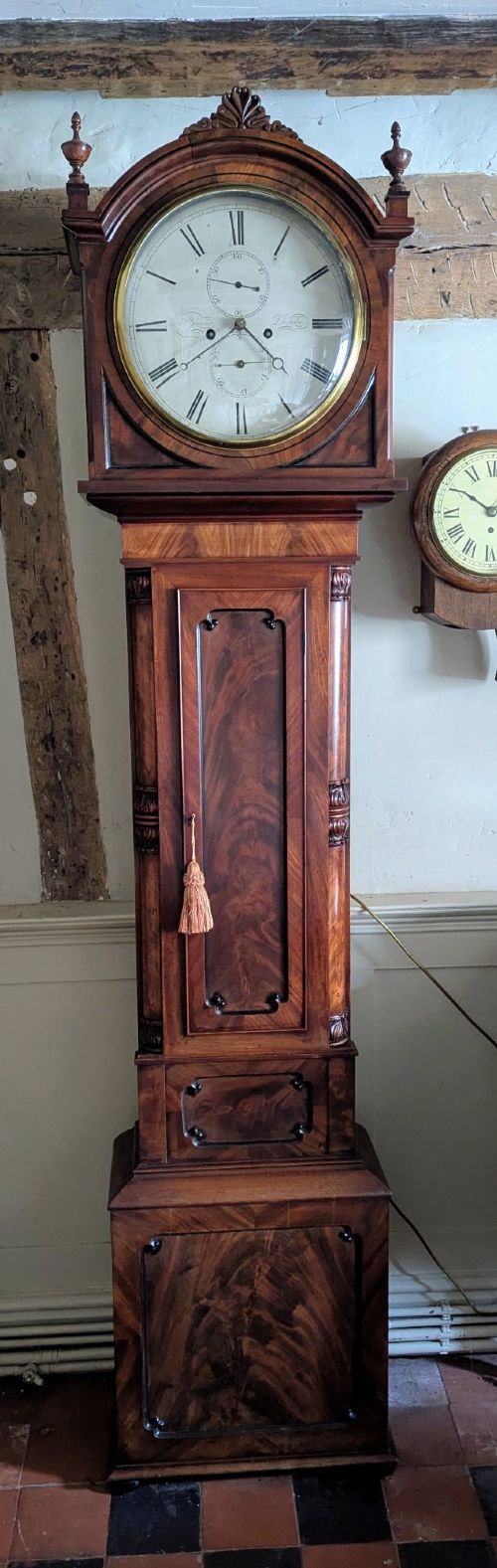
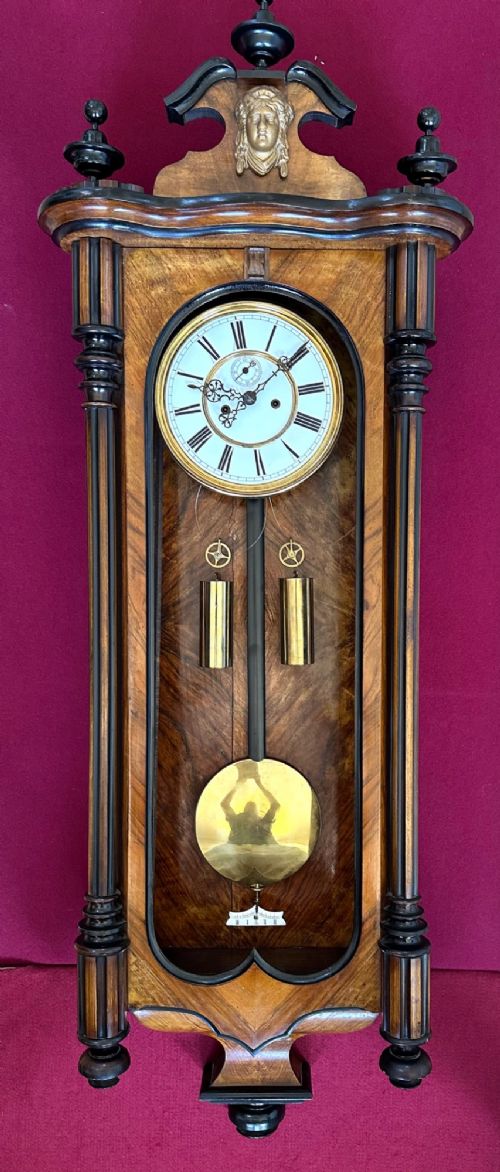
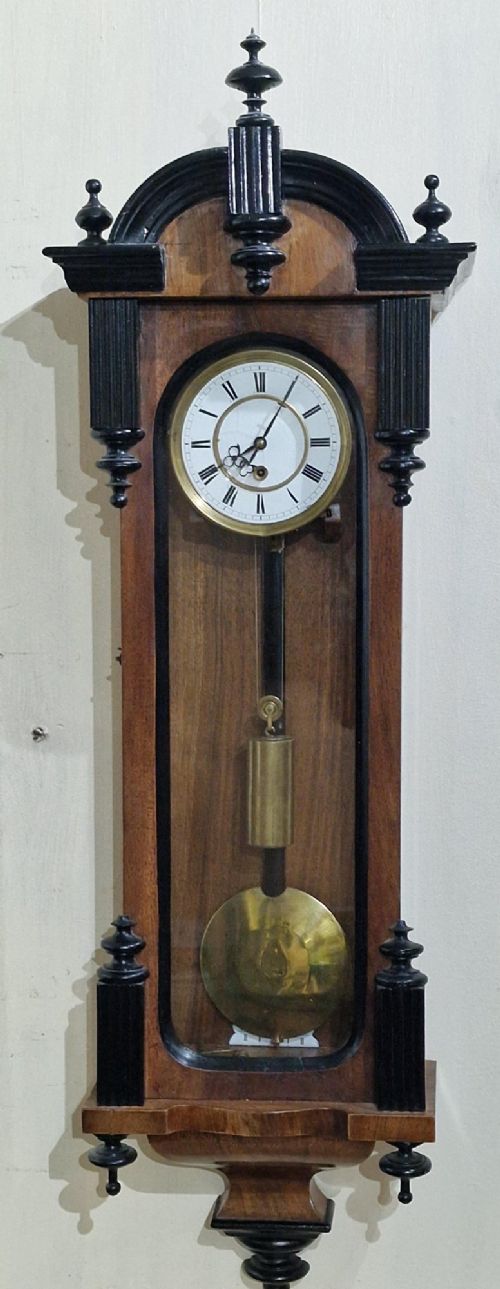
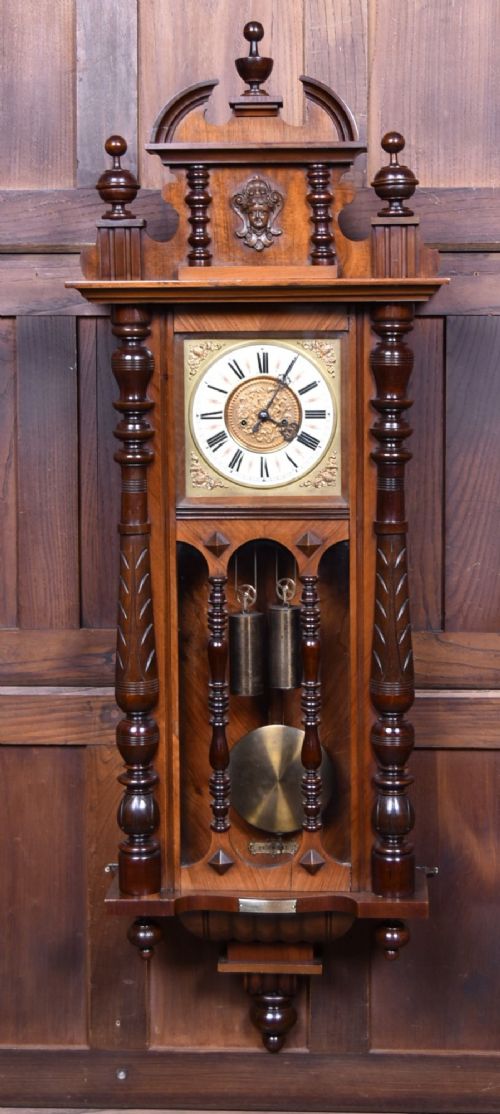
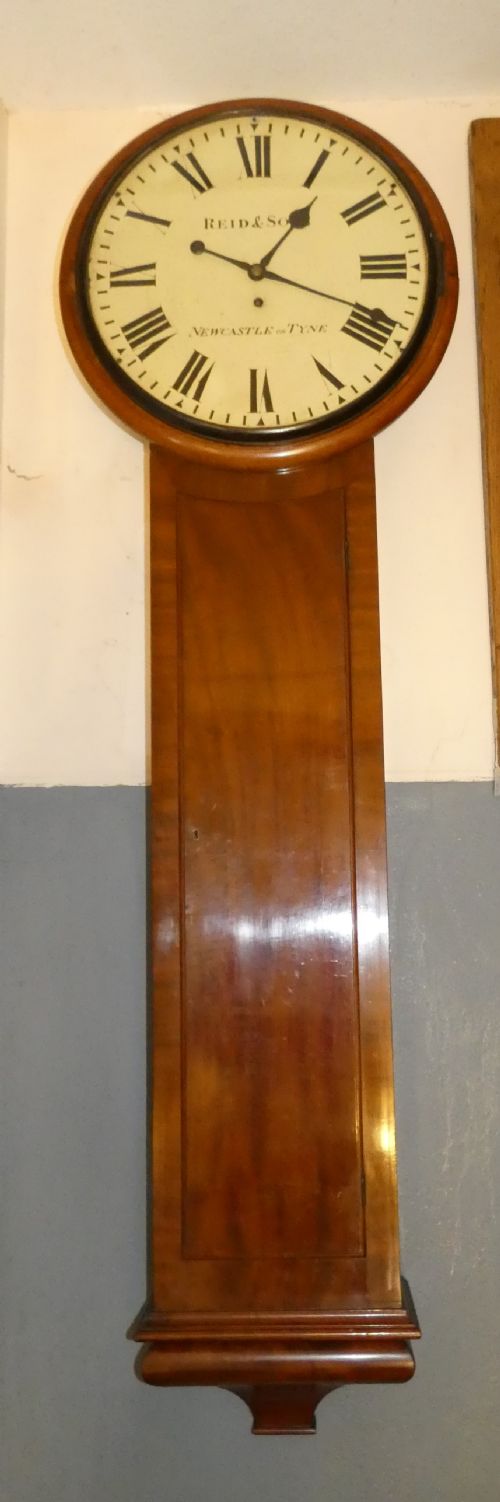
A 19th century regulator clock is primarily designed for high accuracy, commonly appearing on this page as wall-hanging Vienna styles or substantial longcase formats. Makers built these timepieces with meticulous movements intended to keep exact time rather than mere domestic approximation.
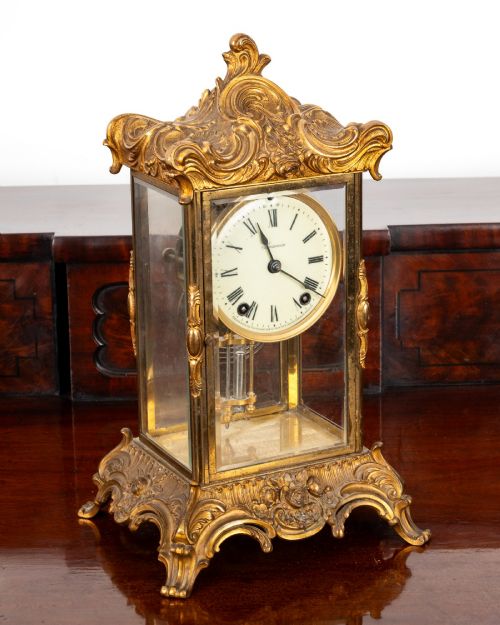
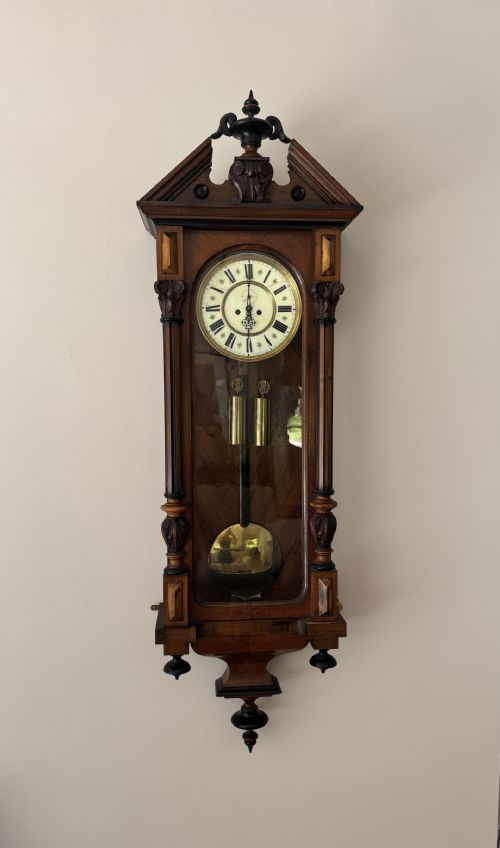
The selections span from Austrian and German wall regulators with single or double brass weights to French crystal regulators encased in glass and gilt brass. Walnut and mahogany predominate in the larger wall cases, while smaller mantel variants show ebonised wood and coloured enamel panels.
Originating largely from Victorian Britain, France, and Central Europe, these items range from modest eight-day strikers to complex month-duration examples. Buyers frequently encounter Vienna-style wall clocks alongside ornate four-glass mantel designs from the later decades of the century.
Materials and construction
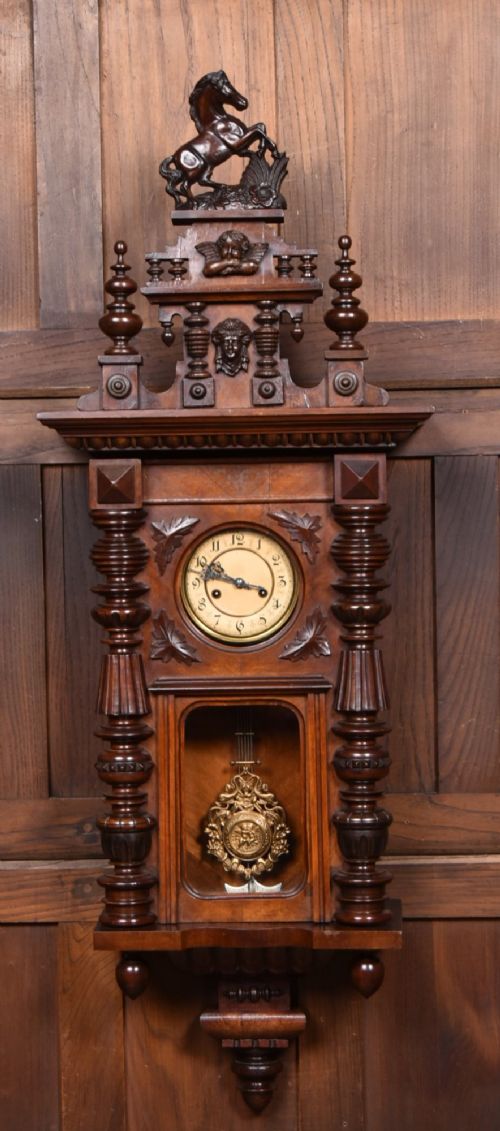
Cabinetmakers utilised rich timber veneers including figured walnut and polished mahogany over sturdy pine or oak carcases. Cases often feature intricate carved ornamentation, turned columns, and glazed viewing doors to display the swinging pendulum.
Movements rely on brass gear trains, pinwheel escapements, and heavy lead or brass weights suspended by cords or fine steel wire. Enamel dials, frequently fitted with delicate subsidiary seconds or moon-phase indicators, provide a crisp surface for Roman or Arabic numerals.
Gilt bronze, ormolu, and bronzed spelter mount the French crystal pieces, enclosing the mechanism entirely in bevelled glass panels. These materials demand precise assembly so the delicate gear trains mesh without undue friction.
This site's listings show walnut as the dominant cabinet timber for nineteenth-century wall regulators, followed by mahogany and ebonised finishes.
Distinctions in quality
Quality rests upon the sophistication of the movement and the integrity of the timber housing. Superior examples exhibit finely cut wheel teeth, jewelled pallet stones, and heavy mercury or compensated pendulums designed to counteract temperature changes.
Cabinetwork separates ordinary production from exceptional craftsmanship through deeply carved mouldings, perfectly matched veneer grains, and robust door hinges. Signed movements by notable makers generally indicate an elevated standard of workshop execution.
The dial execution and glass bevelling further reveal the tier of production. Hand-painted enamel faces with crisp firing contrast sharply with mass-produced printed metal dials found on standard commercial items.
F.Milliot·AG Lenzkirch·Samuel Marti·William Chisholm Of Aberdeen·Valiant Paris·Gustav Becker·Adolf Hradetzkn
The 19th Century Regulator Clock Glossary
- Regulator
- A precision pendulum clock designed to serve as an accurate time standard against which other clocks were set. These movements prioritize exactness over elaborate chiming complications.
- Vienna Regulator
- A prominent style of wall clock developed in Austria during the nineteenth century featuring a long glazed door and a weight-driven movement. They are celebrated for their clean lines and sustained accuracy.
- Pinwheel escapement
- A specialised clock escapement using a wheel with pin-like teeth instead of conventional escape wheel teeth. This design reduces friction and allows for finer impulse transmission to the pendulum.
- Four glass clock
- A mantel timekeeper housed in a brass and bevelled glass case that permits an unobstructed view of the movement from all sides. These pieces often incorporate a visible mercury or gridiron pendulum.
- Grand sonnerie
- A complex striking train that chimes the hours and the quarters automatically on every quarter hour. It represents a high degree of watchmaking skill within domestic clocks.
19th Century Regulator Clock: Frequently Asked Questions
How do I wind a Vienna wall clock?
Most weight-driven Vienna regulators require you to pull the chains or wind the barrels carefully using a dedicated winding key. Take care not to overwind the mechanism, stopping as soon as resistance is felt.
Ensure the weights are supported slightly while winding if the chain lacks a continuous loop, protecting the delicate internal gears from sudden tension shifts.
Why does my regulator clock gain or lose time?
Environmental temperature changes cause pendulum rods to expand or contract slightly, altering the rate of the swing. Adjusting the regulating nut beneath the bob corrects this minor drift.
Ensure the case hangs completely plumb against a sturdy wall, as an uneven mounting distorts the beat of the escapement and disrupts accurate timekeeping.
What is a month-duration regulator?
A month-duration regulator is an exceptional timepiece engineered to run for thirty days on a single winding rather than the standard eight days. This requires larger weight drops or heavier gear ratios.
These movements are less common in domestic settings and were typically reserved for observatories, offices, or prosperous households needing infrequent maintenance.
How do I tell an original 19th-century clock from a later copy?
Examine the movement plates, screws, and dial construction for signs of hand-finishing and period-correct tooling marks. Older brass develops a natural, uneven patina that modern manufacturing processes cannot easily replicate.
Check the timber construction of the case for traditional joinery methods, such as hand-cut dovetails and old glue blocks, rather than modern staples or chipboard.