
19th Century Porcelain Set
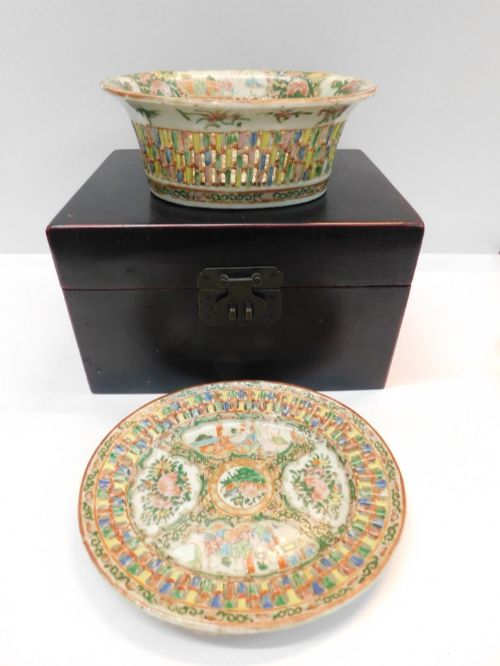
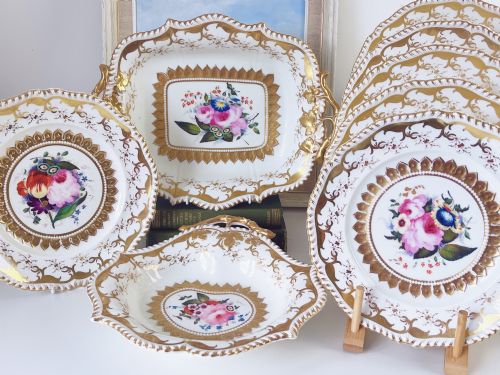
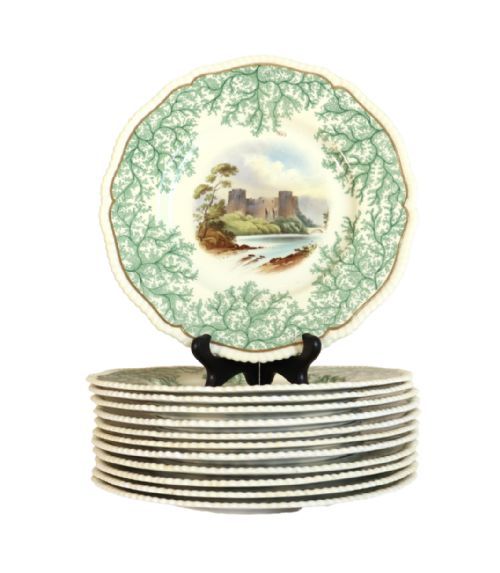
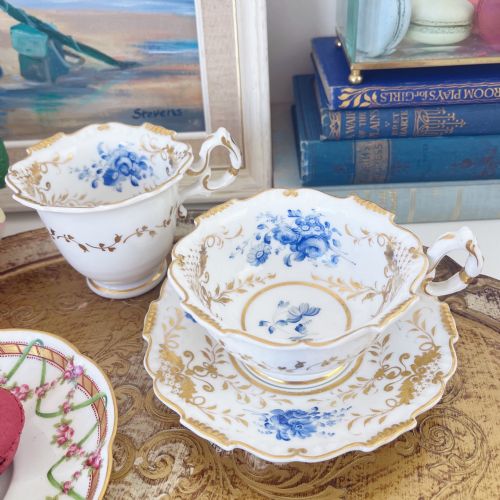
A 19th century porcelain set brings together matching vessels and plates created for dining, tea, or display during the Georgian, Regency, and Victorian eras.
19th Century Porcelain Set
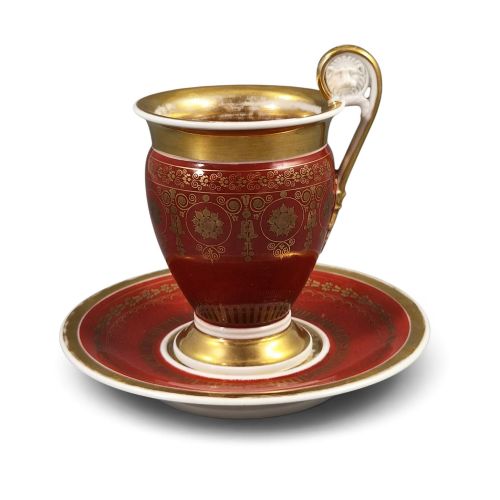
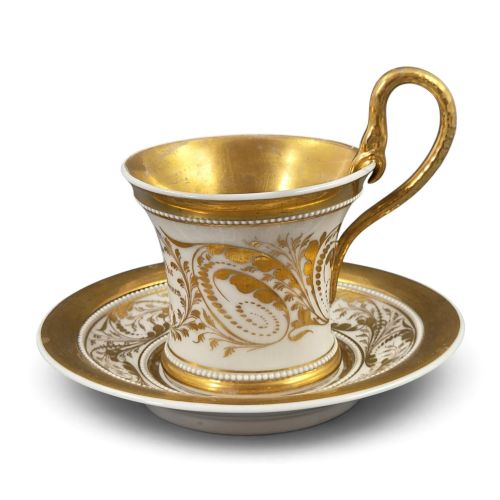
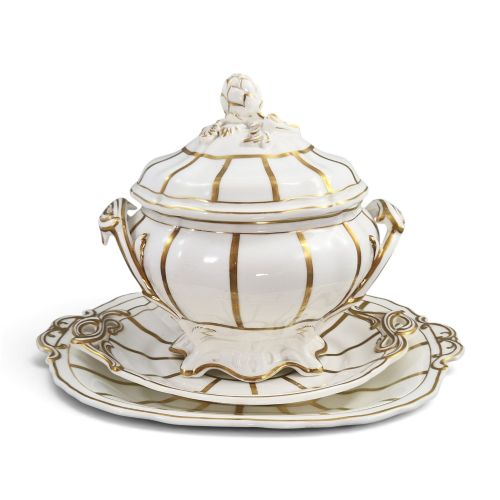
A 19th century porcelain set comprises matched groupings intended for tea, coffee, dessert, or dinner service, often spanning multiple pieces such as trios, plates, and tureens. Buyers encountering this selection will find English factories alongside continental makers producing functional and cabinet wares.
The forms reflect the domestic habits of the period, ranging from intimate breakfast sets and cabinet trios to large dinner and dessert services intended for formal dining. Many survivals represent portions of larger original services that have stayed together over generations.
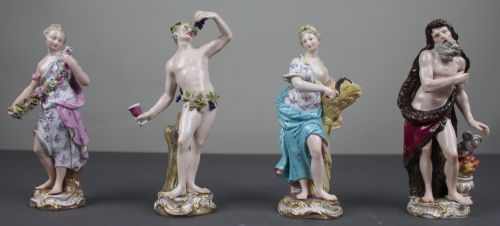
Origins stretch from Staffordshire and Worcester potteries to French Paris porcelain houses and German factories like Meissen and KPM Berlin. Stylistic influences shift from classical Georgian restraint through ornate Victorian revivals and imported tastes.
Materials and Construction
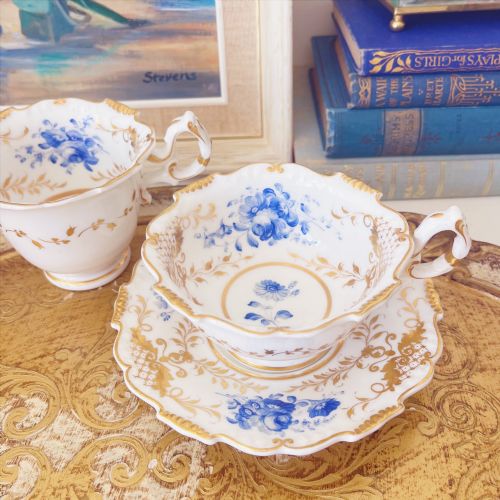
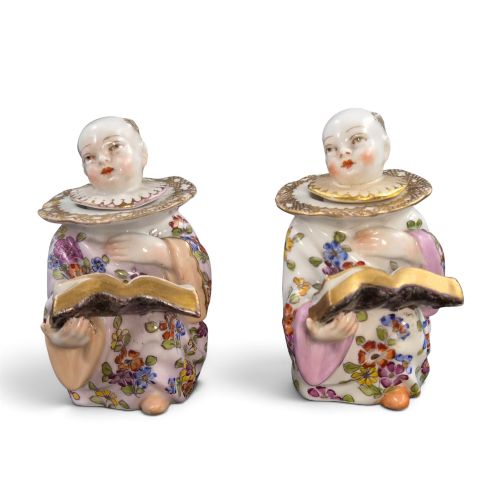
Potters utilised fine ceramic bodies, bone china, and earthenware, shaped by hand or moulded into complex forms such as chestnut baskets, figural inkwells, and scalloped plates. Glazing provided a smooth vitreous surface ready to receive intricate handpainted or transferred designs.
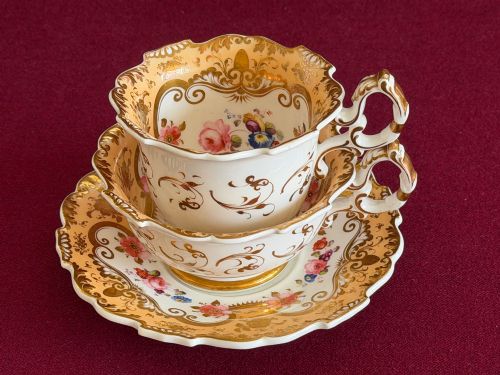
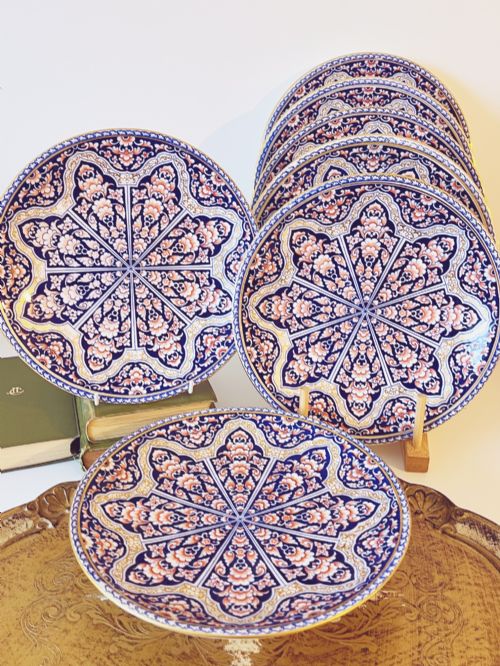
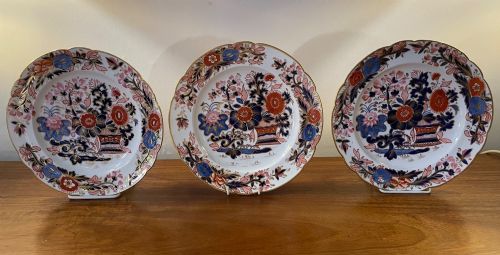
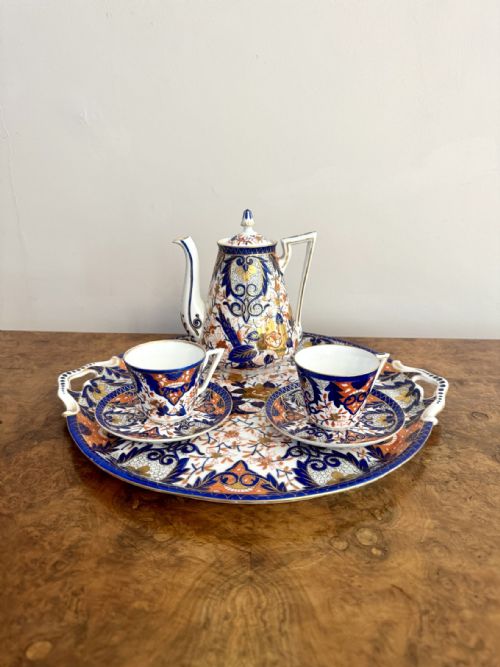
Decoration relied heavily on enamel colours, handpainted botanical and figurative motifs, and applied gold leaf or gilding to accentuate rims and handles. Specialised palettes such as Imari, Famille Rose, and Flow blue required precise firing techniques in kiln atmospheres.
Porcelain artists occasionally hid tiny painted insects inside teacups to startle tea drinkers when their beverage was finished.
Distinctions in Execution
The distinction between standard commercial output and superior production lies in the crispness of the moulding and the precision of the handpainted details. Superior pieces display finely rendered brushwork in floral or figurative scenes rather than mechanical transfers.
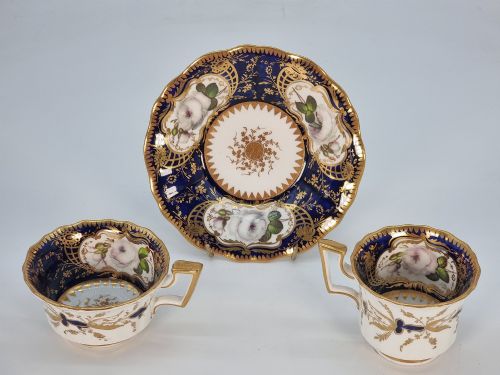
The application of gilding and enamel work reveals the skill of the decorator, with top-tier examples showing burnished gold leaf and well-balanced palettes. Consistency across every piece in a multi-item grouping indicates a unified atelier standard during manufacture.
Grainger Lee And Co·Spode·H And R Daniel·Royal Crown Derby·Newhall·Coalport John Rose·Meissen·Kpm Berlin·Davenport·Wedgwood·Sevres·Royal Worcester·Flight Barr And Barr·Masons Ironstone
The 19th Century Porcelain Set Glossary
- Trio
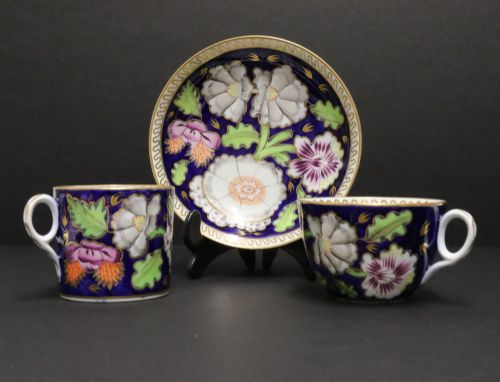
- A matched three-piece grouping consisting of a teacup, coffee cup, and saucer. These sets became popular in English households during the Regency and Victorian periods for versatile hot beverage service.
- Dessert Service
- A coordinated collection of plates and a comport or tureen intended for serving the final course of a formal meal. They frequently feature elaborate handpainted botanical or topographical scenes.
- Imari palette
- A decorative colour scheme employing underglaze blue, iron red, and gilt, inspired by Japanese export ceramics. English and continental factories frequently adopted this style throughout the nineteenth century.
- Gilding
- The application of gold leaf or powdered gold to ceramic surfaces, fired to create a lustrous metallic finish. It highlights rims, handles, and borders on fine cabinet and tea sets.
19th Century Porcelain Set: Frequently Asked Questions
What pieces belong in a standard tea set?
A standard nineteenth-century tea set typically includes a teapot, sugar bowl, milk jug, and corresponding cups with saucers. Some larger configurations incorporate matching slop bowls or multiple trios.
These groupings served domestic hospitality needs in drawing rooms and parlours across the Georgian and Victorian eras.
How do I care for antique porcelain?
Antique porcelain requires gentle hand washing in warm water using mild soap, avoiding automated dishwashers entirely. Enamel decoration and applied gilding can wear away over time if subjected to harsh abrasives.
Storing pieces with felt separators between stacked plates prevents surface scratching on delicate glazes and painted borders.
How do I identify the manufacturer?
Makers mark their wares using painted ciphers, impressed stamps, or printed transfer marks on the underside of the base. Cross-referencing these symbols with factory records reveals the specific pottery and approximate production years.
Unmarked pieces are attributed by analysing paste composition, decorative palette, potting style, and historical shape profiles.
Why are some services incomplete?
Individual items within large dining and tea services frequently suffered accidental breakage during decades of daily household use. Surviving portions were often separated among different family members or dispersed through estate sales over time.
Finding a partial service intact remains a common experience for collectors assembling nineteenth-century table settings.