

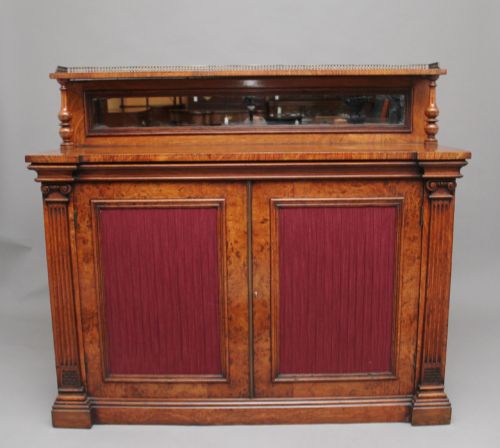


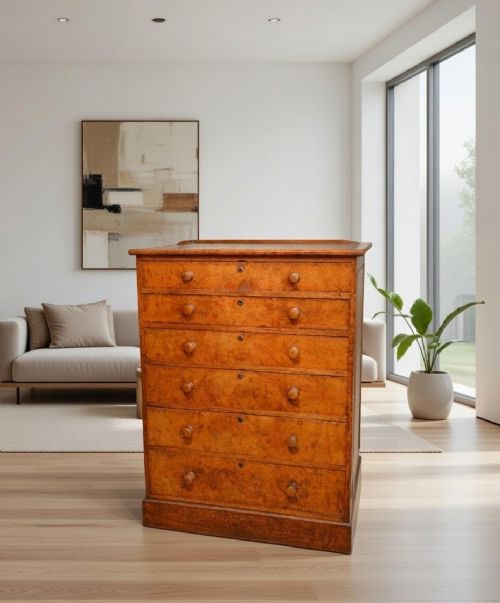
19th Century Pollard Oak Cabinet
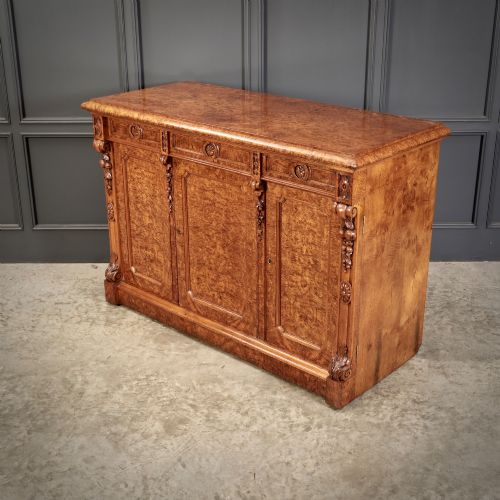
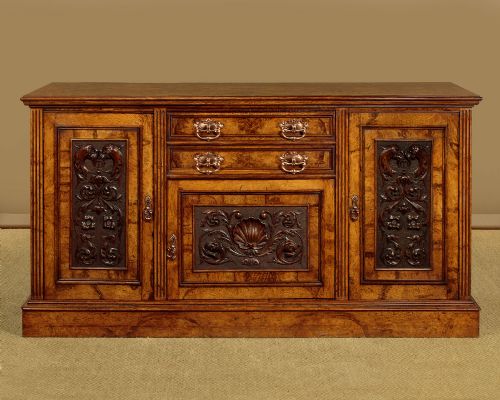
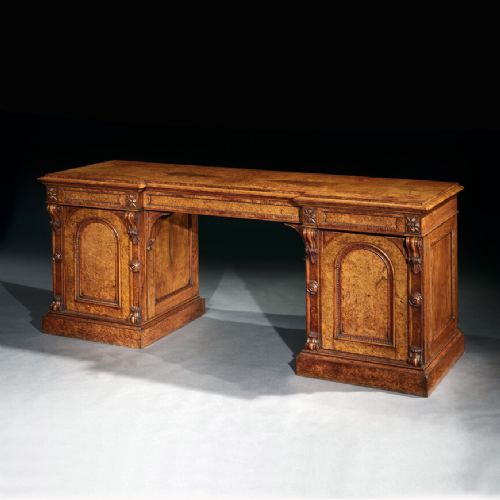
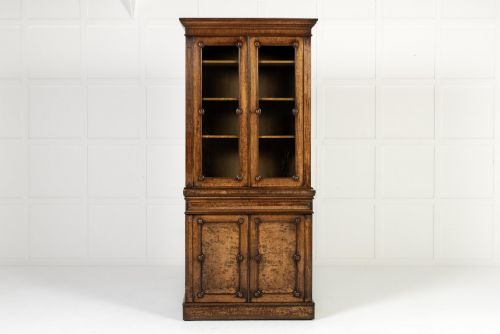
A 19th century pollard oak cabinet brings deep burred figuring and rich warmth into a room.
19th Century Pollard Oak Cabinet
A 19th century pollard oak cabinet encompasses a variety of functional forms built from distinctly figured timber, ranging from sideboards and bookcases to smaller side cabinets and desks. Buyers searching this phrase meet pieces originating across the nineteenth century, including specific decades such as the eighteen sixties, seventies, and eighties, alongside Victorian and Regency periods.
While many examples date from the Victorian era, earlier Regency pieces and Gothic Revival designs also appear within the inventory. Each object serves a practical storage purpose while showcasing the decorative potential of the timber selected by makers of the period.
Materials and construction
Makers constructed these pieces using pollard oak, a timber harvested from trees that were pollarded to produce dense, highly figured growth rings and clusters of knots. This distinctive wood is frequently paired with solid oak framing and accented with dark ebony details.
Hardware and functional elements incorporate brass for hinges, locks, and handles, while specialised pieces utilise glass panels and cut crystal decanters. Interior fittings often include secondary woods alongside fabric and leather surfaces in desks and writing compartments.
19th Century Pollard Oak Cabinet Retail Price Guide 2026
Typical asking prices for 19th century pollard oak cabinet among the pieces listed under this phrase on Sellingantiques today, from the lower quarter to the upper quarter. They describe what is for sale here now, not the wider market.
Certain nineteenth-century pollard oak pieces secretly locked up your gin inside cut crystal decanters so nobody could sneak a dram.
Assessing quality and execution
Quality in these pieces rests primarily on the density and pattern of the pollard oak figuring across the primary visible surfaces. Superior examples display a balanced, highly decorative cluster of knots and grain movement that has been carefully selected and matched by the cabinetmaker.
Construction standards are evident in the integration of secondary materials, such as precise ebony stringing, well-fitted brass hardware, and the structural integrity of large forms like bookcases and sideboards. The depth of finish and the preservation of the natural tone of the timber further separate standard production from finer workshop output.
The 19th Century Pollard Oak Cabinet Glossary
- Pollard oak
- Timber taken from trees that have been pollarded, a pruning method that produces a dense cluster of branches and results in a highly figured, mottled wood grain. This timber forms the primary decorative surface for nineteenth-century brown furniture.
- Ebony
- A dense, dark black wood used historically for contrasting details, stringing, and mouldings on cabinet doors and drawers. It provides a sharp visual border to lighter oak surfaces.
- Tantalus
- A locking beverage cabinet that securely holds decanters visible behind a frame, preventing unauthorized access while displaying the glassware. These units often feature cut crystal inserts.
- Secretaire
- A desk or chest of drawers featuring a pull-out writing drawer with a drop front, concealing small pigeonholes and compartments inside. It combines writing utility with general storage.
- Gothic Revival
- An architectural and decorative style drawing on medieval forms, featuring pointed arches, tracery, and robust proportions applied to nineteenth-century furniture.
19th Century Pollard Oak Cabinet: Frequently Asked Questions
What is pollard oak?
Pollard oak comes from trees that were cut back near the trunk to encourage dense branching, which creates a tightly patterned, knotty grain.
Cabinetmakers prized this decorative timber for veneering and facing prominent surfaces on nineteenth-century case furniture.
How do I date a cabinet?
Dating relies on stylistic markers such as Regency curves, Victorian proportions, or Gothic Revival architectural details recorded in the construction.
Structural methods and the choice of secondary woods also help place a piece within the broader nineteenth-century timeline.
Where were these cabinets used?
These pieces served practical storage and display functions in libraries, dining rooms, and formal drawing rooms of nineteenth-century homes.
Larger bookcases and sideboards anchored main living spaces, while specialised cabinets held glassware or collections.
How do I care for pollard oak?
Maintenance requires keeping the wood away from direct heat sources and strong sunlight to prevent the timber and veneers from drying out.
Regular dusting with a dry cloth and occasional light waxing preserves the natural sheen and colour of the nineteenth-century finish.