


19th Century Pharmacy Jars
These 19th century pharmacy jars bring historic medical displays to life with hand-blown glass, rich ceramics and traditional apothecary forms.

19th Century Pharmacy Jars
When you search for 19th century pharmacy jars, you encounter a specialised selection of antique apothecary vessels, drug jars and chemist bottles. These pieces originate from various periods including Georgian, Victorian and 19th century eras, reflecting historic medical storage.
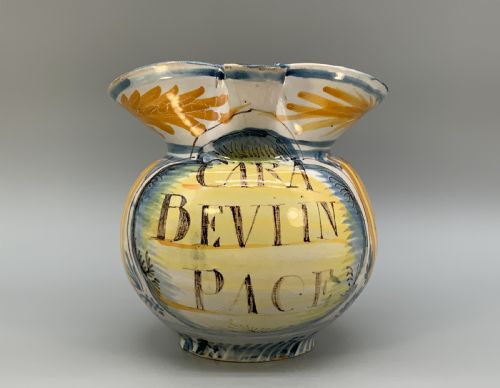
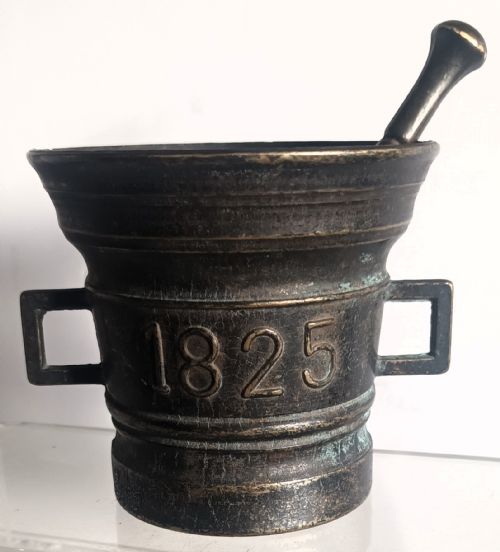
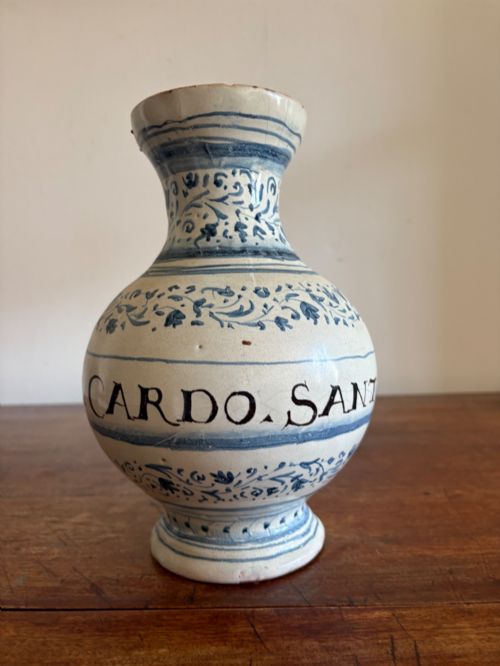
The objects on this page include glass carboys, ceramic albarellos, wood containers and bronze mortars with pestles. French, English and Italian traditions heavily influence the forms, spanning earthenware, tin glaze and porcelain constructions.
Sets of multiple jars appear alongside individual large carboys and tincture bottles. Buyers most frequently meet hand-blown glass specimens and Italian majolica wet drug jars among these listings.
How they were made
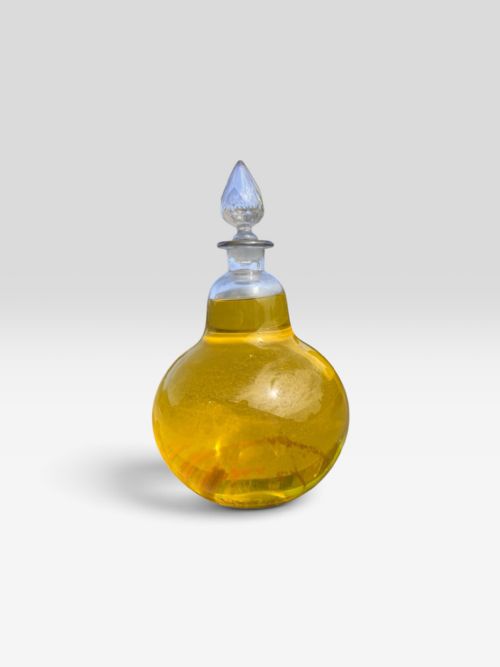
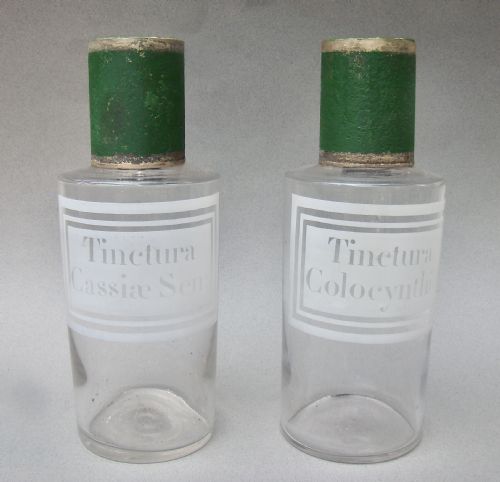
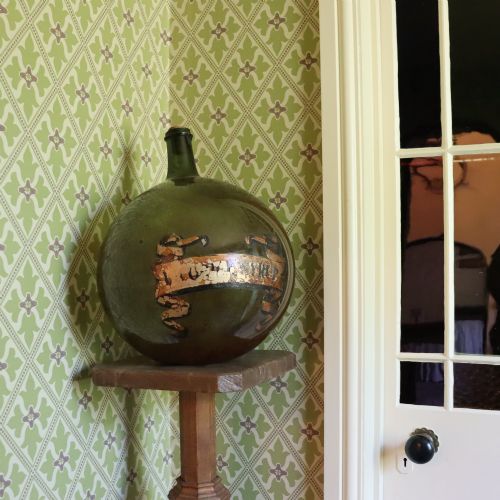
Glass pieces utilise hand-blowing techniques, sometimes featuring etched designs or gold leaf detailing. Carboys and tincture bottles showcase the fluid capabilities of molten glass shaped by nineteenth-century artisans.
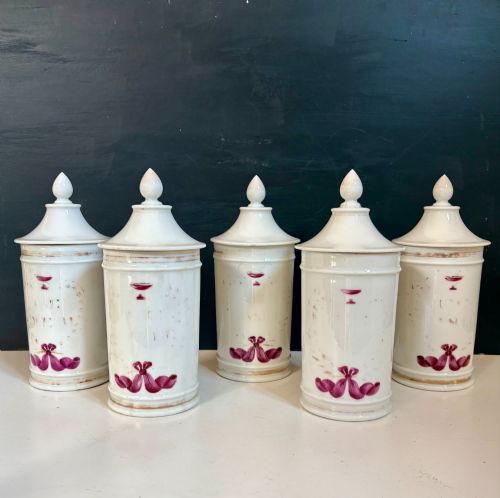
Ceramic vessels employ earthenware, porcelain and tin glaze methods, particularly seen in Italian majolica and faience pieces. Artisans applied polychrome pigments, manganese and yellow paints to decorate these traditional pharmacy jugs.
Box wood items rely on carpentry skills to turn solid timber into cylindrical chemist containers. Bronze mortars and pestles involve metal casting and finishing traditions common to the Georgian and Victorian periods.
Materials recorded on this page include glass, gold leaf, ceramic, earthenware, tin glaze, paint, porcelain, and wood.
What varies in quality
The refinement of the painted decoration on ceramic albarellos distinguishes standard examples from superior pieces. Hand-applied polychrome pigments and clear tin glazes show varying degrees of precision and artistic skill.
Glass quality depends on the clarity of the material and the crispness of any etching or gold leaf application. Hand-blown carboys with even thickness and minimal bubbles represent superior craftsmanship.
Completeness alters the character of a set, particularly when matching covers remain with gelatine jars or tincture bottles. Intact pairs and matched sets carry distinct advantages over single stray vessels.
Samuel Alcock and Co
The 19th Century Pharmacy Jars Glossary
- Carboy
- A large glass vessel used in pharmacies and laboratories to hold liquids or chemical solutions. These often stood in chemist shop windows to attract customers.
- Majolica
- Italian tin-glazed earthenware decorated with opaque colours on a white background. This technique produces vibrant surfaces on historical drug jars.
- Faience
- European tin-glazed pottery produced in imitation of Chinese porcelain or Italian majolica. It provides a smooth white ground for painted pharmacy labels.
- Tincture
- A medicine made by dissolving a drug in alcohol. Tincture bottles stored these liquid preparations securely behind glass stoppers.
19th Century Pharmacy Jars: Frequently Asked Questions
What were pharmacy jars used for?
Apothecaries used these vessels to store dry drugs, herbs, ointments and liquid tinctures safely. Larger glass carboys often displayed coloured liquids in shop windows to signal the presence of a chemist.
Over time, these functional containers became decorative pharmacy fixtures before entering the antique market as collectible display items.
How do I identify a Victorian pharmacy jar?
Victorian examples frequently incorporate hand-blown glass, moulded lettering or specific nineteenth-century ceramic styles. Look for characteristics typical of English and French production from the middle to late decades of the eighteen hundreds.
Material choices like tin-glazed earthenware and etched glass help separate these pieces from earlier Georgian iterations or later twentieth-century reproductions.
Are these jars safe for holding liquids?
While historic pharmacy jars and tincture bottles originally held medicinal liquids, most buyers display them as decorative antiques today. The aged interior surfaces and historic glazes may not suit modern consumption or storage requirements.
Careful handling ensures that delicate tin glazes and hand-blown glass structures remain undamaged over time.
How should I clean antique glass and ceramic jars?
Gentle dusting with a dry cloth is usually sufficient for maintaining the exterior of ceramic albarellos and glass carboys. Avoid harsh chemical cleaners that might degrade historic paint, gold leaf or tin glaze.
Wooden chemist jars require particular care to protect the box wood grain from excessive moisture during routine maintenance.