
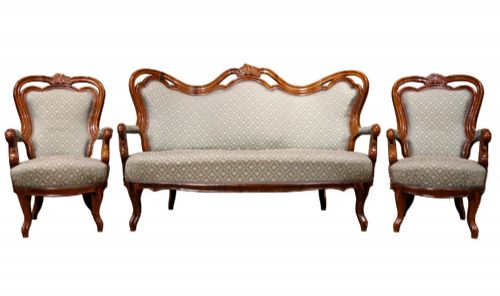


19th Century Parlour Furniture
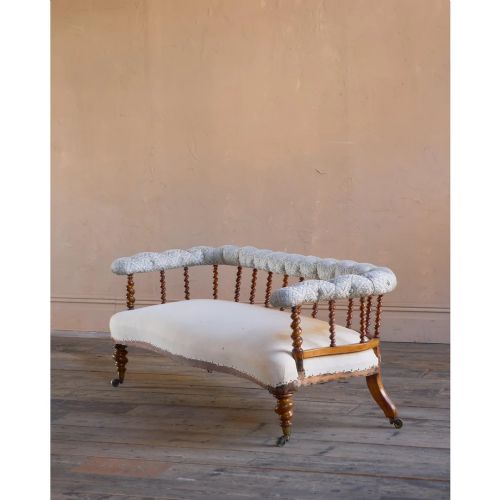
These pieces of 19th century parlour furniture bring reception rooms to life with walnut, rosewood, and generous upholstery.
19th Century Parlour Furniture
When you search for 19th century parlour furniture, you enter the domain of Victorian and earlier reception rooms, where seating and display pieces formed the social centre of the home. Salon suites, centre tables, and credenzas dominate this category, reflecting the formal entertaining habits of the period.
The most common forms you will encounter on this page are multi-piece salon suites involving sofas, settees, and armchairs, alongside walnut loo tables and inlaid credenzas. Pieces span from the Regency era through to the late Victorian decades, taking in Rococo Revival, Aesthetic Movement, and French styles.
Makers such as C. Hindley & Sons and Gillows of Lancaster appear among the listings, alongside Continental and Anglo-Indian works in coromandel and burr root maple. These variations show that the parlour accommodated both British tradition and broader European influences during the nineteenth century.
How they were made
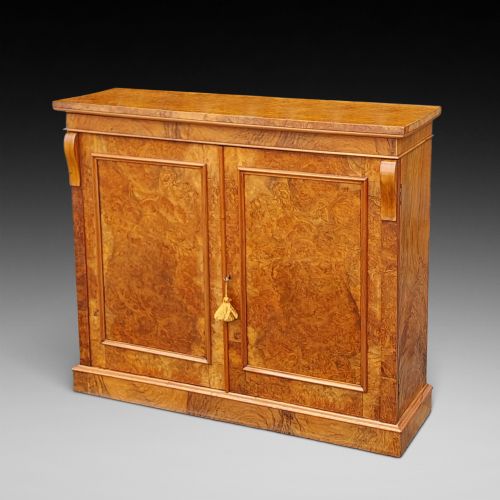
Cabinetmakers utilised dense hardwoods including walnut, rosewood, and mahogany as the structural base for tables, cabinets, and seating frames. Burr walnut and burr birch veneers added striking figure to credenzas and table tops, often enhanced by marquetry and brass inlay.
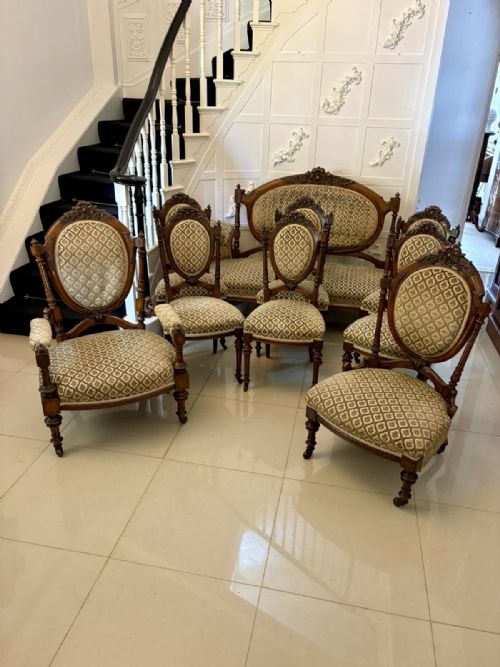
Carved walnut and rosewood define the frames of Victorian and Rococo Revival salon suites, shaped with curves and floral motifs. Upholstery fabric and caning complete the seating, while glass panels feature in the doors of display cabinets and credenzas.
Listings feature walnut, rosewood, mahogany, coromandel, and satinwood across tables, cabinets, and seating.
What varies in quality
The distinction between standard domestic items and exhibition pieces rests upon the crispness of the carving and the complexity of the timber figure. Figured burr walnut veneers and intricate marquetry demand superior technical skill from the cabinetmaker compared to plain mahogany or simple turning.
Coherence within a larger suite dictates its standing, particularly when matching nine or eleven piece salon sets. The harmony between the carved walnut frames and the chosen upholstery fabric preserves the original design intent of the maker.
C. Hindley & Sons·Gillows of Lancaster
The 19th Century Parlour Furniture Glossary
- Credenza
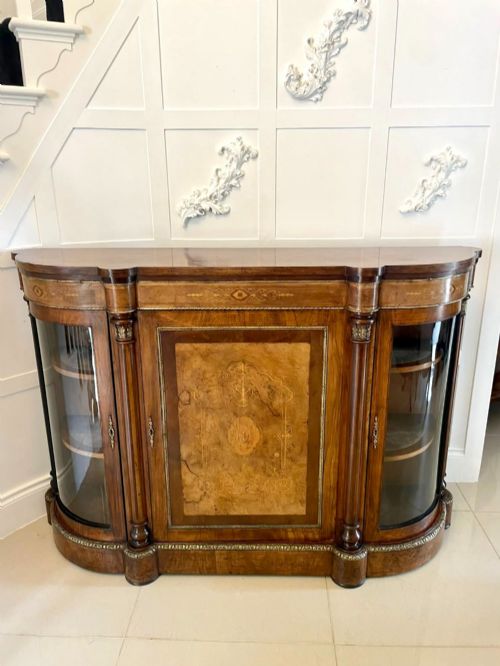
- A side cabinet used for display and storage, typically featuring glass doors and marquetry inlay on walnut or rosewood surfaces.
- Loo table
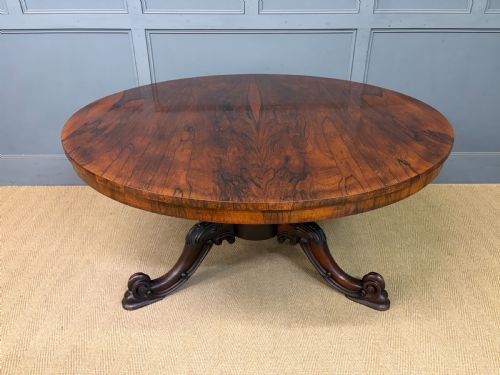
- A round or oval centre table popular in the mid nineteenth century, designed with a tilting top for convenience when not in use.
- Bergère
- An enclosed upholstered armchair or sofa with exposed wooden framing, often finished with cane panels to the sides and back.
- Salon suite
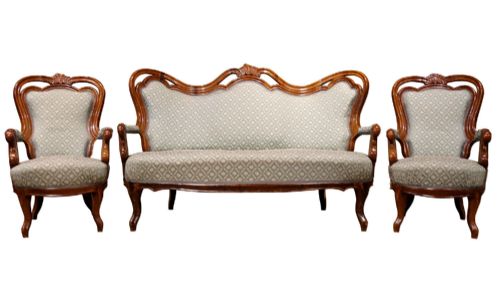
- A matched set of seating furniture, ranging from three to eleven pieces, created for formal reception rooms.
- Marquetry
- Decorative patterns formed by fitting together thin slices of wood veneer on a cabinet surface.
19th Century Parlour Furniture: Frequently Asked Questions
What is a salon suite?
A salon suite is a matching set of reception room seating that typically includes a settee or sofa alongside several armchairs and side chairs. These groupings were designed to furnish formal entertaining spaces with a uniform aesthetic.
In larger houses, these suites extended to eleven pieces, sometimes incorporating footstools to complete the drawing room arrangement.
How do I use a centre table?
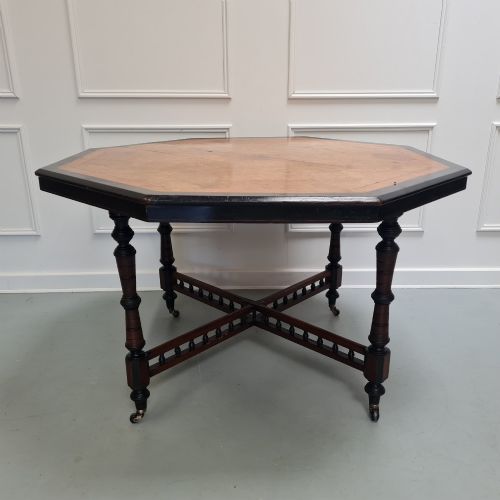
A centre table stands free in the middle of a room rather than against a wall, serving as a focal point for display lamps, books, or decorative objects. Their finished sides allow them to be viewed from any angle in a spacious parlour.
Octagonal and oval variations in walnut, rosewood, and coromandel provide a stable surface while adding rich timber grain to the room.
What is a loo table?
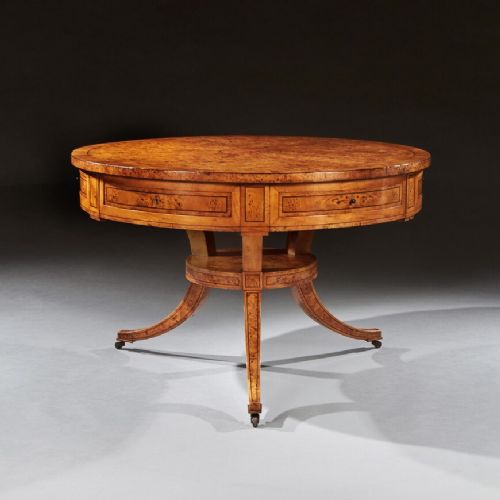
A loo table is a large occasional table with a circular or oval top mounted on a pillar and claw base. The top frequently tilts vertically so the table can be stored against the wall when floor space is needed.
Cabinetmakers utilised figured walnut and rosewood for these tops, often highlighting the natural grain with inlaid borders.
How do I identify a credenza?
A credenza is a low freestanding sideboard or cabinet designed for formal parlours, usually featuring central glass doors flanked by curved side cupboards. They sit flush to the floor rather than on tall legs.
Victorian makers applied burr walnut veneers, brass mounts, and marquetry to these pieces to display fine china and ornaments.