
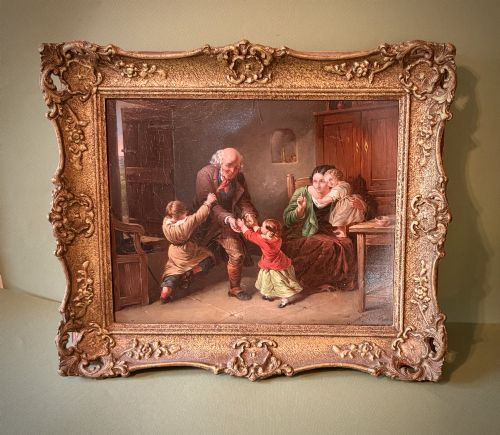
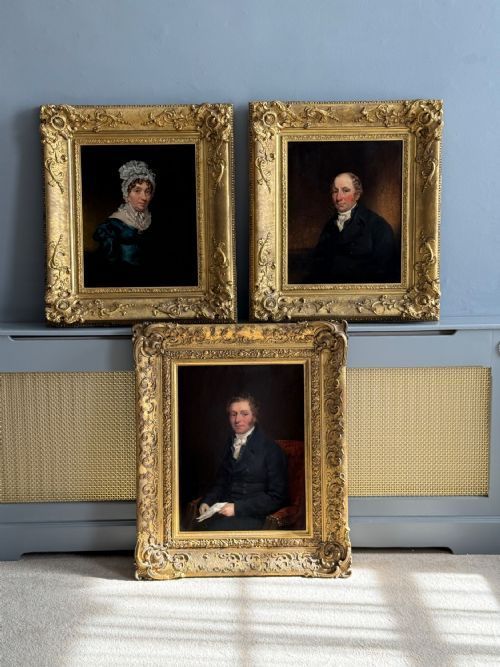
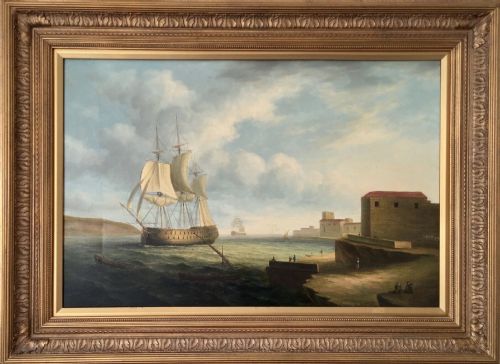

19th Century Panel Painting
A 19th century panel painting brings the texture of historic timber and refined brushwork directly into your room.
19th Century Panel Painting
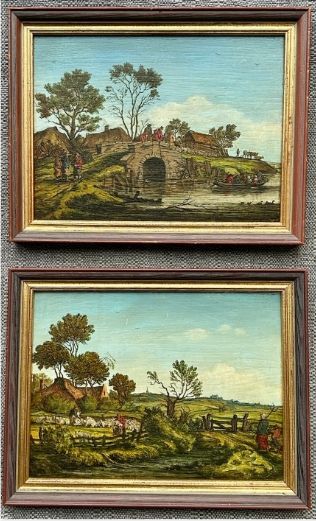
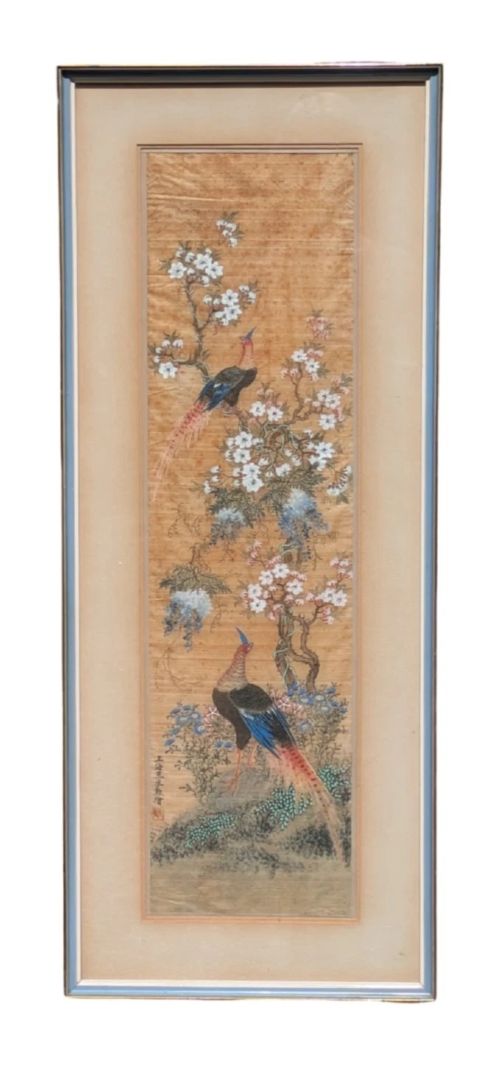
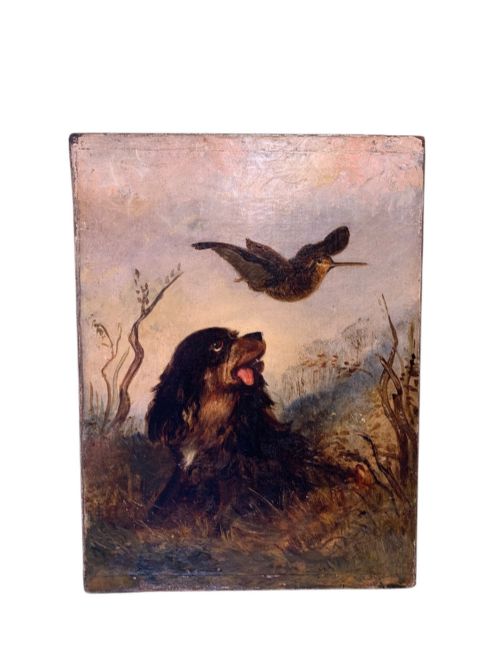
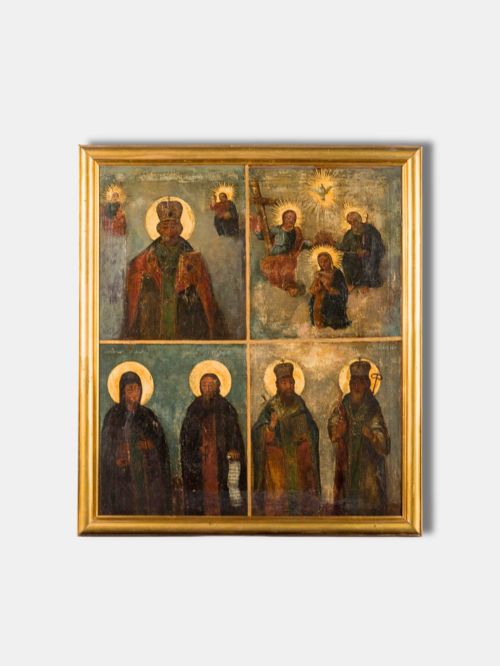
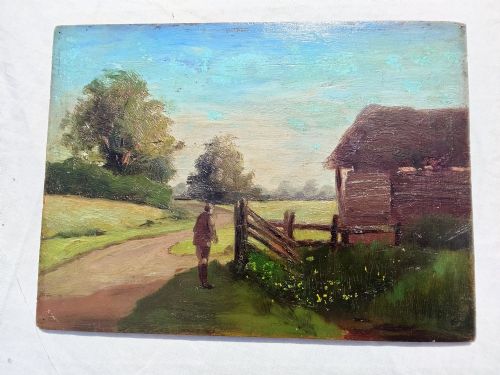
When you examine a 19th century panel painting, you are looking at portable artworks executed on rigid supports rather than woven canvas. The selection spans pastoral landscapes, coastal scenes, portraits, and genre studies created across Britain and continental Europe.
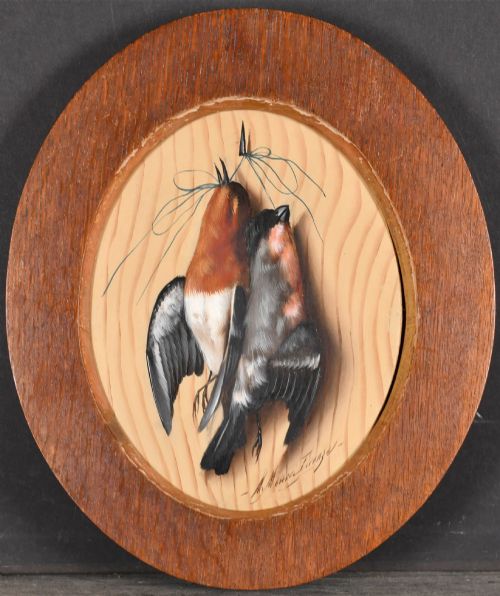
Most examples you will encounter combine oil paint with wooden boards, mahogany panels, or zinc supports. Artists favoured these firm surfaces for their fine grain and stability, which allowed for intricate detail and smooth blending.
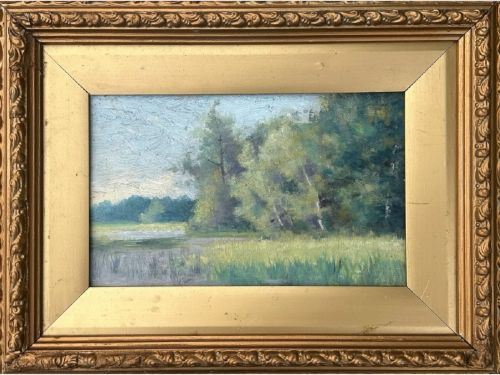
The objects connect modern interiors with Victorian and Georgian traditions through subjects ranging from quiet river valleys to detailed still lifes. Each piece preserves the distinct handling of regional schools operating throughout the nineteenth century.
Materials and technique
Makers prepared rigid grounds using timber boards, copper sheets, or zinc panels sealed with a smooth priming layer to receive the pigment. Painters applied oil colours in careful layers, utilising the flat surface to build luminous depths and sharp definition without the bounce of woven canvas.
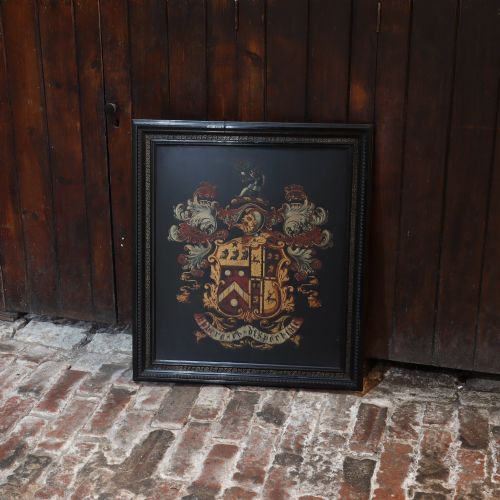
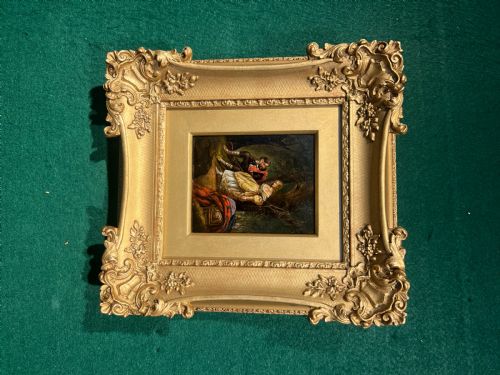
Finished works were frequently housed in ornate giltwood frames or fitted into decorative architectural furniture such as trumeau mirrors and writing cabinets. The combination of stable substrates and rich oil pigments ensured the survival of delicate brushwork across generations.
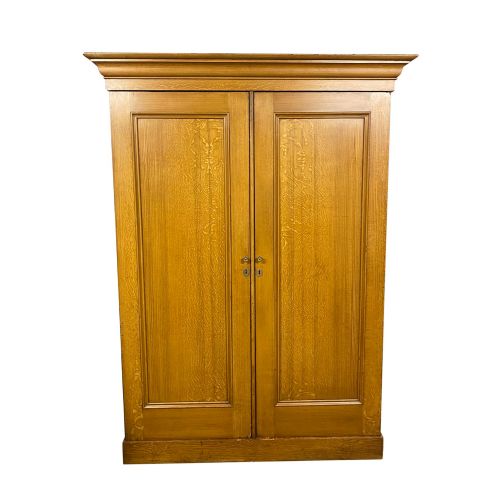
Several panels double as functional items, appearing embedded within nineteenth-century writing cabinets, Spanish settle benches, and grand overmantel mirrors.
Assessing the pieces
The standard of a painted panel depends heavily on the confidence of the brushwork and the anatomical or spatial accuracy achieved by the artist. Stronger examples display deliberate mark-making and harmonious pigment distribution across the rigid support.
Condition plays a central role, particularly regarding the stability of the wood or metal ground and the preservation of the original paint layer without heavy overpainting. Finer works retain their crisp original surface texture and sit within period frames that complement the composition.
Achille Brocot·Michelangelo Meucci·William Etty·Pieter Cornelis Dommersen
The 19th Century Panel Painting Glossary
- Panel painting
- A work of art executed on a rigid flat support such as wood, copper, or metal rather than stretched canvas. This technique was chosen by artists who valued a smooth, unyielding surface for fine detail work.
- Oil paint
- A slow-drying medium composed of pigments suspended in a drying oil, typically linseed. It allows for subtle colour blending and rich tonal depth.
- Trumeau
- An architectural wall mirror or decorative panel featuring an upper painted scene framed in wood and gesso. These pieces were popular in period interiors for reflecting light and adding vertical interest.
- Gesso
- A plaster-like mixture used as a smooth base coat on wood panels or frames before painting or gilding. It provides a stable white ground that heightens the brilliance of subsequent layers.
19th Century Panel Painting: Frequently Asked Questions
What is a 19th century panel painting?
It is a portable artwork created during the nineteenth century using oil paint applied to a rigid support like wood, copper, or metal.
Artists preferred these firm surfaces for their durability and smooth texture, which supported highly detailed portraiture and landscape scenes.
How should I hang a panel painting?
These works require sturdy wall fixings because the wooden or metal supports add considerable weight compared to canvas.
Keep them away from direct heat sources and strong sunlight to protect the aged wood and sensitive oil pigments from cracking.
How do I identify the period?
Dating relies on examining the style of the brushwork, the framing techniques, and the preparation of the reverse side of the panel.
Many pieces bear signatures, stamps, or labels from period framers and regional schools that help pinpoint their origin.
Were these always framed?
Most works were paired with giltwood frames designed to protect the edges of the wooden support and enhance the composition.
Some examples were integrated directly into architectural elements like wall mirrors, cabinets, and decorative screens.