



Original Fine Art
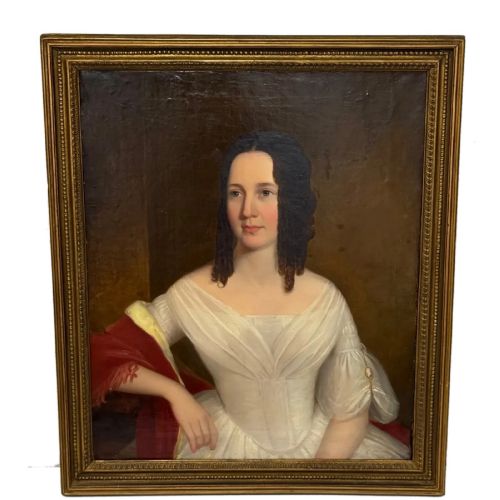
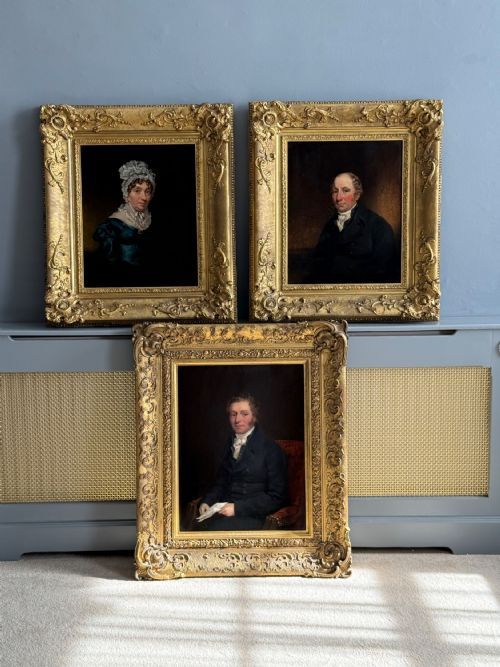
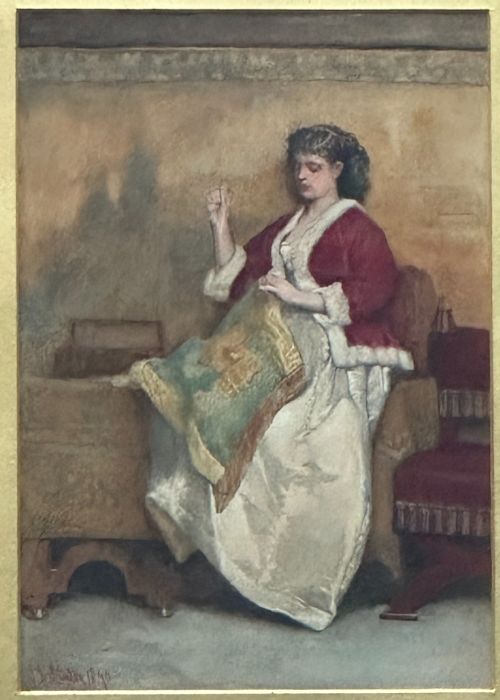
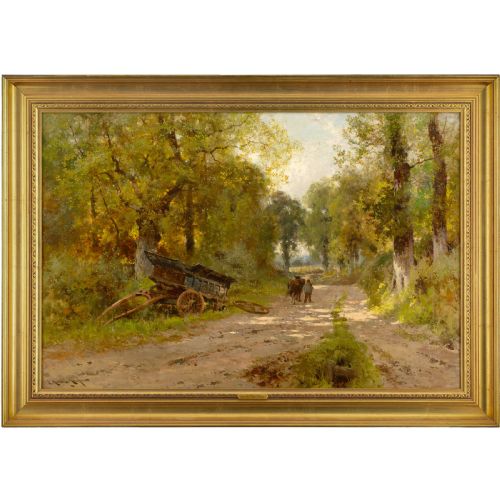
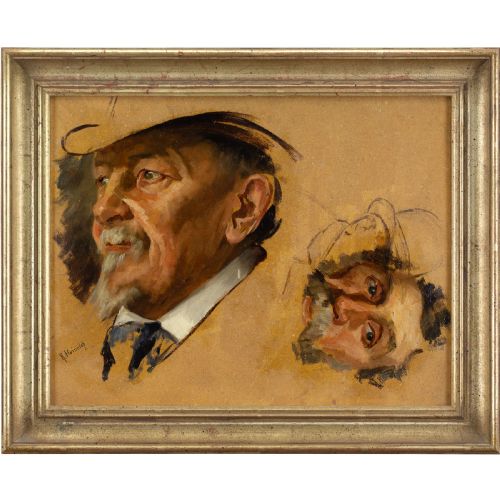
Original fine art encompasses hand-painted works including portraits, landscapes and still lifes produced across several centuries.
Original Fine Art
Original fine art comprises unique paintings created by hand rather than mass-produced prints or mechanical reproductions. Buyers searching for original fine art encounter oil paintings, watercolours and wall art spanning from the seventeenth century through to the mid-twentieth century.
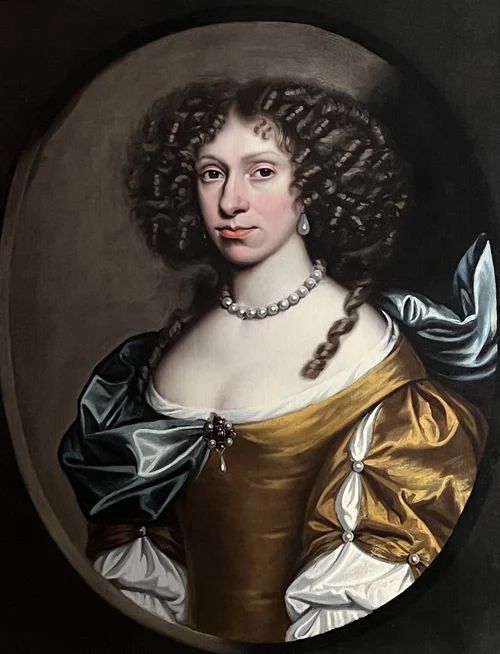
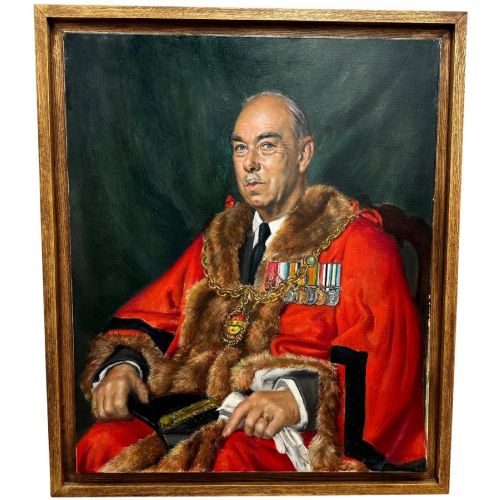
The selection ranges from Victorian watercolours and Edwardian coastal scenes to seventeenth-century portraits and mid-century modern landscapes. Oil on canvas and watercolour on paper represent the predominant formats found across these historical periods.
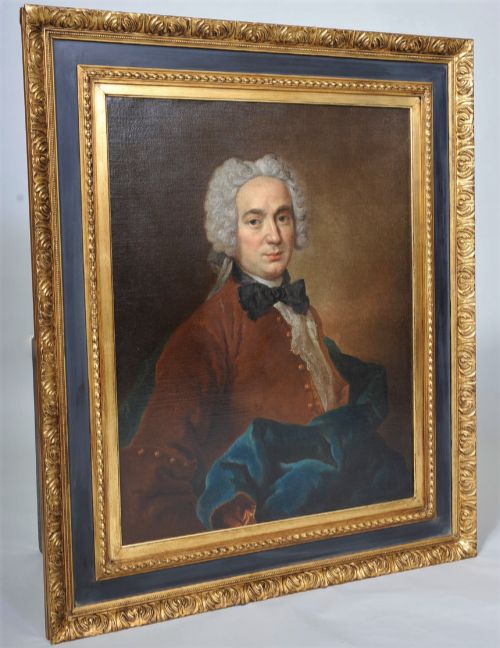
Portraits of individuals and detailed landscape studies form a substantial portion of the available pieces. Works by named artists sit alongside examples from the British School and continental European traditions.
Materials and methods
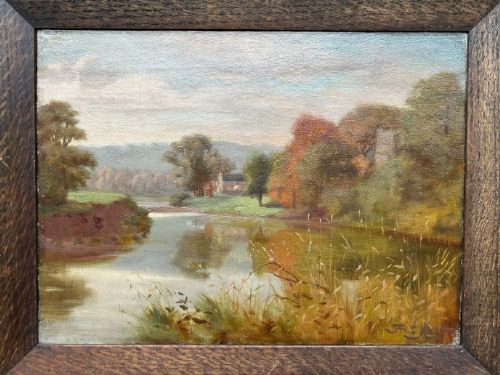
Artists painted primarily with oil paint or watercolour, applying pigments to prepared canvas, wood panels, board or paper supports. Oil painting allowed for rich blending and textured brushwork, particularly when laid onto woven canvas stretched over wooden frames.
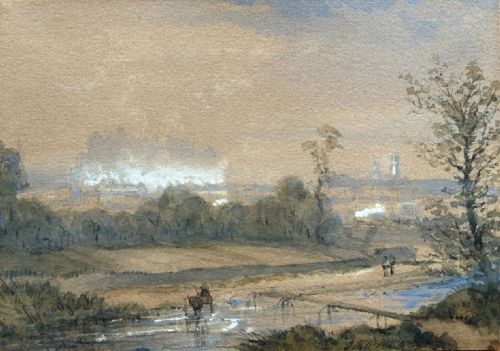
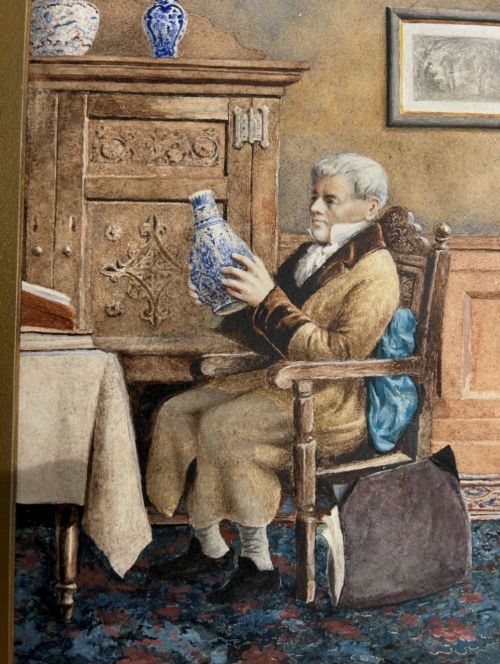
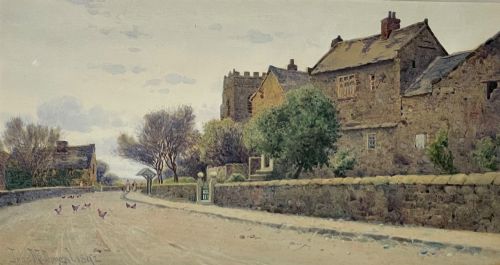
Watercolour painting utilised transparent washes of pigment on paper to capture light and atmosphere, often finished with delicate pencil work. Frames frequently incorporate carved wood and gilt plaster, preserving the visual context of the period in which the artwork was produced.
Portraiture, rural landscapes, architectural views and still life compositions form the primary subject matter across the archive.
Factors determining quality
Quality in these works rests upon the surety of the brushwork, the balance of composition and the handling of light. Accomplished artists command spatial depth and anatomical accuracy with greater precision than anonymous or naive practitioners.
Condition plays a central role, with well-preserved pigment stability and original framing elevating a piece. Works that retain their historical stretcher frames and untouched paint surfaces carry greater authority.
Eugène Verboeckhoven·Joseph Clover·David Scougall·Sir James Dromgole Linton·George Houston·Wilfred Knox
The Original Fine Art Glossary
- Oil on canvas
- A painting technique where oil-based pigments are applied to a woven fabric stretched across a wooden frame. This medium permits subtle gradations of tone and thick impasto applications.
- Watercolour
- A paint consisting of water-soluble pigments applied to paper. It relies on the white of the paper to show through translucent washes.
- Giltwood
- Wood that has been coated with a thin layer of gold leaf or gilt powder. It is commonly found on traditional picture frames from the eighteenth and nineteenth centuries.
- Panel
- A rigid support for painting, typically made of wood. Artists utilised panels before canvas became the dominant support.
- Grisaille
- A painting executed entirely in shades of grey or neutral monochrome. This technique was often used for preparatory designs or decorative wall schemes.
Original Fine Art: Frequently Asked Questions
What defines original fine art?
Original fine art refers to a unique, hand-painted work created directly by an artist rather than a printed reproduction. These pieces include oil paintings on canvas or panel and watercolours on paper.
Each work carries the distinct brushstrokes and artistic choices of its creator. Historical works often bear signatures, dates or attribution to specific periods such as the Victorian era or the seventeenth century.
How do I care for an oil painting?
Oil paintings require stable environmental conditions away from direct sunlight and extreme humidity fluctuations. Displaying them in rooms with moderate temperatures preserves the canvas and the wooden stretcher frames.
Dust should be removed gently with a soft, dry brush without applying moisture or cleaning agents. Professional conservators should handle any structural repairs or cleaning of the paint surface.
How can I tell a watercolour from an oil painting?
Watercolours are painted on paper and typically displayed under protective glass to prevent environmental damage. The surface is flat, showing the texture of the paper beneath translucent colour washes.
Oil paintings utilise canvas or wood panels and generally do not require glass protection. The paint surface has visible texture, weight and gloss from the oil binders.
Where were these historical paintings created?
The works originate from British, Scottish and continental European workshops and studios. Regional landscape traditions often reflect specific geographies such as Scottish highlands, English river valleys and Venetian canals.
Artists travelled widely to paint landscapes from direct observation or worked within urban studios to complete formal portrait commissions.