
19th Century Painted Box
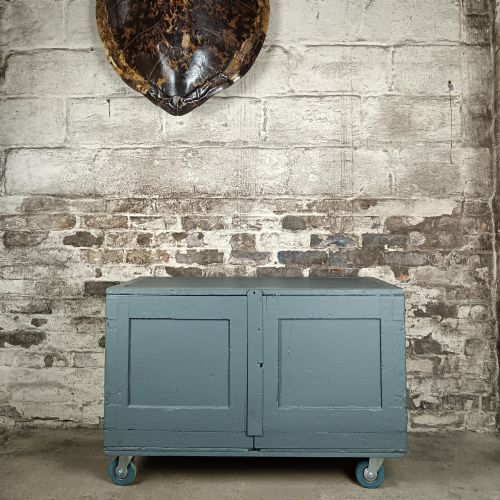
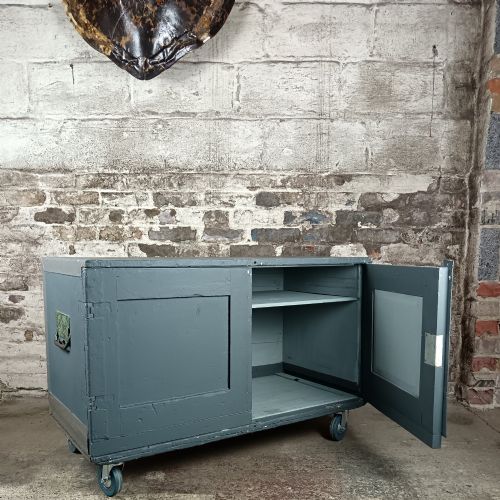
A 19th century painted box brings utilitarian folk charm and vibrant colour into modern interiors through time-worn pigments and honest joinery.
19th Century Painted Box
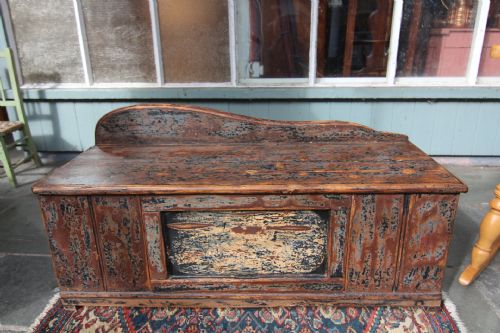
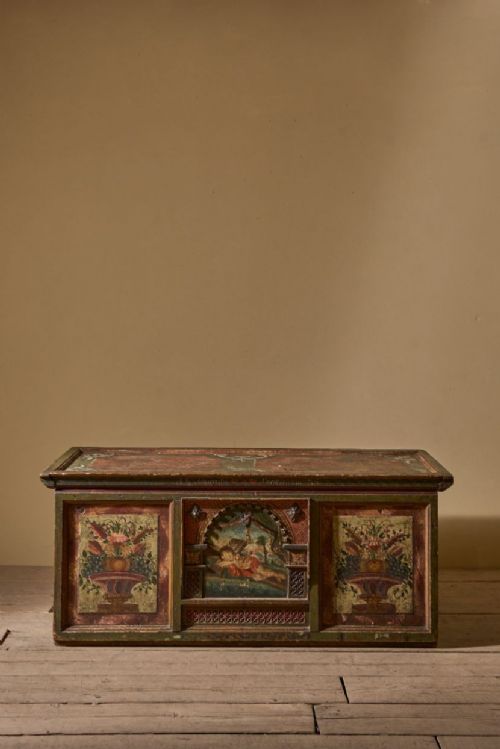
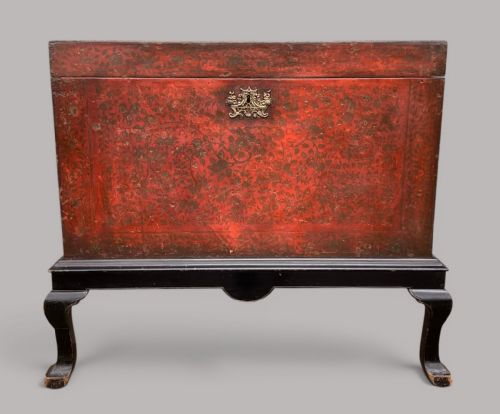
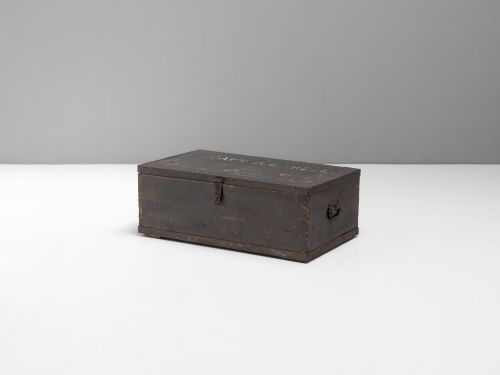
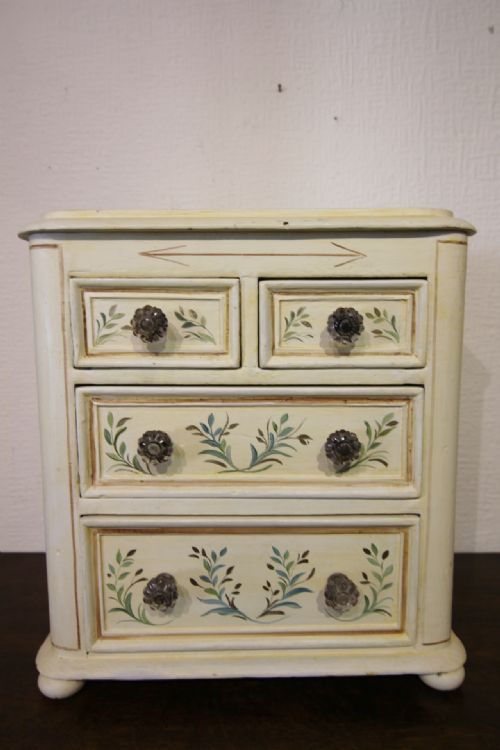
When you search for a 19th century painted box, you encounter a diverse array of utilitarian and decorative containers spanning domestic trunks, small desk caskets, and folk art receptacles. These pieces originate from regional European workshops, Scandinavian rural communities, and global trade hubs.
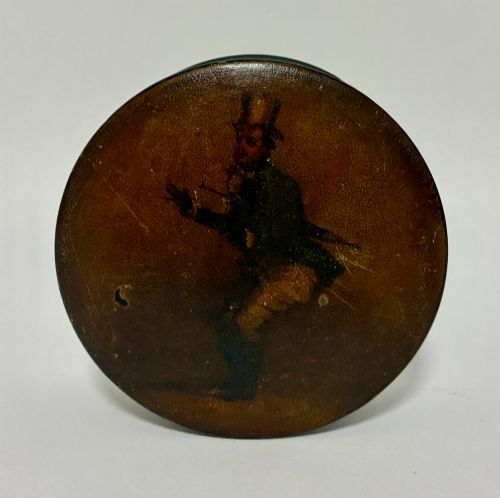
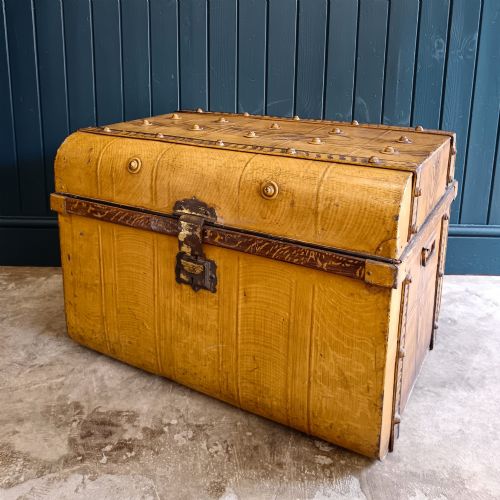
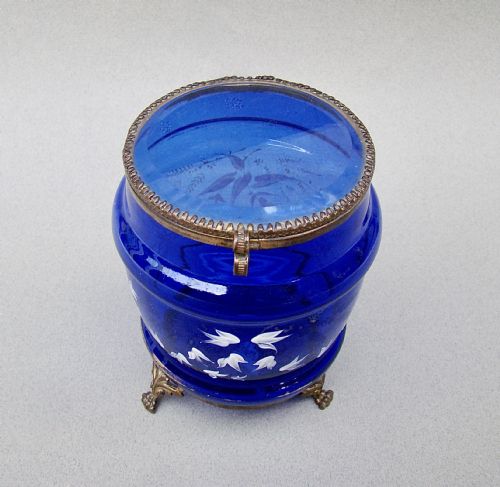
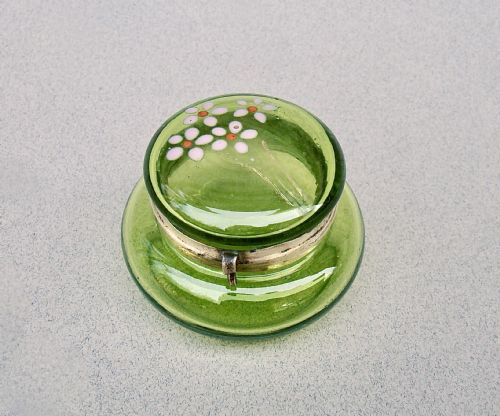
Pine blanket chests, dome-top storage boxes, and pine deed boxes form the bulk of the domestic items, alongside intricate papier-mâché snuff boxes and porcelain trinket caskets. The common thread is the application of surface pigment or lacquer upon wood, metal, paper, or ceramic.
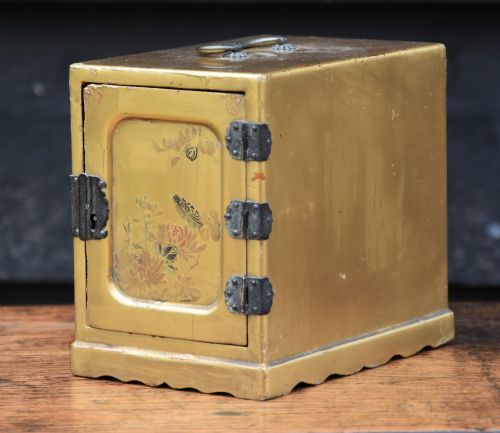
Regional variations dominate the selection, ranging from rustic Scandinavian folk art motifs on pine to sophisticated French porcelain and Japanese gilt lacquer work. Buyers select these items for functional storage or as decorative tabletop accents carrying authentic historical patination.
How They Were Made
Makers constructed the larger domestic chests predominantly from solid pine, utilising dovetailed or pegged joints to ensure structural durability. Smaller desk boxes, snuff boxes, and card boxes often employed papier-mâché or turned treen as the foundational body.
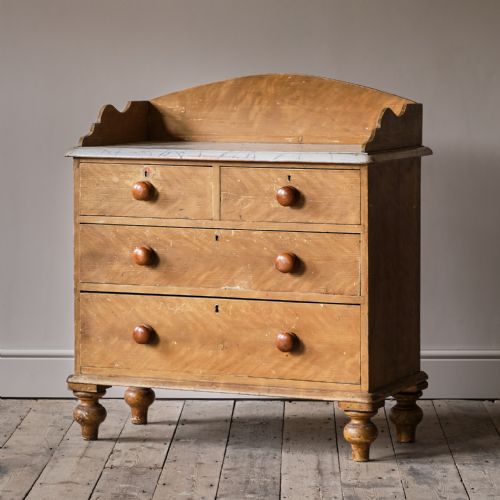
Surface decoration relied on traditional pigments applied over prepared grounds, sometimes employing scumble glazing to imitate finer timbers like oak or mahogany. Lacquering, hand-painted floral panels, and gilt detailing were executed directly onto the wood, metal, or ceramic surfaces using fine animal-glue or oil-based binders.
Listings feature pine, iron, brass, lacquer, and enamel across 19th-century forms including trunks, deed boxes, snuff boxes, and tea caddies.
What Varies in Quality
The integrity of the original surface finish dictates the primary tier of distinction, separating pieces retaining their first layers of paint from those stripped or heavily overpainted later. Original patina, minor wear consistent with age, and untouched hardware elevate the standing of a piece.
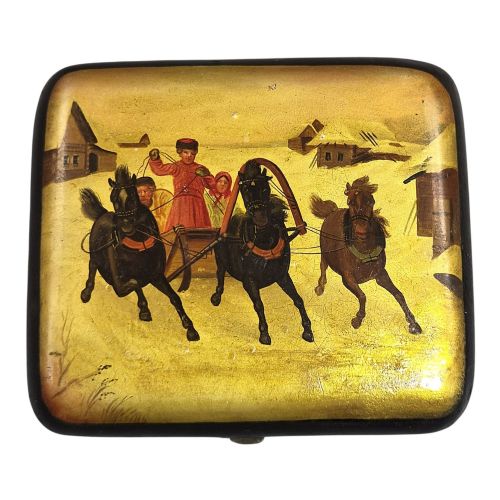
Construction methods and artistic execution separate everyday utilitarian items from elite commissions. Masterwork lacquer, detailed miniature hand-painted porcelain plaques, and precise regional folk art motifs demonstrate superior craftsmanship compared to standard trade boxes.
Vishnyakov Workshop·Samson of Paris
The 19th Century Painted Box Glossary
- Papier-mâché
- A composite material made of paper pulp or reinforced paper sheets mixed with glue, moulded and dried into sturdy boxes. It served as a smooth substrate for lacquer and painted miniatures.
- Scumble
- A translucent or semi-opaque oil paint layer dragged over a lighter base colour to simulate wood grain or create cloudy texture. Artisans used this technique to give inexpensive pine the appearance of costly hardwoods.
- Treen
- Small handmade wooden household objects and utilitarian items turned on a lathe or carved by hand. These items include string boxes, small containers, and sewing accessories.
- Gilt
- A thin layer of gold leaf or powdered gold applied to the surface of wood, lacquer, metal, or ceramic decoration. This technique added metallic brilliance to box lids and panels.
- Deed box
- A robust storage chest designed specifically for securing legal documents, land titles, and family papers. They typically feature heavy iron carrying handles and secure locks.
19th Century Painted Box: Frequently Asked Questions
What were 19th century painted boxes used for?
These containers served varied domestic purposes, ranging from large pine bedding and marriage chests holding household linens to tiny snuff boxes kept in pockets. Specialised examples functioned as writing desks, sewing work-tables, and secure deed receptacles.
Smaller trinket and pill boxes sat on dressing tables to hold jewellery and cosmetics, while larger trunks transported personal belongings during travel or military campaigns.
How do I care for original painted surfaces?
Keep painted and lacquered boxes away from direct sunlight and excessive heat fluctuations to prevent the wood beneath from shrinking and the pigment from cracking. Dust gently with a dry, soft cloth and avoid chemical cleaning agents or abrasive polishes that strip fragile historic finishes.
Maintain stable indoor humidity levels to preserve the integrity of both the timber substrate and the delicate surface decoration over decades of display.
Are these boxes suitable for daily storage?
Sturdier pine chests and blanket boxes easily accommodate everyday storage needs for blankets, linens, and household items. Their robust dovetail construction and hinged lids remain fully functional for modern use.
Delicate papier-mâché, porcelain, and lacquer caskets suit lighter display duties or the safekeeping of small accessories rather than heavy handling.
How can I tell regional folk art styles apart?
Scandinavian folk art boxes often display bright, contrasting pigments with stylised floral motifs and geometric borders painted on pine. French and English pieces lean towards refined porcelain plaques, intricate gilt detailing, or scumble-glazed wood grain effects.
Asian export items utilise distinct lacquer techniques and pictorial motifs unique to Japanese and Chinese workshops of the period.