

19th Century Oval Table
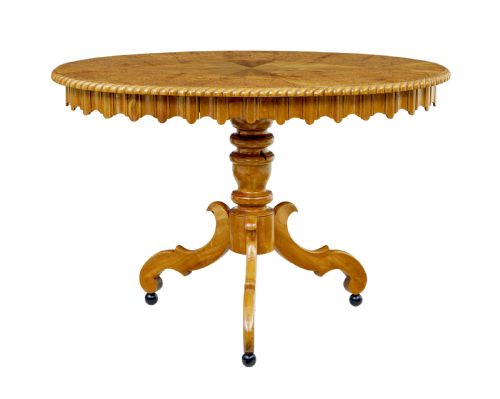
A 19th century oval table brings organic curves and rich timber figures to a room, offering a functional centrepiece built for daily gatherings.
19th Century Oval Table
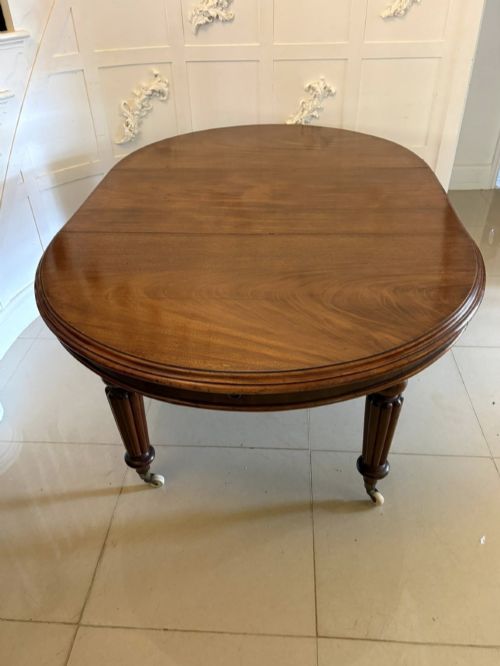
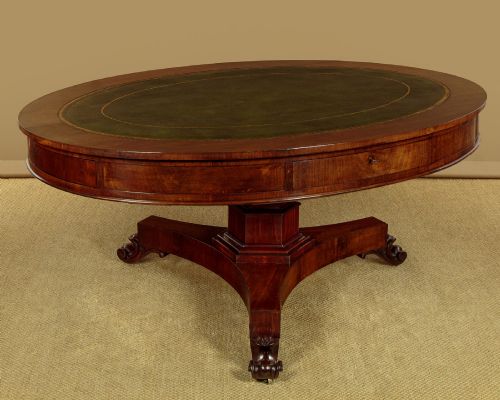
When searching for a 19th century oval table, buyers encounter a diverse selection ranging from large dining formats to compact occasional pieces. The Victorian era dominates the selection, bringing substantial walnut and mahogany examples into circulation.
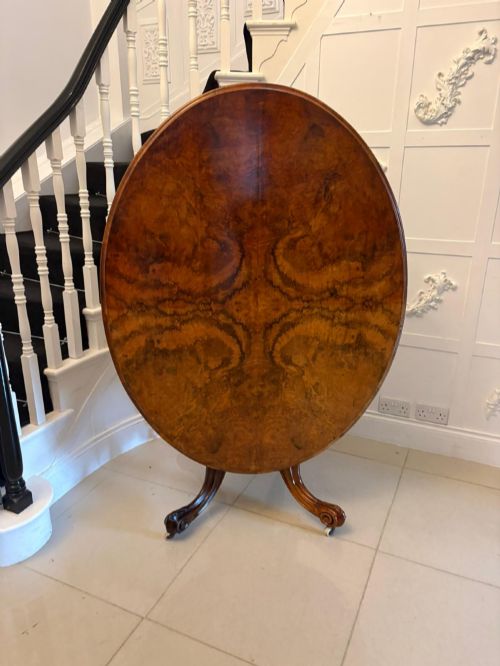
The inventory includes specialised forms such as tilt-top loo tables, breakfast tables, and centre tables designed to anchor principal rooms. Smaller lamp tables, tray tables, and occasional pieces also appear frequently across the period.
Origins span English workshops alongside Continental pieces from France, Sweden, and beyond, incorporating regional woods like birch, oak, and fruitwood alongside imported tropical hardwoods.
Materials and Techniques
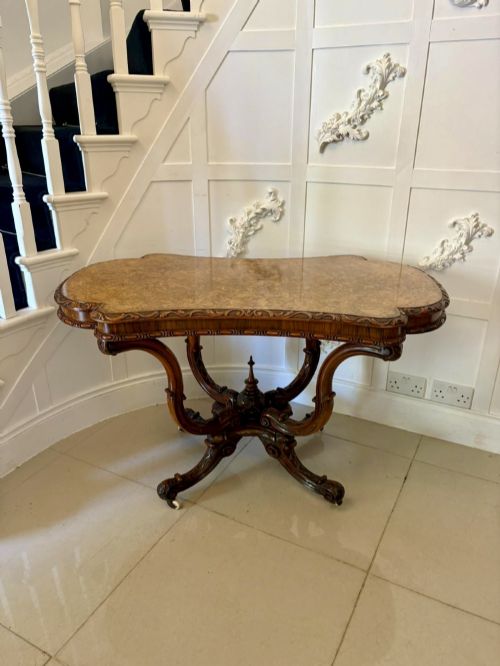
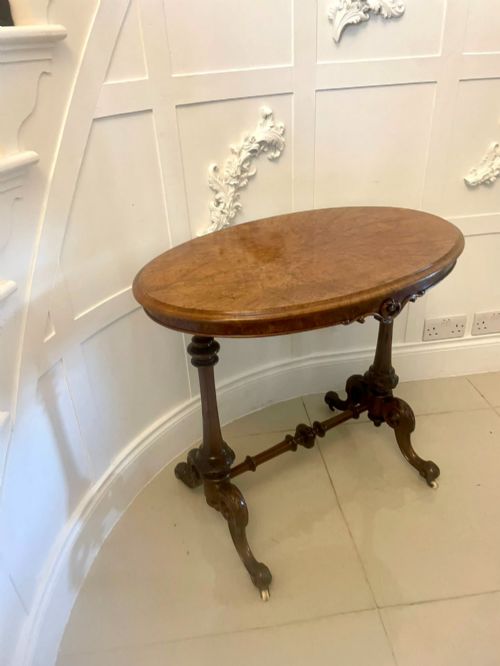
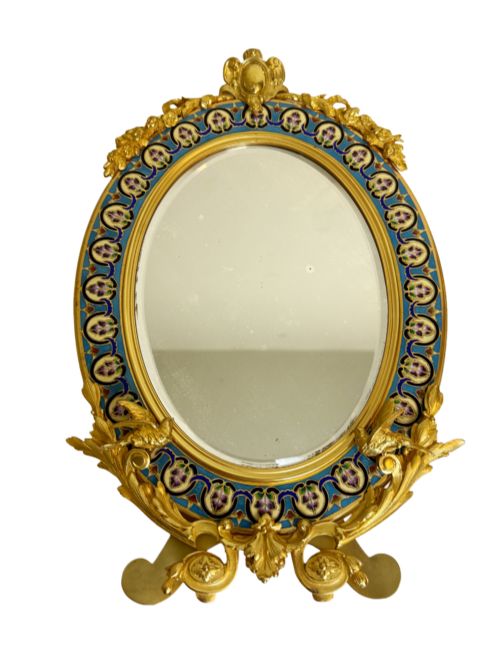
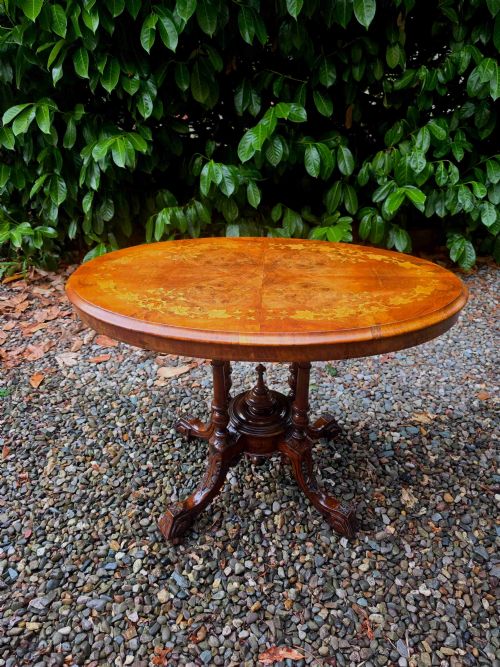
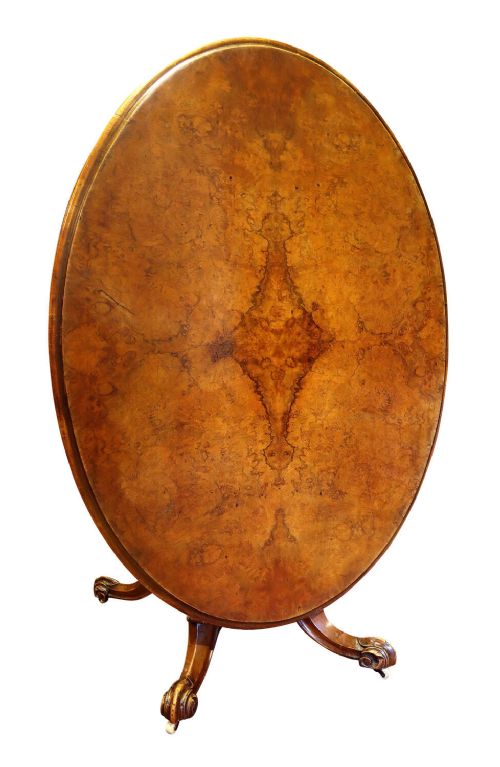
Cabinetmakers utilised solid timbers and decorative veneers, applying burr walnut, flame mahogany, and satinwood to create complex grain patterns across table tops. Wood inlay, marquetry, and champleve enamel add detailed ornamentation to select surfaces.
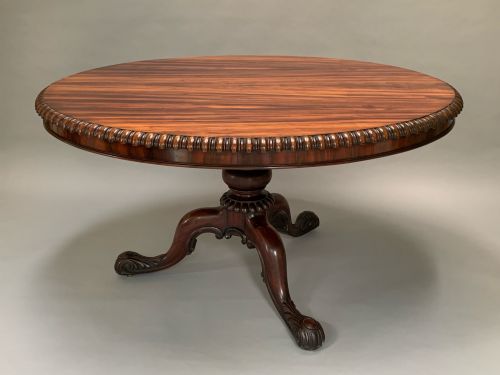
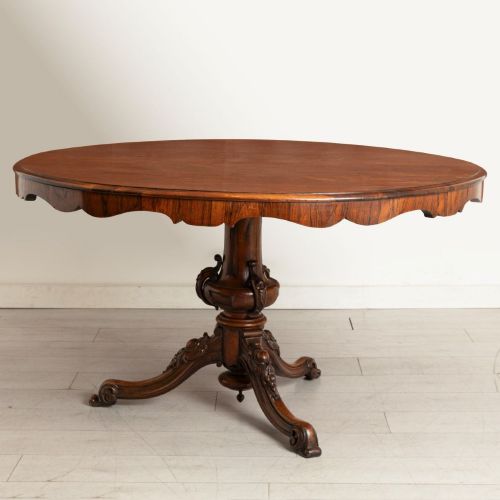
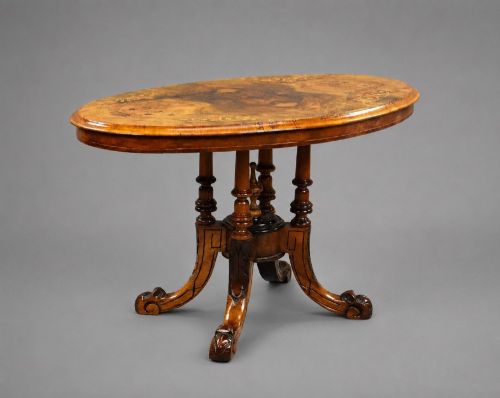
Structural integrity relied on solid pedestals, turned legs, and carved quadrapod or tripod bases, often mounted on castors for mobility. Tilt-top mechanisms utilised wooden catches and brass hinges to allow surfaces to store flat against walls when not in use.
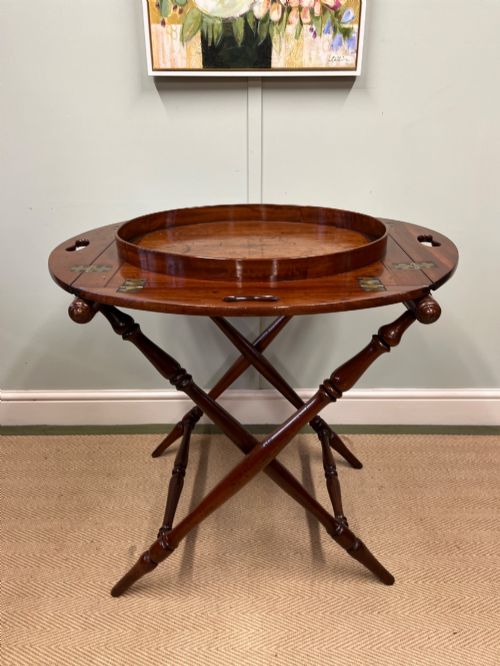
Scissors-action tables offer a surprising folding geometry that makes guests wonder how the base collapses flat.
Evaluating the Build
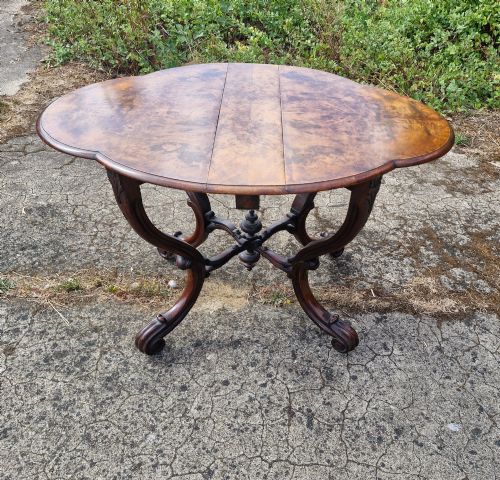
The distinction between tiers rests upon the selection of timber figures, where dense burr walnut and matched flame mahogany denote superior cabinetmaking. Crispness in hand-carving on pedestals and bases separates standard output from exceptional workshop productions.
Joinery execution defines structural longevity, visible in the snugness of wood inlay, the smooth operation of tilt mechanisms, and the stability of pedestal mountings. Original brass hardware and intact castors further indicate a higher grade of original manufacture.
Gillows·Wylie and Lochead
The 19th Century Oval Table Glossary
- Loo table
- A large Victorian table designed for card games, featuring a tilt-top mechanism for convenient storage. These pieces frequently showcase burr walnut veneers and heavy carved pedestals.
- Tilt-top
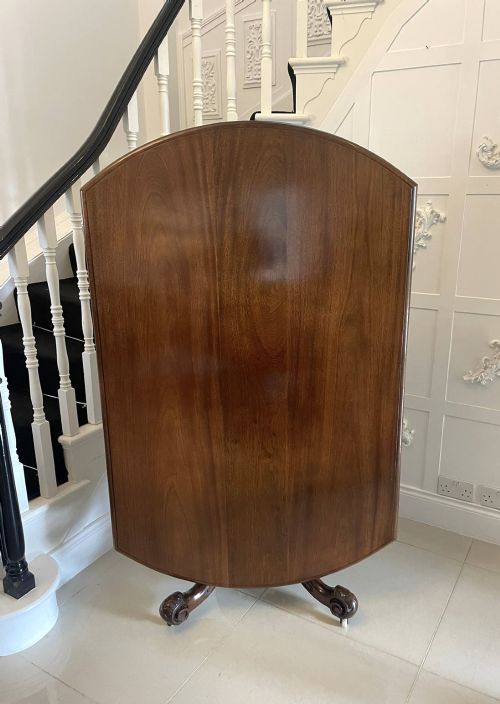
- A hinged tabletop construction that pivots from horizontal to vertical. This mechanism allowed large dining and occasional tables to be pushed against walls when space was required.
- Marquetry
- Decorative patterns formed by fitting contrasting veneer pieces into a wooden ground. Cabinetmakers applied this technique to create intricate floral or geometric tabletop designs.
- Quadrapod base
- A heavy four-legged pedestal support system common on larger Victorian breakfast and centre tables. These bases frequently incorporate detailed scroll carving.
- Champleve
- An enamelling technique where troughs are carved into a metal surface and filled with vitreous paste before firing. It appears on decorative mounts and table mirrors from the later period.
19th Century Oval Table: Frequently Asked Questions
How were these tables used originally?
These tables served multiple domestic functions depending on their scale and form. Large formats accommodated dining and formal gatherings, while tilt-top loo tables doubled as card-playing surfaces in the evening.
Smaller occasional and centre tables held lamps, books, or decorative objects in drawing rooms. Drop-leaf and breakfast variants offered flexible utility, moving easily between dining spaces and private quarters.
How do I care for a walnut veneer top?
Walnut surfaces require protection from direct sunlight and extreme humidity fluctuations to prevent veneer lifting or timber splitting. Regular dusting with a soft dry cloth maintains the finish without chemical buildup.
Applying a quality beeswax periodically nourishes the wood and preserves the grain depth. Avoid placing hot or wet items directly on antique polish to prevent permanent marking.
What is the difference between a loo table and a breakfast table?
A loo table refers specifically to a Victorian round or oval table designed for the card game loo, almost universally built with a tilting mechanism. Breakfast tables share similar pedestal and tilt-top constructions but typically served morning dining.
In practice, cabinetmakers used both terms interchangeably during the 19th century. The primary distinction lies in the intended domestic placement rather than a strict structural difference.
How can I identify a Victorian piece from a Regency one?
Regency tables generally display cleaner classical lines influenced by ancient Greek and Roman forms, often utilising amboyna, ebony, and dark mahogany. Proportions tend to be restrained, with brass stringing and reeded legs.
Victorian pieces embrace heavier proportions, exuberant carving, and highly figured burr walnut veneers. Base designs shift toward robust architectural pedestals and elaborate scrollwork.