

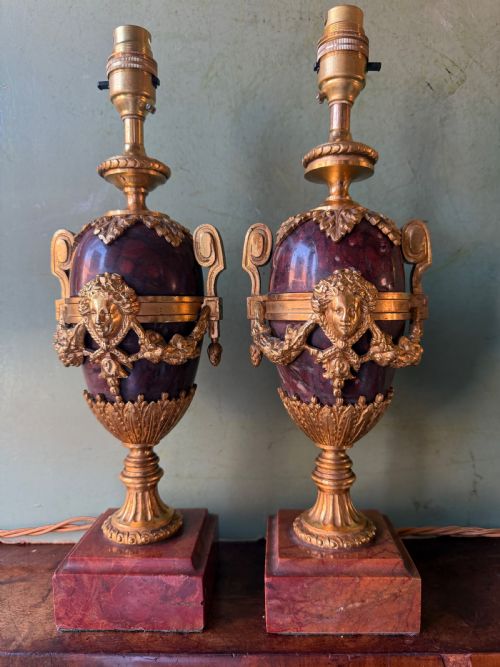


19th Century Ormolu Lamp
When you handle a 19th century ormolu lamp, you hold a piece of French decorative art designed to catch candlelight and gaslight alike.
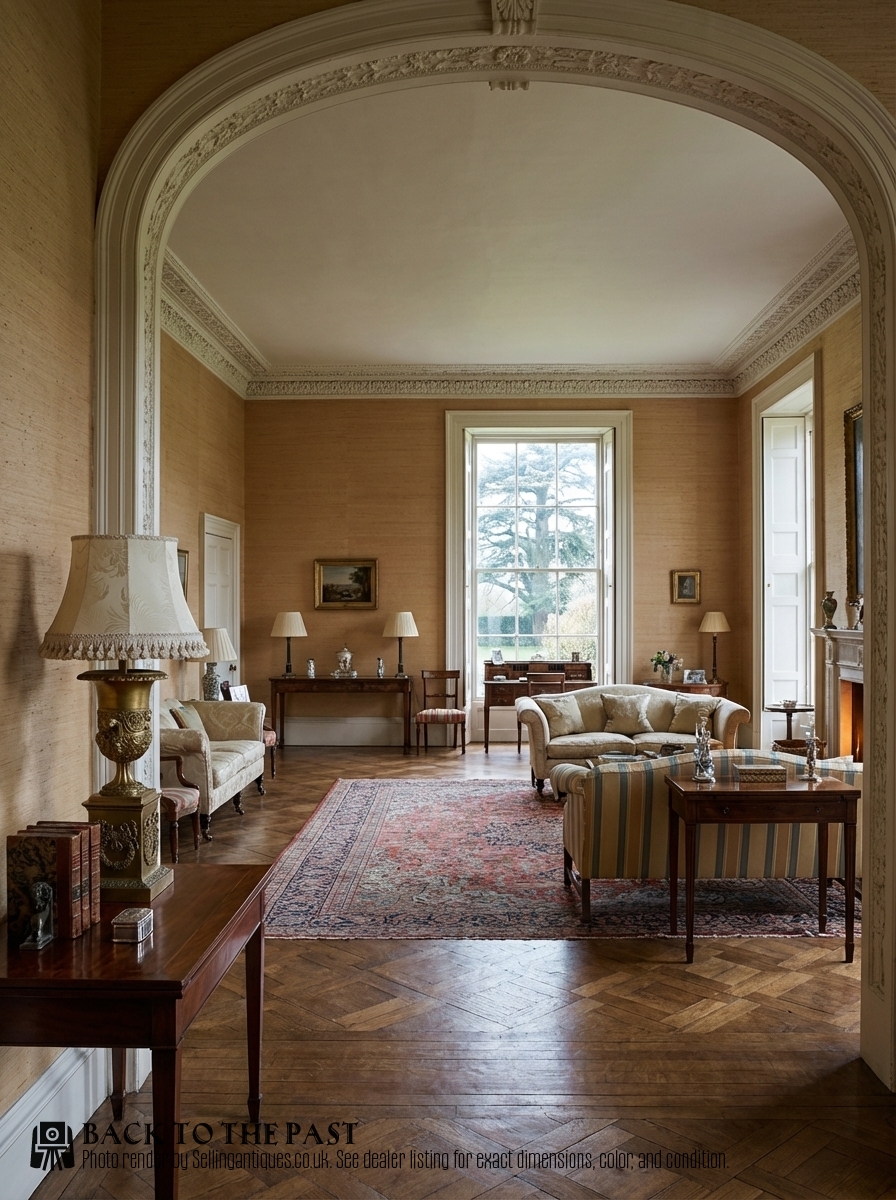
19th Century Ormolu Lamp
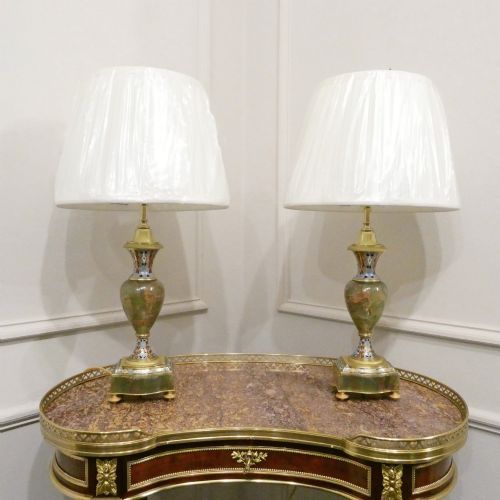
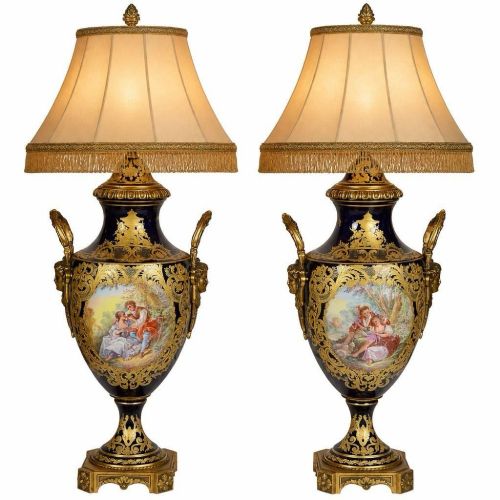
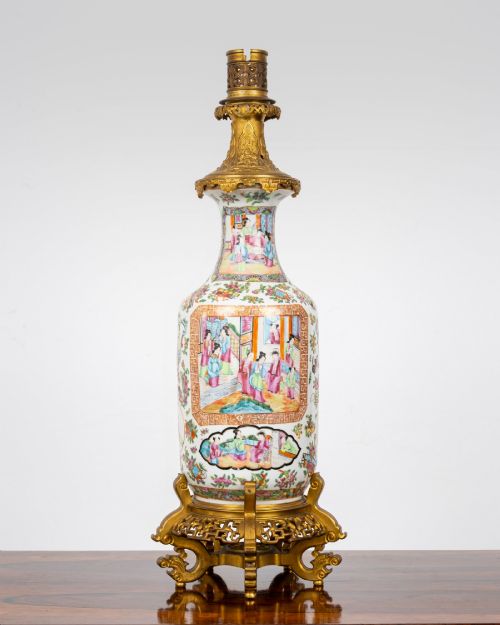
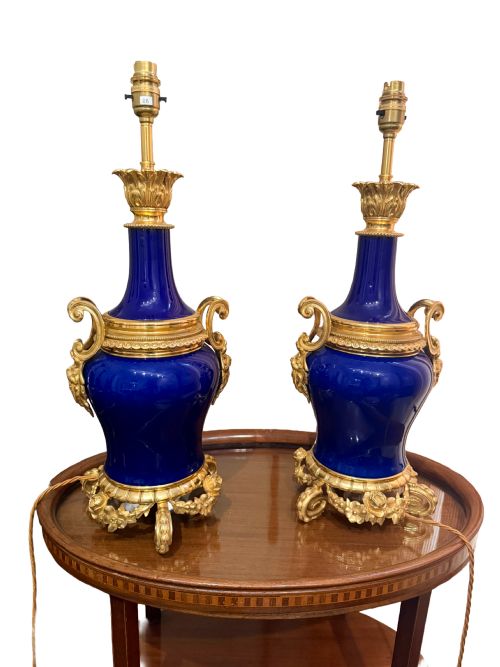
Buyers encounter table lamps mounted on rouge, white, or green marble bases, alongside pairs of vases converted into lighting, all drawing on Louis XV, Louis XVI, and Empire design vocabularies.
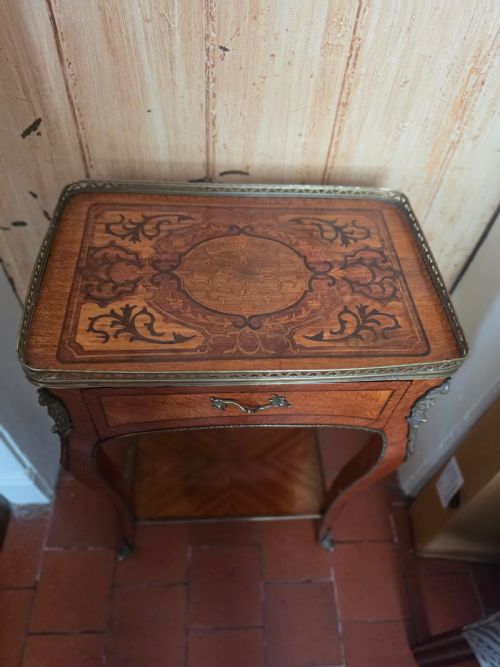
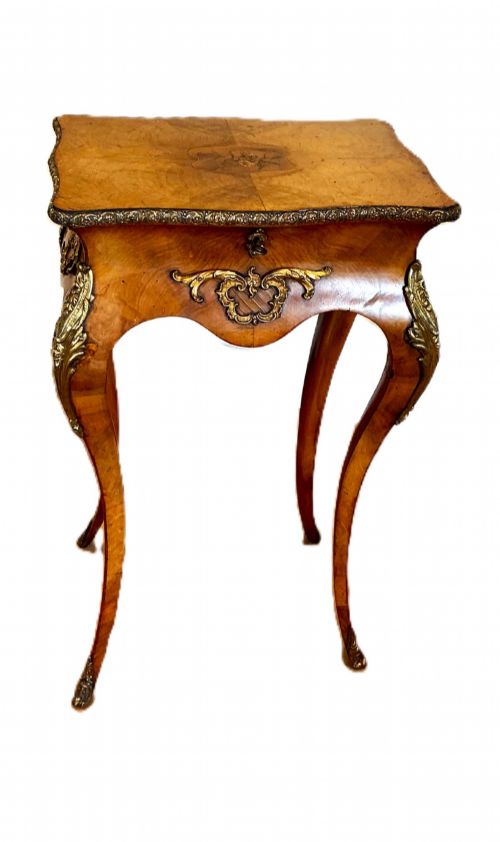
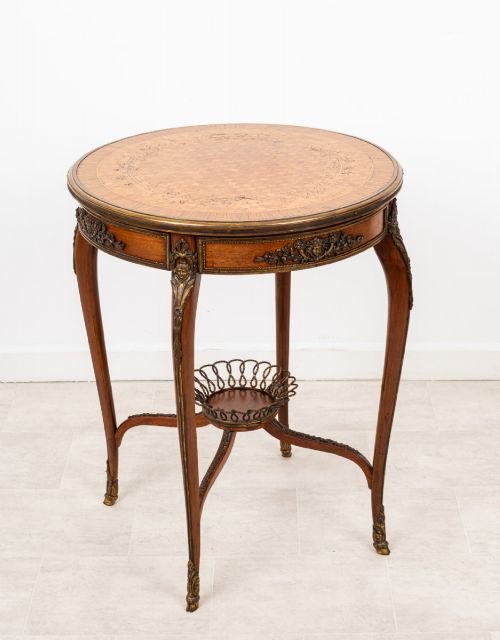
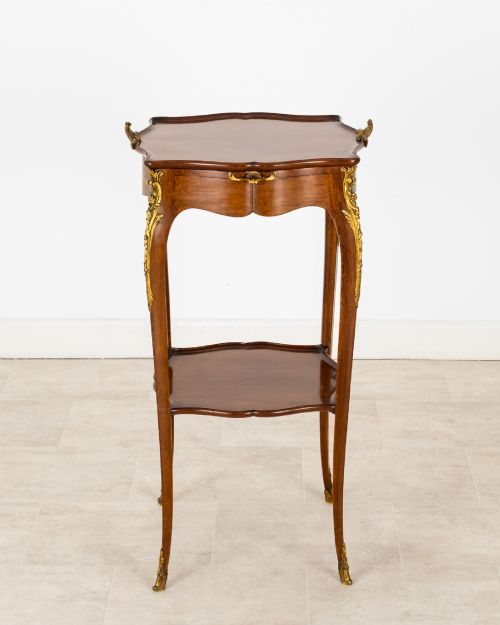
Alongside dedicated lighting bases, the selection includes occasional, side, and centre tables accented with matching gilt metal mounts, reflecting the unified interior schemes of the period.
Materials and Techniques
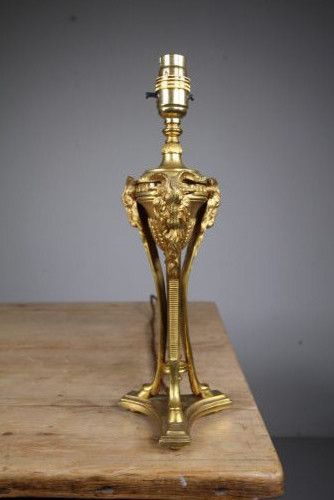
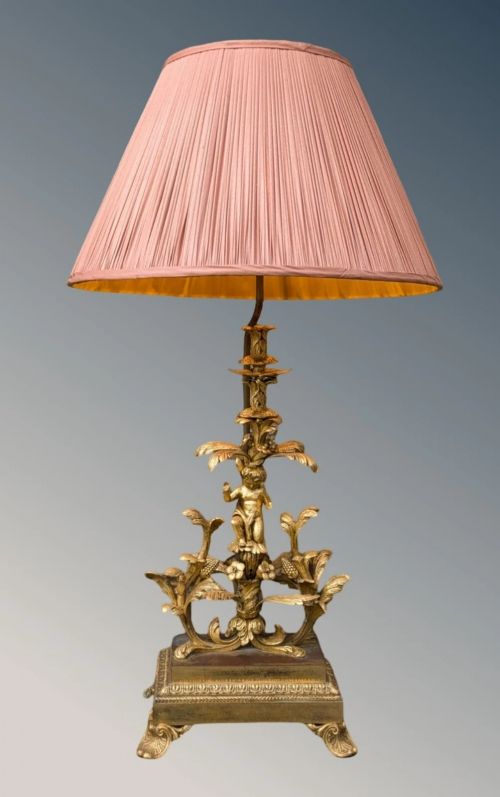
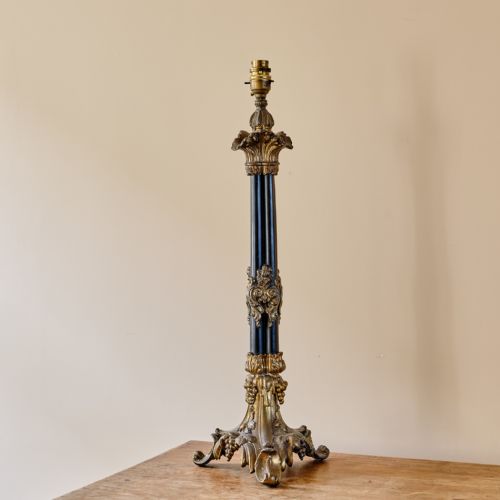
The foundation of these pieces relies on cast bronze, chased by hand to sharpen details like acanthus leaves and cherubs before receiving an application of gold amalgam through mercury gilding or modern electroplating to create the characteristic ormolu finish.
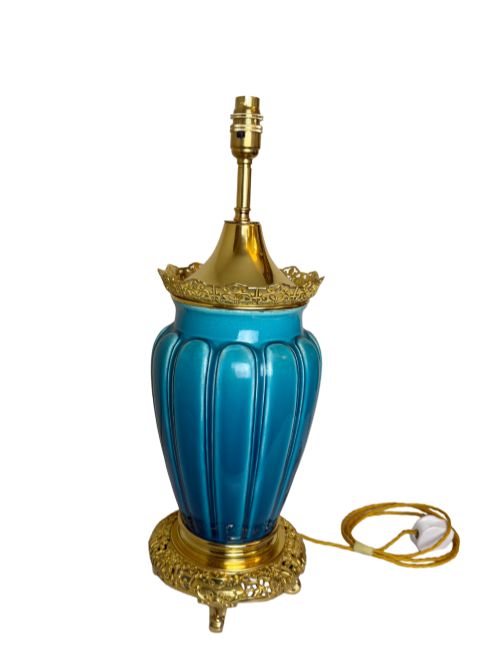
Maker-potters combined these metal mounts with imported Chinese and Japanese ceramics, Sevres-style porcelain, or hand-painted cobalt glass, often drilling the ceramic bodies later for electrical wiring or retaining evidence of past oil-lamp conversions.
19th Century Ormolu Lamp Retail Price Guide 2026
Typical asking prices for 19th century ormolu lamp among the pieces listed under this phrase on Sellingantiques today, from the lower quarter to the upper quarter. They describe what is for sale here now, not the wider market.
Listings feature materials spanning gilt bronze, porcelain, walnut, and rouge marble.
Judging Quality
The distinction between standard domestic lighting and exhibition-grade pieces rests in the crispness of the bronze chasing and the weight of the marble or porcelain bodies, where sharper surface relief indicates skilled handwork rather than mass production.
Integration defines the better examples, where mounts follow the exact contours of the underlying stone or ceramic without awkward gaps, and where original gilding retains both matte and burnished highlights.
François Linke
The 19th Century Ormolu Lamp Glossary
- Ormolu
- A gilded bronze technique involving an amalgam of mercury and gold applied to cast bronze, yielding a rich golden surface that resists tarnishing. It defines the decorative mounts on many nineteenth-century French furnishings.
- Champlevé
- An enamelling technique where troughs are dug into a metal surface, filled with vitreous enamel, and fired. These enamelled sections frequently appear alongside gilt bronze on table lamps.
- Pâte-sur-pâte
- A porcelain manufacturing method where liquid white clay is painted in successive layers onto a coloured ceramic body to build up a low relief design. It produces cameo-like ornamentation on nineteenth-century lamp bases.
- Gueridon
- A small circular table supported by a central column or legs, often fitted with a marble top and gilt bronze mounts. These tables share the stylistic language of the period's lighting.
- Empire Style
- A neoclassical design movement originating in early nineteenth-century France, drawing heavily on ancient Roman, Greek, and Egyptian motifs. It dictates the symmetrical and monumental lines seen on many bronze lamp bases.
19th Century Ormolu Lamp: Frequently Asked Questions
What is an ormolu lamp?
An ormolu lamp is a nineteenth-century lighting fixture featuring cast bronze components treated with a gold-gilding process. These pieces frequently incorporate ceramic or stone bodies.
Craftsmen produced them across France and England, drawing on historical revival styles for domestic interiors.
Were these lamps originally electric?
Most of these pieces began life as oil lamps, standard lamps, or decorative vases before conversion to electricity during the twentieth century. Evidence of this past often remains visible in the internal wiring channels.
Some retain older burner mechanisms or reservoir components alongside their converted fittings.
How do I style an antique lamp?
Pairing these pieces with simple, neutral fabric shades allows the detailed gilt bronze mounts and painted porcelain bodies to command attention. They function effectively on side tables, desks, or chests.
Matching pairs provide symmetry on larger sideboards or mantelpieces.
How do I date a nineteenth-century lamp?
Dating relies on stylistic markers such as the presence of Empire, Rococo Revival, or Art Nouveau motifs, combined with the type of porcelain or marble used in the construction. Maker marks on the bronze or ceramic bases offer further chronological clues.
Later Victorian interpretations often blend multiple revival styles within a single piece.