




19th Century Oil Board
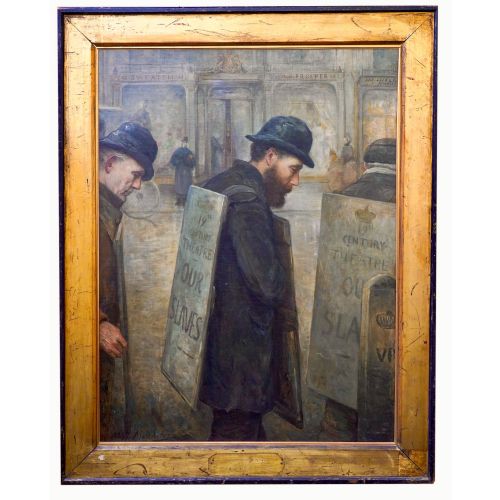
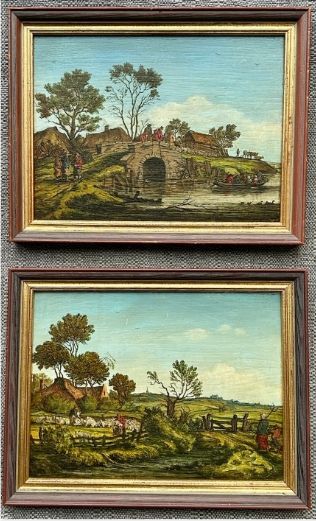
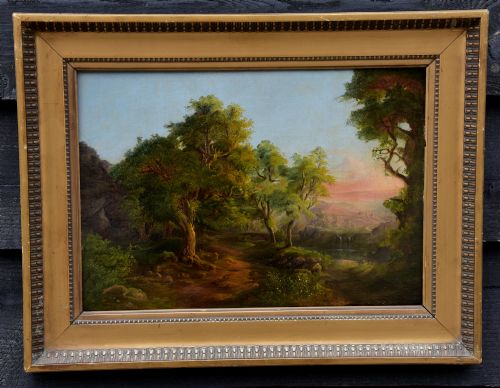
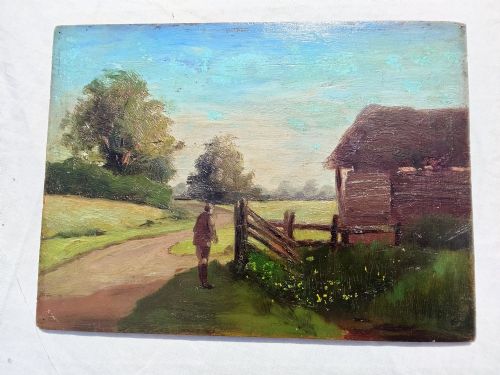
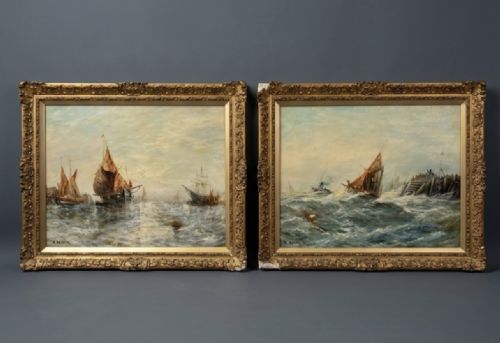
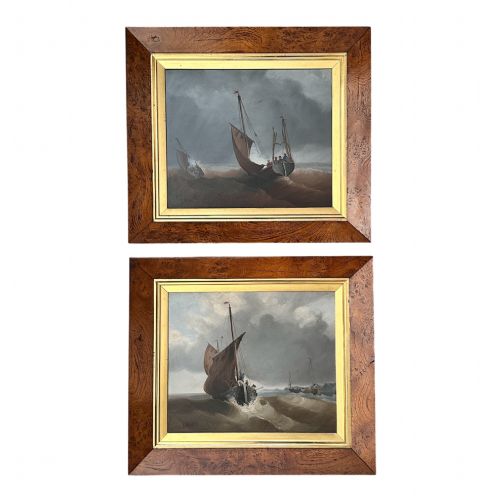
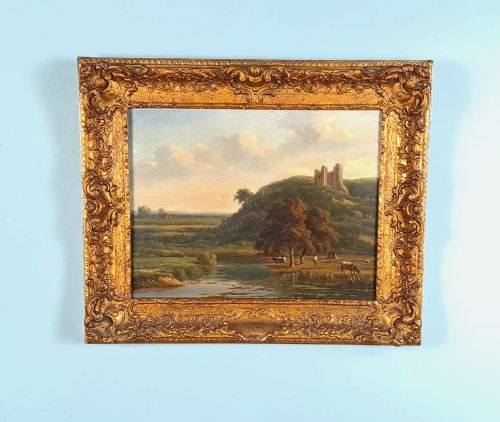
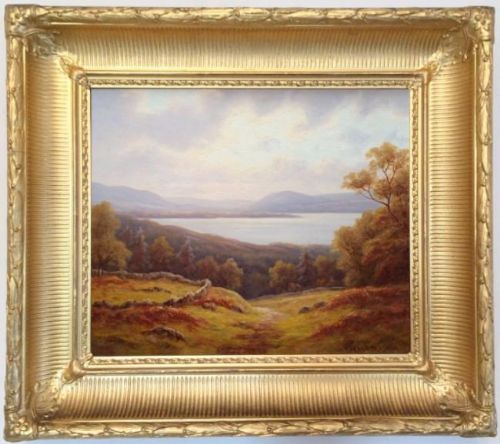
These 19th century oil board paintings offer direct glimpses into past domestic, marine, and landscape scenes created on rigid supports.
19th Century Oil Board
A 19th century oil board is a portable painting executed on wooden panels, stiff paper boards, or canvas laid down on heavy card.
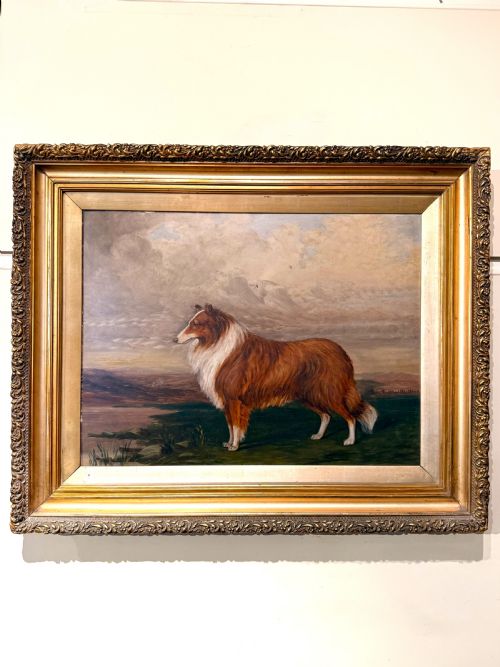
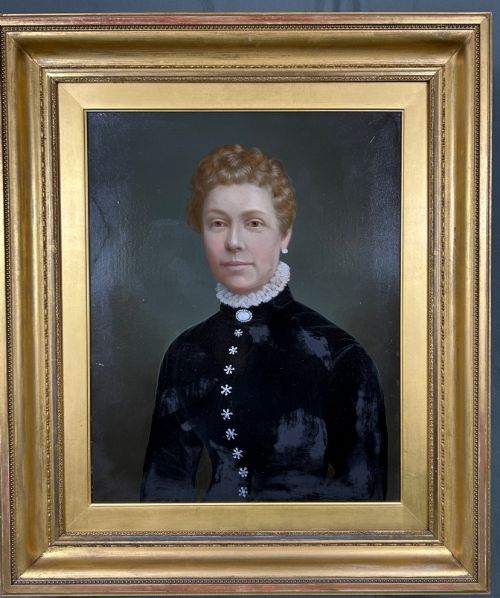
The subjects span pastoral landscapes, maritime views, animal studies, and detailed human portraits reflecting Victorian tastes.
Most examples found here hail from British, Scottish, and continental European schools working in various regional traditions.
How They Were Made
Artists applied rich oil paint directly onto prepared wooden panels, wooden boards, or canvas supports laid down on card.
Finished works frequently sat inside gilt frames, gesso mouldings, or simple ebony surrounds designed to protect the fragile edges of the board.
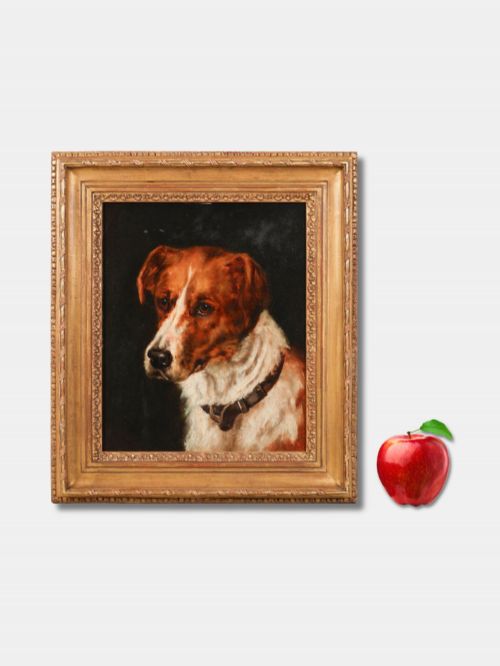
Several artists preferred painting family pets and farmyard animals over grand historical events, capturing centuries-old canine expressions.
What Varies in Quality
Execution ranges from hurried amateur studies to confident brushwork by listed professional artists working in distinct national schools.
The preservation of the original paint surface, stability of the underlying board, and retention of period framing dictate the overall desirability.
Felix Stone Moscheles·John Moore of Ipswich·T C Hofland·Miles Birkett Foster·Everett Watson Mellor·Gabriel Puig Roda·John Constable·James Kyd·William Mellor·George Hilditch·Colin Graeme Roe·Antonietta Brandeis·Thomas Blinks·John Falconar Slater·Anthony Graham·David Cox Senior·Evelyn Chester·Robert Finlay McIntyre·George Sherwood Hunter·Edwin Fletcher·John William Buxton Knight
The 19th Century Oil Board Glossary
- Oil board
- A painting executed with oil pigments directly onto a stiff card or paper board support. This format allowed artists to paint outdoors with ease.
- Wood panel
- A flat piece of timber used as a rigid foundation for oil paint instead of stretched fabric. Panels resisted punctures common in woven canvas.
- Canvas laid on board
- A historical conservation method where an older canvas painting is permanently adhered to a rigid backing board for added stability.
- Gilt frame
- A wooden picture surround covered in a thin layer of gold leaf or metallic gilt finish. These frames often match the exact period of the painting.
- Tondo
- A Renaissance-derived term for a circular painting or relief sculpture. These round formats appear frequently in nineteenth-century decorative landscapes.
19th Century Oil Board: Frequently Asked Questions
What is an oil board?
An oil board is a small painting created using traditional oil paints on a stiff paper or wood foundation.
Artists favoured these rigid supports for outdoor sketching because they required no bulky wooden stretcher frames.
How do I care for these?
Keep these paintings away from direct sunlight, damp walls, and extreme temperature fluctuations to protect the wood or card.
Display them indoors within stable environments, avoiding harsh chemical cleaners on both the painted surface and original frames.
Are these paintings signed?
Many examples bear artist signatures, monograms, or period inscriptions either on the front face or written verso upon the backing.
Unsigned works frequently display distinct regional styles that link them directly to specific nineteenth-century British or European schools.
Why use wood instead of canvas?
Wooden panels and stiff boards provided a completely solid surface that prevented the sagging and punctures associated with woven textiles.
This rigid medium suited the swift working methods of plein air painters capturing fleeting light and weather effects.