
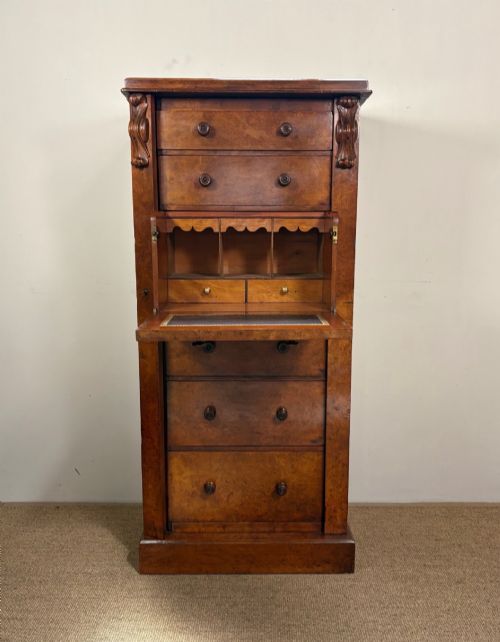
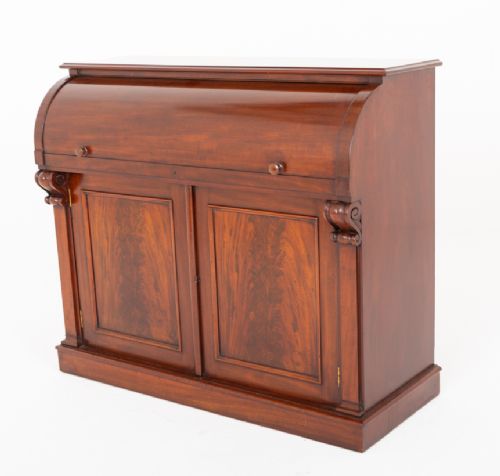
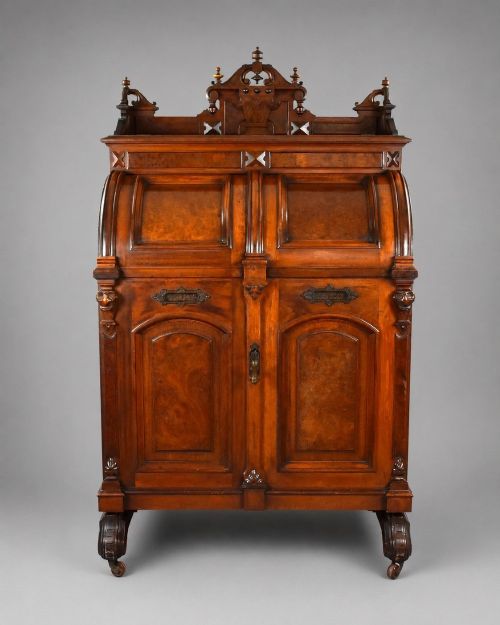
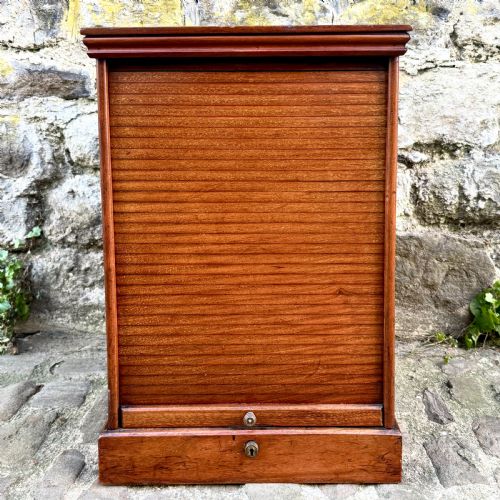
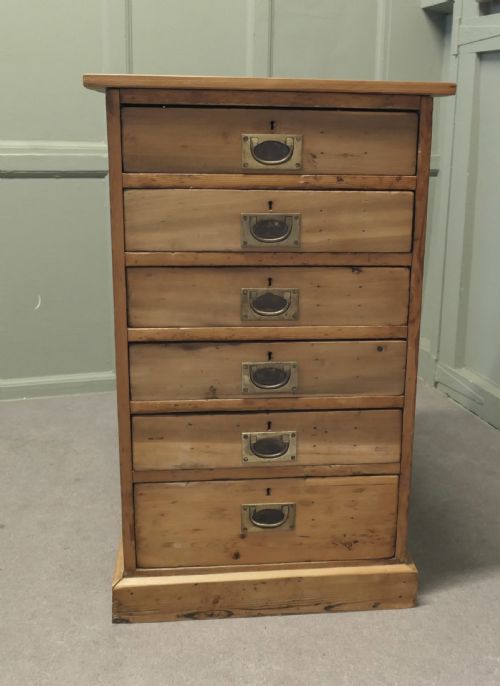
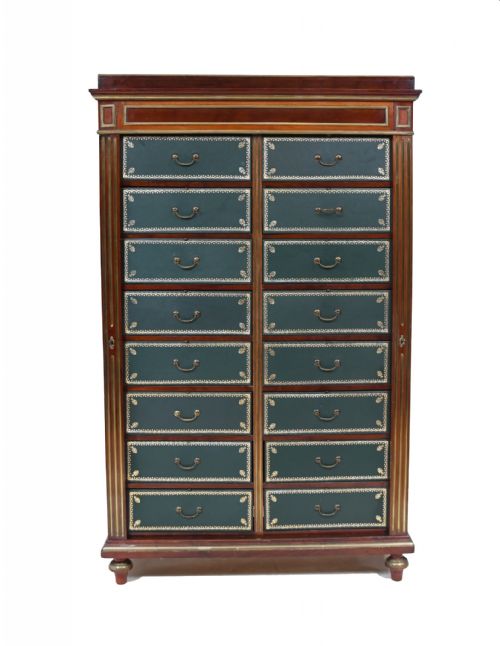
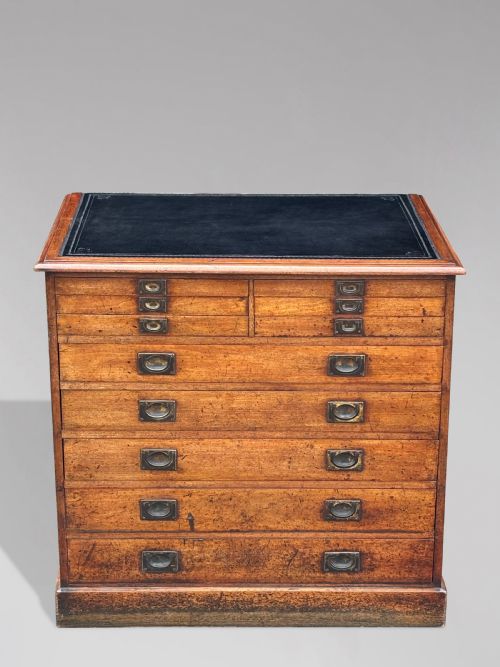
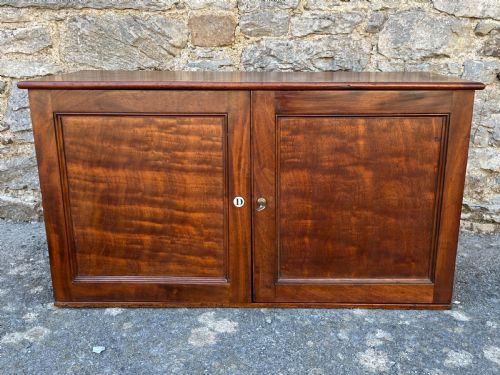


19th Century Office Cabinet
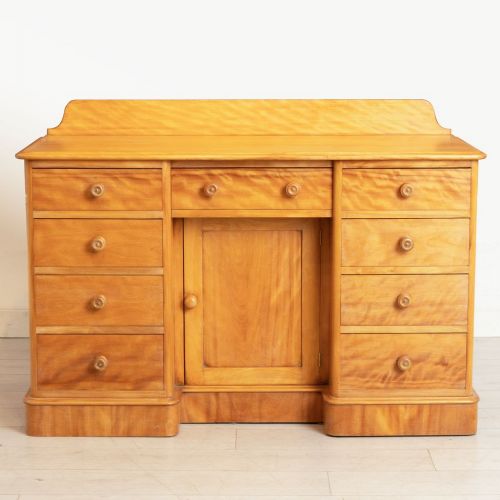
These 19th century office cabinet pieces organise papers and correspondence with solid utility, offering robust storage for a working room.
19th Century Office Cabinet
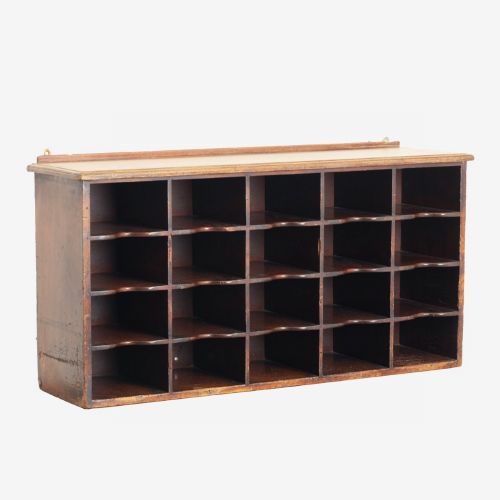
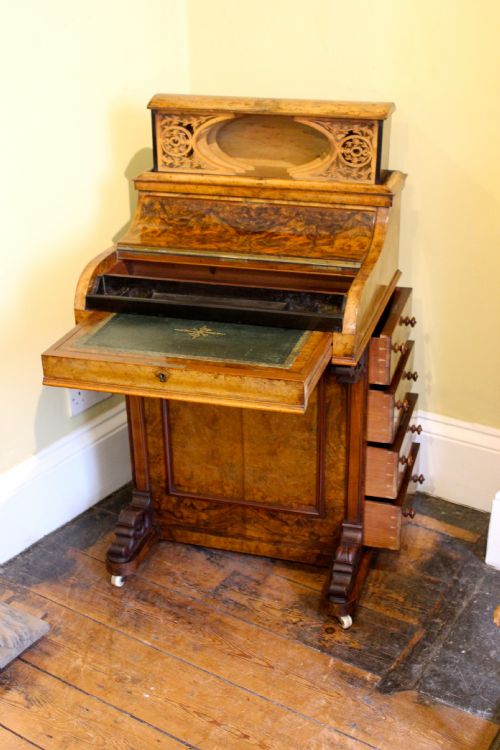
A 19th century office cabinet encompasses a diverse range of practical workspace furniture, from tall filing chests to compact Davenport desks and desktop pigeon holes. Buyers searching this phrase meet everything from campaign pieces designed for travel to substantial French cartonnier cabinets and bankers' drawers.
The materials span native timbers like mahogany, walnut, and pine alongside exotic veneers such as rosewood and kingwood, often detailed with brass hardware and leather inserts. Styles stretch across the Victorian era, Regency, William IV, and French periods, reflecting domestic and institutional administrative needs.
Materials and Construction
Cabinetmakers constructed these pieces primarily from solid hardwoods like mahogany, walnut, and oak, frequently applying flame mahogany or burr walnut veneers to primary surfaces. Pine served as a reliable secondary timber for drawer linings and internal dividers.
Metal fittings such as brass handles, campaign mounts, and ormolu decoration provided structural reinforcement and functional longevity. Leather inserts appeared on writing surfaces, while patented locking mechanisms and letter files introduced specialised office utility.
Some cabinets hide entire filing systems behind innocent-looking domestic cupboard doors.
Evaluating Execution
Quality rests on the selection of timber figures, such as symmetrical flame mahogany or burr walnut veneers, paired with precise joinery in the drawer construction. Finer examples display crisply cast brass mounts, original leather work, and sophisticated internal mechanisms like patented letter files.
The integrity of secondary woods, the retention of original hardware, and the subtlety of decorative inlay distinguish standard utility furniture from pieces produced by prominent workshops.
Gillows·Edwards & Roberts·Maple & Co·Amberg
The 19th Century Office Cabinet Glossary
- Cartonnier
- A cabinet specifically designed with multiple horizontal compartments or drawers to hold loose papers, documents, and carton boxes. These pieces often feature leather-labeled tiers and French ormolu mounts.
- Campaign
- Furniture built in sections with recessed brass handles and corner brackets for transport by military officers. These items dismantle easily while maintaining structural rigidity.
- Davenport
- A compact desk featuring a sloped, leather-inset writing surface above a pedestal of drawers. The side often incorporates a pen drawer or stationery compartment.
- Wooton desk
- A patented Victorian secretary desk featuring compartmentalised double doors that swing open to reveal numerous pigeon holes and small drawers. This design offered a complete portable office system within a single cabinet.
- Secretaire
- A desk or cabinet incorporating a pull-down writing flap that conceals a fitted interior of small drawers and pigeon holes. This form conceals workspace utility behind panelled doors.
19th Century Office Cabinet: Frequently Asked Questions
What is a cartonnier cabinet?
A cartonnier is a specialised piece designed for sorting papers into distinct tiers of open compartments or drop-front drawers. They originated in France and often include decorative ormolu mounts and leather details.
These cabinets served administrative and scholarly roles in private libraries and studies, keeping loose documents accessible yet organised.
What is a Wooton desk?
A Wooton desk is a complex Victorian cabinet containing hinged doors that open to expose an intricate grid of pigeon holes, letter racks, and small drawers. It functioned as an entire bureaucratic workstation enclosed in a single case.
These desks represent high-tier manufacturing with specialised internal architecture designed for intensive correspondence management.
How do I care for leather surfaces?
Leather writing inserts require gentle cleaning with a damp cloth and occasional application of appropriate conservation balm to prevent drying and cracking. Avoid abrasive cleaners or excess moisture.
Keeping these surfaces conditioned preserves the original texture and colour integrity across daily use.