



Antique Locking Cupboard
These antique locking cupboard pieces offer secure storage and period craftsmanship, combining traditional security with the rich patination of mahogany, oak, and pine.
Antique Locking Cupboard
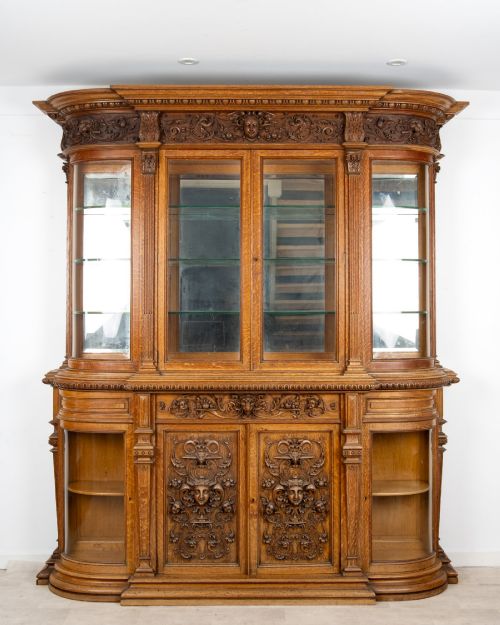
An antique locking cupboard encompasses secure storage furniture ranging from primitive country pieces to refined Victorian and Edwardian cabinets, designed to protect contents behind fastened doors. When buyers search for an antique locking cupboard, they encounter diverse forms including sideboards, Wellington chests, filing cabinets, and wall hanging display units.
The pieces available span multiple eras, most notably the 18th century, Georgian, Victorian, and Edwardian periods, alongside traditional Chinese Qing Dynasty elm sideboards. Buyers are most likely to meet mahogany and pine examples on this page, often equipped with original keys, brass fittings, and working iron locks.
How they were made
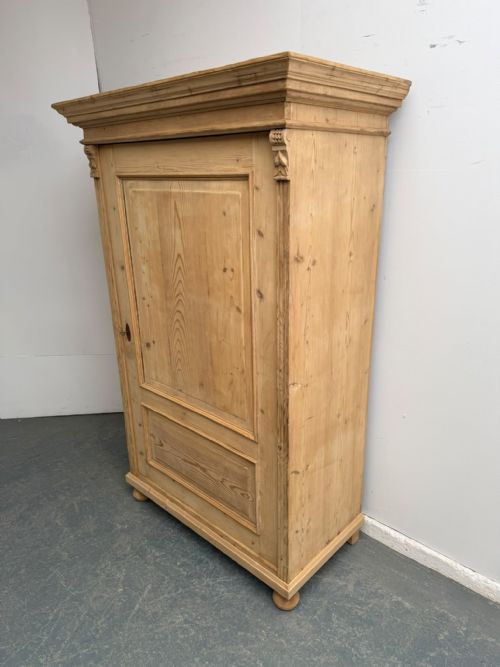
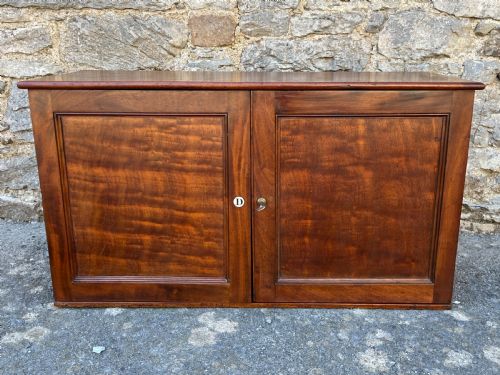
Cabinetmakers constructed these pieces using dense hardwoods and domestic timbers like mahogany, oak, elm, and pine, frequently utilising fielded panels and walnut inlays for visual depth. Structural integrity relied on traditional joinery paired with functional metalwork, including wrought iron hinges and brass hardware.
Antique Locking Cupboard Retail Price Guide 2026
Typical asking prices for locking cupboard among the pieces listed under this phrase on Sellingantiques today, from the lower quarter to the upper quarter. They describe what is for sale here now, not the wider market.
Listings incorporate items spanning the Georgian, Victorian, Edwardian, and Qing Dynasty periods, utilising mahogany, oak, elm, pine, and walnut.
What varies in quality
Quality in these pieces is dictated by the integrity of the timber, the sophistication of the joinery, and the originality of the hardware, distinguishing utilitarian storage from fine cabinetmaking. Pieces featuring intact period locks with working keys and uncompromised structural timber command greater appreciation from collectors.
The refinement of the exterior finish, whether through polished mahogany veneers, walnut inlay work, or untouched primitive patination on pine and oak, marks the difference between standard workshop production and superior design.
Holland & Sons·Collinson & Lock London
The Antique Locking Cupboard Glossary
- Wellington chest
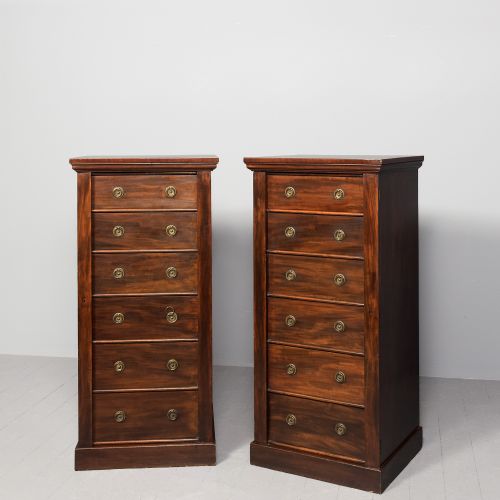
- A tall, slender chest of drawers featuring a hinged locking stile on one side that secures all the drawers when locked in place. This form originated in the 19th century.
- Fielded panel
- A wooden panel with its central portion raised above the surrounding margins, commonly used on cabinet doors to allow for timber movement.
- Wrought iron
- Iron beaten into shape by a blacksmith, frequently utilised for robust period hinges and hardware on earlier primitive pieces.
- Collector's cabinet
- A specialised small-scale cabinet fitted with multiple shallow drawers designed for storing specimens, coins, or small valuables under lock and key.
- Glazed corner cabinet
- A fitted wall-hanging unit featuring glass panes in the door, allowing visibility of contents while maintaining a secure lock.
Antique Locking Cupboard: Frequently Asked Questions
What is an antique locking cupboard?
An antique locking cupboard is a piece of historic furniture designed with a functional door and lock mechanism to secure its contents. These range from primitive oak storage pieces to refined Edwardian collector cabinets.
Buyers encounter various forms including sideboards, wall-hanging drinks cabinets, and filing furniture, spanning several centuries of cabinetmaking tradition.
How do I date an antique locking cupboard?
Dating relies on examining the timber species, construction methods, hardware styles, and overall design characteristics. Pieces from the 18th century often display primitive oak construction and blacksmith-made ironwork.
Later Victorian and Edwardian examples frequently utilise mahogany or walnut veneers, machine-sawn elements, and refined brass locks that correspond to their respective period aesthetics.
Are original keys common on these cabinets?
Original keys appear on several pieces, particularly specialised storage items like collector cabinets and corner display units. Many period locks remain functional with their original key.
When a key is present, it adds significant utility and historical completeness to the locking mechanism.
What woods were used for locking cupboards?
Cabinetmakers utilised a variety of timbers depending on the period and regional origin of the piece. Mahogany, oak, elm, pine, and walnut are frequently recorded across the different styles.
Hardwoods like mahogany and walnut dominate the refined Victorian and Edwardian items, while pine and oak appear in country and earlier primitive furniture.
How were Wellington chests designed to lock?
Wellington chests utilise a vertical locking stile hinged on one side of the drawer stack. When closed and secured with a key, this wooden bar blocks the drawers from opening.
This clever mechanism provided secure storage for documents and valuables within a compact vertical footprint.