

19th Century Oak Server
A 19th century oak server provides sturdy dining room storage and surface space, bringing honest grain and traditional craftsmanship into a modern home.
19th Century Oak Server
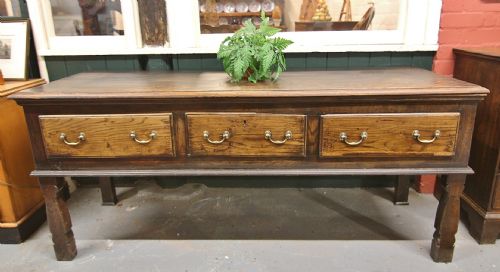
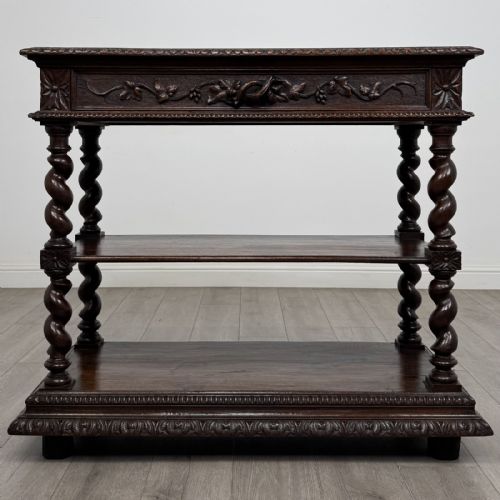
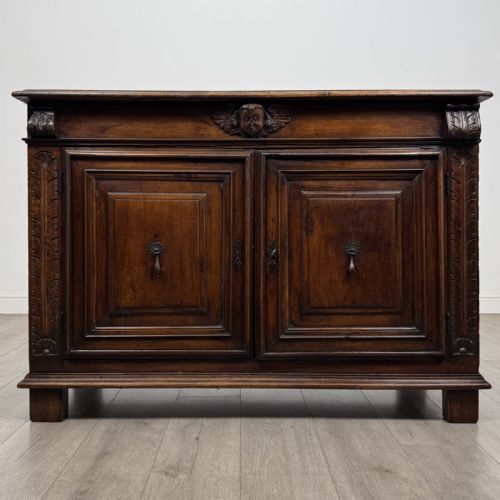
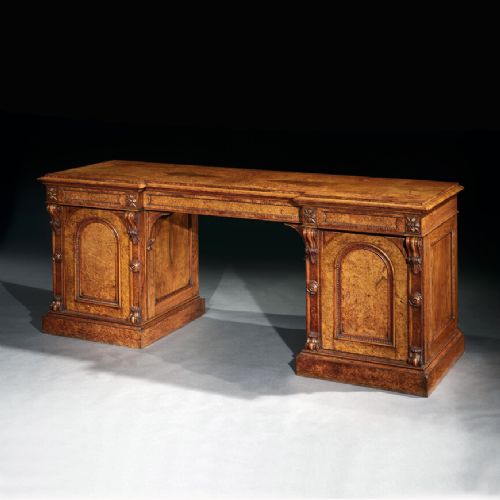
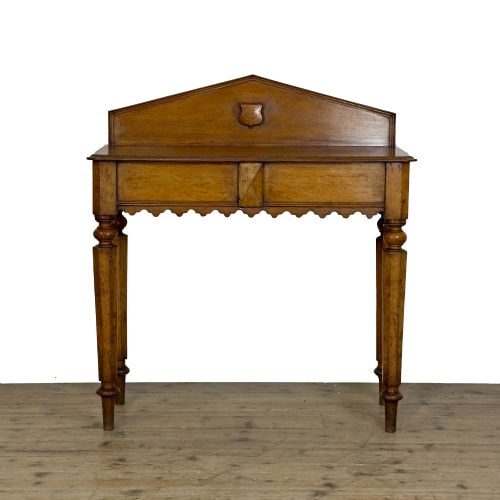
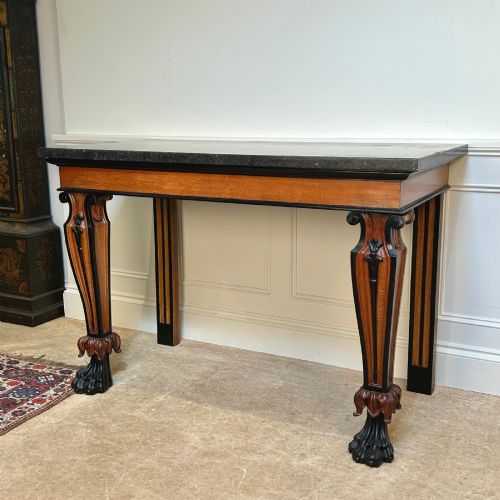
A 19th century oak server spans several functional forms including dresser bases, serving tables, sideboards, and console tables designed for domestic food preparation and dining service. The selection draws on Georgian, Victorian, and Regency periods, alongside regional English, French Provincial, and Gothic Revival styles.
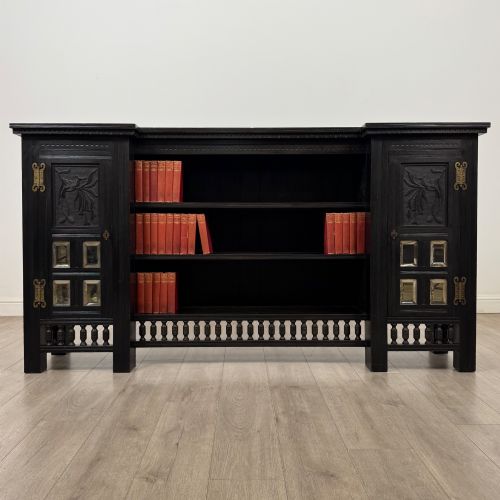
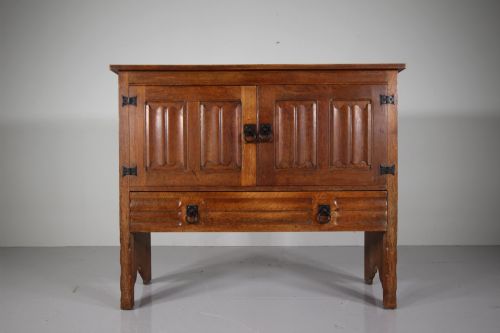
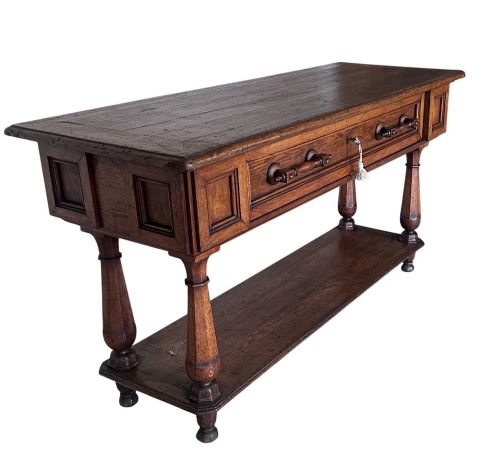
Most examples you encounter date from the middle to late decades of the nineteenth century and show solid timber construction. Pieces range from simple country house furniture with pot boards and drawers to heavily carved Victorian sideboards and French buffets.
How They Were Made
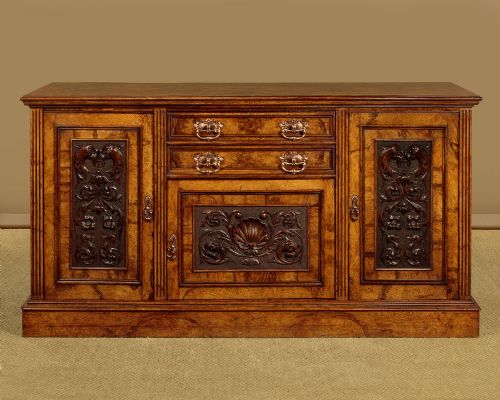
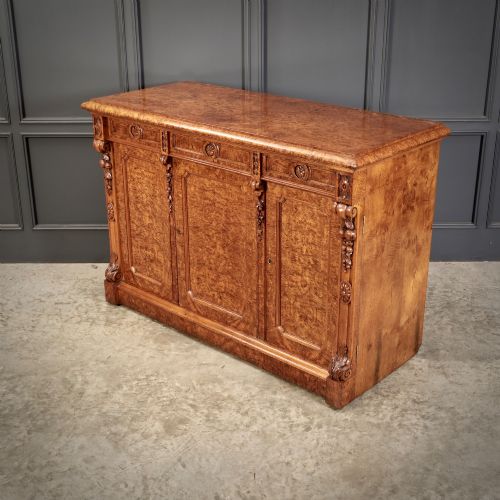
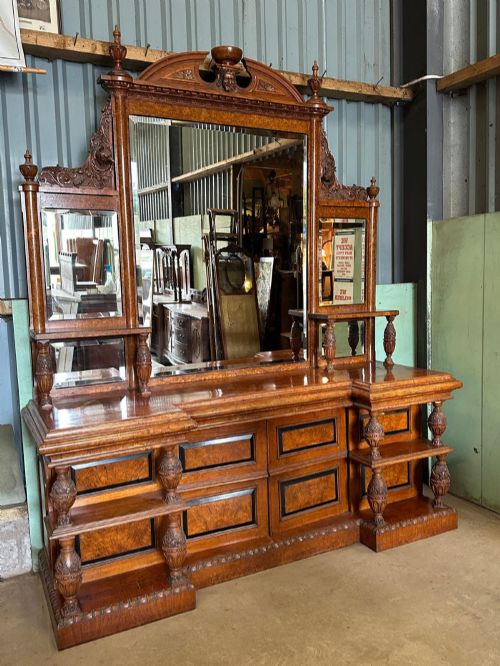
Cabinetmakers built these servers primarily from solid oak, sometimes utilising pollard oak, fruitwood, and burr elm for contrasting panels and decorative surfaces. Iron and brass fittings provide structural support and operational hardware for doors and drawers.
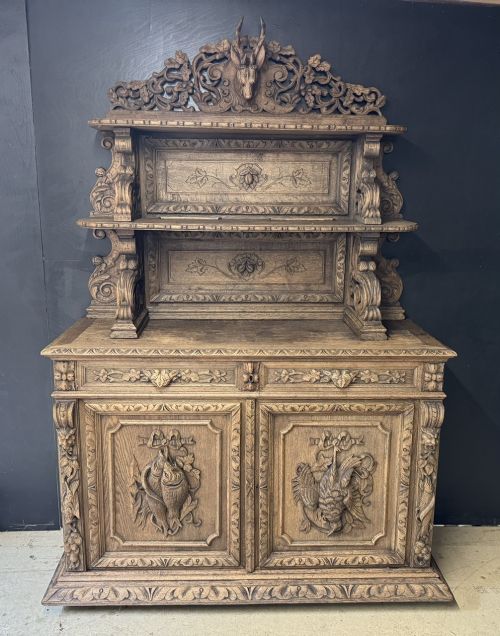
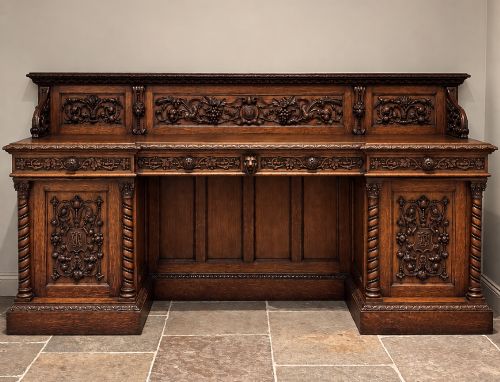
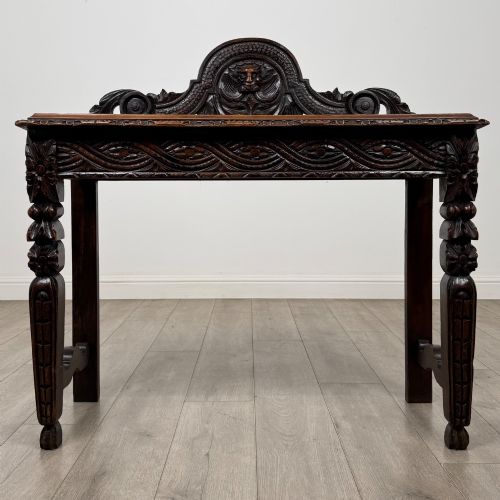
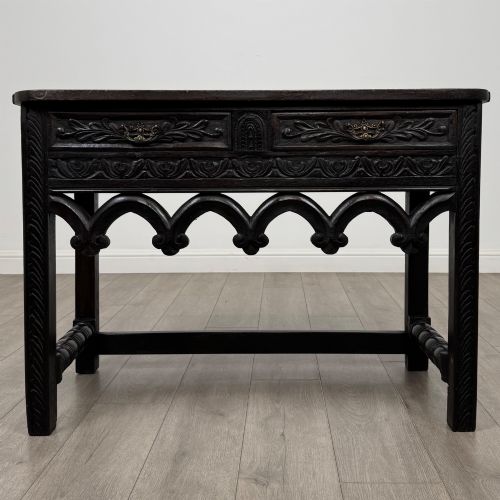
Makers shaped the timber using traditional hand-carving techniques, evident in the relief work, mouldings, and decorative motifs like the Green Man found across regional workshops. Surface treatments range from natural waxed finishes to bleached oak and painted details.
19th Century Oak Server Retail Price Guide 2026
Typical asking prices for 19th century oak server among the pieces listed under this phrase on Sellingantiques today, from the lower quarter to the upper quarter. They describe what is for sale here now, not the wider market.
Keep an eye out for the occasional Green Man peering through the oak foliage on your server.
What Varies in Quality
Quality rests upon the selection of timber and the ambition of the original design, moving from utilitarian country pieces to elaborately carved urban commissions. The depth and crispness of hand-carving distinguish standard workshop output from exceptional cabinet work.
Proportion and structural integrity define the better examples, where original drawers, pot boards, and hardware remain intact. Regional variations in timber preparation and joinery technique also separate simple vernacular items from sophisticated revival pieces.
The 19th Century Oak Server Glossary
- Dresser base
- A low cabinet featuring drawers and sometimes an open pot board beneath, used historically for storing tableware.
- Pot board
- An open lower shelf fitted beneath a dresser base or serving table, traditionally used to store pots and pans.
- Pollard oak
- Timber taken from trees that have been pollarded, producing a dense, highly figured grain pattern prized for decorative veneers.
- Green Man
- A sculptural architectural ornament depicting a human face entwined with foliage, popular in nineteenth-century carving.
- Gothic Revival
- An architectural and decorative style drawing on medieval ecclesiastical forms, characterised by pointed arches and heavy relief carving.
19th Century Oak Server: Frequently Asked Questions
What is a 19th century oak server used for?
These pieces serve as practical side tables, dining room storage units, and serving surfaces for food and drink during meals.
In contemporary interiors, they function as hallway consoles, media stands, or kitchen storage cupboards that hold tableware and linens.
How do I care for antique oak furniture?
Keep the timber away from direct heat sources and strong sunlight to prevent the wood from drying out and splitting over time.
Apply a traditional beeswax polish occasionally to nourish the grain and maintain a protective sheen on the surface.
How can I tell a Georgian server from a Victorian one?
Georgian pieces tend to feature cleaner architectural lines, simpler mouldings, and restrained proportions rooted in classical design.
Victorian examples frequently display heavier proportions, darker finishes, and dense hand-carved ornamentation such as foliage or Green Man motifs.
What is the difference between a server and a sideboard?
A server generally describes a lighter, more open form such as a serving table or dresser base with accessible lower storage.
Sideboards often incorporate more enclosed cabinet space and taller superstructure backs designed specifically for formal dining room service.