


19th Century Oak Credenza
A 19th century oak credenza brings substantial timber storage into a room, offering heavy carving and enduring utility.

19th Century Oak Credenza
A 19th century oak credenza search encompasses heavy storage furniture built primarily during the Victorian era and earlier decades. Buyers examine large sideboards, dresser bases, cupboards, and buffet cabinets that served practical dining and hallway functions.
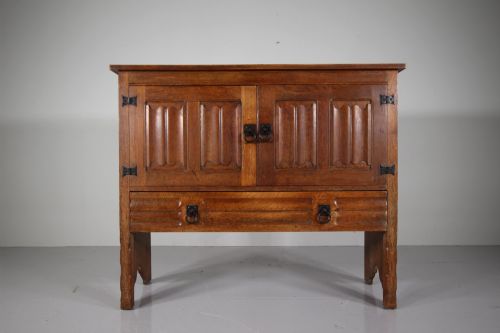
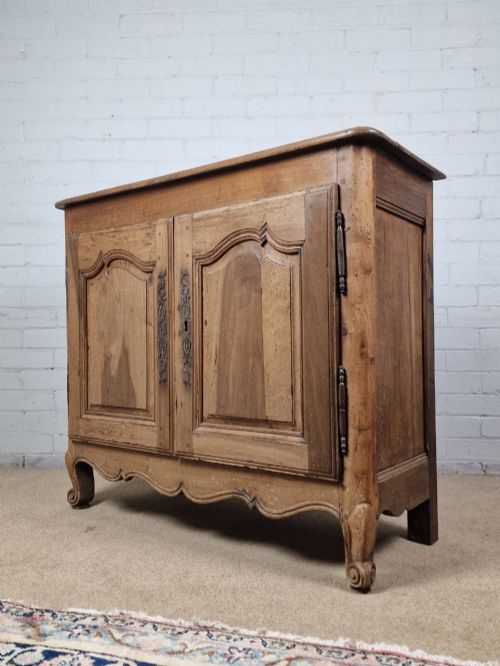
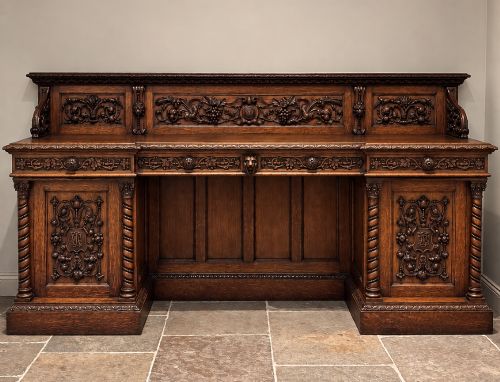
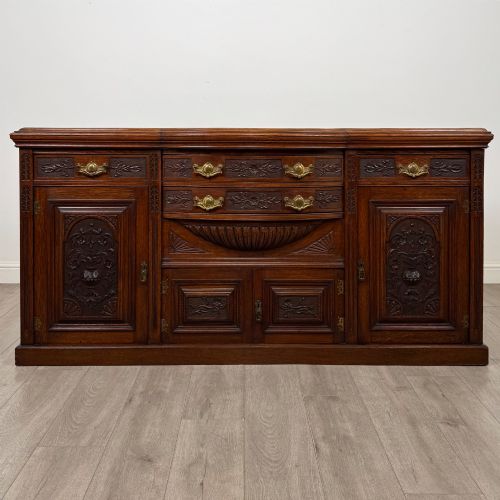
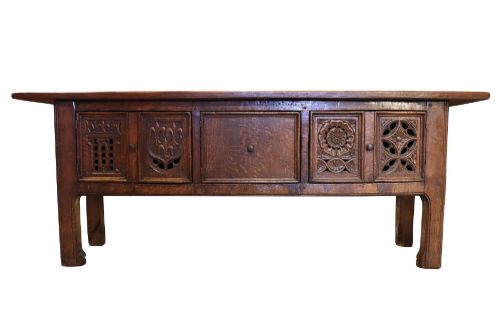
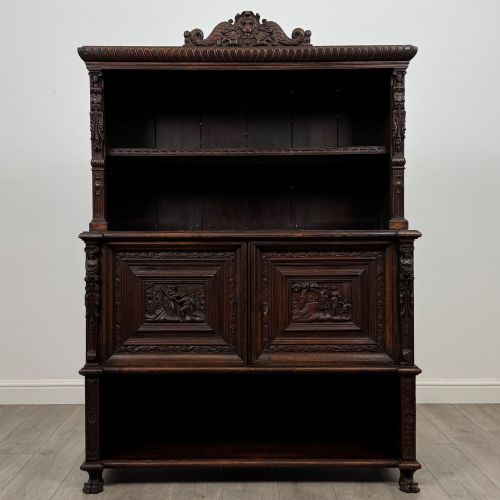
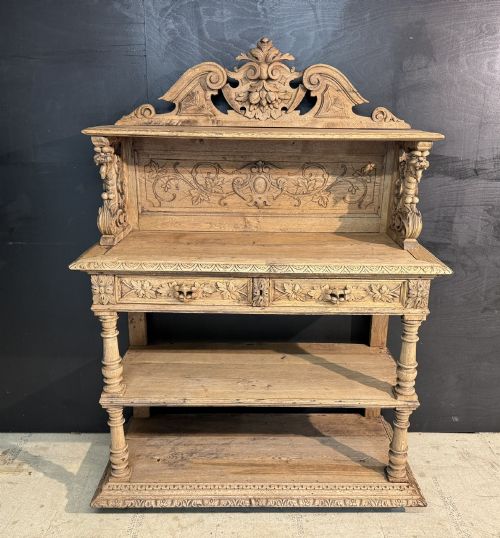
Most examples found on this page display carved oak surfaces, often incorporating styles such as Gothic Revival, Renaissance Revival, and French Provincial. Formats range from narrow proportions to grand mirrored sideboards and cabinets on stands.
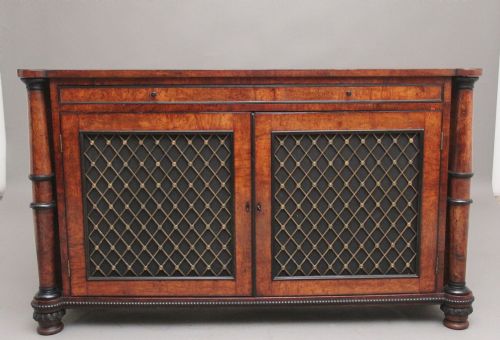
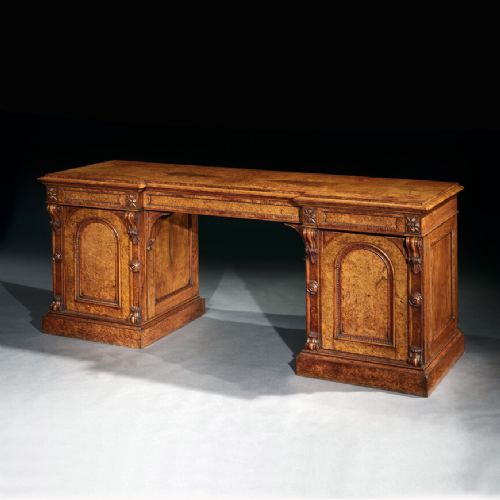
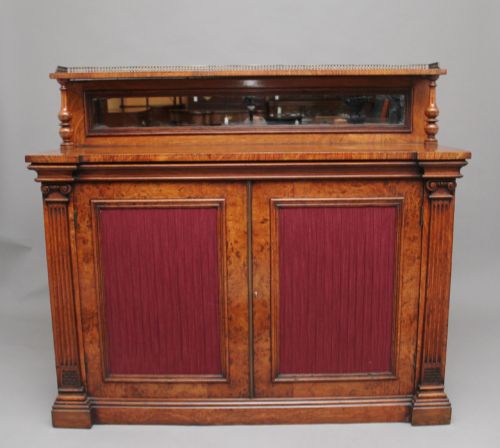
Makers utilised solid timbers alongside specialised cuts like pollard oak and burr elm, sometimes complemented by fruitwood, ebony, brass, and glass details. Pieces connect directly to nineteenth-century domestic interiors across English and French workshops.
Materials and construction
Makers constructed these storage pieces predominantly from solid oak, utilising its dense grain for heavy structural support and elaborate relief carving. Artisans integrated specialised decorative veneers like pollard oak and burr elm to create rich, mottled surface patterns on cabinet doors and drawer fronts.
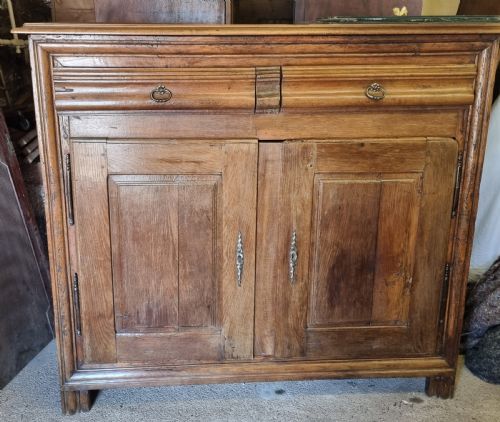
Secondary timbers such as fruitwood and ash appear alongside contrasting details in ebony and brass hardware. Joinery methods combined traditional frame-and-panel construction with heavy iron fixings to support grand mirrored superstructures and sturdy sideboard bases.
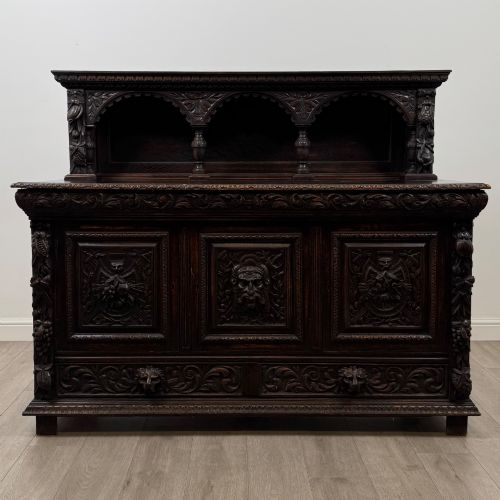
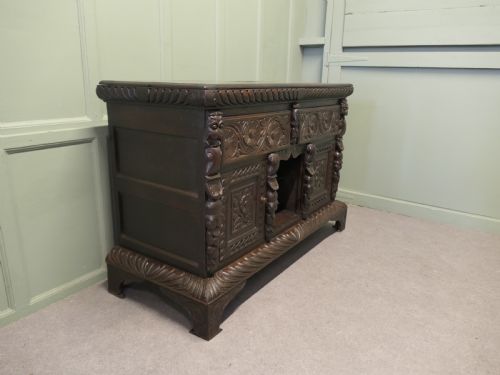
A fierce Green Man peers from an early nineteenth-century dresser base, guarding the dining linen.
Distinctions in quality
Quality rests upon the depth and crispness of the carved ornamentation, distinguishing deeply relief-carved Green Man motifs and Gothic tracery from routine production. The selection of timber grain, particularly figured pollard oak or burr elm veneers, elevates the visual presence of a cabinet.
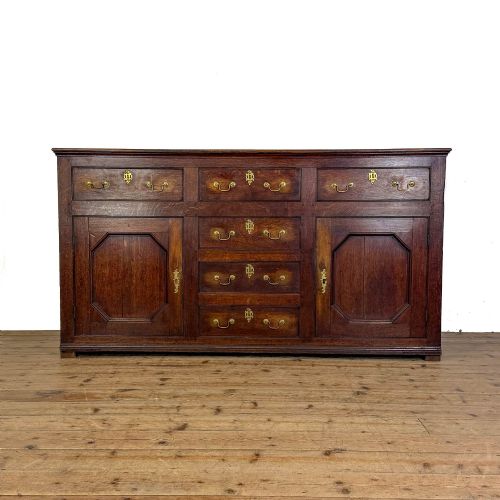
Structural integrity and proportion separate superior examples, noting whether narrow proportions or grand mirrored sideboards maintain harmonious lines and original hardware such as brass handles and working locks.
The 19th Century Oak Credenza Glossary
- Credenza
- A side cabinet or sideboard used historically for storing and serving food or displaying plate. In nineteenth-century contexts, the term overlaps with large cupboards and buffet bases.
- Pollard Oak
- Timber taken from a tree that has been pollarded, producing tightly clustered knots and a highly decorative grain pattern. Cabinet makers prized this figured wood for door panels.
- Gothic Revival
- An architectural and decorative style drawing on medieval ecclesiastical forms. Pieces display pointed arches, tracery, and heavy carved mouldings.
- Dresser Base
- A low freestanding sideboard featuring drawers and cupboards beneath a flat top. These items formed the foundational storage unit in domestic dining rooms.
- Renaissance Revival
- A nineteenth-century revival style incorporating classical motifs, heavy architectural pediments, and bold relief carving. Cabinets in this manner reflect sixteenth-century continental design.
19th Century Oak Credenza: Frequently Asked Questions
What is a 19th century oak credenza?
A nineteenth-century oak credenza is a heavy wooden storage cabinet designed for domestic interiors, functioning as a sideboard or buffet for dining rooms and halls.
These pieces typically feature substantial timber construction, panelled doors, and extensive carved ornamentation reflecting prevailing nineteenth-century design movements.
How were these cabinets used?
Households utilised these large wooden units for storing tableware, linens, and serving dishes in dining spaces and hallways. The flat top surface also provided a place to display decorative objects or serve food during gatherings.
Many incorporated cupboards and drawers to keep domestic items organised and secure within the main living areas of the home.
How do I style one at home?
Placing a large wooden sideboard in a dining room or spacious hallway anchors the room with substantial nineteenth-century timber texture. Pairing the dark oak surface with modern ceramics or simple lighting creates a balanced contrast.
Ensure adequate floor space before positioning these heavy items, as many models feature grand proportions and mirrored superstructures.
How do I identify Gothic Revival pieces?
Gothic Revival items display distinct medieval architectural elements such as pointed arches, quatrefoil panels, and heavy relief carvings. Cabinets built in this style often incorporate pointed mouldings and rigorous symmetrical proportions.
Makers working in the mid-to-late nineteenth century drew heavily on ecclesiastical woodwork traditions to create these imposing cupboards and sideboards.
What is pollard oak?
Pollard oak is timber harvested from trees that were cut back near the trunk to encourage dense branching, which creates a highly textured, knotty wood grain. Makers sliced this figured wood into decorative veneers for cabinet doors and drawer fronts.
Its mottled appearance adds dramatic visual movement to the surfaces of nineteenth-century sideboards and chiffoniers.