

19th Century Oak Cabinet
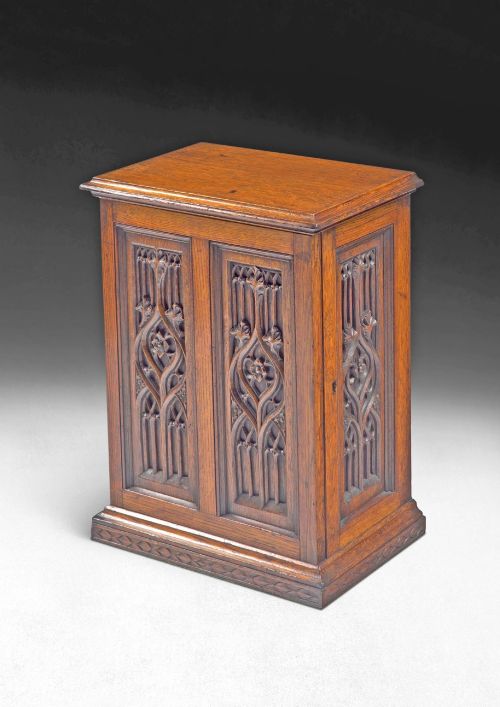
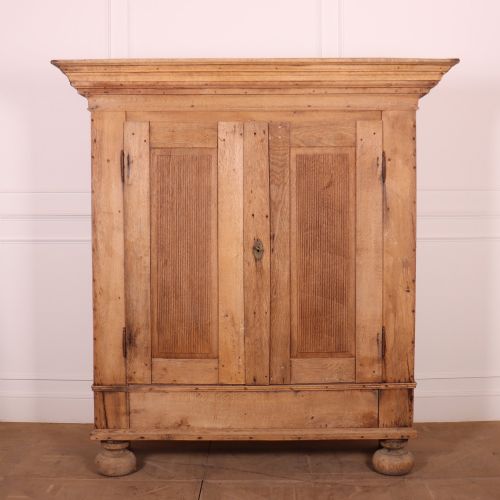
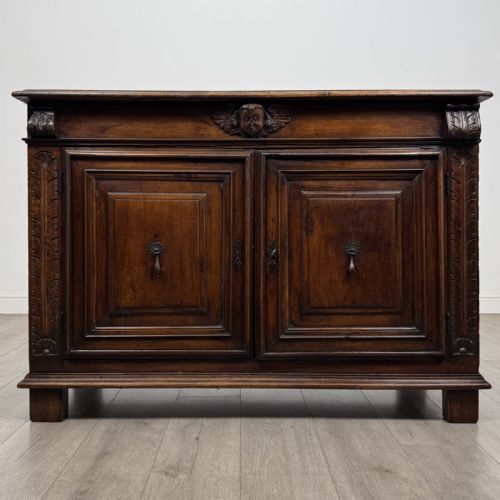
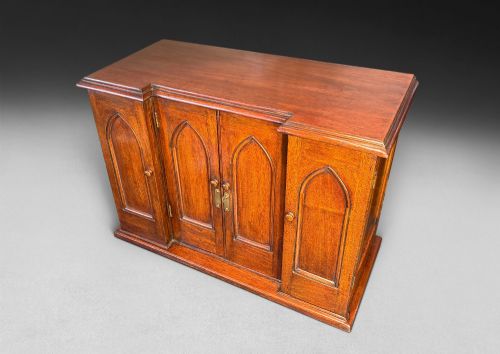
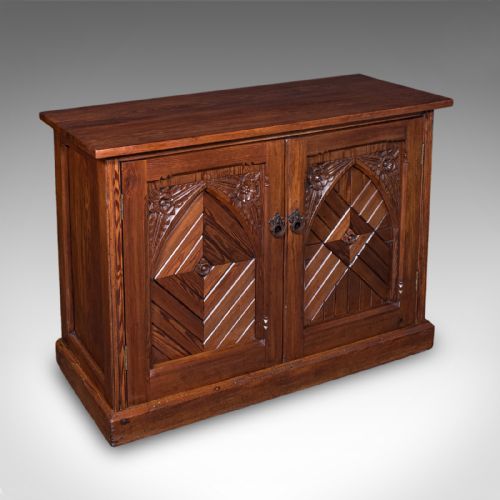
A 19th century oak cabinet brings solid timber utility and rich carved character into a room.
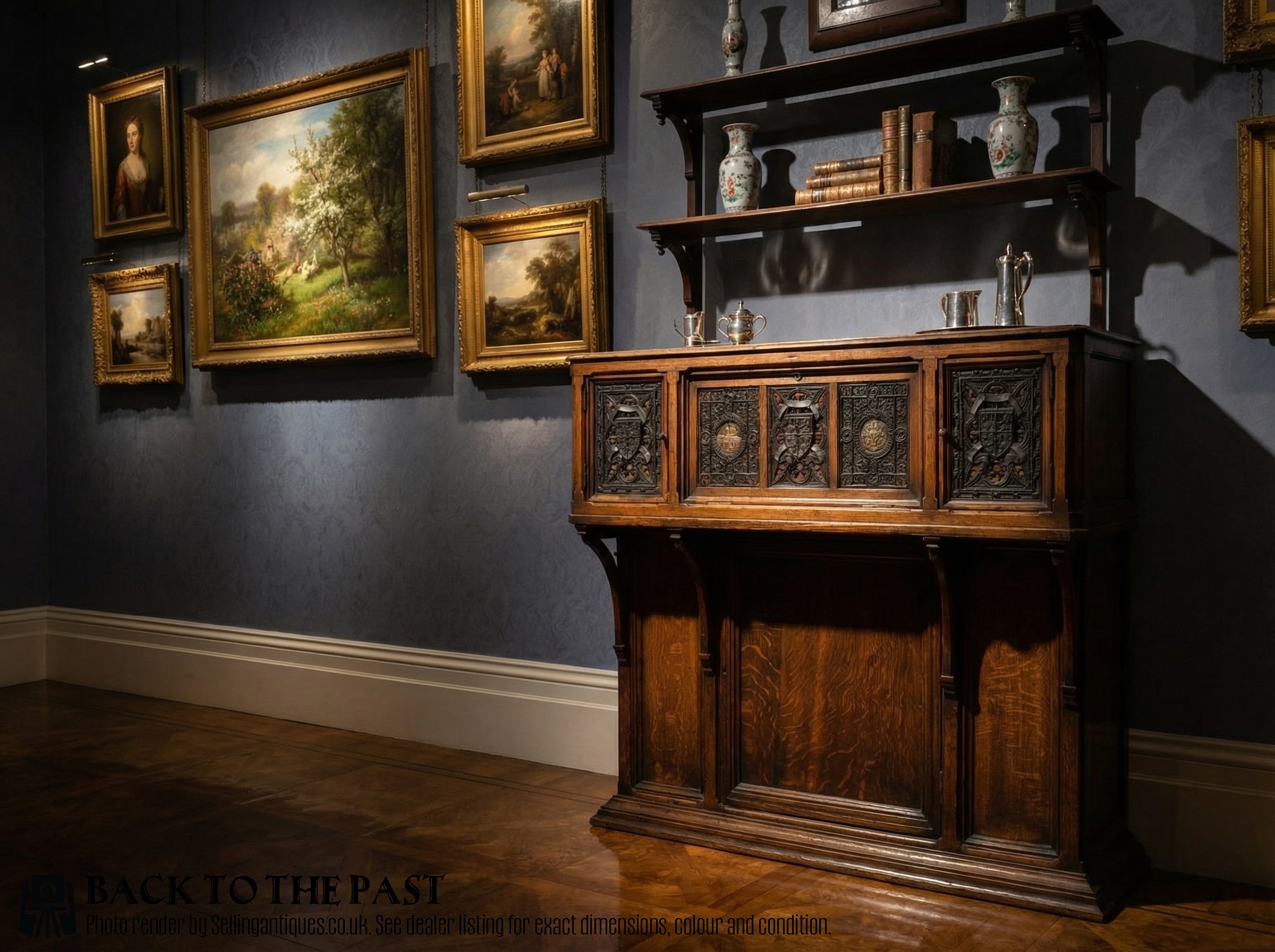
19th Century Oak Cabinet
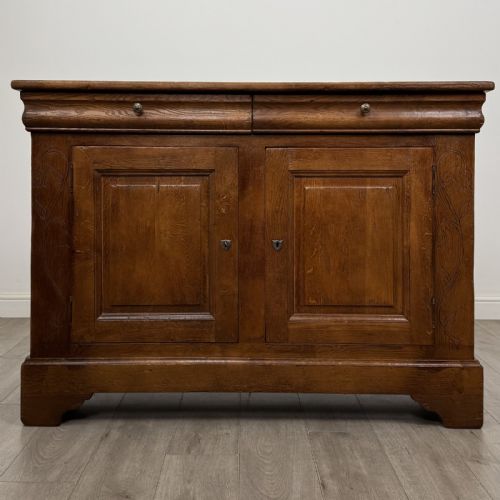
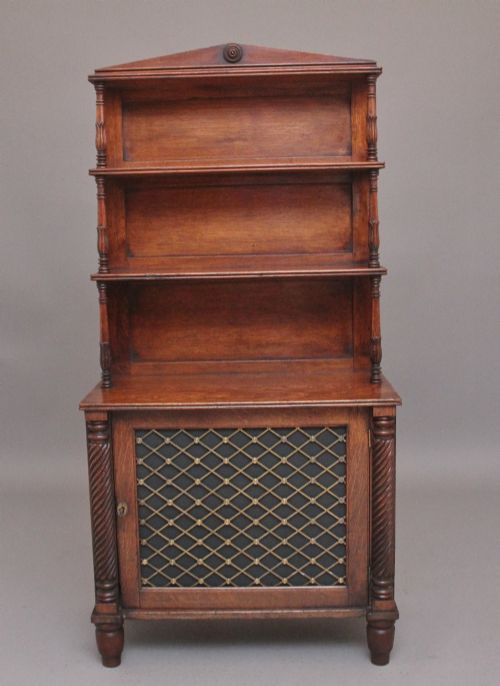
A 19th century oak cabinet encompasses a varied group of storage pieces created during the Georgian and Victorian eras. These items range from bedside cupboards and wall cabinets to large sideboards, dressers, and display units.
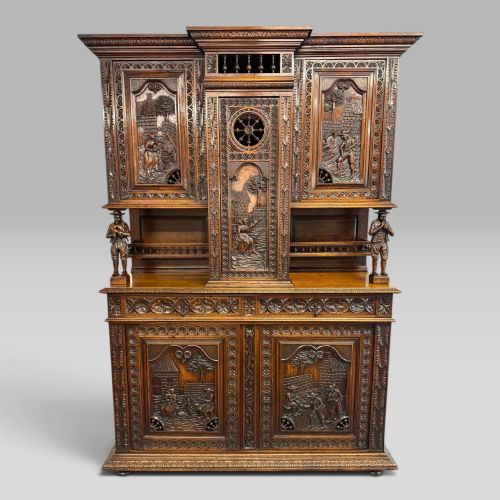
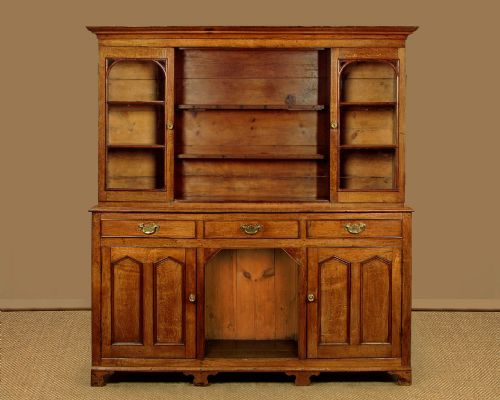
The selections on this page demonstrate distinct regional tastes, including French Provincial designs, Dutch bombé forms, and Welsh country pieces. Makers also drew upon Gothic, Renaissance, and Jacobean revivals for heavy ornamental carving.
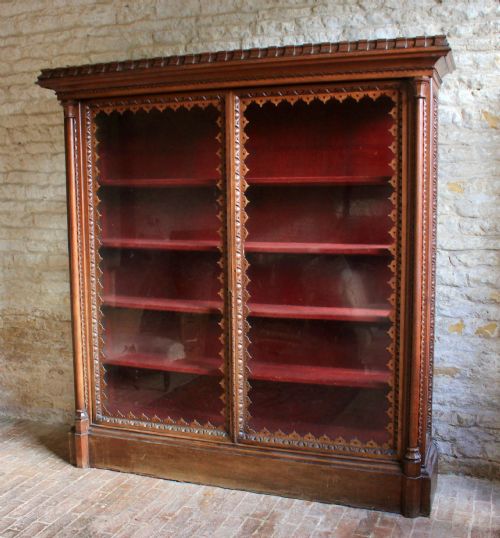
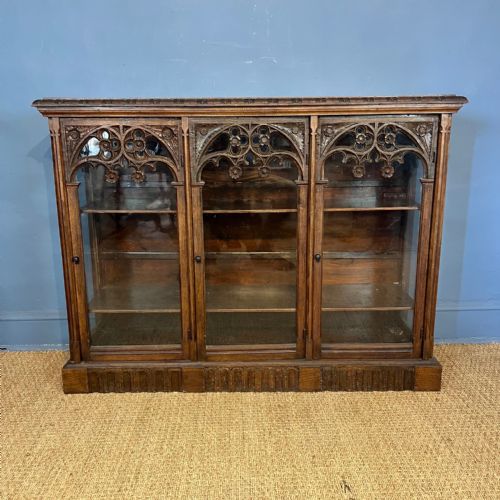
Buyers encounter both domestic furniture, such as food cupboards and writing bureaus, and grander architectural items like bookcase cabinets. Solid oak remains the primary structural timber across these diverse forms.
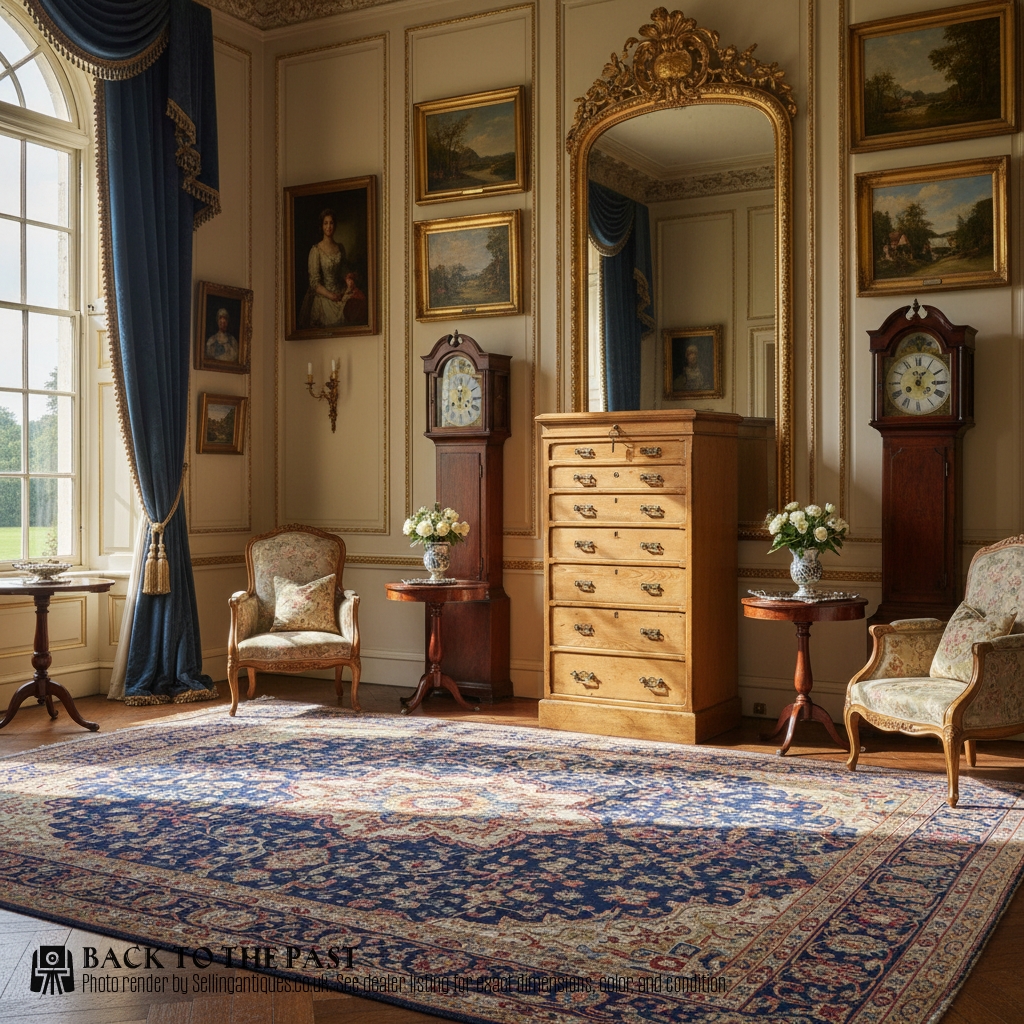
Materials and construction
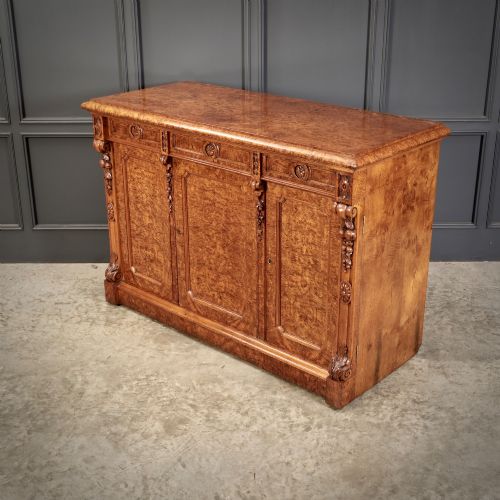
Cabinet makers utilised solid oak alongside decorative veneers like pollard oak and fruitwood to create durable storage furniture. Iron and brass hardware, including hinges, locks, and drop handles, functionalised the doors and drawers.
Glass panels appear in bookcases and display cabinets, while marble tops occasionally surface on specific sideboards. Construction relied on traditional joinery methods to house heavy timber panels and carved ornamentation.
19th Century Oak Cabinet Retail Price Guide 2026
Typical asking prices for 19th century oak cabinet among the pieces listed under this phrase on Sellingantiques today, from the lower quarter to the upper quarter. They describe what is for sale here now, not the wider market.
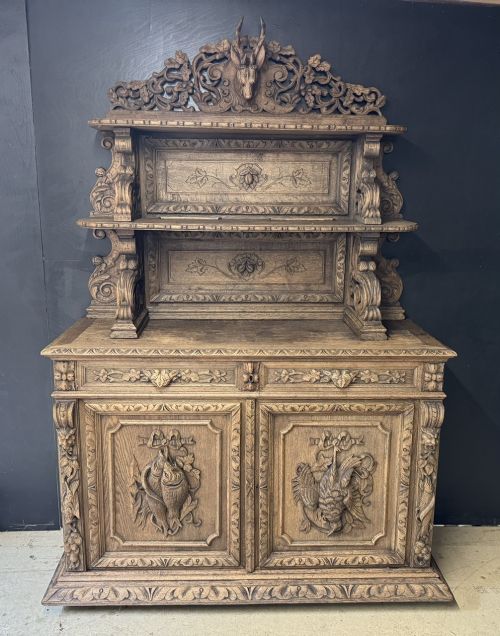
A nineteenth-century cabinet might conceal a Green Man grimacing behind your dining room crockery.
Standard and execution
Quality separates through the depth and crispness of the carved ornamentation, particularly on heavily embellished pieces showing Green Man motifs or Renaissance revival panels. Fine examples display well-figured grain, especially in sections utilising pollard oak.
Proportion and structural integrity dictate the standing of a piece, separating straightforward utilitarian items from ambitious architectural bookcases and display cabinets on chests.
William Bird MD FLS
The 19th Century Oak Cabinet Glossary
- Pollard oak
- Timber taken from trees that were pollarded, resulting in a dense, highly figured grain pattern often utilised for decorative cabinet panels.
- Bombé
- A swelling, outward-curving profile found on drawer fronts and sides, prominent in certain continental European furniture forms.
- Cwpwrdd Gwydr
- A traditional Welsh glazed cupboard used for displaying and storing household crockery and provisions.
- Green Man
- A sculptural architectural motif representing a human face entwined with leaves, vines, and foliage, common on Victorian revival carvings.
- Tantalus
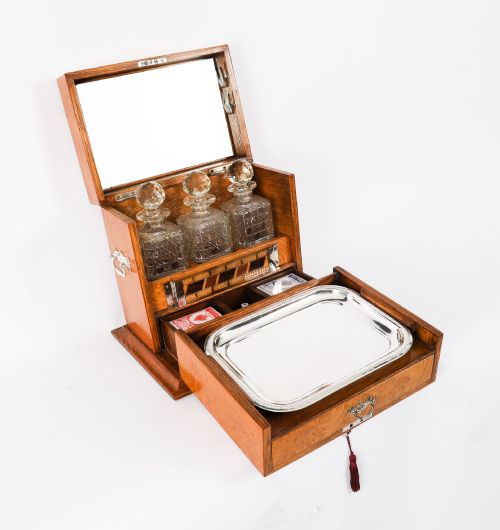
- A locking wooden frame holding decanters securely while displaying their contents, frequently incorporated into dry bar compendiums.
19th Century Oak Cabinet: Frequently Asked Questions
What is a 19th century oak cabinet used for?
These pieces served practical storage functions in homes, holding books, tableware, food, or clothing depending on their specific form.
Today, buyers utilise them in living spaces, dining rooms, and studies for contemporary storage while retaining period character.
How do I identify a Victorian oak cabinet?
Victorian examples often display heavy carved decoration, drawing on Gothic or Renaissance revival styles that emerged during the nineteenth century.
Makers working in this period frequently incorporated dark finishes, substantial mouldings, and robust brass or iron hardware.
What is pollard oak?
Pollard oak comes from trees that were cut back close to the trunk to encourage dense, bushy branch growth. This pruning creates a tightly swirled, highly decorative wood grain.
Cabinet makers used pollard oak veneers on statement surfaces to draw the eye to the figure of the timber.
Are French and English cabinets different?
French provincial models often display softer fruitwood combinations and regional styling such as hunting motifs or parquetry work. English pieces tend to rely on heavier structural oak with vernacular Welsh or Georgian influences.
Both traditions utilised local joinery techniques suited to the domestic demands of the era.