



19th Century Oak Box
When you handle a 19th century oak box, you meet a durable household container designed to store documents, textiles, and valuables.
19th Century Oak Box
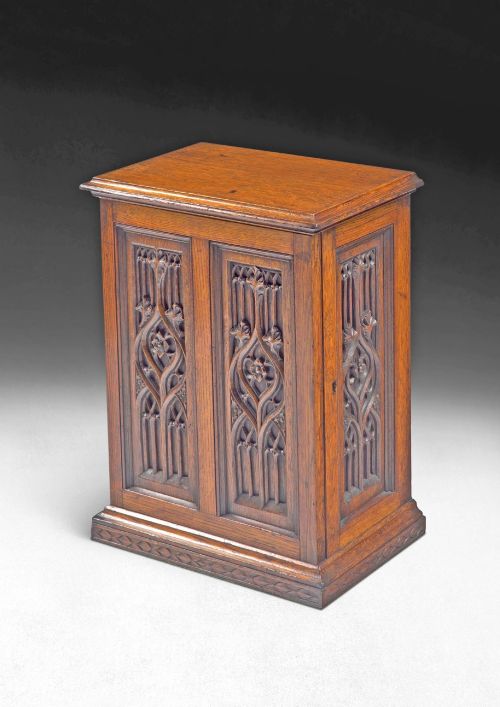
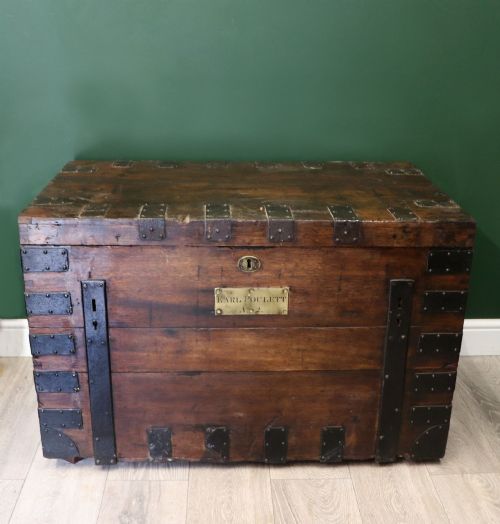
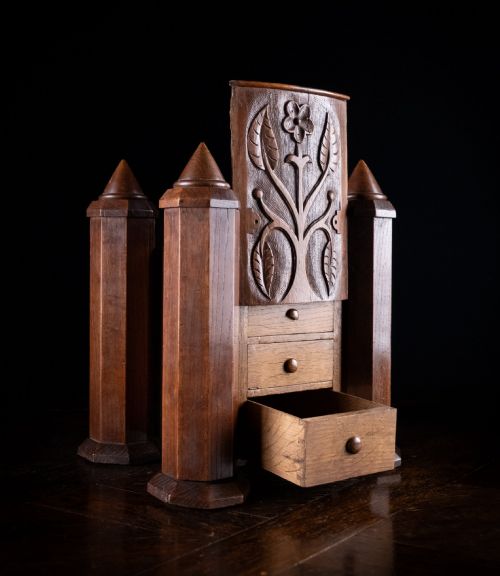
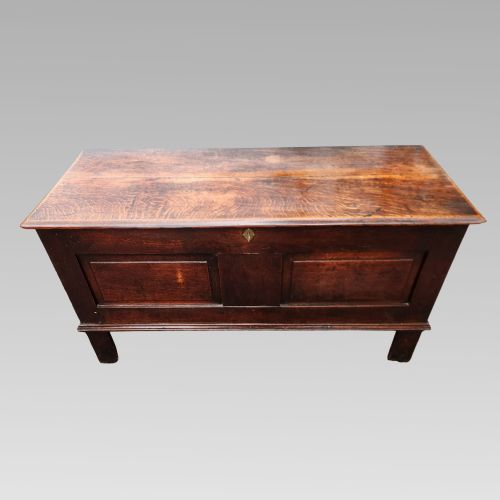
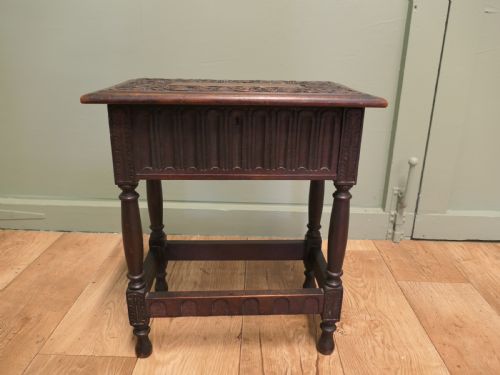
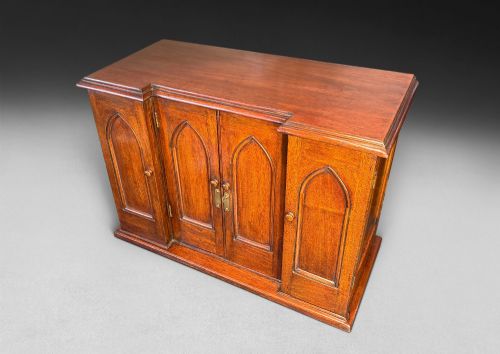
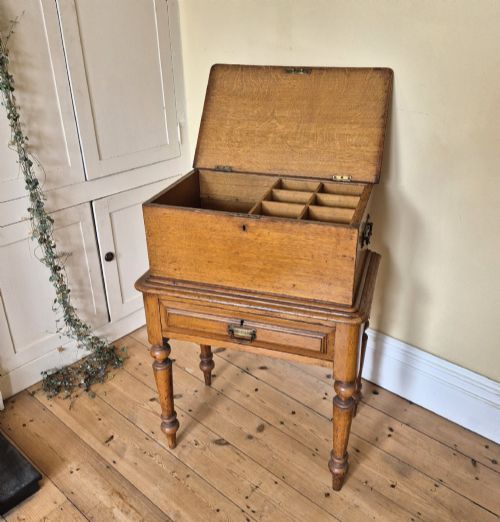
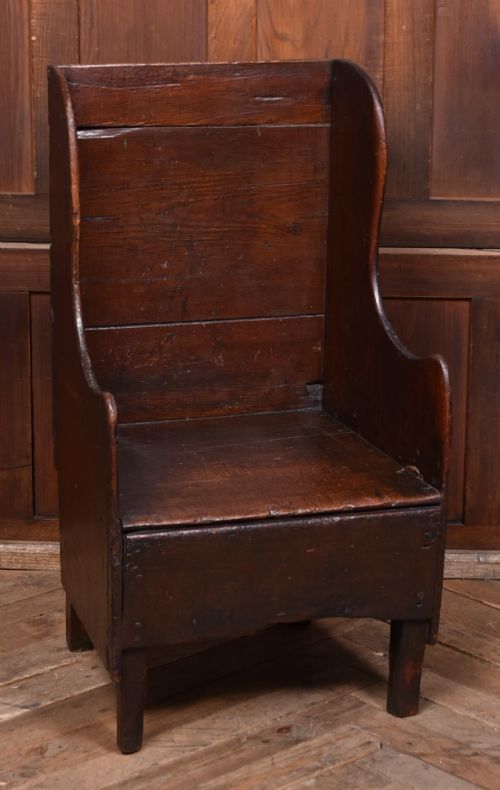
A 19th century oak box encompasses a wide range of utilitarian storage containers, from small tabletop stationery cabinets and Bible boxes to large blanket chests, coffers, and campaign writing slopes.
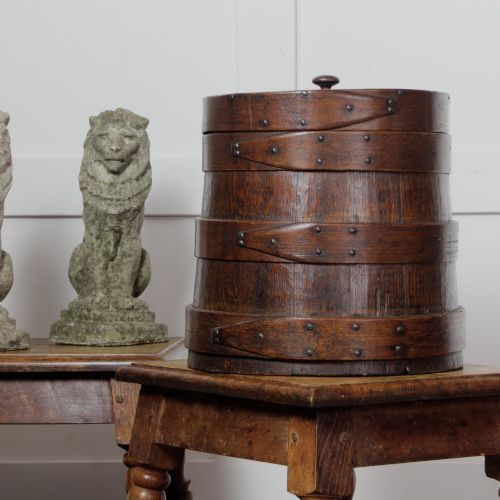
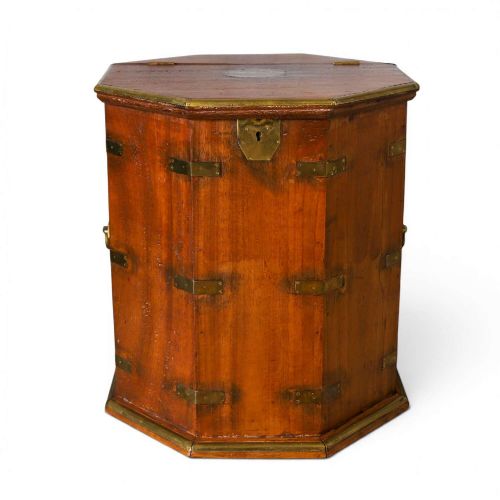
The material inventory shows sturdy native hardwoods combined with utilitarian iron hinges, brass corner brackets, and occasionally glass or leather fittings.
Most examples date across the Victorian and Georgian eras, reflecting robust rural craftsmanship, revivalist Gothic details, and practical domestic utility.
Materials and Construction
Makers constructed these pieces predominantly from solid oak, sometimes utilising figured variations such as pollard oak or burr oak for decorative lids and panels.
Structural reinforcement relied on iron banding, brass corners, and flush handles suited for travel, alongside traditional dovetail and panel joints that maintained stability over decades of heavy use.
19th Century Oak Box Retail Price Guide 2026
Typical asking prices for 19th century oak box among the pieces listed under this phrase on Sellingantiques today, from the lower quarter to the upper quarter. They describe what is for sale here now, not the wider market.
The inventory records practical domestic containers created from solid oak, supplemented by iron hinges, brass campaign mounts, and fitted writing interiors.
Design and Execution
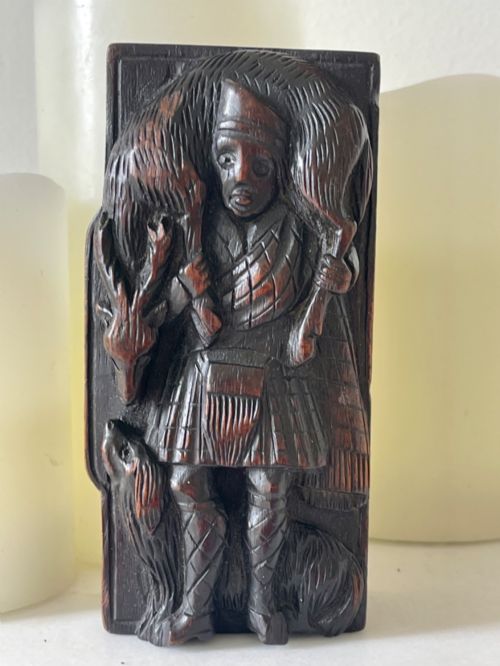
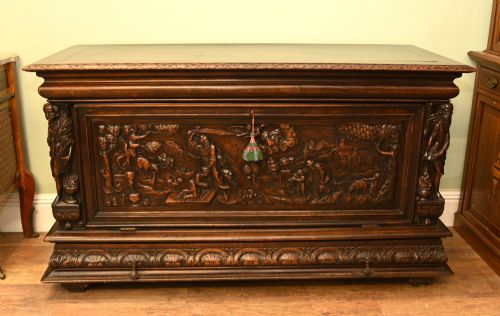
The tier of a piece depends heavily on the crispness of hand-carved panels, the complexity of internal fitted compartments, and the survival of original locks and keys.
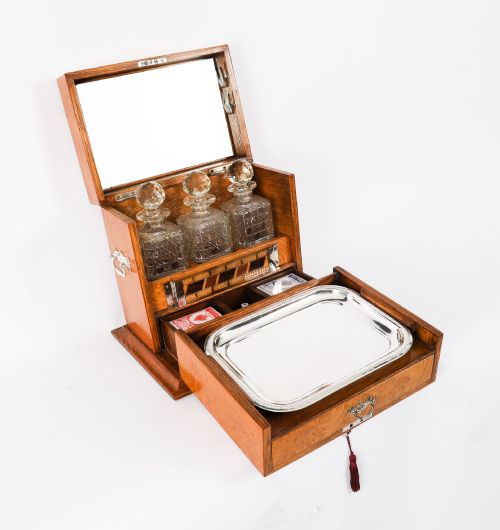
Simpler vernacular items display straightforward board construction, whereas high-status travel chests and writing slopes incorporate sophisticated brass mounts, secret drawers, and premium timber selections.
Tahan of Paris·Elkington·James Purdey & Sons
The 19th Century Oak Box Glossary
- Coffer
- A large heavy storage chest with a hinged lid, traditionally utilised for valuables or domestic linens. These pieces often feature panelled construction and primitive locking mechanisms.
- Campaign chest
- A portable storage box divided into sections with flush brass hardware designed for military transport. Such containers allowed officers to pack personal belongings securely on active service.
- Writing slope
- A portable slant-topped desk containing compartments for ink, pens, and paper. When opened, the sloping lid provides a firm surface for correspondence.
- Tantalus
- A locking beverage cabinet holding decanters visible through a wooden and metal framework. The mechanism prevents guests or servants from accessing the contents without a key.
19th Century Oak Box: Frequently Asked Questions
What were these boxes used for?
These containers served specific domestic and professional functions, holding everything from household stationery, tea, and candles to legal documents and silver.
Larger variants acted as blanket chests or travelling trunks, while specialised designs accommodated specific items like firearms or writing instruments.
How do I identify the period?
Dating relies on observing construction methods, timber selection, and decorative motifs such as Gothic tracery or Georgian panel layouts.
Hardware changes also offer clues, with hand-forged iron common in earlier decades giving way to machine-stamped brass and patent locks later in the Victorian era.
Are original keys common?
Original working keys remain scarce because locks were frequently changed, misplaced, or forced open over long periods of domestic use.
Many surviving pieces retain period replacement keys or retain their locks in an unkeyed state without diminishing their structural integrity.
How should I clean oak furniture?
Maintenance requires gentle dusting with a dry cloth and occasional application of traditional beeswax to nourish the timber.
Harsh chemical cleaners and excessive moisture must be avoided to protect the patina built up over centuries.