
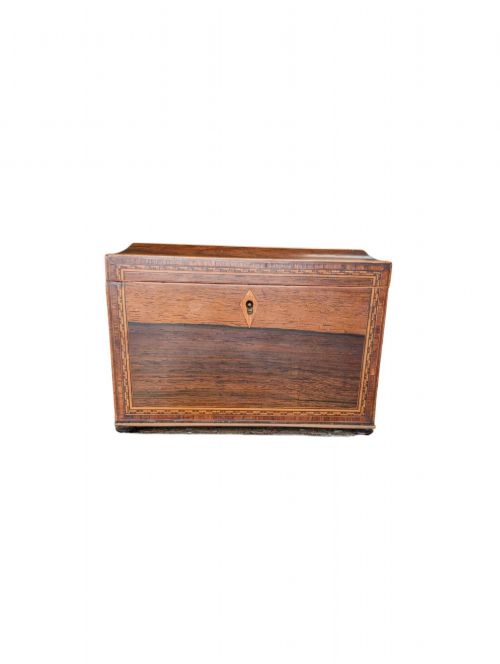


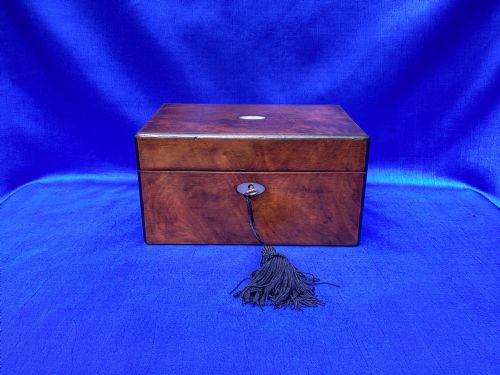
Vintage Wooden Trinket Chest
A vintage wooden trinket chest brings compact historic storage to a desk, holding small keepsakes in traditional timber.
Vintage Wooden Trinket Chest
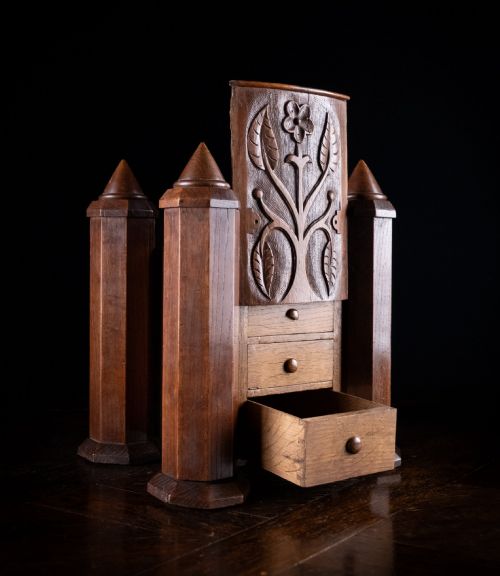
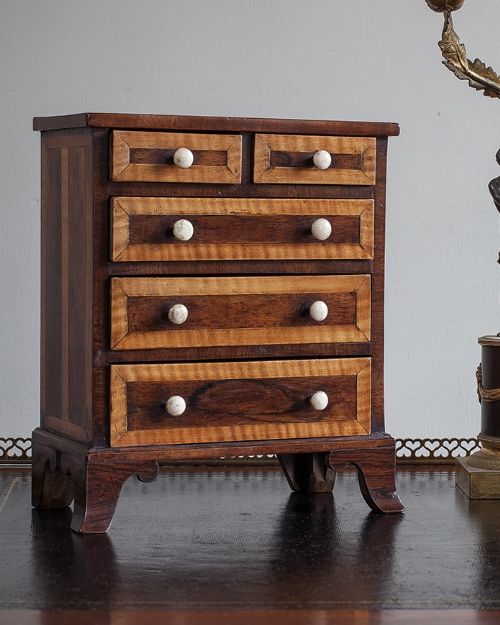
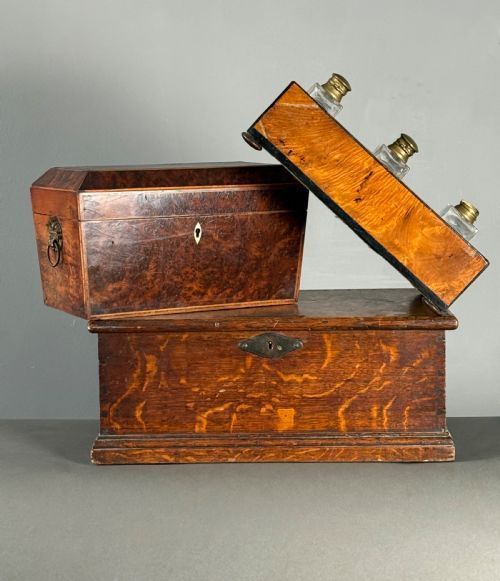
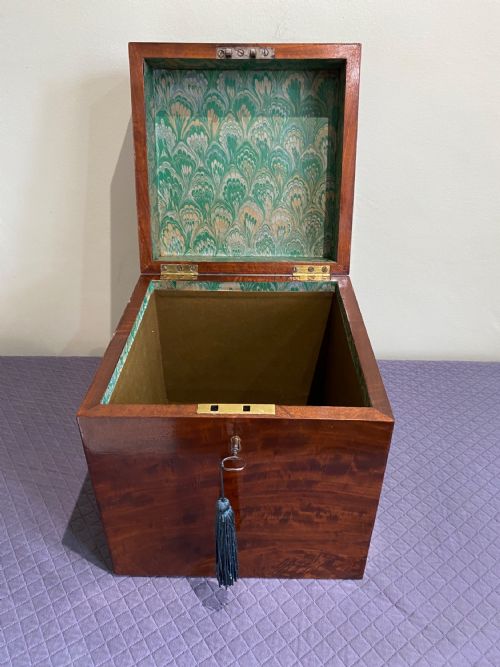
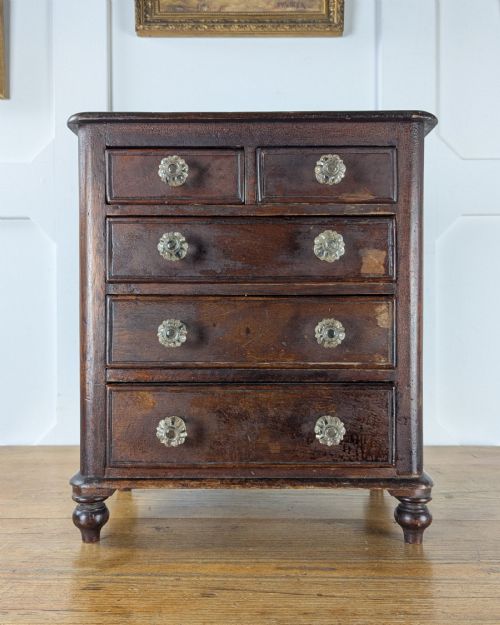
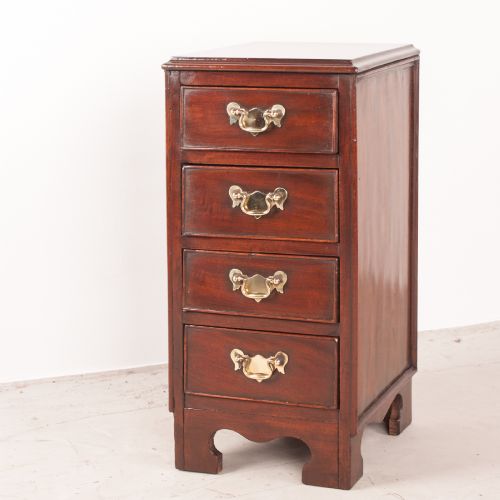
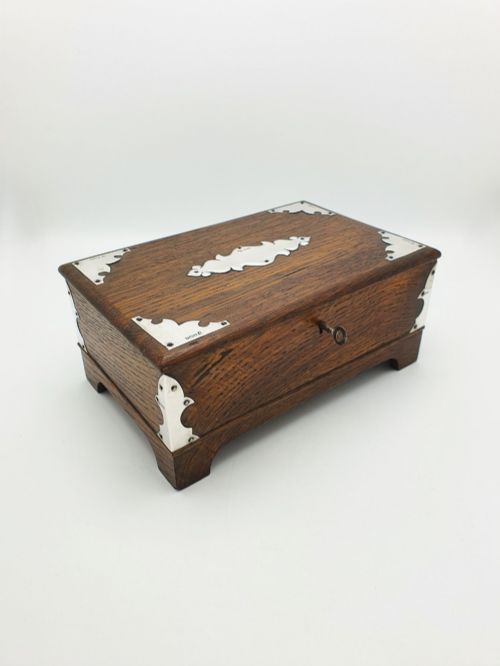
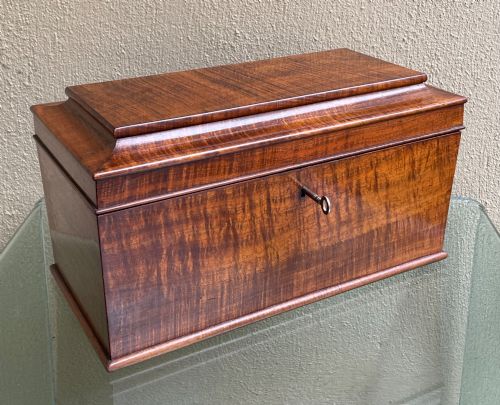
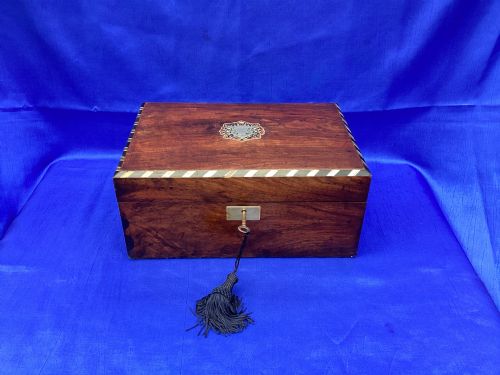
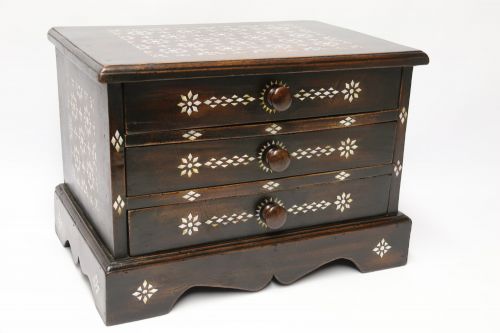
The pieces appearing most frequently on this page range from nineteenth-century mahogany miniature drawer units to inlaid rosewood and walnut caddies. Makers fashioned these small containers to sit on dressing tables and writing desks for secure storage.
Origins stretch across British workshops, Scandinavian folk art traditions, and Anglo-Indian production, offering a diverse array of regional timbers and decorative motifs. Each form serves as a tangible link to historical domestic routines.
Materials and construction methods
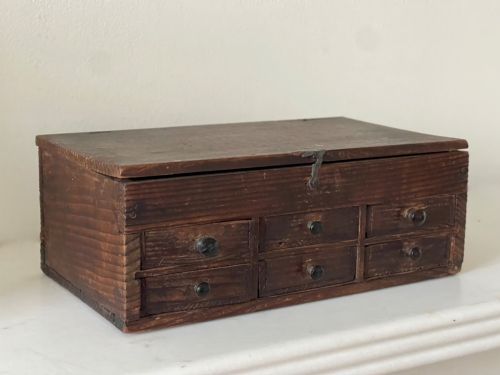
Cabinet makers utilised dense hardwoods such as mahogany, walnut, and rosewood, often selecting burr veneers for decorative grain patterns on exterior surfaces. Pine and fruitwood served for simpler regional boxes and painted Scandinavian folk art pieces.
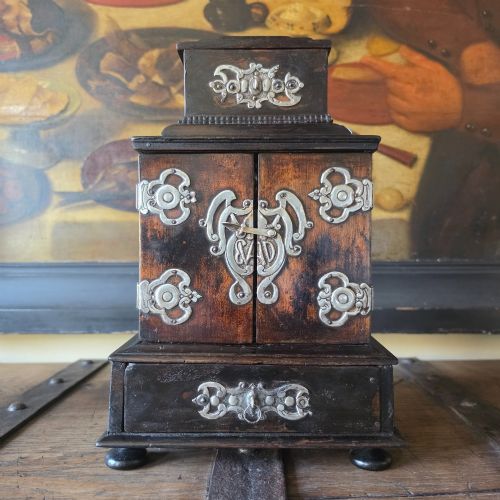
Construction relied on traditional joinery techniques, incorporating dovetail joints on corners and fitted internal trays lined with fabric or paper. Metal elements like brass handles, locks, and silver mounts secured the lids and drawers while adding structural contrast.
Engine factory tool boxes sit alongside delicate tea caddies, proving that even heavy machinery makers needed a proper place for small items.
Distinguishing quality across examples
Superior examples demonstrate meticulous timber selection, featuring symmetrical grain alignment on burr walnut or yew surfaces and precise marquetry or Tunbridge Ware inlays. Lesser pieces rely on plain pine or simpler painted finishes with minimal structural detailing.
The refinement of internal fittings elevates a piece, such as fully appointed lift-out trays, working brass locks with original keys, and intricate bone or mother-of-pearl escutcheons. Original patination on the timber surface also separates untouched historic examples from heavily restored ones.
The Vintage Wooden Trinket Chest Glossary
- Tunbridge Ware
- Woodworking technique involving thousands of tiny coloured wood blocks assembled to create mosaic pictures. These intricate patterns commonly decorate Victorian trinket boxes and tea caddies.
- Tea Caddy
- Container originally designed to store loose tea leaves securely under lock and key. Many examples feature internal foil linings or divided compartments for different tea varieties.
- Marquetry
- Decorative technique applying thin pieces of wood veneer to a structural carcase to form geometric or pictorial designs. Craftsmen utilised contrasting timbers like rosewood and mahogany for visual depth.
- Apprentice Chest
- Miniature chest of drawers traditionally constructed by a craftsman to demonstrate skill for guild admission. These small units mirror the proportions of full-sized furniture.
- Escutcheon
- Protective plate surrounding a keyhole, frequently fashioned from brass, bone, or mother-of-pearl. It prevents the wood surrounding the lock from wearing down through repeated use.
Vintage Wooden Trinket Chest: Frequently Asked Questions
What is a trinket chest used for?
These small chests serve to organise jewellery, watch collections, sewing accessories, and personal letters on a dressing table or desk. Their internal compartments and miniature drawers keep delicate items protected from dust and damage.
Historically, similar small containers held valuable commodities like tea or spices, but today they function primarily as decorative storage for modern keepsakes.
How do I date a wooden box?
Dating relies on examining the timber species, construction methods, and secondary woods visible inside the drawers or base. Georgian and Victorian pieces often show hand-cut dovetails and native hardwoods like mahogany or rosewood.
Hardware such as brass hinges, locks, and escutcheon plates also provide chronological clues, alongside any maker marks or stamped registration numbers found inside.
How do I care for antique wood?
Maintain antique wooden boxes by keeping them away from direct sunlight and sudden changes in central heating, which can cause the timber to split or veneers to lift. Dust gently with a dry microfibre cloth rather than applying modern silicone sprays.
Applying a traditional beeswax polish occasionally will nourish the grain and preserve the historic patina without harming the finish.
Are these boxes made of solid wood?
Construction methods vary between solid timber and veneered surfaces over a secondary wood core. Fine Georgian and Victorian decorative boxes frequently employ mahogany or pine carcases covered in expensive burr walnut, yew, or rosewood veneers.
Solid construction appears more commonly in regional folk art pieces, spice drawers, and utilitarian containers from Scandinavian or British workshops.