


Victorian Iron Bound Box
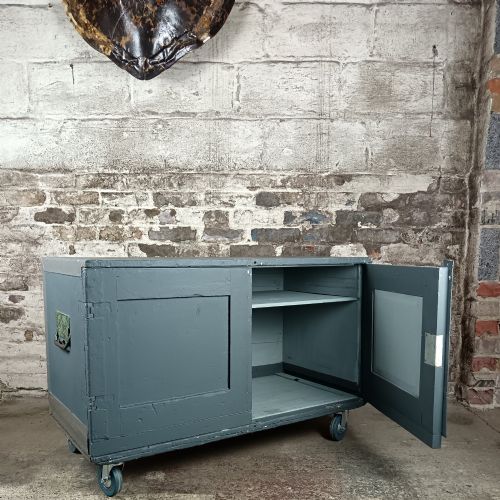
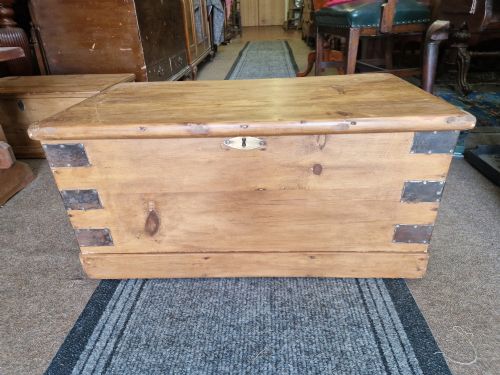
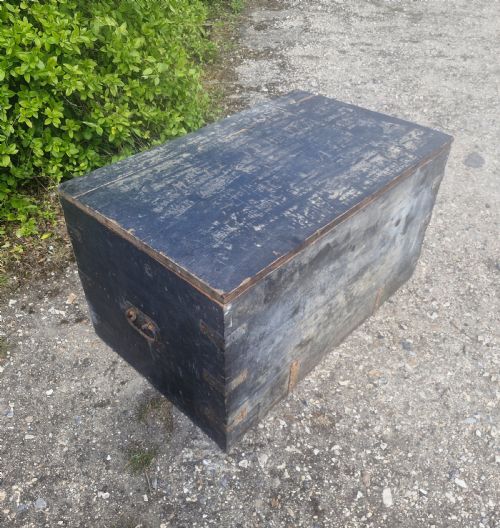
These robust pieces deliver utility and history, bringing a victorian iron bound box into your home for storage or display.
Victorian Iron Bound Box
When you search for a victorian iron bound box, you encounter heavy utilitarian storage pieces designed for travel, military campaigns, or domestic organisation. Most examples span the nineteenth century, reflecting the practical demands of an era that required secure transport for valuables, silver, and personal belongings.
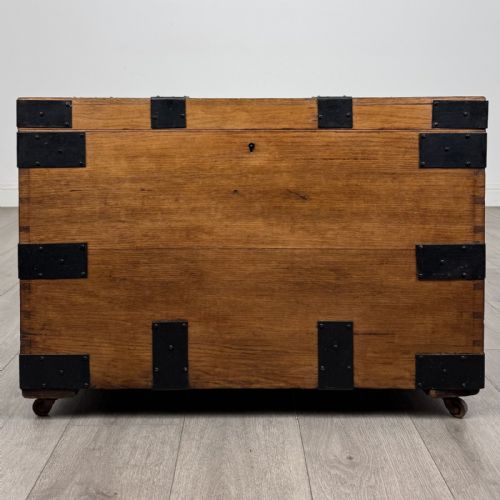
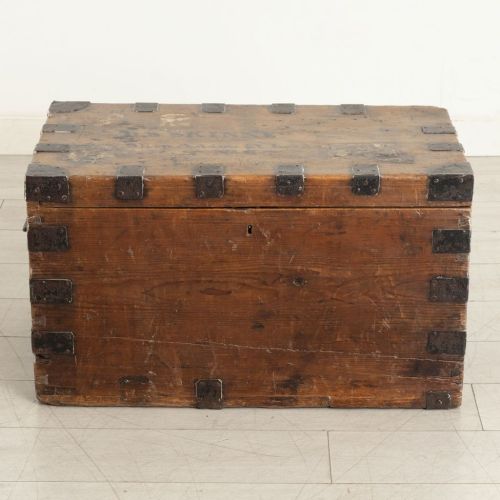
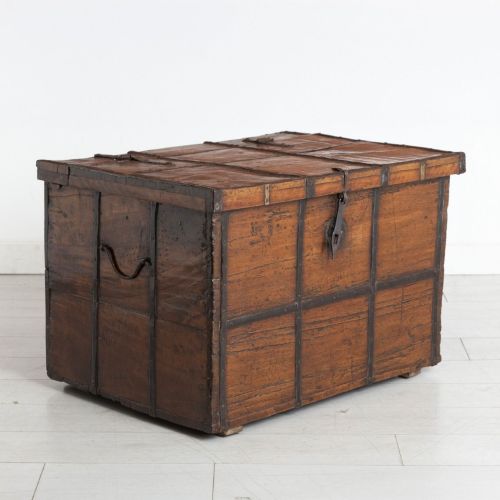
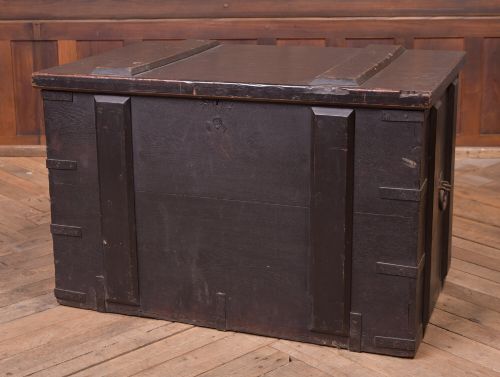
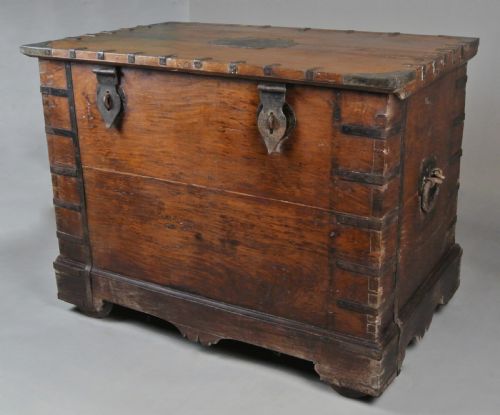
The version you meet most frequently on this page is the pine or oak chest reinforced with iron banding, corner brackets, and carrying handles. These items range from compact blanket boxes to large dowry chests and fitted silver trunks, often displaying the marks of their transit across the British Empire and domestic country houses.
Construction and materials
Carpenters constructed these boxes primarily using solid pine, oak, or teak, joining the timber with dovetailed or rebated corners to withstand heavy loads. Iron or steel bands, straps, and corner braces were then riveted or screwed across the exterior to reinforce the structure against the rigours of shipping and military deployment.
Hardware such as drop handles, lock plates, and hinges were cast or forged from brass and iron, often secured through the wood with bolts. Interiors occasionally featured fitted compartments lined in fabric or zinc, alongside working locks operated by original keys.
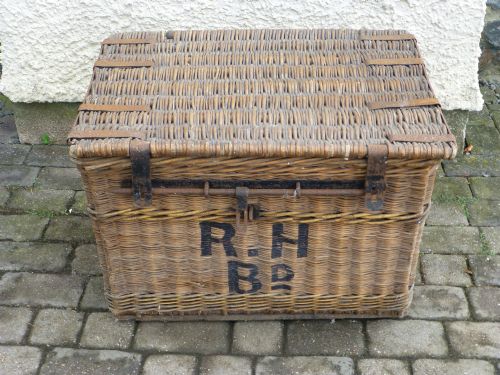
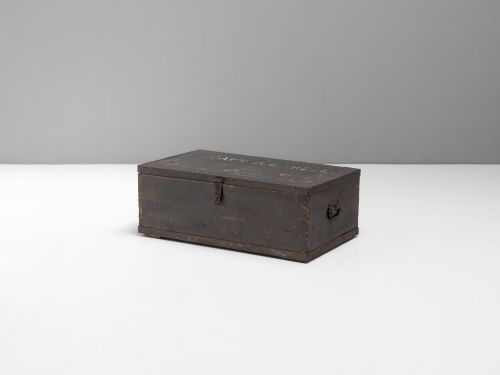
Several trunks bear the faded shipping labels and stencil marks of nineteenth-century voyages, recording forgotten journeys across the British Empire.
Variations in quality
The distinction between standard utility items and superior examples lies in the choice of timber and the complexity of the hardware. Oak and teak silver chests built for specific retailers or military regiments display thicker metal banding and more precise joinery than everyday pine travelling trunks.
Originality of surface finish and internal fittings also separates the tiers. Boxes retaining their fitted baize linings, working locks, and original painted or polished surfaces command greater interest from collectors than those altered or stripped over subsequent generations.
H D Dean
The Victorian Iron Bound Box Glossary
- Campaign chest
- A modular or transportable storage box designed for military officers on active service, featuring recessed brass handles and reinforced corners. These items separate into sections or possess folding stands for ease of movement.
- Silver chest
- A heavy hardwood storage trunk lined to protect domestic silver flatware and hollowware from tarnishing. They incorporate fitted internal trays and robust iron bands for security during shipping.
- Dovetail
- A traditional woodworking joint formed by interlocking wedge-shaped fingers. This method provides high tensile strength without relying solely on adhesives.
- Strapping
- Metal bands applied to the exterior of a trunk to reinforce the wood against splitting. Iron or steel strapping absorbs the impact of loading and stacking during transit.
- Escutcheon
- A protective plate surrounding a keyhole. On these pieces, brass or iron escutcheons prevent the surrounding wood from splintering through repeated use of the key.
Victorian Iron Bound Box: Frequently Asked Questions
What is a victorian iron bound box used for?
These boxes served multiple transport and storage roles during the nineteenth century, housing military equipment, household blankets, or valuable silver flatware during travel.
Today, buyers repurpose them as coffee tables, media storage units, or prominent decorative storage chests within modern interiors.
How do I identify a military campaign box?
Military boxes typically feature flush-fitting brass drop handles to prevent snagging during transport and robust iron corner brackets for impact protection.
Many also retain painted regimental ciphers, stencil marks, or owner inscriptions recording active service history.
Are the locks on these chests still functional?
Many trunks retain their original working lever locks, though some require replacement keys or professional adjustment after long periods of disuse.
Listings specify whether a working lock and key accompany the piece.
What timber species are most common?
Pine appears frequently in domestic travelling trunks and blanket boxes due to its accessibility and resilience for everyday use.
Oak and teak are standard for heavier silver chests and pieces destined for colonial service where dense hardwoods resisted humidity and extreme handling.