




Small Pine Storage Chest
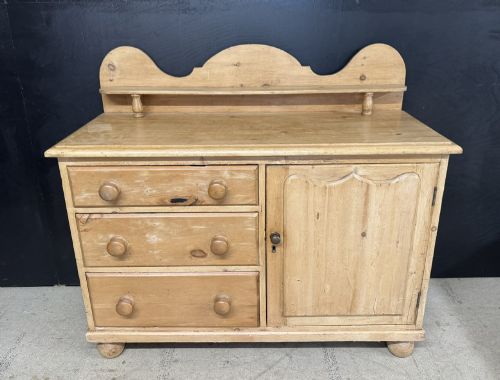
A small pine storage chest offers practical utility and honest character, bringing compact country charm and versatile organisation to any room.
Small Pine Storage Chest
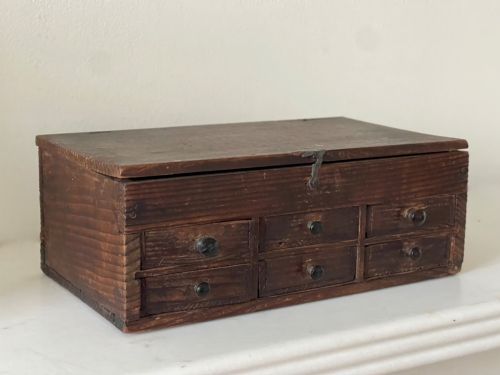
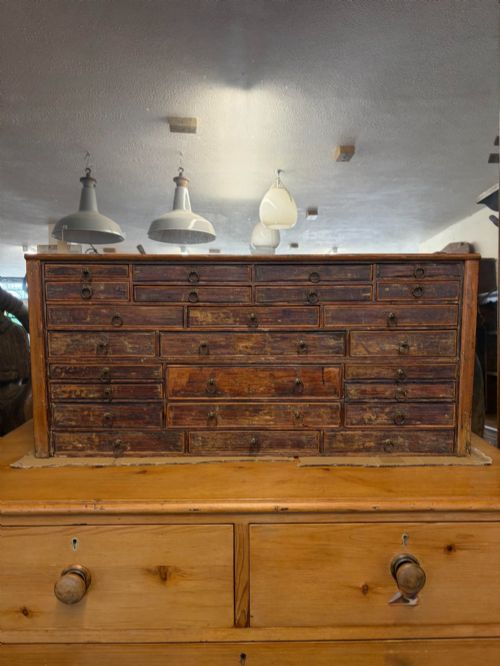
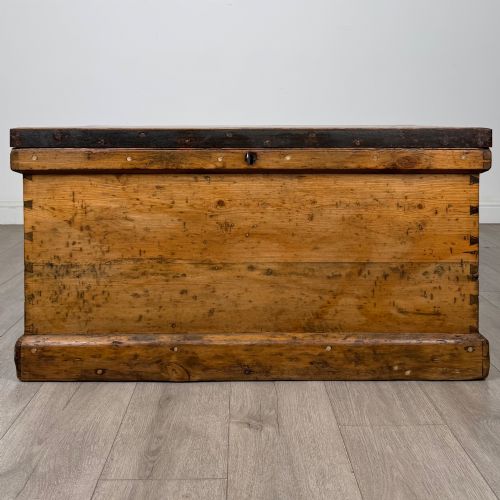
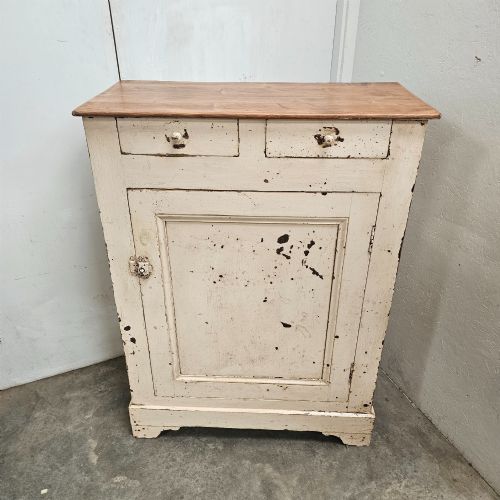
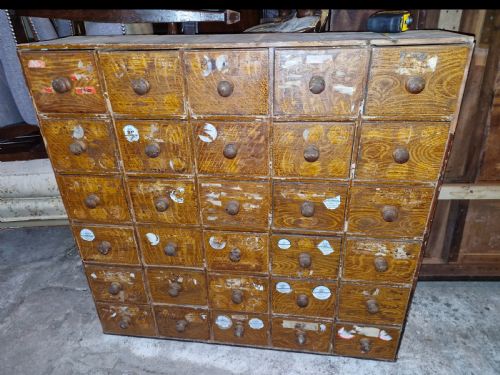
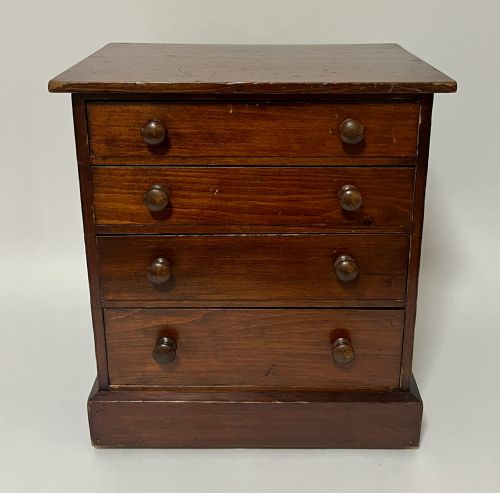
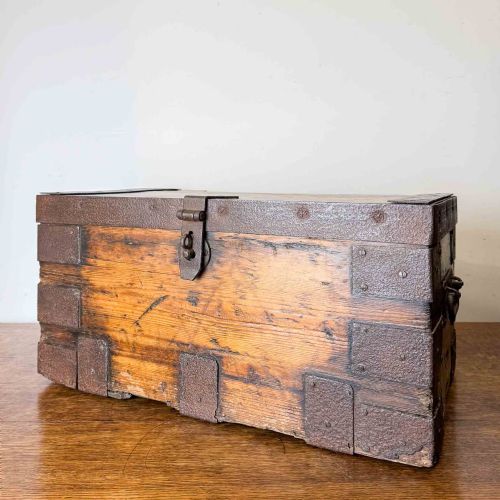
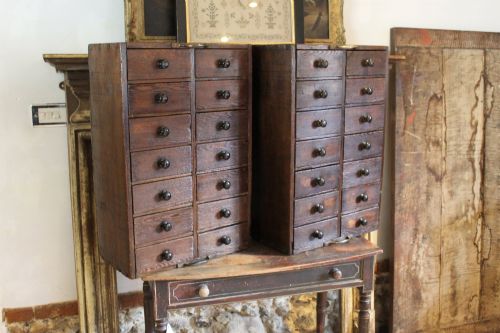
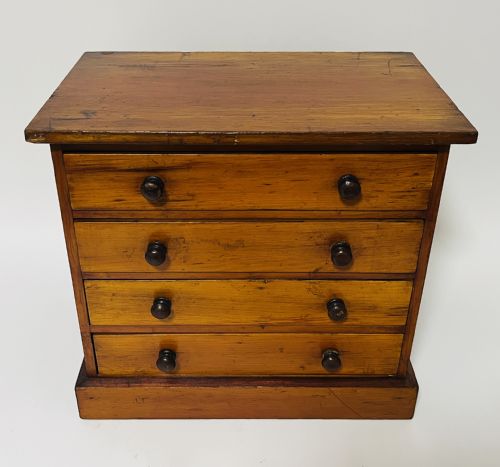
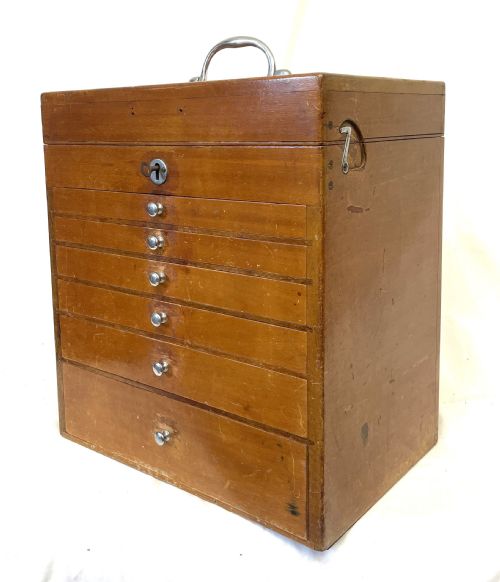
A small pine storage chest serves as a compact vessel for household goods, drawing on vernacular traditions from British, French, and Scandinavian workshops. These pieces range from humble coffer boxes and dome-top strongboxes to multi-drawer collectors' cabinets and spice boxes.
The version most commonly met on this page is a nineteenth-century Victorian or Scandinavian pine box, often featuring painted surfaces, iron bindings, or small internal drawers. They combine sturdy softwood construction with functional compartments suited for tabletop or floor placement.
How they were made
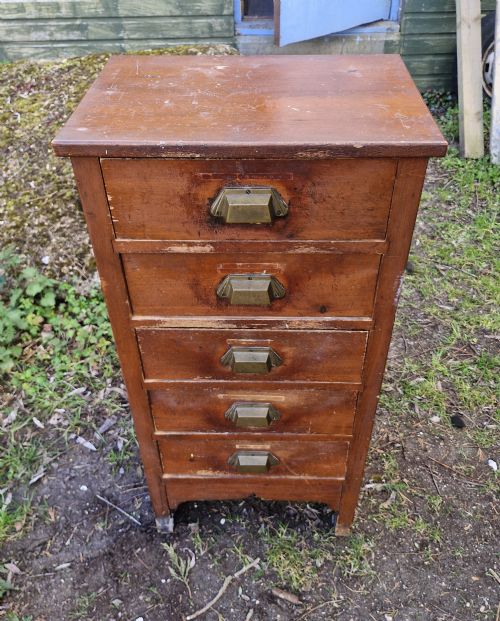
Makers utilised solid pine alongside pitch pine and elm for structural resilience, often joining panels with simple dovetails or sturdy rebates. Iron hinges, brackets, and brass handles reinforced lids and drawers for heavy daily use.
Surfaces were finished with natural stain, plain wax, or decorative layers of paint, sometimes simulating finer woods or displaying folk art motifs.
The listings span from the seventeenth century through the Victorian era up to the 1930s, featuring pine, pitch pine, elm, iron, and brass.
What varies in quality
Quality rests in the integrity of the timber selection and the restraint of the proportions, where tighter dovetailing and heavier hardware elevate a utilitarian box into an accomplished piece of vernacular craft. Original painted surfaces or patinated ironwork retain higher historical interest than stripped or overly restored examples.
The sophistication of internal arrangement, such as fitted spice drawers or secure till compartments, distinguishes standard storage containers from bespoke apothecary or collectors' cabinets.
The Small Pine Storage Chest Glossary
- Coffer
- A heavy box with a hinged lid used for safe storage of valuables or textiles. These sturdy containers often sat at the foot of a bed.
- Pitch pine
- A dense, resinous softwood favoured for its durability and distinct grain pattern. It appears frequently in nineteenth-century utility furniture.
- Strongbox
- A secure container reinforced with iron straps and sturdy locks. They protected currency, documents, and precious items in shops and homes.
- Dovetail
- A joint formed by interlocking wedge-shaped fingers that resists pulling apart. This method proves the joiner's skill in drawer and box construction.
- Vernacular
- Everyday utilitarian objects made by regional craftsmen following local traditions rather than high-style metropolitan fashions.
Small Pine Storage Chest: Frequently Asked Questions
What were small pine chests used for?
These boxes stored domestic documents, textiles, spices, or small valuables in homes and shops. Their portable nature allowed merchants and households to keep essential items secure and organised.
Over time, they adapted to various settings, serving as miniature dressers, apothecary cabinets, or bedside strongboxes depending on their internal layout.
How do I identify a nineteenth-century pine box?
Examine the construction methods, tool marks, and hardware to determine age and origin. Hand-cut dovetails and forged iron bindings indicate vernacular manufacturing techniques common before mass production.
Surface finishes also provide clues, as original paint layers, wax patination, and period brass or iron handles reveal decades of handling and use.
Are painted pine chests authentic?
Many regional pieces, particularly from Scandinavian and Welsh traditions, received decorative paint finishes when first built. Folk art motifs and simulated wood grains formed an integral part of the vernacular aesthetic.
Evaluating the wear patterns within the paint helps distinguish period decoration from later cosmetic updates applied to plain timber surfaces.
How do I care for antique pine furniture?
Keep pine pieces away from direct heat sources and dramatic humidity fluctuations to prevent the softwood from warping or splitting. Gentle cleaning with a soft cloth preserves the accumulated wax and dry surface patina.
Avoid harsh chemical cleaners that strip away historical finishes and alter the natural appearance of the timber.