
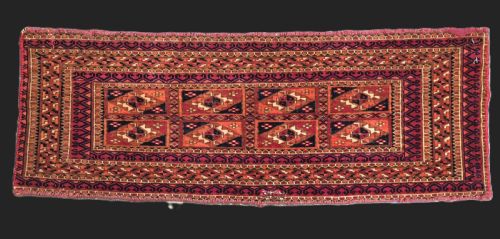
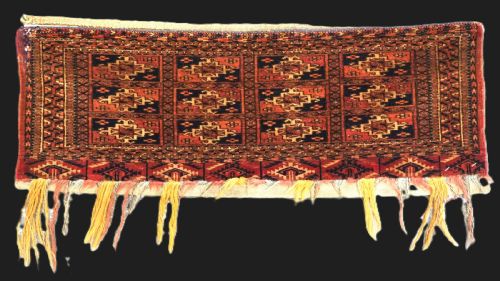


19th Century Nomadic Weave
When you search for 19th century nomadic weave, you enter the tangible world of tribal woolwork made by groups moving across Central Asia and Persia.
19th Century Nomadic Weave
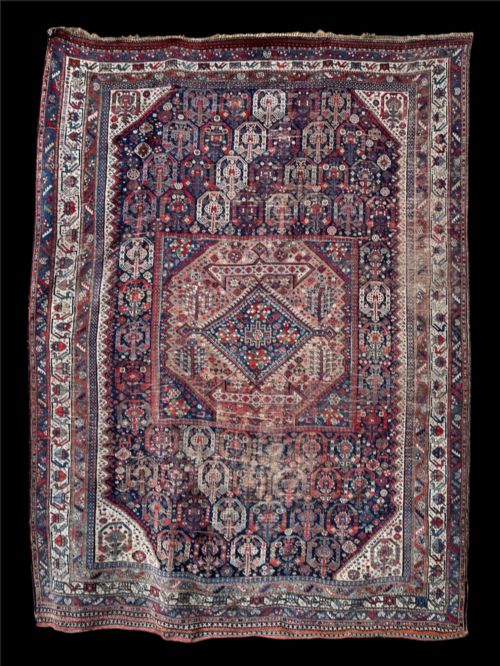
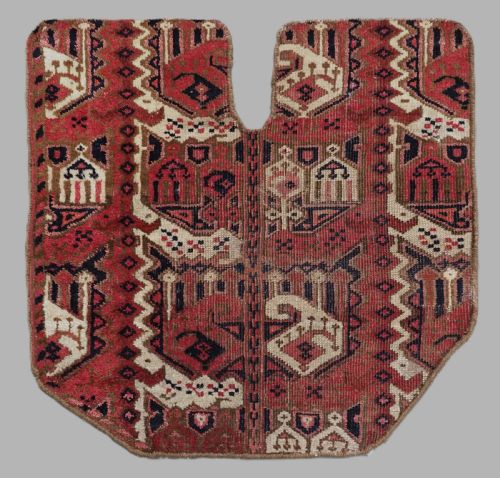
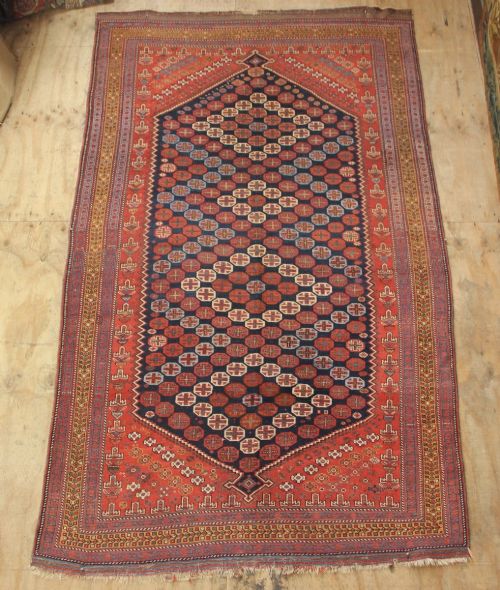
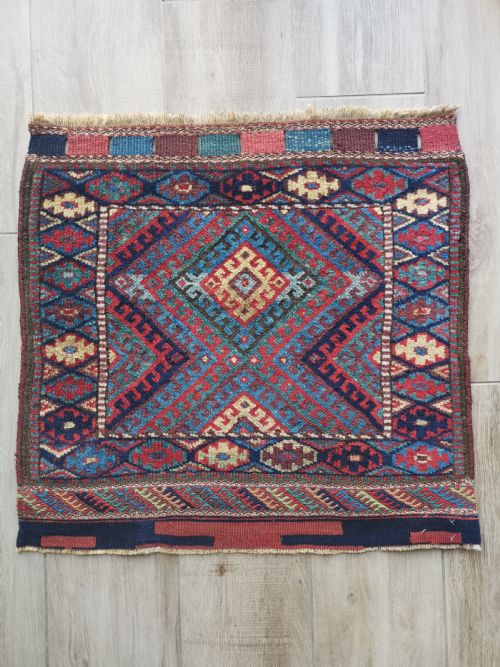
The objects on this page reflect the functional needs of pastoral life, created using traditional patterns passed down through generations. Pieces like chuval faces, mafrash panels, and jajim textiles demonstrate the distinct design vocabulary of specific tribes operating across Central Asia, Persia, and the Caucasus.
Materials and construction methods
Weavers utilised hand-spun wool for the pile and foundations, often supplemented by cotton, goat hair, horsehair, and occasionally silk for specific decorative accents. Natural dyes derived from local plants and minerals provided the foundational palette for the rich reds, deep blues, and earthy browns seen across these textiles.
Construction techniques varied from dense pile knotting on carpets and torbas to flatwoven methods seen in kilims, jajims, and soumac bags. Many pieces incorporate sturdy wool or leather reinforcement on the backs and edges to withstand the rigours of nomadic transport and daily camp life.
Current listings feature pieces dated across the nineteenth century, ranging from the 1850s through to 1900.
Assessing quality in tribal textiles
The standard of a 19th century nomadic weave depends heavily on the density of the knotting and the precision of the drawing within the tribal motifs. Finer weaves allow for sharper definition of complex secondary patterns such as guls, boteh repeats, and octagonal stars.
Colour saturation and the preservation of natural dye variations also determine the standing of an individual piece. Examples featuring well-balanced natural palettes, intact original loops or backs, and careful proportioning represent the more accomplished end of tribal production.
The 19th Century Nomadic Weave Glossary
- Torba
- A small, wide storage bag traditionally hung inside a nomad tent. These pieces frequently display detailed guls and were often made as part of dowry groupings.
- Chuval
- A large tent bag used for storing household goods and bedding during camp migrations. They typically feature multiple primary guls arranged across the face.
- Gul
- A repeated medallion or octagonal primary motif associated with specific Turkmen and Central Asian tribes. Each design often signifies the particular clan or lineage of the weaver.
- Soumac
- A flatweaving technique where pattern wefts are wrapped over the warp threads before passing back, creating a textured surface resembling braids. This method offers durability without a cut pile.
- Jajim
- A flatwoven textile constructed from narrow strips joined together side by side. They were frequently utilised for bedding covers, tent furnishings, or decorative wraps.
19th Century Nomadic Weave: Frequently Asked Questions
What is a torba used for?
A torba served as a practical storage container inside traditional nomadic tents, used for holding personal items, utensils, or smaller household possessions. They were often hung against the lattice walls of the dwelling.
Many of these pieces formed part of a bride's dowry, displaying the specific tribal motifs and weaving skill of the maker.
How do I identify a Baluch rug?
Baluch rugs typically originate from groups inhabiting the borderlands of western Afghanistan, eastern Persia, and Baluchistan. They are characterised by deep, saturated dark palettes, rich browns, midnight blues, and frequent use of wool foundations.
Design elements often include repeating star motifs, camel's foot patterns, and distinctive flatwoven kilim ends.
What does chuval mean in tribal rugs?
A chuval is a large storage bag produced by Turkmen tribes for domestic organisation during migrations. They were sized to carry bulky bedding and clothing within the tent.
These textile faces usually feature rows of large primary guls and retain remnants of attachment loops along the top edge.
Are these textiles made with natural dyes?
The majority of pieces from this period rely on natural dyestuffs sourced from plants, roots, and insects to achieve their colour palette. These materials produce earthy reds, indigo blues, and yellows that mature gracefully over time.
Subtle tonal variations, known as abrash, often occur naturally within the wool due to varying dye batches.