





19th Century Militaria
These pieces of 19th century militaria bring physical history home through firearms, helmets, and edged weapons shaped by decades of conflict and parade.
19th Century Militaria
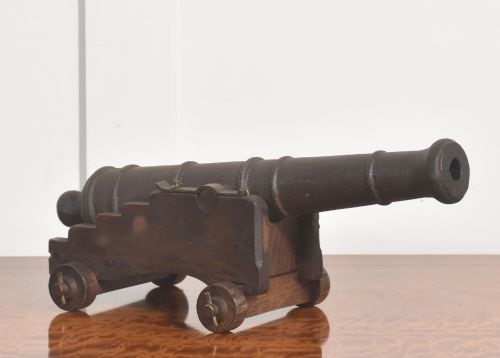
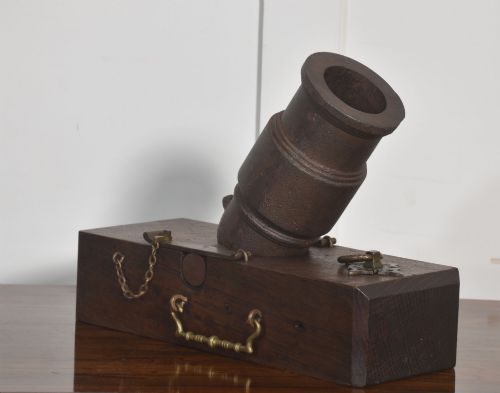
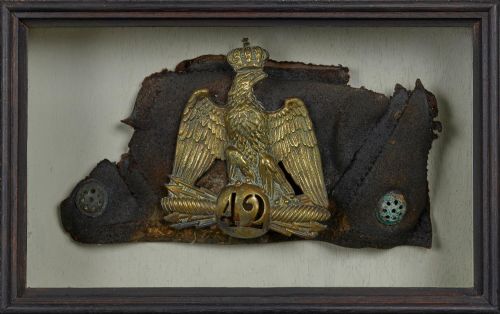
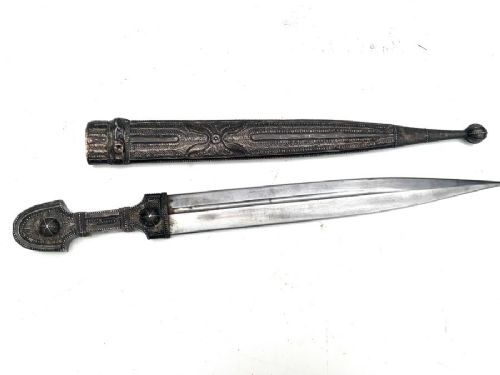
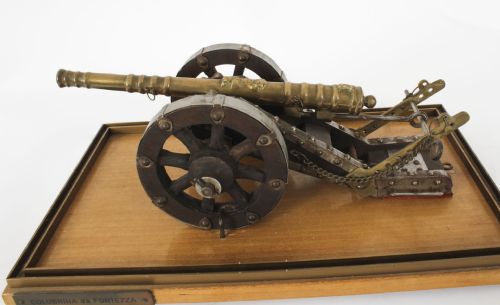
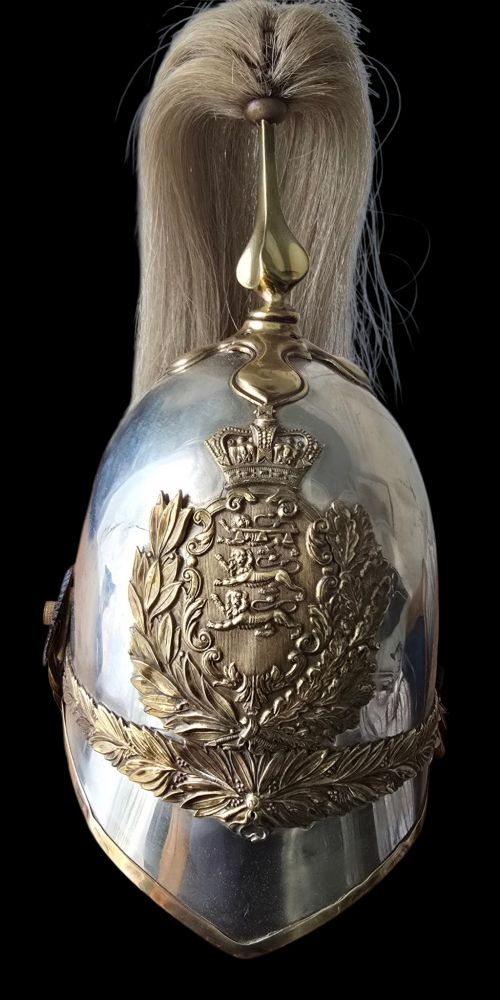
Helmets and headwear form a prominent category, represented by shakos, bicorn cocked hats, and cavalry helmets complete with metal fittings and plumes. Larger defensive items such as cuirasses and signal cannons or mortars on wooden carriages also appear among the material.
Originating across Britain, France, Germany, America, and the Ottoman territories, these objects reflect military service from the Napoleonic Wars through the Victorian era and into the early twentieth century. The items range from field service pieces to named officer effects and decorative models.
Materials and construction
Makers utilised a combination of forged steel, iron, brass, and bronze for structural rigidity and mechanical components in firearms, blades, and helmets. Wood stocks and carriages commonly employ walnut or oak, providing durable foundations for pistols, muskets, and artillery pieces.
Organic materials such as leather, horn, and horsehair appear extensively on headwear, belts, and powder containers, often paired with metal mounts and brass fittings. Surface treatments and construction techniques varied from utilitarian military mass production to fine officer-grade silver-gilt work.
Factors of quality and distinction
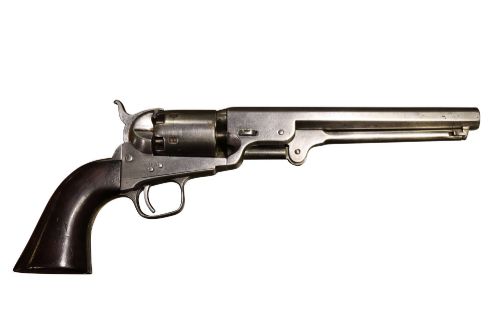
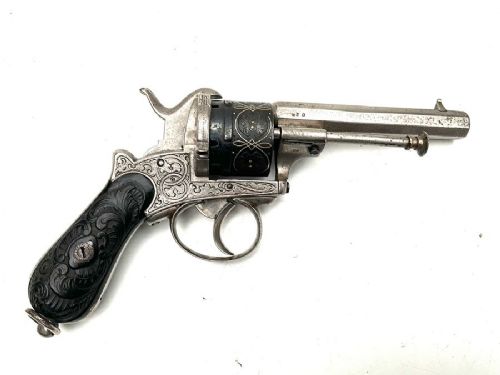
Quality in these pieces is dictated by the precision of manufacture, the integrity of surviving components like matching serial numbers on revolvers, and the preservation of original materials such as horsehair plumes and leather linings. Standard issue gear differs from bespoke officer-commissioned items which often display superior finishing, precious metal accents, and named provenance.
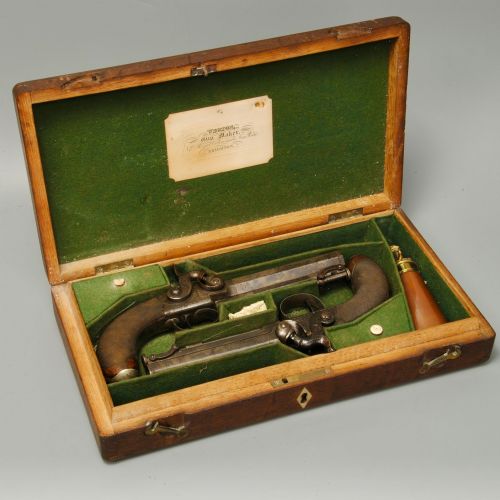
The degree of artistic or decorative rendering also separates standard field pieces from presentation items, such as finely chased brass helmets or embossed metal-clad pistols. Intact mechanisms on firearms and the survival of complete accompanying accessories or boxed sets elevate the standing of individual pieces.
Deane Adams and Deane·Hawkes and Co
The 19th Century Militaria Glossary
- Percussion
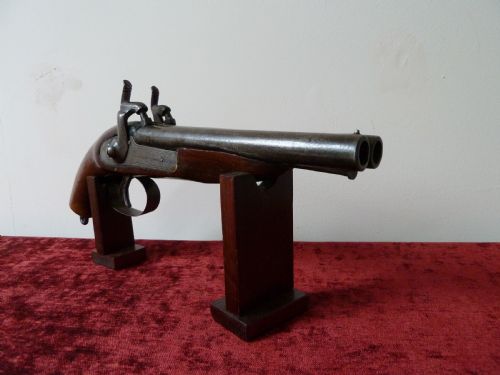
- A firearm ignition system relying on a percussion cap struck by a hammer to ignite the powder charge. This mechanism succeeded flintlock technology during the nineteenth century.
- Shako
- A tall, cylindrical military cap featuring a visor and frequently adorned with a plume or cockade. These were widely worn by infantry regiments during the period.
- Cuirass
- A piece of protective body armour consisting of breast and back plates designed to cover the torso. They were typically worn by heavy cavalry units.
- Miquelet
- A type of flintlock ignition mechanism common in Mediterranean and Ottoman regions. It uses an external mainspring and a combined frizzen and pan cover.
- Blunderbuss
- A muzzle-loading firearm with a flared barrel designed to scatter shot at close range. They were utilised by military and naval forces for defence.
19th Century Militaria: Frequently Asked Questions
What firearms belong to this period?
Firearms from this era include flintlock and percussion pistols, multi-shot revolvers like those by Colt and Adams, and shoulder arms such as muskets and blunderbusses.
These pieces span military service models and private officer purchases, often featuring mechanical innovations characteristic of nineteenth-century ordnance development.
How were powder flasks used?
Powder flasks served to safely store and dispense measured charges of gunpowder for muzzle-loading firearms. They were constructed from materials like copper, brass, and horn.
Many incorporated adjustable nozzles or patent chargers to deliver precise amounts of powder into the barrel during reloading.
Were these items used in combat?
Many pieces show evidence of active service, while others were made for parade use, ceremonial duties, or private ownership by officers. Service arms and cavalry sabres frequently display the marks of active campaigns.
Markings such as regiment names, serial numbers, and personal inscriptions help connect individual objects to historical conflicts and specific military units.