




Antique Shooting Accessories
Antique shooting accessories are essential field gear in brass, copper, leather, horn and wood that bring historical sporting traditions straight to your collection.
What antique shooting accessories are
Antique shooting accessories encompass field equipment designed for loading and carrying ammunition during the eighteenth, nineteenth and Victorian periods. These pieces include copper and brass powder flasks, horn powder flasks, leather and oak cartridge cases, and brass shot flasks.
The selections available here range from early eighteenth-century horn flasks to late nineteenth-century oak cartridge cases. Buyers frequently encounter nineteenth-century copper and brass examples alongside substantial powder horns and dated sporting pieces.
How they were made
Maker construction combines functional metals like copper, brass, steel and iron with organic materials such as horn, wood, leather and oak. Metal flasks often utilise soldered seams and embossed designs, while horn pieces display natural curvature shaped through heat and pressure.
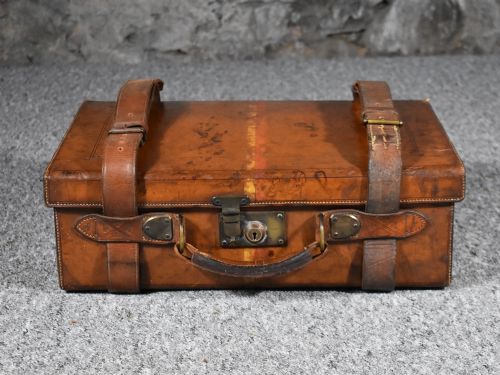
Cases and boxes incorporate sturdy timber frames lined or covered in durable leather for field use. Metal components are frequently riveted or screwed securely to withstand the rigours of outdoor sport.
Retail Price Guide 2026
Typical UK retail prices for shooting accessories, calculated from the Sellingantiques database of over a million retail prices indexed since 2003. This retail price guide relies exclusively on Sellingantiques data; no external sources or auction records are used, so the figures do not describe the wider market.
An eighteen thirty-eight giant copper flask bears the specific name of Honourable E Coke Edward, recording a Victorian sportsman in metal.
What varies in quality
Quality separates standard utilitarian gear from exceptional presentation pieces through the crispness of embossed metal motifs and the preservation of natural horn surfaces. Superior examples retain their original spring mechanisms and internal wooden partitions without replacement parts.
Provenance and documentation elevate specific items, particularly when makers' names appear stamped on the metal or when pieces bear historical inscriptions and dates. The integrity of stitching on leather cases and the original patination of brass and copper also distinguish finer specimens.
C & J.W Hawksley·James Purdey & Sons
The Antique Shooting Accessories Glossary
- Powder flask
- A portable container holding gunpowder for muzzle-loading firearms. These devices typically feature an adjustable nozzle to dispense exact charges.
- Powder horn
- A natural animal horn prepared and plugged to store gunpowder safely in damp conditions. They represent some of the earliest portable containers for ammunition.
- Cartridge case
- A rigid box designed to hold self-contained rounds of ammunition securely. Nineteenth-century versions frequently utilise oak frames covered in leather with brass lock hardware.
- Shot flask
- A specialised container used for measuring and dispensing lead shot rather than loose gunpowder. They often appear in collections alongside powder dispensers.
Frequently Asked Questions
What are antique shooting accessories?
Antique shooting accessories are historical items used for carrying and dispensing gunpowder, shot, and cartridges during field sports. They include copper flasks, horn containers, and leather cartridge cases.
These pieces date primarily from the eighteenth and nineteenth centuries, reflecting the evolution of sporting firearms and field gear.
How do I date a powder flask?
Dating a powder flask involves examining the materials, manufacturing techniques, and any stamped maker marks or engraved dates. Nineteenth-century examples often feature embossed copper bodies and brass spring mechanisms.
Earlier eighteenth-century pieces typically rely on natural horn or simpler metal construction without mass-produced components.
Are these accessories still functional?
While many flasks and cases retain their mechanical components, modern collectors generally preserve them as historical artefacts rather than utilising them with live ammunition.
Spring mechanisms and measuring nozzles should be handled with care to maintain their historical integrity and prevent damage to aged brass and copper.
What materials were used?
Makers utilised a combination of durable metals and organic substances suited to outdoor conditions. Copper, brass, steel, and iron provided robust housing for metal components.
Natural horn, wood, oak, and leather added lightweight flexibility and weather resistance for hunters operating in the field.