

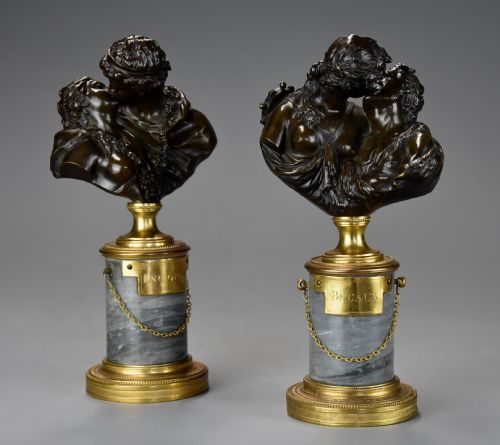


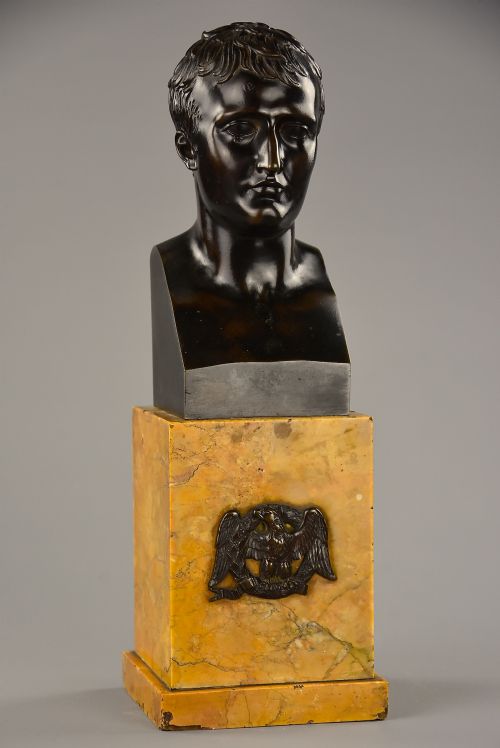


19th Century Marble Bust
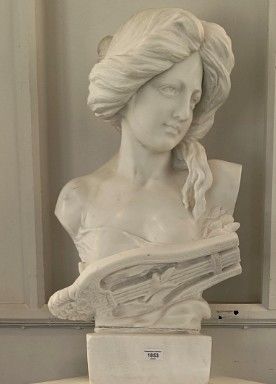
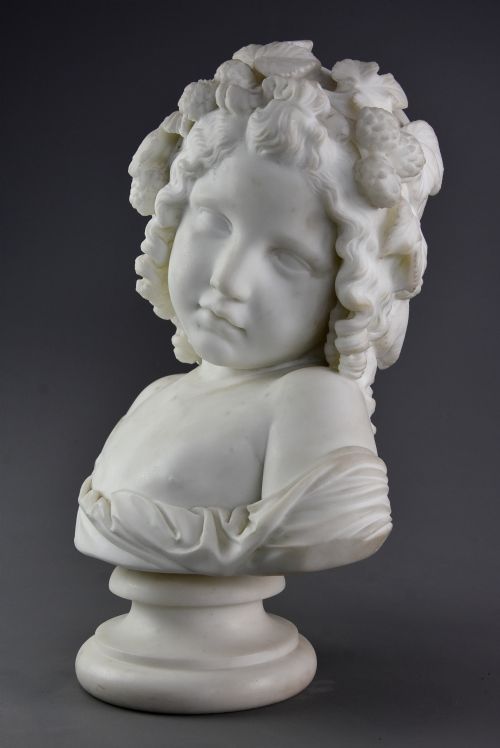
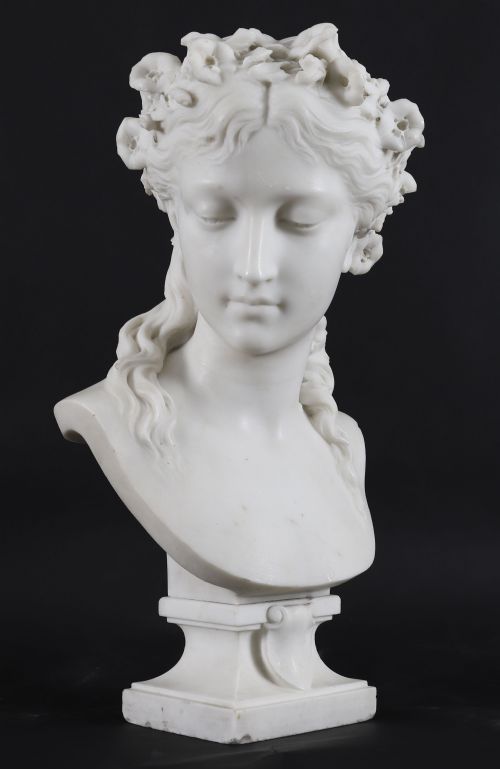
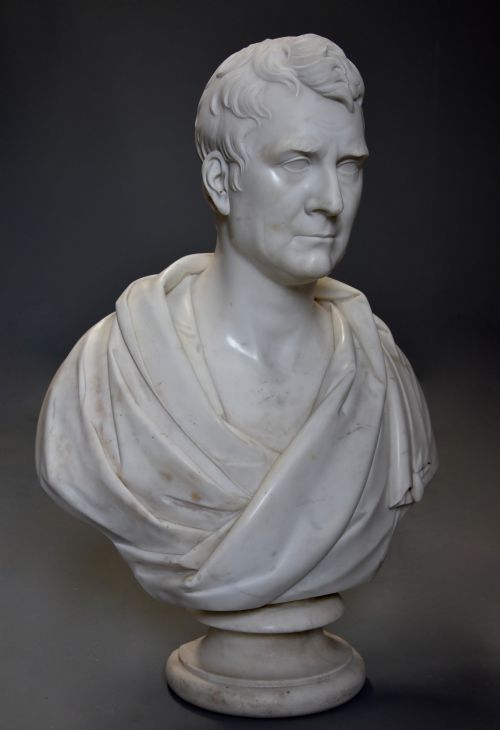
A 19th century marble bust brings classical presence into a room, offering carved portraits of historical figures, literary icons, and anonymous ladies.
Understanding the 19th century marble bust
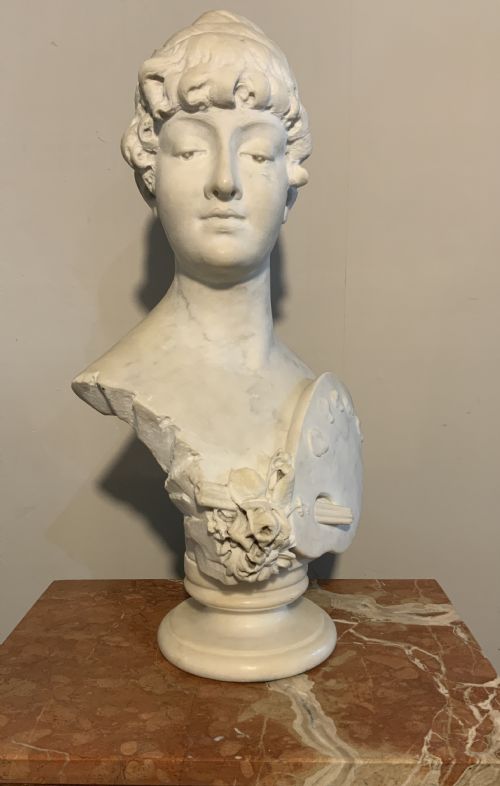
A 19th century marble bust captures likenesses ranging from classical deities such as Apollo and Diana to literary figures like John Milton and William Shakespeare, alongside historical subjects including Napoleon and Queen Victoria. These sculptures draw heavily from Neoclassical, Victorian, and French Beaux-Arts traditions, reflecting the period's fascination with antiquity and portraiture.
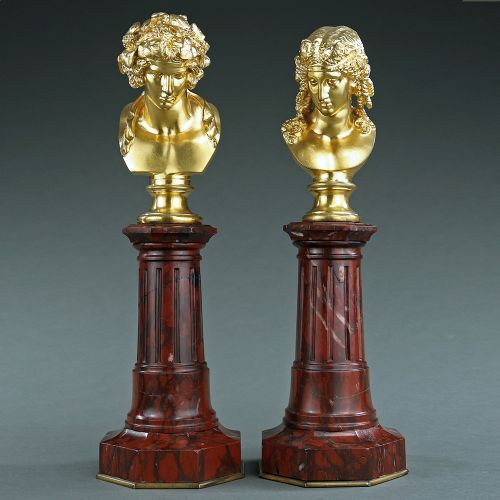
Most examples you encounter on this page are carved from white marble, Carrara marble, or variegated marble, occasionally accompanied by alabaster or paired with bronze elements. Subjects span anonymous ladies and bearded gentlemen as well as specific historical and mythological personages, sometimes including distinct compositional formats like a skull vanitas memento mori bust.
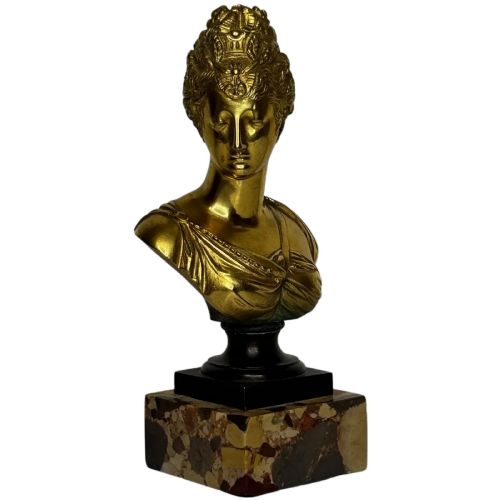
Origins vary across English and Italian workshops, alongside French pieces that often combine bronze and marble materials. Grand Tour souvenirs also appear, representing smaller classical temples and portable likenesses collected by travellers across Europe during the nineteenth century.
Materials and carving techniques
Carvers shaped these portraits primarily from solid blocks of marble, utilising both pure white varieties and Carrara marble alongside variegated stone and translucent alabaster. Certain sculptural compositions integrate patinated bronze elements, contrasting metallic tones against the pale polished surfaces of the stone.
Artisans employed chisels, rasps, and abrasive drills to render intricate details such as flowing hair, drapery folds, and facial expressions. Surfaces received varying degrees of finishing, from smooth, matte skin tones to polished highlights that catch the light.
Retail Price Guide 2026
Typical UK retail prices for 19th century marble bust, calculated from the Sellingantiques database of over a million retail prices indexed since 2003. This retail price guide relies exclusively on Sellingantiques data; no external sources or auction records are used, so the figures do not describe the wider market.
Materials across the listings span white marble, Carrara marble, variegated marble, bronze, and alabaster.
Distinctions in craftsmanship
The presence of a recorded signature from a named maker elevates a piece, as seen in works attributed to Rob Physick, William Shakespear, or A. Cipriani. Proportions, stability of the base, and the harmonious integration of mixed materials or variegated marble further separate standard studio output from exceptional sculptural work.
Rob Physick·William Shakespear·A Cipriani
The 19th Century Marble Bust Glossary
- Carrara marble
- A type of white or blue-grey marble quarried in the city of Carrara in Tuscany, widely favored by sculptors for its fine and uniform grain.
- Grand Tour
- A traditional trip through Europe undertaken by upper-class European young men of means during the 19th century, resulting in the acquisition of art souvenirs.
- Vanitas
- An artwork containing symbols of mortality, reminding the viewer of the transience of life, often manifested in sculptural skull motifs.
- Alabaster
- A fine-grained, translucent stone that is softer than marble, frequently utilised for smaller classical portrait busts and decorative objects.
Frequently Asked Questions
Where were these sculptures made?
The pieces originate primarily from Italian, English, and French studios and workshops active during the nineteenth century. Many Italian examples were produced specifically for the export and Grand Tour markets.
English and French pieces often reflect local academic sculpting traditions, incorporating regional marbles and occasional bronze mounts.
How do I identify the subject?
Subjects are frequently identified through inscribed titles on the base, accompanying attributes such as a bow for Diana or a lyre for Apollo, or distinctive historical iconography. Portraits of literary and political figures often rely on established contemporary portraiture conventions.
Unidentified sitters appear as anonymous ladies, gentlemen, or classical figures without specific narrative attributes.
How should I clean marble?
Dust the surface regularly with a soft, dry cloth or a gentle brush to prevent particulate buildup in recessed carved areas. Avoid using household detergents, acidic cleaners, or excess water, which can penetrate and stain porous stone.
Consult a professional conservator if the marble requires deeper cleaning or removal of ingrained grime.
What is a Grand Tour bust?
A Grand Tour bust is a portable sculpture purchased by travellers touring European cultural centres during the nineteenth century. These pieces served as tangible reminders of classical antiquity and Renaissance art.
They range from miniature architectural models with integrated busts to life-sized portraits of classical deities.