

19th Century Mahogany Seat
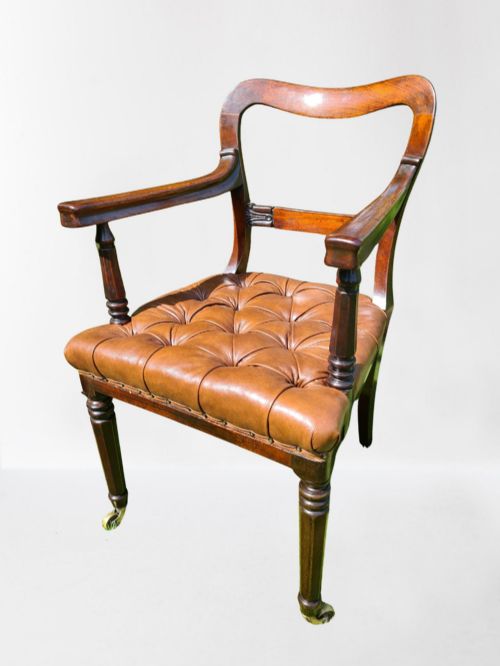
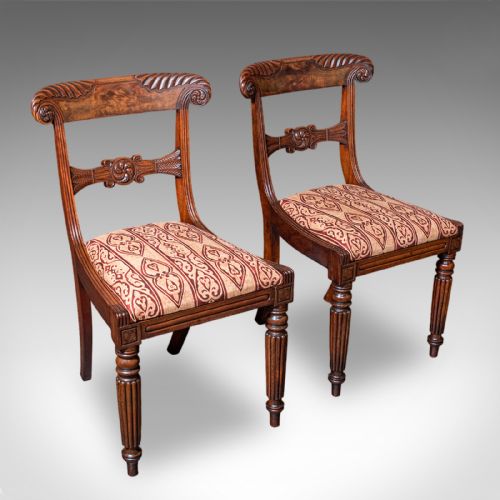
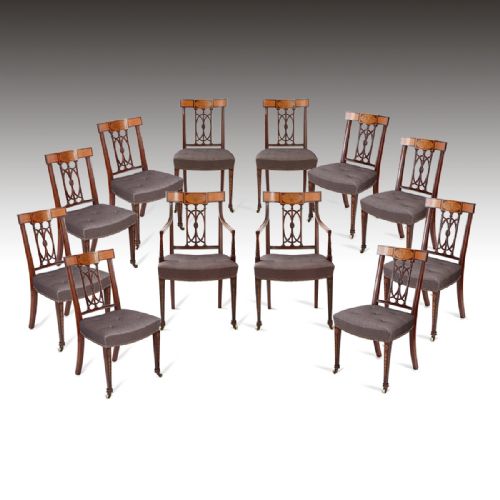
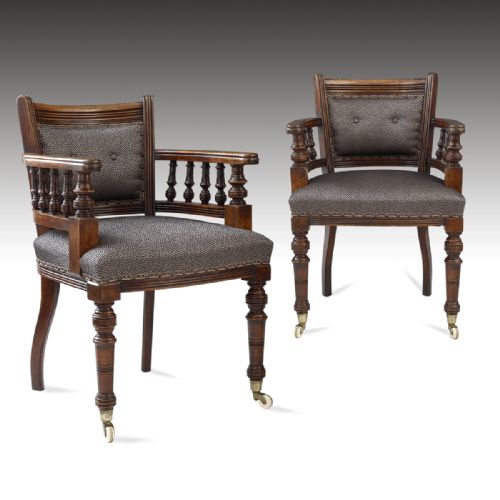
When searching for a 19th century mahogany seat, buyers encounter dining chairs, window seats, and library armchairs built to last.
19th Century Mahogany Seat
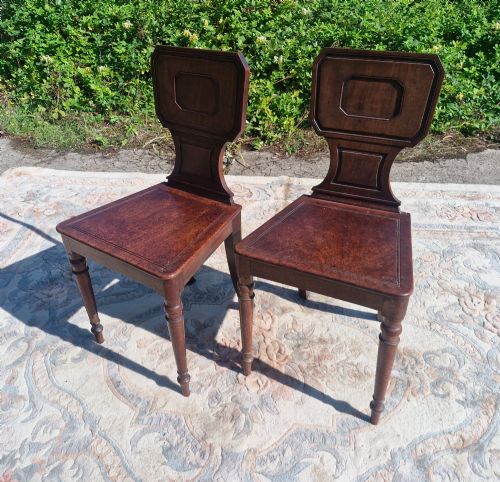
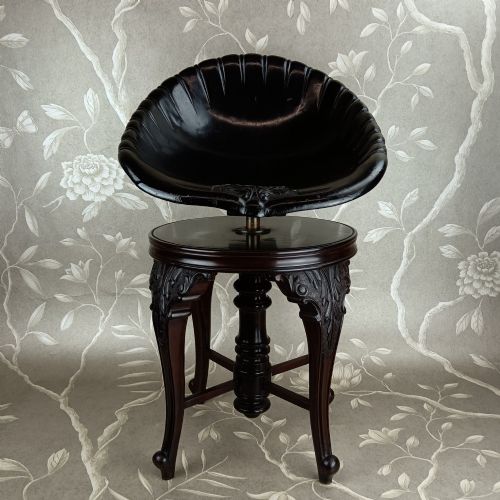
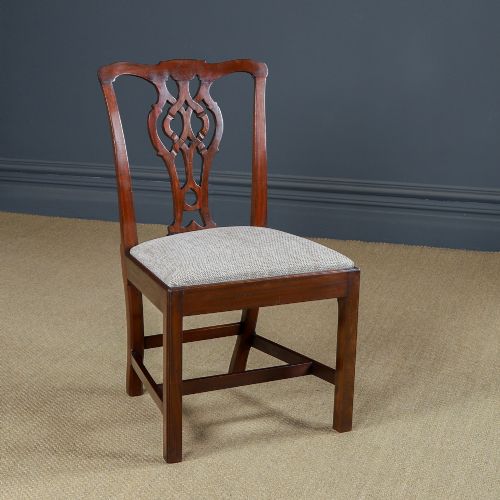
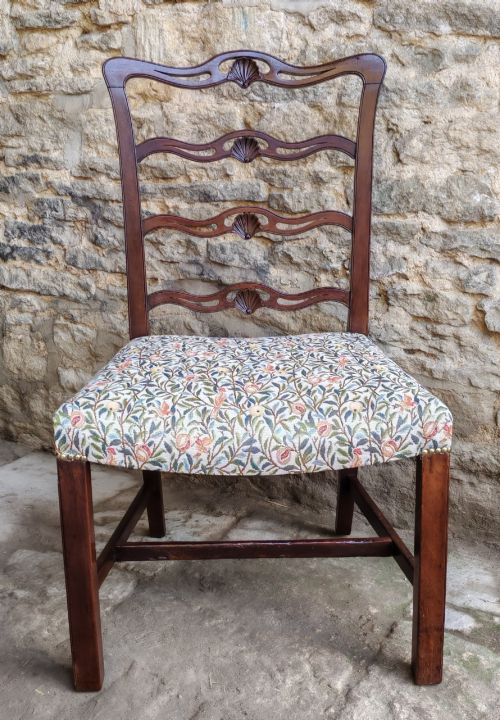
A 19th century mahogany seat encompasses a broad spectrum of domestic furniture, ranging from single hall chairs and music stools to large matched sets of dining chairs.
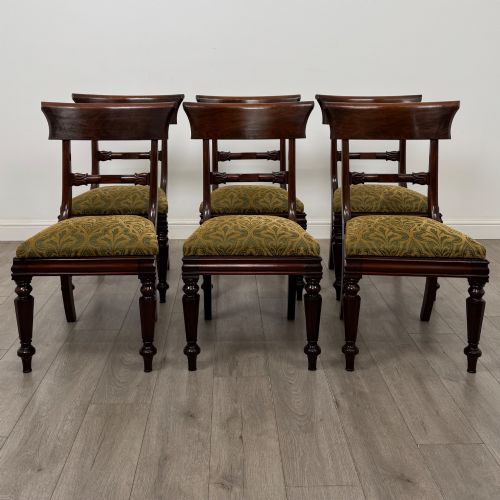
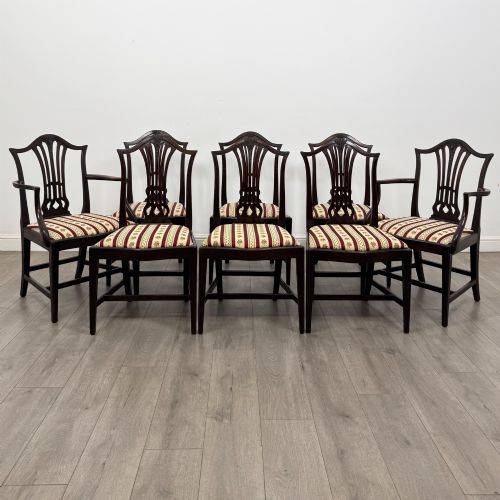
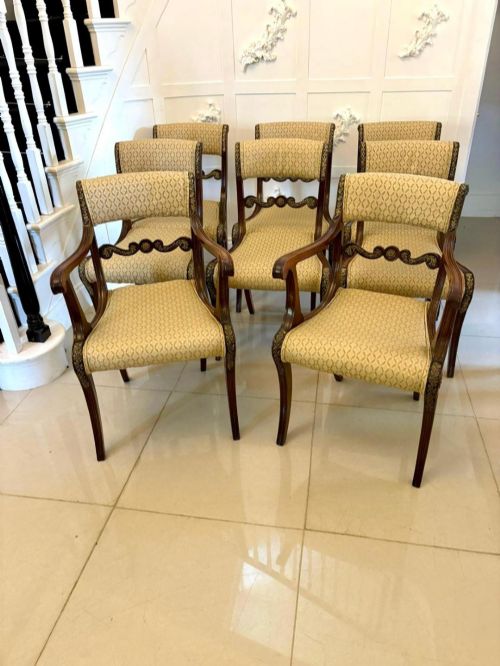
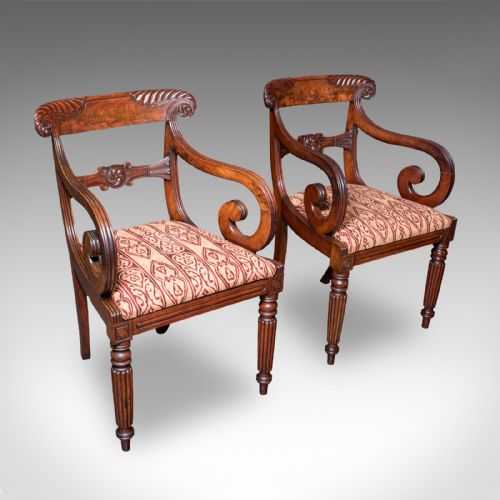
The most common forms on this page include Regency and Victorian dining chairs, alongside window seats, armchairs, and stools originating from the wider 19th century.
Makers utilised resilient timbers to construct seating for formal reception rooms, libraries, and hallways, blending structural utility with period decorative styles.
How They Were Made
Craftsmen built these pieces predominantly using solid mahogany, often complemented by brass accents, ormolu, and papier-mâché.
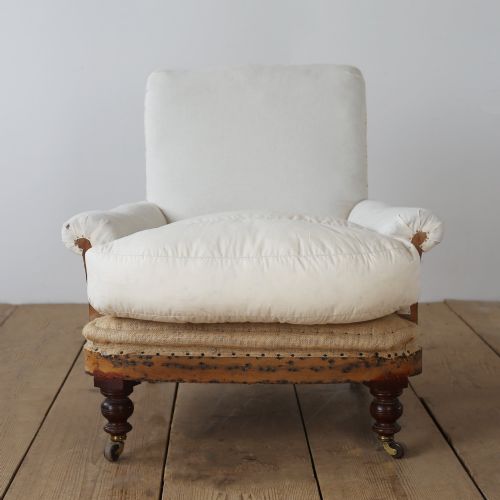
Upholstery techniques varied by form, employing traditional materials such as horsehair, calico, leather, and velvet secured over webbing or sprung frames.
Some window seats spent centuries watching rain roll across country house lawns before finally moving indoors to polite modern hallways.
What Varies in Quality
Quality depends heavily on the crispness of the hand-carving on details such as ladderbacks, balloon backs, and scroll ends.
Coherence within larger sets and the original integrity of the timber and upholstery foundation dictate the standing of individual pieces.
Jennens and Bettridge·Gillows·Howard and Sons·George Jack For Morris and Co
The 19th Century Mahogany Seat Glossary
- Mahogany
- A durable tropical hardwood prized for its rich reddish-brown tone and stability in furniture construction. It accepts fine carving and polishing exceptionally well.
- Window seat
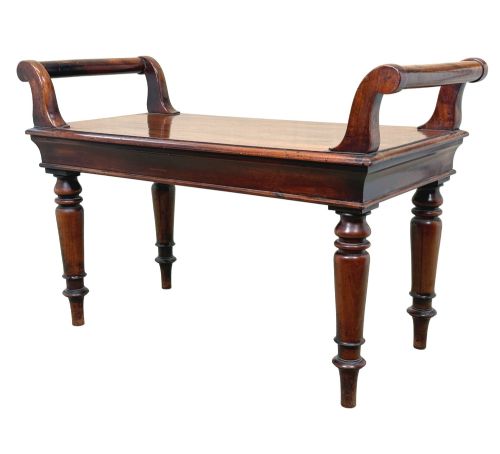
- A long, narrow bench or stool designed specifically to fit into a window recess. These often feature scrolled ends or upholstered tops.
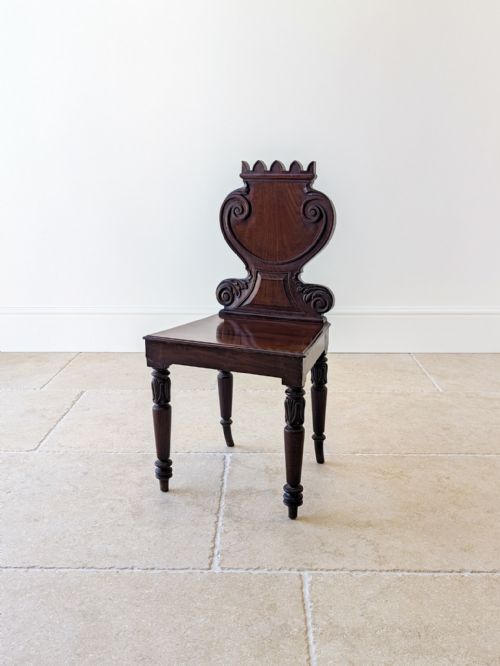
- Hall chair
- A rigid wooden seat intended for an entrance hall or corridor, frequently featuring a solid timber panel back carved with family crests or shields.
- Balloon back
- A rounded, loop-shaped chair back design popular during the Victorian period. It provides ergonomic support through its curved wooden profile.
- Ormolu
- Gilded bronze applied as decorative mountings on furniture. It adds metallic contrast to dark timber surfaces in high-status pieces.
19th Century Mahogany Seat: Frequently Asked Questions
How do I identify a Regency chair?
Regency chairs often draw inspiration from classical antiquity, featuring saber legs, reeded frames, and brass inlay. They reflect the stylistic shift away from heavy Georgian proportions.
Craftsmen working during this period favoured clean lines and architectural motifs, which help distinguish them from later Victorian productions.
Where were window seats placed?
Window seats were traditionally positioned in long galleries, drawing rooms, or large bay windows of country houses. They provided casual seating designed to capture natural light.
These pieces function effectively today in hallways, at the foot of a bed, or beneath large windows.
How do I care for mahogany?
Mahogany furniture requires stable indoor humidity levels and protection from direct sunlight to prevent the timber from drying out or fading. Regular dusting with a soft, dry cloth preserves the polished finish.
Avoid using silicone-based polishes, as they can build up on antique wood surfaces over time.