

19th Century Lamps
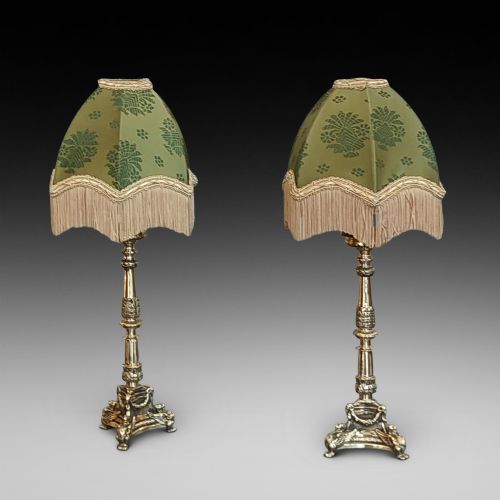
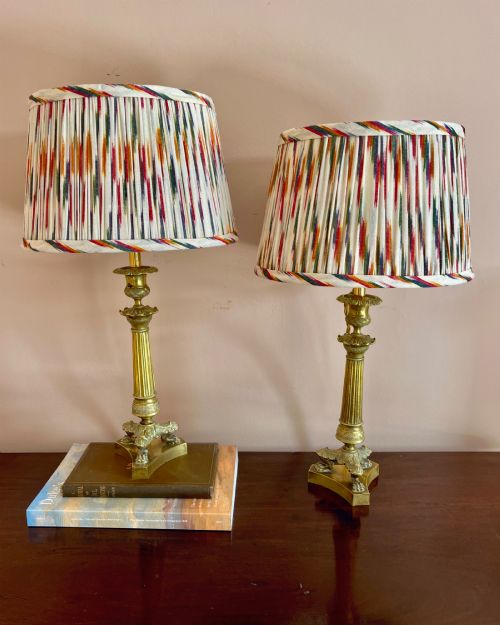
When searching for 19th century lamps, collectors find everything from weighty classical bronze oil fixtures to delicate porcelain pairs.
19th Century Lamps
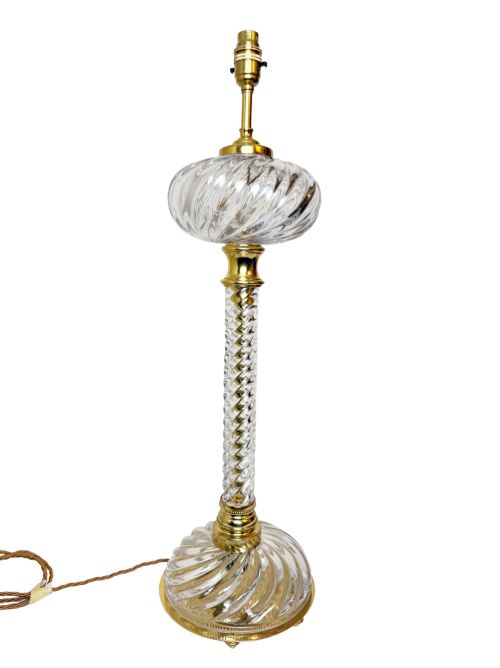
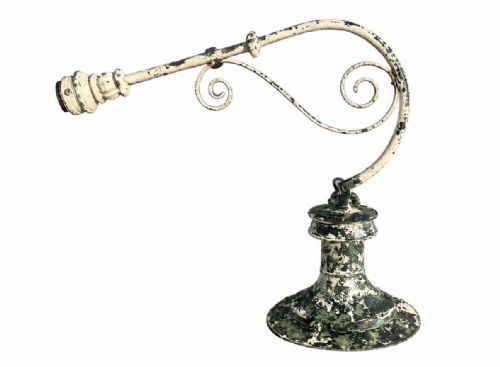
The category of 19th century lamps encompasses a diverse array of lighting solutions and transformed vessels from the Victorian, Regency, and late nineteenth periods. Buyers encounter heavy cast-iron standard lamps, slender brass Corinthian columns, and ornate French porcelain designs created during decades of rapid industrial and domestic innovation.
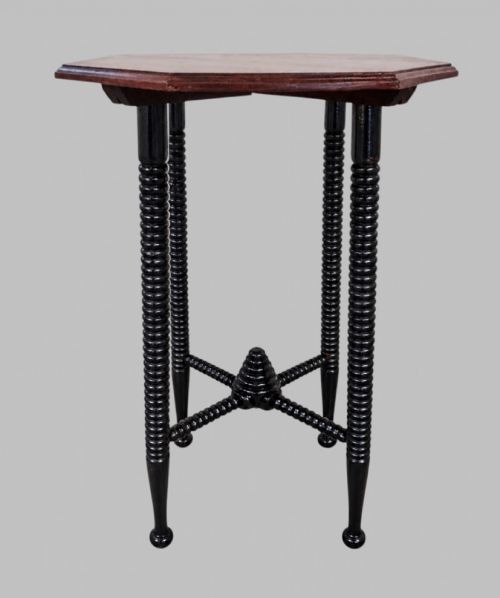
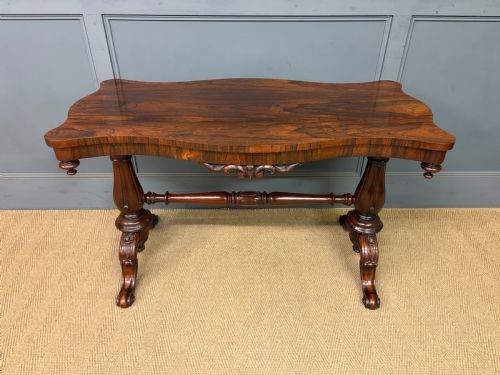
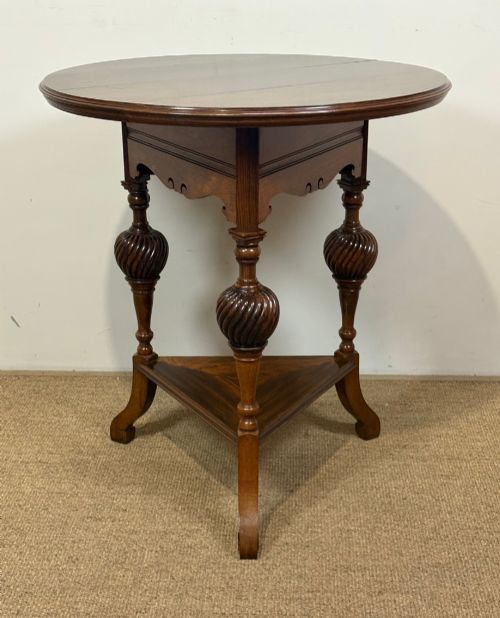
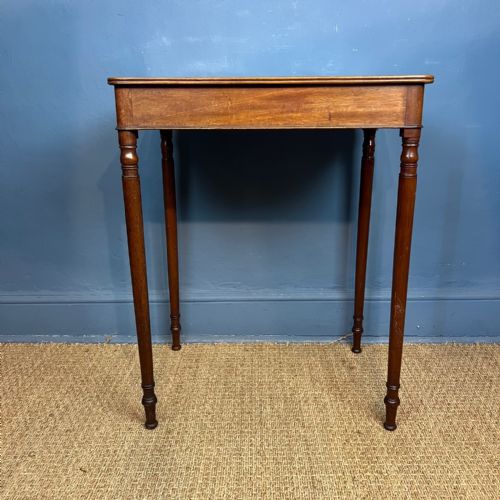
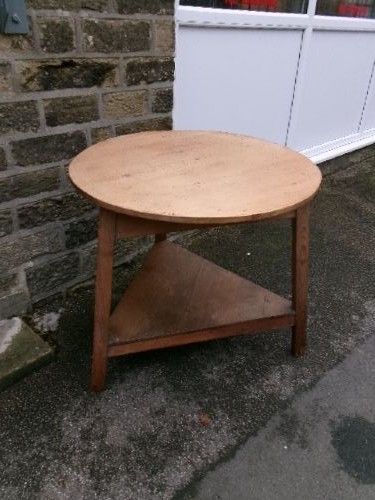
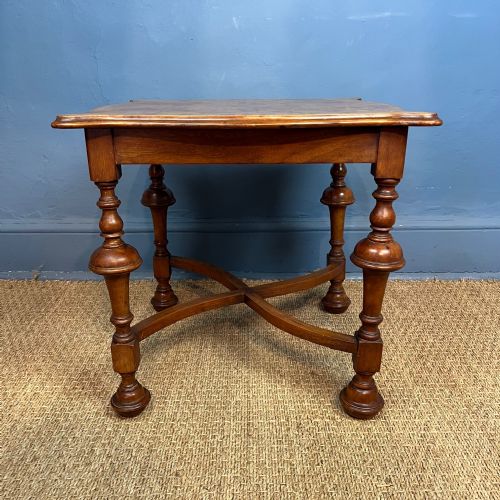
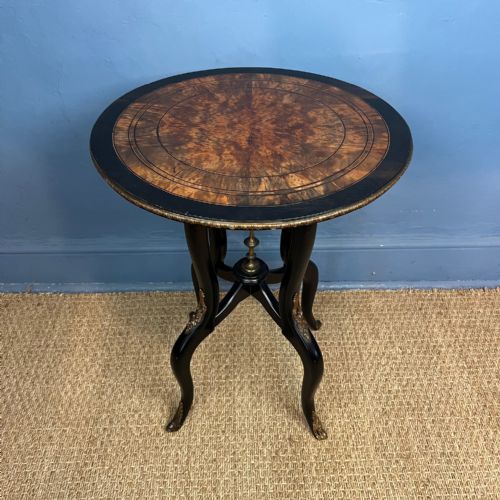
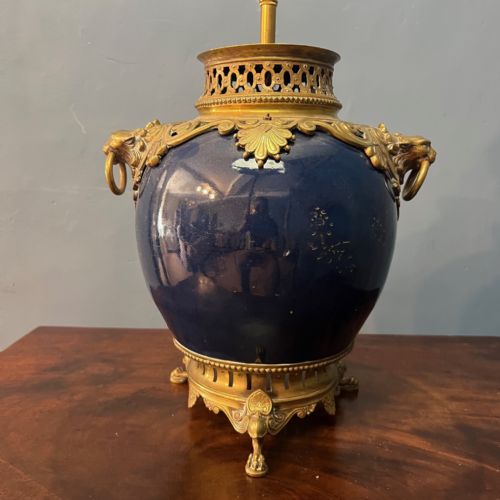
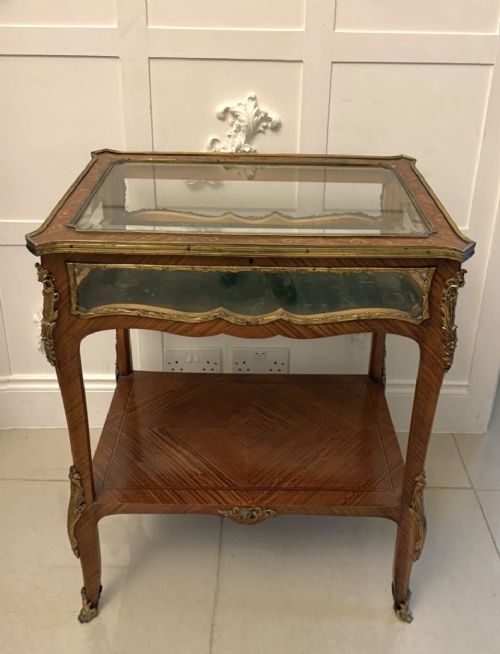
Many items in this category began life as something else entirely, such as Chinese porcelain vases, Japanese ginger jars, or tea canisters, before receiving later electrical or oil fittings. Alongside dedicated lighting, the selection frequently incorporates small tables utilised specifically to support lamps, including burr walnut wine tables and occasional stands.
Origins span English workshops, French ateliers, and Asian export markets, reflecting the eclectic tastes of nineteenth-century interiors. Neoclassical motifs, Aesthetic movement flourishes, and Grand Tour bronze figures dominate the aesthetic vocabulary across both pairs and individual pieces.
How they were made
Makers utilised a wide spectrum of materials, pairing cast bronze, brass, ormolu, and cast-iron with fine timber frames like mahogany, rosewood, burr walnut, and satinwood. Ceramic elements range from French pate sur pate porcelain to imported Chinese and Japanese crackleware, famile rose, and Imari vases.
Construction techniques combine foundry casting and chasing for metal components with expert cabinetmaking for wooden tables and stands. Gilding, parcel gilt detailing, marquetry inlay, and hand-painted ceramic decoration provide the rich visual surfaces typical of the era.
19th Century Lamps Retail Price Guide 2026
Typical asking prices for 19th century lamps among the pieces listed under this phrase on Sellingantiques today, from the lower quarter to the upper quarter. They describe what is for sale here now, not the wider market.
Listings feature woods including mahogany, walnut, rosewood, burr walnut, oak, and satinwood alongside brass, bronze, and porcelain.
What varies in quality
The standard of execution in metalwork separates mass-produced items from superior workshop pieces, visible in the crispness of cast Corinthian capitals or ormolu mounts. Finer pieces demonstrate careful hand-chasing and substantial weight rather than hollow or thin construction.
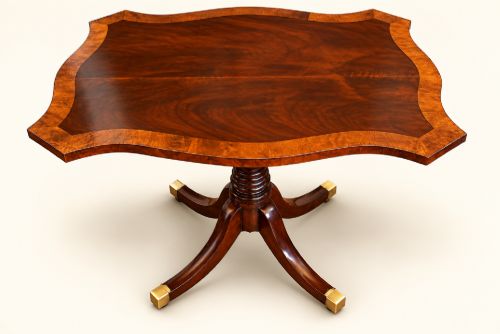
In ceramic and glass components, the clarity of glaze, subtlety of hand-painted detail, and intact condition of delicate mounts determine the standing of an item. Wooden lamp tables rely on the depth of timber grain, particularly burr walnut or figured mahogany, and the precision of inlaid marquetry.
Mappin and Webb·E Rousseau·Gillows
The 19th Century Lamps Glossary
- Ormolu
- Gilded bronze, widely utilised in French lighting and decorative mounts for its warm, reflective metallic lustre.
- Pate sur pate
- A ceramic technique where a raised white relief design is painted onto a coloured porcelain body in successive layers before firing.
- Corinthian column
- A classical architectural column style featuring ornate acanthus leaves on the capital, frequently adapted for heavy brass table lamps.
- Gueridon
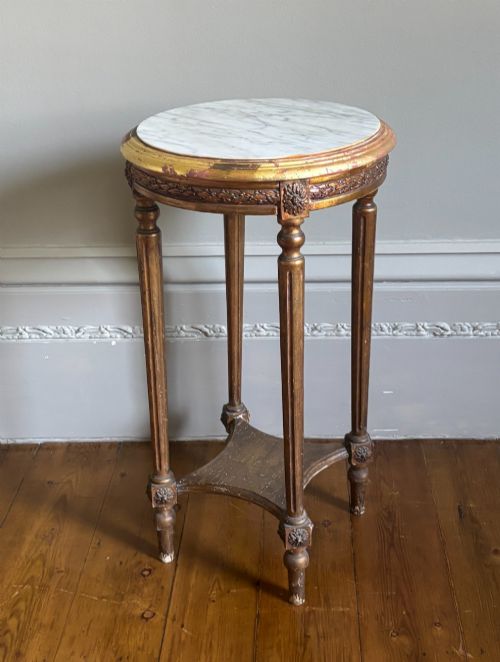
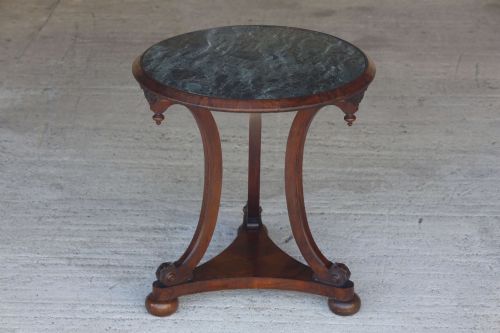
- A small French occasional table, often round, which serves well as a lamp stand in period interiors.
- Grand tour
- The nineteenth-century tradition of wealthy travellers collecting classical bronzes, inkwells, and small oil lamps across continental Europe.
19th Century Lamps: Frequently Asked Questions
Were these lamps originally electric?
Almost all nineteenth-century lighting was originally designed for oil, paraffin, or candles rather than electricity. Many surviving examples underwent conversion during the twentieth century to accommodate modern bulbs and wiring.
Collectors often examine the internal fittings to determine whether original burners remain intact or if the piece was adapted later in its history.
How do I style a lamp table?
Lamp tables from the Victorian and Regency periods function well beside armchairs or sofas to provide layered ambient lighting. Their compact footprints suit small corners where a larger surface would overwhelm the room.
Matching the timber tone, such as rosewood or walnut, with existing furniture helps anchor the piece within a traditional interior scheme.
Can I use antique porcelain vase lamps daily?
Converted vase lamps made from Chinese or Japanese ceramics require gentle handling during cleaning and bulb replacement. Ensuring the base remains stable and balanced prevents accidental tipping on modern surfaces.
Wiring safety should be checked periodically by a professional electrician to protect the fragile antique ceramic body from heat damage.
How do I distinguish Regency from Victorian pieces?
Regency designs tend to display restrained neoclassical lines, classical bronze figures, and exotic timbers like rosewood or birdseye maple. Victorian pieces often introduce heavier proportions, intricate marquetry, and eclectic revival styles.
Examining secondary woods, construction joints, and decorative motifs helps clarify the specific manufacturing decade.